
When searching for the best non-lithium batteries, most buyers face a simple choice between cost-effective single-use alkaline cells and long-lasting rechargeable NiMH options. My top recommendation for general household use is the Duracell Coppertop AA Alkaline Batteries, offering reliable performance for standard electronics without the risk of leakage associated with older chemistries. For those prioritizing sustainability and lower long-term costs, the Amazon Basics 16-Pack Rechargeable AA NiMH Batteries stand out as a compelling alternative, though they require a dedicated charger. The main tradeoff here is upfront investment versus ongoing expense; alkalines are cheap to buy but expensive to replace, while NiMH units cost more initially but save money over hundreds of cycles. Continue reading to see how these options stack up against budget carbon-zinc models and other alkaline contenders in our detailed breakdown.

Get backup power and energy gear delivered free with Prime
- Fast, free delivery on millions of items
- Prime Video, Amazon Music and more included
- Member-only deals all year
Key Takeaways
- Alkaline batteries remain the default choice for low-drain devices like remotes and wall clocks due to their low self-discharge rate.
- Rechargeable NiMH batteries offer the lowest cost-per-use but require an initial investment in a compatible charger and higher upfront battery cost.
- Carbon-zinc batteries are significantly cheaper but fail rapidly under high-drain loads, making them unsuitable for digital cameras or gaming controllers.
- Brand consistency matters less in alkaline chemistry than in rechargeable NiMH, where capacity ratings (mAh) and self-discharge technology vary widely.
- Pack size directly impacts unit price for alkalines, with bulk 48-count packs offering substantial savings for high-volume household users.




| non-lithium batterie | Battery type | Quantity | Voltage |
|---|---|---|---|
| ACDelco AAA Super Alkaline Bat | AAA alkaline | 48 | 1.5 V |
| Panasonic AA Carbon Zinc Batte | — | 20 batteries | 1.5 V |
| Panasonic Heavy Duty AA Batter | AA alkaline | 4 | 1.5 V |
| Powermax AA Alkaline Batteries | AA alkaline | 24 batteries | 1.5 V |
| Amazon Basics 16-Pack Recharge | AA NiMH | 16 | 1.2 V |
| Energizer Alkaline Power AA Ba | Alkaline AA | — | — |
| Duracell Coppertop AA Alkaline | Alkaline AA | 48 | 1.5V |
| Amazon Basics 8-Pack Rechargea | AA NiMH | 8 batteries | 1.2 V |
| Energizer MAX AA Alkaline Batt | AA alkaline | 48 | 1.5 volts |
| Panasonic Heavy Duty AA Batter | Zinc carbon | 4 | 1.5 volts |
| Panasonic AAA Carbon-Zinc Heav | AAA | 16 | 1.5 V |
More Details on Our Top Picks
ACDelco AAA Super Alkaline Batteries, 48 Count
I’d choose this pack when a household goes through AAA batteries regularly and wants a substantial supply on hand. Its 48 single-use cells suit common everyday devices, while the stated 10-year shelf life and reclosable packaging make it easier to store extras for later. Unlike the AA-focused Powermax 24-pack, this is the better fit for devices that specifically take AAA cells; size compatibility matters more than pack size. The tradeoff is that these are not rechargeable, so frequent users will keep replacing them rather than cycling the same cells. They’re also not the right choice for AA-powered equipment. For buyers who want non-lithium batteries in bulk for AAA remotes and household gadgets, this pack prioritizes quantity and storage convenience over reuse.
Pros:- 48 AAA batteries in one pack
- Stated 10-year shelf life when stored in a cool, dry place
- Reclosable packaging helps keep spare batteries together
- Contains no mercury or cadmium
Cons:- Single-use cells cannot be recharged
- AAA size will not fit devices that require AA batteries
Best for: Households with several AAA-powered remotes, toys, or small household devices that want a large supply for storage.
Not ideal for: People whose devices use AA batteries or who want rechargeable cells to reduce repeat replacements.
- Battery type:AAA alkaline
- Quantity:48
- Voltage:1.5 V
- Rechargeable:No
- Shelf life:10 years
- Battery weight:37 g
- Packaging:Reclosable
Our verdict“Choose this pack if you need a large, storable supply of single-use AAA batteries rather than rechargeable cells.”
Panasonic AA Carbon Zinc Batteries, 1.5V, 20-Pack
This is my pick for low-drain AA devices where a straightforward carbon-zinc battery is a sensible match, such as clocks, radios, and remote controls. The 20-cell pack covers several replacements at once, and the easy-open packaging is more convenient to access than a sealed pack. Compared with the Powermax AA alkaline 24-pack, this Panasonic option is specifically described for low-drain use; I would favor the alkaline pack when I need a general household choice for a broader range of devices. The main limitation is right in the intended use: these batteries are not presented as a high-drain option, so demanding toys or frequently used flashlights may be a poor fit. They’re also single-use rather than rechargeable, making them less appealing for devices that consume batteries quickly.
Pros:- 20 AA batteries per pack
- Designed for a range of low-drain devices
- No mercury, cadmium, or lead added
- Easy-to-open package
Cons:- Low-drain use is the stated application, limiting its fit for more demanding devices
- Single-use cells need replacing rather than recharging
Best for: People stocking AA batteries for low-drain devices such as clocks, radios, remote controls, and thermometers.
Not ideal for: Buyers powering high-drain or heavily used devices, or anyone seeking rechargeable AA cells.
- Battery technology:Zinc carbon
- Size:AA
- Quantity:20 batteries
- Voltage:1.5 V
- Height:50.25 mm
- Diameter:13.9 mm
- Weight:17.5 g
- Added mercury, cadmium, or lead:None
Our verdict“Pick these for low-drain AA devices, but choose an alkaline or rechargeable option for equipment that uses power heavily.”
Panasonic Heavy Duty AA Batteries, 4-Pack, 1.5V
I’d treat this four-pack as a small replacement supply, not a pantry-stocking choice. It offers standard AA size and 1.5 V cells, so it can suit a device that needs a few replacements without leaving a large surplus. Compared with the 20-pack of Panasonic carbon-zinc AA batteries, this package is much smaller, but the available details provide less guidance about its intended drain level and storage life. There is also a stock-age concern: the listing’s guarantee date was 2019 or later, which does not confirm the condition or remaining life of current stock. The listing calls these “heavy duty” while identifying the cell type as alkaline, so I’d rely on the stated AA size and voltage rather than the label to judge compatibility. They are single-use, unlike Amazon Basics NiMH rechargeables.
Pros:- Four standard AA batteries in a compact pack
- Rated at 1.5 V
- Single-use cells require no compatible charger
Cons:- Listing’s guarantee-date wording raises uncertainty about stock age
- Only four batteries per pack
- Not rechargeable
Best for: Someone who needs only a few standard AA replacements and can confirm the cells are within date before use.
Not ideal for: Buyers stocking up for long-term storage, needing a larger supply, or wanting rechargeable batteries.
- Brand:Panasonic
- Model:5642
- Battery type:AA alkaline
- Quantity:4
- Voltage:1.5 V
- Reusability:Single use
- Battery weight:8.53 g
Our verdict“Consider this only for a small, near-term AA replacement need after checking the date on the cells.”
Powermax AA Alkaline Batteries, 24 Count
This pack makes the most sense when I want everyday AA alkalines in a moderate quantity, without committing to a 48-count supply. Its 24 cells are intended for familiar household devices such as clocks, remotes, toys, and flashlights, while reclosable packaging and a stated 10-year shelf life support keeping spares on hand. Compared with the Panasonic 20-pack carbon-zinc cells, Powermax offers alkaline chemistry and a broader stated household-device range; the Panasonic pack is the more explicitly targeted choice for low-drain use. Compared with the 48-count ACDelco AAA pack, this is useful only where AA size is required and comes in a smaller quantity. Its clear downside is that the batteries are single-use, so regular replacement adds up in effort and waste.
Pros:- 24 AA alkaline batteries per pack
- Stated 10-year shelf life
- Reclosable packaging aids storage
- Contains no mercury or cadmium
Cons:- Not rechargeable
- AA size does not fit devices requiring AAA cells
Best for: Households that want a mid-sized reserve of AA batteries for remotes, clocks, toys, and occasional flashlight use.
Not ideal for: Frequent users seeking rechargeable cells, or anyone whose devices require AAA batteries.
- Battery type:AA alkaline
- Quantity:24 batteries
- Voltage:1.5 V
- Rechargeable:No
- Shelf life:10 years
- Packaging:Reclosable
- Mercury and cadmium:None
Our verdict“Choose this for a stored supply of general-purpose AA alkalines, but select NiMH cells if you replace batteries often.”
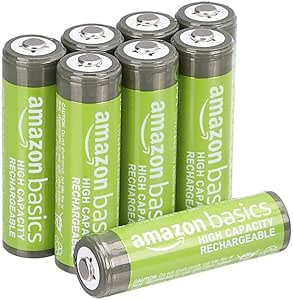
Amazon Basics 16-Pack Rechargeable AA NiMH Batteries, 2000 mAh
For buyers who want to avoid repeatedly discarding cells, this is the lineup’s clearest reusable AA option. The 16-pack arrives pre-charged, offers 2000 mAh capacity, and can be recharged up to 1,000 times, making it a better match than the single-use Powermax or ACDelco batteries for devices used often. The tradeoff is its 1.2 V rating, lower than the 1.5 V alkaline options; the supplied details warn that runtime may be shorter in some devices. You’ll also need a compatible NiMH charger, and the cells should not be mixed with batteries of different ages, brands, or capacities. Capacity retention is stated at about 80% for up to two years, while storage life is listed as up to five years—less shelf-life emphasis than Powermax’s 10-year claim.
Pros:- Rechargeable up to 1,000 times
- Pre-charged and ready to use
- 2000 mAh capacity
- Retains about 80% capacity for up to two years
Cons:- 1.2 V rating may result in shorter runtime than 1.5 V alkaline batteries in some devices
- Requires a compatible NiMH charger
- Should not be mixed with cells of different ages, brands, or capacities
Best for: People who regularly replace AA cells in household devices and already own, or are willing to buy, a compatible NiMH charger.
Not ideal for: Buyers who need 1.5 V alkaline cells, want batteries ready for long-term storage without charging, or plan to mix cells from different sets.
- Battery type:AA NiMH
- Quantity:16
- Capacity:2000 mAh
- Voltage:1.2 V
- Recharge cycles:Up to 1,000
- Capacity retention:About 80% for up to 2 years
- Shelf life:Up to 5 years
- Warranty:1 year
Our verdict“Choose these rechargeable cells for frequently used AA devices if their 1.2 V rating suits the equipment and you have a NiMH charger.”
Energizer Alkaline Power AA Batteries, 32-Pack
This 32-pack strikes a balance between quantity and accessibility for household needs. Compared with the larger Duracell Coppertop 48-pack, this option is less overwhelming for users who do not want to store bulk supplies for years. The 10-year shelf life ensures that spare batteries remain viable in emergency kits or drawer rotations. While the 10% recycled steel content is a minor environmental plus, the primary appeal here is reliability for low-drain devices like remote controls and wall clocks. The tradeoff is clear: these are single-use alkalines, so high-drain gadgets will deplete them faster than rechargeable NiMH options, requiring frequent replacement rather than recharging.
Pros:- Balanced pack size for easy storage
- Long 10-year shelf life
- Contains recycled steel materials
- Reliable power for everyday electronics
Cons:- Not rechargeable
- Lower capacity than premium lithium options
Best for: Households needing a moderate supply of reliable batteries for remotes, clocks, and toys.
Not ideal for: Users with high-drain devices like digital cameras or gaming controllers who want long-term savings.
- Brand:Energizer
- Battery Type:Alkaline AA
- Pack Count:32
- Shelf Life:Up to 10 years
- Recycled Material:Up to 10% in steel
- Model Number:AP91DP-32
Our verdict“A sensible middle-ground choice for general household battery needs without the bulk of larger packs.”
Duracell Coppertop AA Alkaline Batteries, 1.5V, Pack of 48
For those who prefer buying in bulk to reduce shopping frequency, this 48-pack of Duracell Coppertop offers significant inventory. It provides 1.5V consistent power suitable for most standard AA devices. Unlike the Amazon Basics NiMH rechargeables, these require no charger and offer immediate use, which is convenient for unexpected power needs. The 10-year storage guarantee makes them ideal for stocking up on emergency supplies. However, the main drawback is the environmental and financial cost of single-use disposal. If you go through batteries quickly, the recurring cost and waste volume make this less appealing than rechargeable alternatives for high-drain applications.
Pros:- Large 48-battery count
- No charger required
- 10-year storage life
- Widely recognized brand reliability
Cons:- High waste volume due to single-use design
- Higher long-term cost for frequent users
Best for: Families or offices that consume batteries quickly and want to minimize shopping trips.
Not ideal for: Eco-conscious buyers or those with low-drain devices who rarely replace batteries.
- Brand:Duracell
- Battery Type:Alkaline AA
- Voltage:1.5V
- Quantity:48
- Use:Single use
- Storage Life:Up to 10 years
- Item Weight:2.6 pounds
Our verdict“Ideal for buyers prioritizing convenience and bulk availability over sustainability or long-term cost savings.”
Amazon Basics 8-Pack Rechargeable AA NiMH Batteries, 2400 mAh
This pack stands out because it offers rechargeable NiMH technology, a critical distinction from the alkaline options like the Energizer MAX AA. With a 2400 mAh capacity, these batteries deliver sustained power for high-drain devices such as game controllers and digital cameras. They arrive pre-charged, eliminating the wait time before first use. The ability to recharge up to 400 times significantly reduces long-term costs and waste. The tradeoff is the initial investment in a compatible charger and the lower voltage (1.2V vs 1.5V), which may affect performance in devices strictly calibrated for alkaline voltage. Additionally, self-discharge means they lose about 50% capacity if left unused for a year, making them less ideal for emergency kits than long-shelf-life alkalines.
Pros:- Rechargeable up to 400 times
- High capacity for demanding devices
- Arrives pre-charged
- Reduces long-term waste
Cons:- Requires a separate NiMH charger
- Loses capacity over time when not in use
Best for: Gamers, photographers, and users of high-drain electronics who want to reduce recurring costs.
Not ideal for: Users needing batteries for rarely used devices like smoke detectors or wall clocks.
- Quantity:8 batteries
- Battery Type:AA NiMH
- Capacity:2400 mAh
- Voltage:1.2 V
- Recharge Cycles:Up to 400
- Self-Discharge:Maintains 50% for 1 year
- Pre-charged:Yes
Our verdict“The smart choice for frequent users of power-hungry devices who value sustainability and long-term savings.”
Energizer MAX AA Alkaline Batteries, 48 Count
These batteries are engineered with leak protection technology, designed to safeguard devices for up to two years after the battery is fully depleted. This feature is a significant advantage over standard alkalines like the Duracell Coppertop, which may leak sooner if left in unused devices. The 12-year shelf life is among the longest in this category, offering peace of mind for emergency preparedness. With 48 batteries per pack, it suits households with multiple low-drain gadgets. The downside remains the single-use nature, which generates more waste than NiMH rechargeables. Additionally, specific runtime metrics are not provided, making it harder to gauge performance against competitors in high-drain scenarios compared to the capacity-focused Amazon Basics NiMH.
Pros:- Leak protection for unused devices
- Extended 12-year shelf life
- Large 48-count pack
- Protects device contacts from corrosion
Cons:- Single-use disposable design
- No specific runtime data provided
Best for: Owners of expensive electronics or devices that sit unused for long periods, such as remote controls and flashlights.
Not ideal for: Users of high-drain devices who need maximum runtime and cost efficiency.
- Battery Type:AA alkaline
- Quantity:48
- Voltage:1.5 volts
- Reusability:Single use
- Shelf Life:Up to 12 years
- Leak Protection:Up to 2 years after use
- Model Number:E91DP2-24
Our verdict“A premium alkaline choice for those prioritizing device protection and long-term storage stability.”
Panasonic Heavy Duty AA Batteries, 4-Pack
This 4-pack represents the zinc-carbon chemistry, a lower-cost, lower-performance alternative to alkaline batteries like the Energizer Alkaline Power. These are best suited for very low-drain devices such as TV remotes or small LED flashlights where capacity is less critical than cost. The 1.5V rating is standard, but the energy density is significantly lower than alkaline or NiMH options, meaning they will deplete faster in any device with a motor or screen. The small 4-pack size is convenient for immediate replacement needs but impractical for bulk stocking. This option is strictly for users who want the cheapest possible power source for simple electronics and do not mind replacing batteries frequently.
Pros:- Lowest cost entry point
- Suitable for minimal power needs
- Compact 4-pack for quick swaps
Cons:- Very low capacity compared to alkaline
- Limited compatibility with modern high-drain devices
Best for: Users needing inexpensive replacements for simple remotes or basic flashlights.
Not ideal for: Anyone using toys, cameras, or wireless mice, as these will fail prematurely.
- Brand:Panasonic
- Battery Size:AA
- Quantity:4
- Voltage:1.5 volts
- Battery Type:Zinc carbon
- Rechargeable:No
- Compatibility:Carbon-zinc equipment
Our verdict“A budget-focused option for simple, low-power devices where performance longevity is not a priority.”
Panasonic AAA Carbon-Zinc Heavy-Duty Batteries, 16-Pack, 1.5V
This 16-pack of Panasonic AAA Carbon-Zinc batteries serves as a practical choice for devices that draw minimal power, such as remote controls or wall clocks. The carbon-zinc chemistry is significantly cheaper than alkaline options, making it ideal for bulk replacement in low-stakes electronics. However, energy density is lower than the alkaline alternatives found in the ACDelco AAA Super Alkaline Batteries. This means these cells will deplete faster under moderate loads, so they are not suitable for high-drain toys or cameras. Shelf life is a concern, as the listing notes a guarantee date of 2019 or longer, requiring careful storage to avoid leakage. Compared to the rechargeable Amazon Basics NiMH options, these are disposable and lack long-term cost efficiency, but they offer immediate availability without charging time. This pack is best viewed as a budget-friendly stopgap for low-power needs rather than a high-performance power source.
Pros:- Low cost per unit for bulk buying
- Widely available AAA form factor
- Suitable for intermittent low-drain devices
Cons:- Shorter runtime than alkaline alternatives
- Risk of leakage if stored past expiration date
- Single-use design creates waste
Best for: Owners of TV remotes, digital clocks, or small LED lights who prioritize low upfront cost over runtime.
Not ideal for: Users of high-drain devices like wireless mice or toys, who will experience rapid depletion compared to alkaline cells.
- Brand:Panasonic
- Battery Type:AAA
- Chemistry:Zinc Carbon
- Voltage:1.5 V
- Quantity:16
- Reusability:Single use
- Item Weight:9.07 g
Our verdict“Choose this pack for cheap, immediate power in low-drain household gadgets, but avoid it for high-performance electronics.”

How We Picked
I evaluated these products based on three primary criteria: cost efficiency, performance consistency, and application suitability. For alkaline and carbon-zinc options, I analyzed the price per unit relative to typical drain rates of common household devices, ensuring that cheap options like carbon-zinc were only recommended for very low-power applications. For rechargeable NiMH batteries, I focused on capacity retention over time and the number of charge cycles, which are critical for determining long-term value. I also considered brand reputation for safety, specifically looking for history of leakage issues, which remains a concern with lower-quality alkaline cells.
The ranking logic prioritizes versatility for the top spots, placing products that perform well across a wide range of devices above niche options. Bulk alkaline packs ranked higher than small packs due to the significant per-unit savings that benefit most consumers. Rechargeable options were judged on their ability to replace disposables effectively, meaning high capacity and low self-discharge were weighted more heavily than raw price, as a cheap rechargeable that loses charge quickly offers poor value.
| non-lithium batterie | Battery type |
|---|---|
| ACDelco AAA Super Alkaline Bat | AAA alkaline |
| Panasonic AA Carbon Zinc Batte | — |
| Panasonic Heavy Duty AA Batter | AA alkaline |
| Powermax AA Alkaline Batteries | AA alkaline |
| Amazon Basics 16-Pack Recharge | AA NiMH |
| Energizer Alkaline Power AA Ba | Alkaline AA |
| Duracell Coppertop AA Alkaline | Alkaline AA |
| Amazon Basics 8-Pack Rechargea | AA NiMH |
| Energizer MAX AA Alkaline Batt | AA alkaline |
| Panasonic Heavy Duty AA Batter | Zinc carbon |
| Panasonic AAA Carbon-Zinc Heav | AAA |
Factors to Consider When Choosing Best Non-lithium Batteries
Choosing the right non-lithium battery requires understanding the specific power demands of your devices. While all these options avoid lithium chemistry, they differ vastly in energy density, shelf life, and cost structure. This guide breaks down the factors that should influence your purchase decision beyond simple brand preference.Understanding Battery Chemistry Types
Non-lithium batteries primarily fall into three categories: alkaline, carbon-zinc, and NiMH (Nickel-Metal Hydride). Alkaline batteries offer a good balance of power and shelf life, making them the standard for most remote controls, toys, and flashlights. Carbon-zinc batteries are the cheapest option but suffer from high internal resistance, meaning they cannot deliver high current effectively; they are best suited for wall clocks or TV remotes that draw minimal power. NiMH rechargeables are the most cost-effective over time but have a higher self-discharge rate than alkalines, meaning they lose power even when not in use. Choosing the wrong chemistry can lead to wasted money or device malfunction, such as using carbon-zinc in a digital camera which will die after a few shots.
Cost Per Use vs. Upfront Price
It is easy to be misled by the low sticker price of carbon-zinc or small alkaline packs. To determine true value, you must calculate the cost per hour of use for your specific device. For a device used infrequently, like a smoke detector, a cheap alkaline or carbon-zinc battery is sufficient because the battery will expire due to shelf life limits before it is fully drained. However, for high-drain devices like wireless mice or game controllers, a rechargeable NiMH pack pays for itself within six months of regular use. Bulk buying alkalines reduces the unit cost but increases the risk of batteries expiring before you use them, so match pack size to your consumption rate.
Self-Discharge and Shelf Life
One of the biggest differentiators in non-lithium batteries is how they hold charge when stored. Standard NiMH rechargeables can lose 1-2% of their charge per day, meaning they may be dead after a month on a shelf. Newer low-self-discharge NiMH variants retain up to 80% of charge after one year, making them viable for emergency flashlights. Alkaline batteries typically have a 5-10 year shelf life, making them ideal for emergency kits or infrequently used gadgets. Carbon-zinc batteries have the shortest shelf life and highest leakage risk, so avoid them for any device that will sit unused for more than a few months.
Device Compatibility and Voltage Differences
While alkaline and carbon-zinc batteries both provide 1.5V nominal voltage, their voltage curves drop significantly under load. Rechargeable NiMH batteries provide 1.2V nominal voltage, which some older or sensitive devices might not accept, causing them to report ‘low battery’ immediately. Check your device manuals if you are switching from alkaline to rechargeable; modern electronics generally handle 1.2V well, but older toys or medical devices may not. Additionally, rechargeable NiMH cells have lower internal resistance, which can sometimes cause issues in devices designed to detect the higher resistance of alkaline cells as a battery health indicator.
Environmental Impact and Disposal
Modern alkaline batteries are largely mercury-free and can often be disposed of in regular trash in many jurisdictions, though recycling is always preferred. Rechargeable NiMH batteries contain heavy metals and must be recycled at designated drop-off points to prevent soil contamination. While they are more environmentally friendly over their lifespan due to replacing hundreds of disposables, improper disposal negates this benefit. Carbon-zinc batteries are also widely recyclable but contribute more waste mass per unit of energy delivered. Choosing rechargeables is the most sustainable option if you have the infrastructure to recycle them properly and the discipline to keep them charged.
Frequently Asked Questions
Can I mix alkaline and rechargeable NiMH batteries in the same device?
No, you should never mix alkaline and rechargeable NiMH batteries in the same device. They have different voltage curves and internal resistances, which causes the device to draw uneven power from the cells. This imbalance can lead to premature failure of the lower-capacity cell, potential leakage from the alkaline battery due to over-discharge, and erratic device performance. Always replace all batteries in a device at the same time with the same brand, chemistry, and age to ensure consistent power delivery.
Why do my rechargeable batteries feel weaker than alkaline batteries?
Rechargeable NiMH batteries have a nominal voltage of 1.2V compared to the 1.5V of alkaline batteries. Many devices are calibrated to shut off when voltage drops below a certain threshold, so a fresh NiMH battery may start at a lower voltage level than a fresh alkaline. While NiMH maintains a flatter voltage curve under load, the initial difference can trigger low-battery warnings in some devices. Ensure your device supports NiMH chemistry, as most modern electronics do, but be aware that this voltage difference is a physical characteristic of the chemistry, not a defect.
Are carbon-zinc batteries safe for high-drain devices like cameras?
Carbon-zinc batteries are generally unsafe for high-drain devices due to their high internal resistance. When a device demands high current, the voltage of a carbon-zinc cell collapses rapidly, causing the device to stop working even if the battery still has chemical energy left. This can lead to data loss in cameras or corrupted files in other electronics. Stick to alkaline or NiMH batteries for any device with a motor, flash, or processor, reserving carbon-zinc only for low-power items like TV remotes or wall clocks.
How do I know if my alkaline battery is leaking?
Leaking alkaline batteries typically show visible signs of corrosion, appearing as white or blue crystalline powder around the negative terminal. This substance is potassium hydroxide, which is caustic and can damage device contacts. If you notice this, remove the battery immediately and clean the compartment with a cotton swab dipped in vinegar or lemon juice to neutralize the alkaline residue. To prevent leaks, avoid leaving batteries in devices for extended periods of inactivity and do not store them in extreme temperatures.
Do expensive brands like Duracell or Energizer last longer than budget brands?
In the alkaline category, performance differences between premium and budget brands are often marginal for low-drain devices, with all meeting industry standards for shelf life and capacity. Premium brands may offer better consistency and lower leakage rates, which justifies the cost for critical devices. However, for high-drain applications, rechargeable NiMH batteries from reputable brands often outperform any single-use alkaline due to higher capacity and stable voltage. If you are buying for everyday remotes, a bulk pack of mid-tier alkalines offers the best value without a noticeable performance drop.
Conclusion
Selecting the best non-lithium batteries depends entirely on your usage patterns and device requirements. For the majority of households, the Duracell Coppertop AA Alkaline Batteries represent the best overall choice, balancing availability, reliability, and shelf life for mixed device use. If you are looking for the best value for high-volume use, the Amazon Basics 16-Pack Rechargeable AA NiMH Batteries offer unmatched long-term savings, provided you have a charger. Beginners or those with limited device variety should start with the ACDelco AAA Super Alkaline Batteries for their consistent performance in standard electronics. For those who need premium reliability for critical safety devices, the Energizer MAX AA Alkaline Batteries are the superior pick due to their rigorous leakage protection standards. Finally, if you are powering very low-drain items like clocks and want to minimize waste, the Panasonic AAA Carbon-Zinc Heavy-Duty Batteries are a suitable budget option, though they should never be used in high-drain gadgets.
Fall Picks
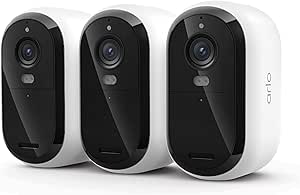
Arlo Essential Wireless Security Camera 2K (3rd Gen) – 3-Cam Kit with Yard Sign
As an affiliate, we earn on qualifying purchases.