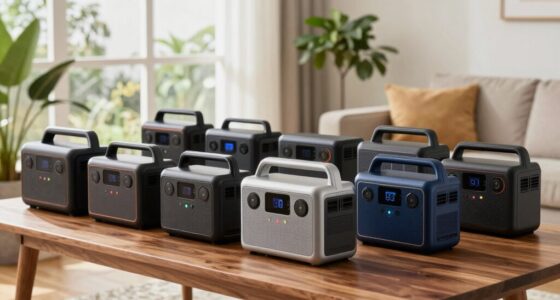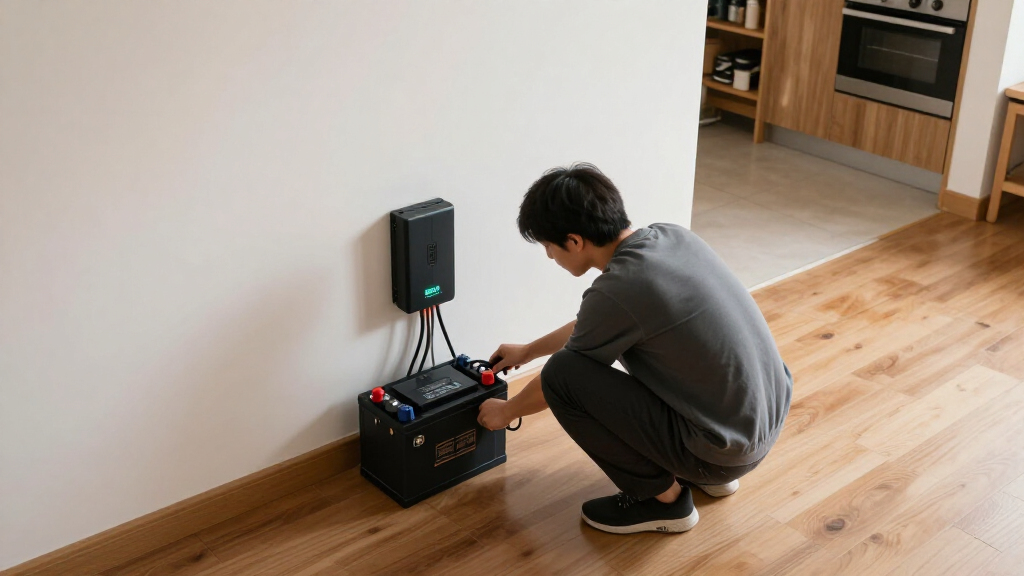
The best home energy storage systems balance usable battery capacity, solar compatibility, backup capability and installation complexity. I rank the ECO-WORTHY 10kW Off-Grid Solar Panel Kit with 32.2kWh Battery Storage as the best overall for buyers seeking a substantial solar-and-storage package. The Anker SOLIX E10 with Power Dock is a stronger fit for a coordinated whole-home backup setup, while the ECO-WORTHY 10 kW kit with 16.1 kWh battery offers a smaller storage commitment. The central tradeoff is between a larger integrated off-grid system and a more focused backup solution, with compatibility and installation demands shaping the choice. Read on for the full breakdown, buying guidance and answers to common sizing questions.

Get backup power and energy gear delivered free with Prime
- Fast, free delivery on millions of items
- Prime Video, Amazon Music and more included
- Member-only deals all year
Key Takeaways
- The 32.2kWh ECO-WORTHY kit leads for off-grid scale: it pairs a 10kW solar kit with the largest stated battery capacity among the named complete kits, but its system size may exceed many backup-only needs.
- The 16.1kWh ECO-WORTHY kit is the more restrained solar package: it keeps the 10kW solar-kit format while halving the listed storage capacity compared with the 32.2kWh version.
- Anker’s E10 options address a different buying problem: the E10 with Power Dock is positioned around whole-home backup, while the 6kWh E10 listing is a smaller-capacity entry point.
- The 32kWh ECO-WORTHY backup system and the 32.2kWh off-grid kit are not interchangeable: one is described as a solar-panel and LiFePO4 backup system, while the other is an off-grid kit with a stated 10kW solar array.
- The Cubix100 is a battery component, not a complete home system: its 48V, 100Ah rack-battery format suits buyers building around compatible equipment, not shoppers who want an all-in-one package.
| ECO-WORTHY 32 kWh Solar Panel and LiFePO4 Home Backup System |  | Best Complete High-Capacity Package | Solar panels: 6 × 590 W N-type monocrystalline | Battery configuration: 2 × 48 V, 314 Ah LiFePO4 | Usable energy: Over 30 kWh | VIEW LATEST PRICE | See Our Full Breakdown |
| ECO-WORTHY 10kW Off-Grid Solar Panel Kit with 32.2kWh Battery Storage |  | Best for High Solar Production | Total PV capacity: 10,620 W | Battery configuration: 2 × 48 V, 314 Ah LiFePO4 | Total energy storage: 32.2 kWh | VIEW LATEST PRICE | See Our Full Breakdown |
| ECO-WORTHY 10 kW Off-Grid Solar Panel Kit with 16.1 kWh Battery |  | Best Expandable Starter Kit | Solar panels: 5 × 590 W monocrystalline | Total PV capacity: 2,950 W | Battery: 48 V, 314 Ah LiFePO4 | VIEW LATEST PRICE | See Our Full Breakdown |
| Anker SOLIX E10 Whole-Home Backup System with 6 kWh Battery |  | Best Compact Whole-Home System | Battery capacity: 6 kWh, expandable to 30 kWh | Continuous output: 7.68 kW | Solar input: Up to 9 kW per unit | VIEW LATEST PRICE | See Our Full Breakdown |
| ECO-WORTHY Cubix100 48V 100Ah LiFePO4 Server Rack Battery |  | Best Modular Rack Battery | Battery chemistry: LiFePO4 | Nominal voltage: 51.2 V | Capacity: 100 Ah | VIEW LATEST PRICE | See Our Full Breakdown |
| Anker SOLIX E10 Home Backup Power System with Power Dock |  | Best for Whole-Home Backup | Battery capacity: 6 kWh | Expandable capacity: Up to 90 kWh | Continuous output: 7.6 kW | VIEW LATEST PRICE | See Our Full Breakdown |
| home energy storage system | Output voltage |
|---|---|
| ECO-WORTHY 32 kWh Solar Panel | 120 V and 240 V |
| ECO-WORTHY 10kW Off-Grid Solar | 120 V/240 V split-phase |
| ECO-WORTHY 10 kW Off-Grid Sola | 120 V or 120/240 V split-phase |
| Anker SOLIX E10 Whole-Home Bac | — |
| ECO-WORTHY Cubix100 48V 100Ah | — |
| Anker SOLIX E10 Home Backup Po | — |
More Details on Our Top Picks
ECO-WORTHY 32 kWh Solar Panel and LiFePO4 Home Backup System
This package earns its place for buyers who want panels, storage, and an inverter in one coordinated system. Its over 30 kWh of usable energy gives it far more reserve than the Anker SOLIX E10 in its 6 kWh base configuration, making it a better fit for extended backup or off-grid loads. The 10 kW hybrid inverter supports both 120 V and 240 V output, while the batteries add app monitoring, smart BMS protection, and a stated 9,000-plus-cycle life at 80% depth of discharge. The tradeoff is the substantial delivery and installation footprint: this system ships by pallet and truck, and the inverter exterior version is selected randomly. Compared with ECO-WORTHY’s 16.1 kWh kit, this package provides more than twice the listed storage, but it demands more space and logistics planning.
Pros:- Includes solar panels, batteries, a hybrid inverter, and cables as one package.
- Over 30 kWh of usable energy supports longer backup periods than the Anker SOLIX E10’s base battery.
- 120 V and 240 V output suits a wider range of household loads.
- App monitoring and multiple battery communication options provide visibility into system status.
Cons:- Large, heavy components require truck-accessible delivery and substantial space.
- The inverter exterior version is selected randomly.
- A system of this scale can require professional electrical and solar installation.
Best for: Homeowners planning substantial backup or off-grid use who want panels, batteries, and a hybrid inverter supplied together.
Not ideal for: Apartment residents, buyers with limited installation space, or anyone unable to accept a large pallet delivery and arrange system installation.
- Solar panels:6 × 590 W N-type monocrystalline
- Battery configuration:2 × 48 V, 314 Ah LiFePO4
- Usable energy:Over 30 kWh
- Inverter:10 kW hybrid
- Output voltage:120 V and 240 V
- Battery cycle life:9,000+ cycles at 80% DoD
- MPPT tracking efficiency:99.9%
- Battery communication:RS485, CAN, RS232, Bluetooth, and Wi-Fi
Our verdict“Choose this package for a high-capacity solar backup system supplied as a coordinated set, provided you can handle its delivery and installation demands.”
ECO-WORTHY 10kW Off-Grid Solar Panel Kit with 32.2kWh Battery Storage
Where the ECO-WORTHY 32 kWh Solar Panel and LiFePO4 Home Backup System pairs substantial storage with six panels, this kit puts more emphasis on collecting solar energy: its 18 panels total 10,620 W, alongside 32.2 kWh of battery storage. That larger array can suit households with ample roof or ground-mount area and significant daytime energy needs. The 10 kW split-phase inverter supplies 120 V/240 V output and is rated for 20 kW peak output, while dual MPPT controllers offer two solar tracking inputs. Battery monitoring is available through Bluetooth, Wi-Fi, and PC connections. The main compromise is scale: eighteen large panels, pallet delivery, and the recommendation for professional installation make this a serious project rather than a simple backup purchase. Buyers with less space may prefer the ECO-WORTHY 16.1 kWh kit, though it has a much smaller listed solar array and battery.
Pros:- Large 10,620 W solar array pairs with 32.2 kWh of storage.
- Split-phase 120 V/240 V output supports varied household circuits.
- Dual MPPT controllers allow two solar tracking inputs.
- Bluetooth, Wi-Fi, and PC battery monitoring give several ways to check system status.
Cons:- Eighteen full-size panels require considerable mounting area.
- Professional installation is recommended for the system.
- Pallet shipment requires a truck-accessible delivery location.
Best for: Homeowners with room for a large solar array who want substantial off-grid storage and split-phase power in a bundled kit.
Not ideal for: Buyers with limited roof or ground space, a modest backup goal, or no access to professional installation and truck delivery.
- Total PV capacity:10,620 W
- Battery configuration:2 × 48 V, 314 Ah LiFePO4
- Total energy storage:32.2 kWh
- Continuous inverter power:10,000 W
- Peak inverter power:20,000 W
- Output voltage:120 V/240 V split-phase
- Battery management system:PACE 200 A BMS
- Maximum inverter voltage:500 V
Our verdict“Pick this kit when solar production and large stored-energy capacity are priorities and you have the space and installation support to match.”
ECO-WORTHY 10 kW Off-Grid Solar Panel Kit with 16.1 kWh Battery
This kit suits buyers who want a bundled entry point to off-grid storage without starting with the 32.2 kWh battery bank in the larger ECO-WORTHY kit. It includes a 16.1 kWh LiFePO4 battery, five 590 W panels, and a split-phase inverter, with the battery and inverter able to scale beyond the initial setup: the battery supports up to 15 units in parallel, and up to six inverters can be paralleled. That flexibility can help a household build capacity as needs change. The mismatch is that the 10 kW inverter is much larger than the 2,950 W panel array, so buyers should plan their generation and loads carefully rather than assume the panels will readily replenish heavy use. Compared with the 32.2 kWh ECO-WORTHY kit, this version starts with less storage and far fewer panels, but takes up less solar mounting area.
Pros:- Includes panels, inverter, battery, and necessary cables.
- Battery supports app, display, Bluetooth, Wi-Fi, and PC monitoring.
- Battery can expand to 15 units in parallel.
- Inverter supports split-phase output and parallel connection of up to six units.
Cons:- The 2,950 W panel array is modest beside the 10 kW inverter rating.
- Professional installation is recommended.
- Pallet delivery requires a truck-accessible address.
Best for: Homeowners starting an off-grid or backup system who want a bundled battery-and-inverter setup with room to add capacity later.
Not ideal for: Households seeking a large ready-to-use solar array or extensive storage from the outset; its five panels and 16.1 kWh battery are smaller than the 32.2 kWh ECO-WORTHY kit.
- Solar panels:5 × 590 W monocrystalline
- Total PV capacity:2,950 W
- Battery:48 V, 314 Ah LiFePO4
- Battery energy:16.1 kWh
- Inverter continuous output:10,000 W
- Inverter peak output:20,000 W
- Output voltage:120 V or 120/240 V split-phase
- Expansion:Up to 15 batteries and up to 6 inverters in parallel
- Battery management system:PACE 200 A BMS
Our verdict“Choose this kit for a smaller initial storage setup with stated expansion paths, not for a large solar array straight out of the box.”
Anker SOLIX E10 Whole-Home Backup System with 6 kWh Battery
The Anker SOLIX E10 takes a different approach from ECO-WORTHY’s bundled off-grid kits: it starts with a 6 kWh battery and focuses on a compact, expandable backup system rather than supplying a large panel-and-battery package. Its 7.68 kW continuous output and support for up to 9 kW of solar input per unit make it a strong match for homeowners who want whole-home backup capability in a smaller initial installation. The battery can grow to 30 kWh, though reaching that capacity means adding batteries; the ECO-WORTHY kits provide much larger listed storage in their supplied configurations. Outdoor-rated E10 components and off-peak grid charging add placement and charging flexibility. The principal drawback is the manual backup control through the Smart Inlet Box, alongside the need to plan for professional installation. This is the more compact route, not the ready-made high-capacity choice.
Pros:- 7.68 kW continuous output supports whole-home backup applications.
- Battery capacity can expand from 6 kWh to 30 kWh.
- E10 has NEMA 4 weather resistance for outdoor installation.
- Can charge from solar or off-peak grid power.
Cons:- The included 6 kWh battery is much smaller than the ECO-WORTHY kits’ listed storage.
- Smart Inlet Box backup control is manual.
- Professional installation may be needed.
Best for: Homeowners seeking a compact, expandable whole-home backup system with outdoor installation options and solar or off-peak grid charging.
Not ideal for: Buyers who need over 16 kWh of storage immediately in the included configuration or want a complete large solar panel-and-battery kit in one purchase.
- Battery capacity:6 kWh, expandable to 30 kWh
- Continuous output:7.68 kW
- Solar input:Up to 9 kW per unit
- Battery type:LFP
- E10 weather resistance:NEMA 4
- Smart Inlet Box weather resistance:NEMA 3R
- Operating temperature:-4°F to 131°F
- Dimensions:26.4 × 11.8 × 10.2 in
Our verdict“Choose the E10 for a compact, expandable whole-home system, but look to the ECO-WORTHY kits for more included storage and panels.”
ECO-WORTHY Cubix100 48V 100Ah LiFePO4 Server Rack Battery
The Cubix100 is a battery component for a larger storage system, not an all-in-one home backup solution. Its 5.12 kWh capacity and support for up to 32 parallel units make it useful for buyers who already have a compatible inverter and rack, or who want to expand storage in stages. Bluetooth and Wi-Fi monitoring add convenient status checks, while CAN and RS485 communication suit integration with compatible equipment. Compared with the complete ECO-WORTHY kits, it leaves the panels and inverter to the buyer; compared with the Anker SOLIX E10, it offers no supplied whole-home backup setup. Its listed UL9540, UL1973, and CEC certifications and 10-year limited warranty are relevant differentiators, but compatibility and installation planning remain the buyer’s responsibility. At 103 lb, each battery also takes real effort to position in a rack.
Pros:- Supports parallel expansion of up to 32 units.
- Bluetooth and Wi-Fi monitoring work with the ECO-WORTHY app.
- Includes CAN and RS485 communication options.
- Listed with UL9540, UL1973, and CEC certifications and a 10-year limited warranty.
Cons:- Provides only 5.12 kWh per battery, so larger storage needs require multiple units.
- Weighs 103 lb, making rack placement a substantial handling task.
- Requires compatible rack space and other system components; it is not a complete backup system.
Best for: Solar and backup system owners with compatible rack space and inverter equipment who want modular 48 V storage that can grow over time.
Not ideal for: First-time buyers seeking a ready-to-install whole-home system, or households without suitable rack space and compatible system components.
- Battery chemistry:LiFePO4
- Nominal voltage:51.2 V
- Capacity:100 Ah
- Energy:5,120 Wh
- Weight:103 lb
- Dimensions:22.09 × 19.02 × 5.63 in
- Communication:CAN, RS485, Bluetooth, and Wi-Fi
- Maximum parallel units:32
- Certifications:UL9540, UL1973, and CEC
Our verdict“Choose the Cubix100 to add modular storage to a compatible rack-based system, not as a standalone alternative to the ECO-WORTHY kits or Anker SOLIX E10.”
Anker SOLIX E10 Home Backup Power System with Power Dock
The Anker SOLIX E10 with Power Dock is the strongest fit here for homeowners who want a professionally integrated backup system rather than a standalone battery kit. Its 200A whole-home coverage and automatic switchover in 20 milliseconds or less can keep connected household circuits running with minimal interruption. Each unit supplies 7.6 kW of continuous output and accepts up to 9 kW of solar input, while expansion to 90 kWh gives it a much higher storage ceiling than a single-unit setup.
That flexibility distinguishes it from the bundled ECO-WORTHY off-grid kits, which provide larger stated battery capacity in their listed configurations but are aimed at a different system approach. The E10 starts with just 6 kWh, so buyers may need extra units or battery modules for extended outages. I’d also account for professional installation and the split five- and ten-year warranties for the E10 and Power Dock.
Pros:- 200A Power Dock supports whole-home coverage
- Automatic switchover in 20 milliseconds or less
- Expandable storage capacity up to 90 kWh
- Up to 9 kW of solar input per unit
Cons:- The base configuration has only 6 kWh of battery capacity
- Professional installation may be needed for the Power Dock
- Expanding capacity requires additional units or battery modules
Best for: Homeowners seeking automatic whole-home backup, solar integration, and a system they can expand as household needs grow
Not ideal for: Buyers who need substantial stored energy from the outset or want a simple, self-installed battery kit; the base unit provides 6 kWh and the Power Dock may require professional installation
- Battery capacity:6 kWh
- Expandable capacity:Up to 90 kWh
- Continuous output:7.6 kW
- Solar input:Up to 9 kW per unit
- Switchover time:20 milliseconds or less
- Power Dock coverage:200A whole-home
- Battery chemistry:LFP
- Ingress protection:NEMA 4 (E10); NEMA 3R (Power Dock)
- Warranty:5 years for E10; 10 years for Power Dock
Our verdict“Choose the E10 with Power Dock if you want whole-home backup and room to expand, but look elsewhere if you need high storage capacity in the initial configuration.”
How We Picked
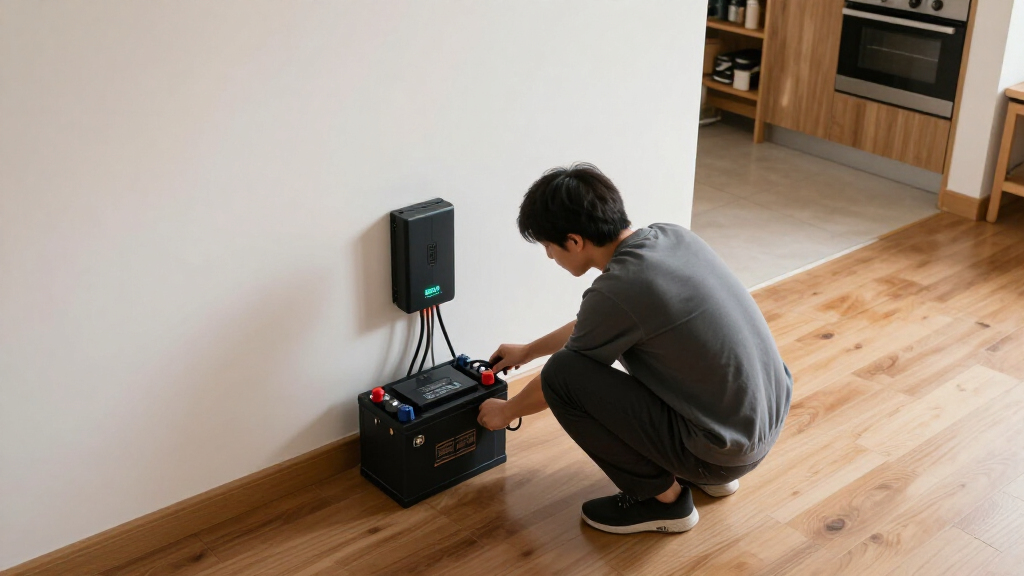
I compared the six options by the job they appear designed to do: solar-powered off-grid operation, backup for household circuits, whole-home backup, or expansion of an existing system. I gave weight to stated storage capacity, whether solar panels and backup hardware are included, the clarity of the system’s intended role, and how much additional planning the buyer may need for inverter, transfer equipment and installation compatibility. A larger battery is useful only when it matches the household’s loads and charging sources, so capacity alone did not determine rank.
The ranking favors complete, clearly scoped systems over standalone components, then separates options by the needs they serve. The ECO-WORTHY 10kW/32.2kWh package ranks first for buyers seeking a substantial solar-and-storage starting point; the Anker E10 with Power Dock ranks higher for a dedicated whole-home backup path. Smaller storage packages and component batteries rank lower for broad household use, though they can be a better fit for tighter backup goals or an existing compatible setup. Product names and stated specifications are the basis of comparison; buyers should confirm current configuration, electrical compatibility and installation requirements before purchase.
Factors to Consider When Choosing Best Home Energy Storage Systems
Before choosing among these systems, I would start with the household’s actual energy plan rather than the biggest capacity figure. Decide whether the priority is keeping selected circuits running, backing up most of the home, or producing and storing power off-grid; those goals call for different equipment and budgets of effort.
Size Storage Around Loads and Outage Length
List the appliances you want powered during an outage and estimate how long each needs to run. Refrigeration, communications and lighting create a different demand profile from electric heating, cooking or vehicle charging, which can drain a battery far faster. Separate essential loads from convenience loads before comparing capacity figures. A large battery may still disappoint if high-power appliances exceed the system’s output capability, so check both energy capacity and continuous and surge power specifications. Leave room for cloudy days or longer outages if solar is expected to recharge the battery. Avoid buying extra storage until you know whether the system can charge it at a useful rate.
Choose Between Backup and Off-Grid Design
A backup system typically works alongside the grid and is intended to keep selected loads or a home operating during interruptions. An off-grid system must meet demand without relying on utility power, so solar production, storage and load management all matter across seasons. A package with a large battery does not automatically make a home fully off-grid; the array and inverter must support the expected energy use. Buyers often confuse backup capacity with energy independence, even though the two goals require different system planning. If you only need outage protection, a full off-grid package may add equipment and complexity you will not use. If utility service is unavailable or unreliable, prioritize system design and support for sustained operation, not battery size alone.
Check Compatibility Before Adding Batteries
Battery voltage and chemistry are only part of compatibility. Confirm that the inverter or power station supports the battery’s communication protocol, charging limits and protection settings, and check whether the battery is approved for parallel expansion. A rack battery such as the Cubix100 can suit a carefully planned system, but it is not a plug-and-play substitute for a complete backup package. Mixing battery models can create uneven charging, monitoring gaps or warranty complications. Ask the manufacturer or installer to verify the exact equipment combination in writing before ordering. This step is especially useful when expanding an existing solar system or buying components from separate product lines.
Plan for Installation, Transfer Equipment and Permits
Whole-home backup can require more than a battery and inverter: transfer equipment, circuit changes, electrical permits and a qualified installer may be part of the project. The Power Dock name signals a system component, but buyers should confirm exactly what is included and which home wiring arrangements it supports. Portable or modular equipment may reduce some installation demands, yet it may not provide the same seamless operation as a professionally integrated system. Get a site-specific assessment if you want automatic backup or intend to connect to a home electrical panel. Common surprises include panel limitations, cable runs, outdoor placement rules and local permitting. Compare the complete installed scope, not just the equipment list.
Match Solar Input to Battery Charging Needs
Solar-panel wattage affects how quickly a system can replenish storage, but real production varies with season, roof angle, shade and weather. A large battery paired with a modest or poorly positioned array may remain partly empty after several cloudy days. Conversely, a sizable array can be underused if the battery fills early and household loads are low. Check the system’s supported solar input, voltage range and maximum charging power, then compare those limits with the panels you plan to connect. For an off-grid home, model winter production rather than relying on the best summer day. Grid-connected buyers can often accept slower solar recharge if utility power remains available.
Pay for the Capability You Will Actually Use
Paying more for added capacity makes sense when it supports longer outages, larger loads or reduced grid reliance; it is less compelling when the household only needs brief backup for essentials. A complete kit can simplify equipment matching, while separate components may offer more flexibility for experienced buyers who already own compatible hardware. Compare warranty terms, service access, monitoring tools and replacement options alongside headline specifications. Also check whether future expansion requires batteries from the same product family or can use compatible alternatives. The least expensive-looking configuration may require extra equipment or installation work to reach the intended use. Decide which capabilities are must-haves before comparing packages.
Frequently Asked Questions
Is a 6kWh battery enough to back up a home?
It can support a limited set of essential loads, but whether it is enough depends on appliance demand, backup duration and the system’s output rating. A refrigerator, lights, router and small electronics use far less energy than electric cooking, heating or air conditioning. Make a short outage-load list and estimate daily energy use before treating the E10’s stated 6kWh capacity as a whole-home solution. Also check whether the system can deliver the starting power needed by motor-driven appliances. If your goal is to run many circuits for an extended outage, compare larger storage options and confirm their power limits.
Should I choose the 32.2kWh ECO-WORTHY kit or the 16.1kWh version?
The 32.2kWh version is the more suitable starting point for buyers who expect longer off-grid operation or heavier energy use, provided the solar array and inverter can support that plan. The 16.1kWh version keeps the listed 10kW solar-kit format with half the stated storage, making it a more limited storage commitment. Neither capacity figure alone tells you how long a home will run: household consumption, usable capacity, charging conditions and system output all matter. Estimate a typical day’s energy needs and include low-sun periods in the calculation. If you are unsure, have an installer model both configurations against your actual loads before deciding.
Can I use the ECO-WORTHY Cubix100 as a standalone home backup system?
The Cubix100 is described as a 48V, 100Ah LiFePO4 rack battery, so it is a battery component rather than a complete home backup system. A compatible inverter or power system, suitable protection and a safe connection to household loads are still needed. Check the exact inverter compatibility, battery communication support and approved expansion limits before buying. You will also need a charging source, such as compatible solar equipment or a supported charger. It is best suited to buyers planning a system around compatible hardware, not those seeking a ready-to-use whole-home package.
What should I verify before connecting a battery system to my home panel?
Confirm whether the system supports panel integration, what transfer equipment it needs and whether it can power the circuits you intend to back up. Ask a licensed electrician or installer to review panel capacity, wiring, grounding, breaker requirements and local permitting. Verify whether backup is automatic or requires manual action, since that changes how the system behaves during an outage. Check the manufacturer’s approved configuration and warranty conditions for the exact battery, inverter and dock combination. Do not assume that a product described as whole-home backup includes every component or installation service needed for your home.
Is a large battery useful if my solar panels produce little during an outage?
A larger battery can provide more stored energy at the start of an outage, but it cannot replenish itself without a suitable charging source. During extended cloudy weather, a large array may still produce less power than the home consumes, especially in winter or under shade. Compare the system’s solar input limits with expected panel output and estimate how quickly it can recover after a day of use. Grid charging may help before an outage if the system supports it, but buyers should confirm that function rather than assume it. For sustained resilience, size storage and charging capacity together.
Conclusion
For a broad solar-and-storage package, I recommend the ECO-WORTHY 10kW Off-Grid Solar Panel Kit with 32.2kWh Battery Storage as the best overall choice, especially for buyers planning substantial off-grid use. The 16.1kWh ECO-WORTHY kit is my best value pick for shoppers who want the 10kW kit format without the larger listed storage capacity. For a coordinated whole-home backup setup, choose the Anker SOLIX E10 with Power Dock as the premium-leaning option; the 6kWh E10 is a more approachable starting point for limited backup needs, though buyers should verify its fit for their loads. The 32kWh ECO-WORTHY backup system suits households seeking substantial stored energy in a solar-backup package, while the Cubix100 is best for experienced buyers adding a compatible rack battery to an existing or planned system. My final advice: choose by backup goal, verified equipment compatibility and expected energy use—not by capacity alone.
Halloween Picks
halloween
As an affiliate, we earn on qualifying purchases.