TL;DR

Get backup power and energy gear delivered free with Prime
- Fast, free delivery on millions of items
- Prime Video, Amazon Music and more included
- Member-only deals all year
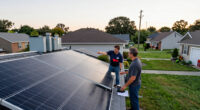
Chicago’s Safer Foundation trains people affected by the criminal justice system for clean-energy work, including solar jobs, and connects them with employers. The organization says more than 100 people earned clean-energy certifications through its training in the past three years, and 79 obtained jobs.
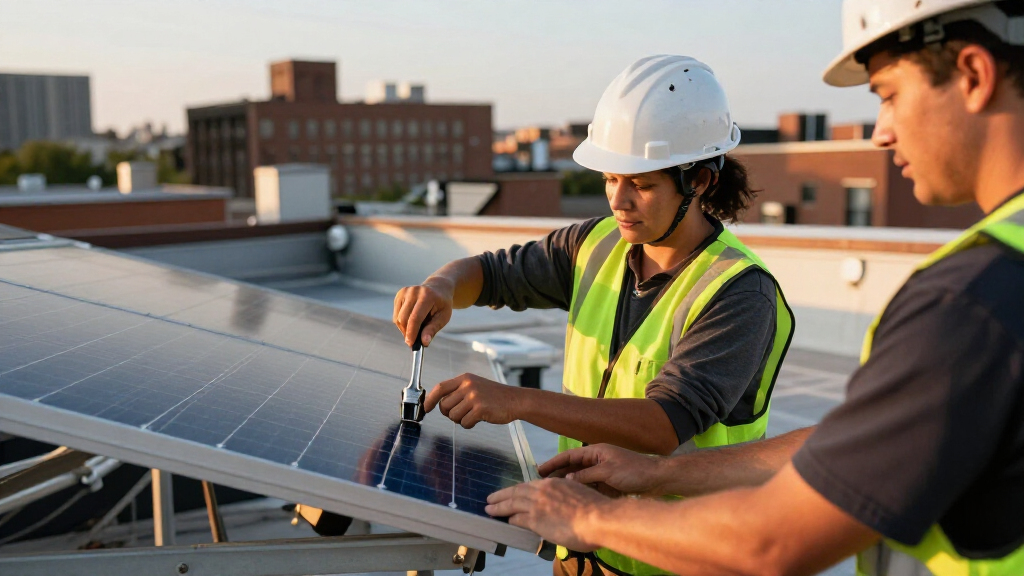
The Safer Foundation is training people returning from prison and others affected by the criminal justice system for solar and clean-energy work in Chicago, pairing hands-on instruction with employment connections and support services. The program is part of Illinois’ effort to widen access to jobs created by the clean-energy transition, and the foundation says 79 of more than 100 trainees who earned industry certifications in the past three years have found jobs.
At Safer’s West Side location, a former gymnasium has been converted into a training space that includes a two-story house under construction. Trainees use the mock home to learn skills relevant to solar installation, including work with electrical fixtures. The site is part of an adult transitional center where about 250 men are completing sentences and preparing to return to the community. The training also serves other men and women who have been involved with the criminal justice system.
Safer’s training includes technical credentials as well as workplace and professional skills. Training and employment account executive Katrice Harris said the foundation works with employers to create relationships and agreements aimed at hiring participants. She said more than 100 people earned clean-energy industry certifications through Safer’s training in the last three years, and 79 secured jobs. The source does not specify how many of those jobs were specifically in solar.
The program also connects participants with services that can address barriers to employment. Safer offers counseling, substance-use treatment and other support, alongside financial literacy, interpersonal skills and workplace training. According to the report, some participants use these services for personal needs and to meet court requirements. The foundation says it works with employers including Millennium Solar Electric and residential installer Sunrun.
Opening Solar Careers to Returning Residents
The initiative links two challenges: meeting demand for workers in the clean-energy sector and helping people with criminal convictions find stable employment after incarceration. Training can offer participants a route into entry-level work and, according to Safer President and CEO Mark Yates, skills that can carry into other industries. The program’s reported job placements offer an indication of its reach, although the figures do not show what roles participants took or how long they remained employed.
Employment access can be difficult for people whose records or gaps in work history lead employers to hesitate, the report says. Safer’s employer relationships and support services are intended to address those barriers directly. For readers, the program is a local example of how public clean-energy workforce goals can involve not only technical instruction but also hiring commitments and assistance with the practical challenges that affect whether someone can keep a job.
Products Worth Considering

Blueair Blue Pure 311i Max Air Purifier

Google Nest Learning Thermostat (4th Gen) with Nest Temperature Sensor (2nd Gen), Silver

Bose Lifestyle Ultra Soundbar and Ultra Subwoofer Bundle
As an affiliate, we earn on qualifying purchases.
Illinois’ Clean-Energy Workforce Effort
Illinois’ 2017 and 2021 clean-energy laws established workforce programs that prioritize people from marginalized communities. According to the report, those programs include remedial education, professional and interpersonal skills, and wraparound help with needs such as childcare, transportation problems and mental health. The state has also placed a particular focus on including people who were formerly incarcerated.
The Safer Foundation, headquartered at the West Side location, has worked with people affected by incarceration since 1972, providing skills development and employment assistance. Its solar training fits into that longer-standing work while connecting participants to a growing clean-energy field. Yates said solar work can provide entry-level opportunities and experience with carpentry and electrical systems that may be useful in other occupations.
“Clean energy is a promising sector, offering entry-level jobs, opportunities to advance, and carpentry and electrical experience that also translates to other fields.”
— Mark Yates, Safer Foundation president and CEO
Job Outcomes Still Need More Detail
The available figures are reported by Safer and do not include a breakdown of the 79 job placements by occupation, employer, pay, hours or length of employment. It is also unclear how many certification recipients entered solar installation specifically, rather than other clean-energy work, and whether the jobs were full-time or permanent. The report does not provide a comparison group or evidence that isolates the program’s effect on employment outcomes.
The source also does not state how many people are currently enrolled, how many complete training, or whether the program’s employer agreements require a particular number of hires. These details would help clarify the initiative’s scale and how consistently training leads to sustained work.
Training and Employer Partnerships Continue
Safer’s described approach depends on continuing technical instruction, individualized support and relationships with employers willing to consider applicants with criminal convictions or disrupted work histories. The foundation’s job-development team seeks employer connections and agreements to hire participants, Harris said. The report does not name a new enrollment date, hiring target or scheduled program expansion.
The next useful measures to watch are updated certification and placement totals, the share of trainees entering solar roles, and whether participants remain employed over time. Further details from the foundation or state agencies could also show how the program’s results fit into Illinois’ wider clean-energy workforce effort.
Key Questions
Who can take part in the Chicago solar training?
The program serves people affected by the criminal justice system, including residents of a West Side transitional center and other men and women returning to the community. The report does not give full eligibility rules or current enrollment details.
What does the training include?
Participants receive hands-on instruction related to solar and clean-energy work, along with workplace skills, financial literacy and professional development. Safer also offers access to services such as counseling and substance-use treatment.
How many participants have found work?
Safer says that in the past three years, more than 100 people earned clean-energy industry certifications through its training and 79 obtained jobs. The reported total does not identify how many jobs were specifically in solar or how long participants stayed employed.
Which employers work with the foundation?
The report names Millennium Solar Electric, a utility-scale developer, and residential solar installer Sunrun as companies with relationships to Safer. It does not provide details on the number of hires made by either company.
Does the program guarantee a solar job?
No job guarantee is stated in the report. Safer works to connect trainees with employers and says it develops agreements intended to support hiring, but the source does not specify guaranteed placements or job terms.
Source: canarymedia.com