During an outage, keep your refrigerator closed to maintain a safe temperature; foods stay cold for about 4 hours, and a full freezer can stay safe for up to 48 hours if unopened. Aim to keep foods below 40°F (4°C), and discard any that have been above that for more than two hours. If you want to learn how to better manage your food safety during outages, there’s more you should know.

Get backup power and energy gear delivered free with Prime
- Fast, free delivery on millions of items
- Prime Video, Amazon Music and more included
- Member-only deals all year
Key Takeaways
- Keep refrigerator doors closed; foods stay safe below 40°F for about 4 hours, and frozen items for up to 48 hours if unopened.
- Use a thermometer to monitor internal temperatures; discard perishable foods above 40°F after 2 hours.
- Foods with ice crystals or still frozen are generally safe; discard items that are thawed and above 40°F for over 24 hours.
- Store perishables in coolers with ice packs to extend safe storage during outages.
- Prioritize non-perishable, shelf-stable foods to ensure safety when power is lost long-term.
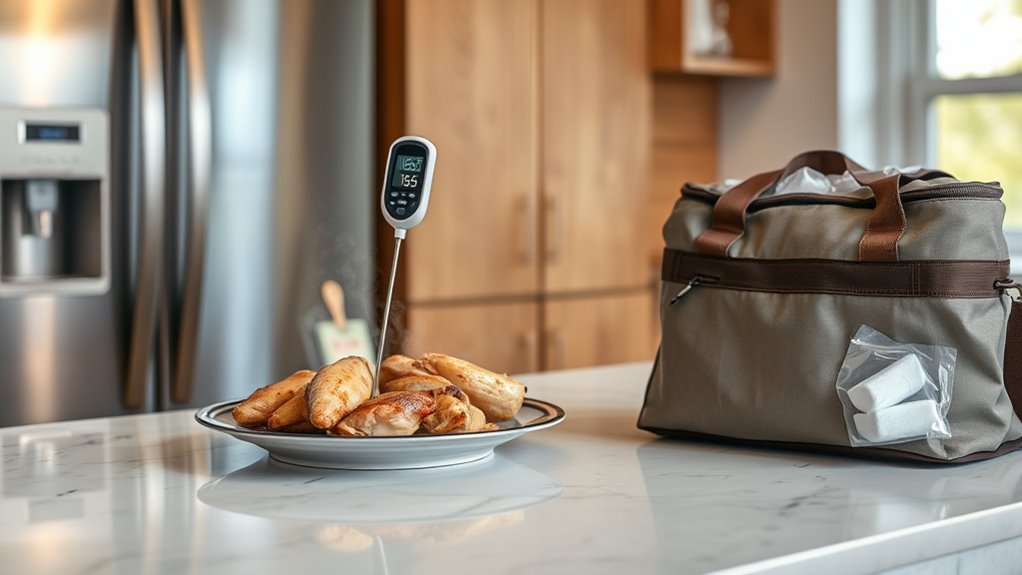
When a power outage occurs, maintaining safe food temperatures becomes vital to prevent foodborne illnesses. Your first priority should be ensuring refrigerator safety to keep perishable items from spoiling. If the outage lasts more than four hours, it’s essential to assess what foods remain safe to consume. Keep refrigerator and freezer doors closed as much as possible to preserve cold temperatures. A closed refrigerator can usually keep foods safe for about four hours, while a full freezer can maintain safe temperatures for up to 48 hours if unopened. To maximize safety, move perishable items into a cooler with ice packs if you anticipate a lengthy outage or if the fridge has been open frequently. This emergency food storage method helps maintain the cold chain, reducing the risk of bacteria growth.
In terms of temperature guidelines, perishable foods in your refrigerator should stay below 40°F (4°C). If you don’t have a thermometer, check for signs of spoilage—sour odors, slimy textures, or discoloration. When in doubt, discard questionable items to avoid foodborne illness. For frozen foods, if the power is out and the items still contain ice crystals or are still frozen solid, they are generally safe to eat. Once the freezer has been defrosted for more than 24 hours, and the food has thawed completely, you should evaluate each item’s safety. If the food has been above 40°F (4°C) for more than two hours, discard it. Maintaining proper food safety practices during outages is essential to prevent health risks.
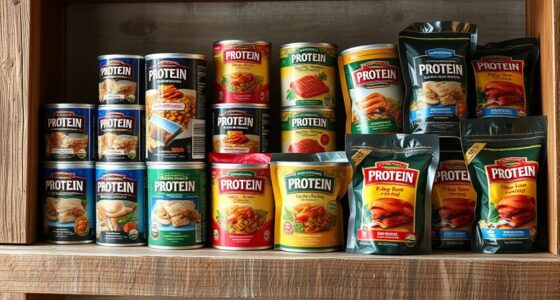
In addition to protecting your perishable foods, think about emergency food storage strategies before outages happen. Stock non-perishable items like canned goods, dried fruits, nuts, and shelf-stable snacks. These foods don’t require refrigeration and can sustain you during extended outages. Keep a supply of bottled water and enough supplies to last several days. If you have a generator, ensure it’s properly ventilated and used outside to prevent carbon monoxide poisoning. When managing food during power outages, always prioritize safety—avoid eating foods that show signs of spoilage or that have been stored improperly. Remember, maintaining proper refrigerator safety and having a plan for emergency food storage can make a significant difference in protecting your health during emergencies.
digital refrigerator thermometer
As an affiliate, we earn on qualifying purchases.
As an affiliate, we earn on qualifying purchases.
Frequently Asked Questions
How Can I Tell if Frozen Food Is Still Safe to Eat?
You can tell if frozen food is still safe by inspecting its appearance and texture. If you notice freezer burn or a color change, it indicates dehydration or spoilage, but the food may still be safe to eat if it has been kept frozen at the right temperature. If the food smells off or has a slimy texture, discard it. Always depend on your senses and proper storage practices to guarantee safety.
What Are the Best Ways to Keep Food Cold Without Power?
Imagine you’re a modern-day explorer, seeking to preserve your supplies. To keep food cold without power, use ice packs in coolers, layering the food to maximize cold retention. Keep the cooler in a shaded, cool place, and avoid opening it often. These tricks help maintain low temperatures longer, ensuring your food stays safe until power returns. Think of it as a portable, mini Arctic expedition for your supplies.
How Long Can Cooked Food Be Safely Stored During an Outage?
You can safely store cooked food for up to 2 hours during an outage if the temperature stays above 40°F. After this time, bacteria can grow rapidly, risking food safety. To maximize safety, keep the food at a consistent temperature using coolers or insulated containers, and avoid opening them frequently. If the outage lasts longer, consider discarding perishable cooked foods to prevent foodborne illnesses.
Are There Specific Foods That Spoil Faster in Outages?
You might notice that certain foods spoil faster during outages—perishable items like dairy products, seafood, and cooked meats are especially vulnerable. These foods can become unsafe quickly if kept above 40°F for more than two hours. Dairy products, in particular, spoil rapidly, releasing unpleasant odors and risking bacteria growth. Stay vigilant, keep these items cold if possible, and discard anything that smells or looks off to avoid health risks.
What Emergency Supplies Should I Have for Food Safety During Outages?
For power outage preparedness, you should have emergency food storage essentials like non-perishable foods, bottled water, and a manual can opener. Keep a cooler with ice packs to preserve perishables longer and stock a flashlight, batteries, and a thermometer. These supplies help maintain food safety during outages, preventing spoilage and foodborne illnesses. Regularly check and rotate your emergency supplies to make certain they’re ready when needed.
As an affiliate, we earn on qualifying purchases.
Conclusion
Remember, during an outage, keeping food at the right temperature protects your health. If your fridge is off, use a thermometer to check if the food stays below 40°F or above 140°F. Think of it like a safety checkpoint—if food stays within safe zones, it’s okay to eat. Don’t wait until it’s too late; act quickly and stay safe. Your vigilance keeps your family protected from foodborne illnesses during power outages.
food storage containers for emergencies
As an affiliate, we earn on qualifying purchases.
As an affiliate, we earn on qualifying purchases.
food safety thermometer for refrigerator
As an affiliate, we earn on qualifying purchases.
As an affiliate, we earn on qualifying purchases.
Fall Picks
fall essentials
As an affiliate, we earn on qualifying purchases.