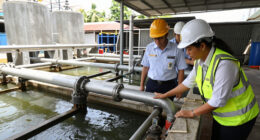
To collect and store rainwater safely for emergencies, set up a clean, secure system with food-grade containers positioned in shaded areas. Install mesh screens to filter debris and regularly check for cracks or leaks. Clean your storage tanks often and cover them to prevent contamination from pests or dirt. Consider adding basic purification methods like UV sterilizers before use. Keep your system maintained to ensure a dependable water supply when it’s needed most. If you stay informed, you’ll discover even more effective strategies.
Listen free for 30 days with Audible
Thousands of audiobooks and originals — cancel anytime.
As an affiliate, we earn on qualifying purchases.
Key Takeaways
- Use food-grade, sealed containers positioned in shaded areas to prevent contamination and algae growth.
- Install filters and UV sterilizers during collection to eliminate bacteria, viruses, and harmful contaminants.
- Regularly inspect, clean, and maintain storage tanks to prevent leaks, sediment buildup, and mosquito breeding.
- Cover containers securely and keep gutters clean to avoid debris, pests, and pollutants entering the system.
- Test water quality periodically and treat as necessary to ensure safety for drinking and emergency use.
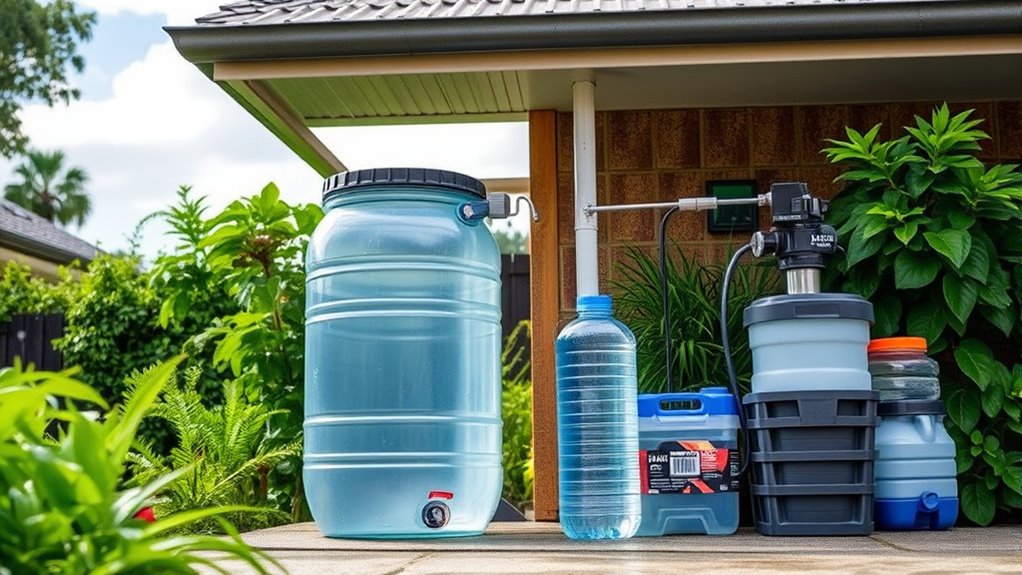
Have you ever considered how rainwater collection can benefit your home and the environment? Collecting rainwater is a smart way to prepare for emergencies while reducing your reliance on municipal water supplies. However, to guarantee that the water you gather is safe to use, proper rainwater purification is essential. You’ll want to start by filtering the water as it enters your storage system, using screens or mesh to keep out leaves, debris, and insects. Then, consider installing additional purification methods, such as UV sterilizers or chemical treatments, especially if you plan to use the water for drinking or cooking. These steps help eliminate harmful bacteria, viruses, and contaminants, making the water safe and reliable during emergencies.
Equally important is the maintenance of your storage containers. Regular storage container maintenance isn’t just about keeping your setup looking tidy; it’s about ensuring the integrity and safety of the stored water. Check your containers frequently for cracks, leaks, or signs of wear, and clean them thoroughly at least once a year. Remove any sediment or algae that may accumulate over time, which can compromise water quality. Make sure lids are secure to prevent contamination from pests or debris and that no standing water is left stagnant, as this can become a breeding ground for mosquitoes or bacteria. Proper maintenance ensures that your rainwater remains clean and usable when you need it most.
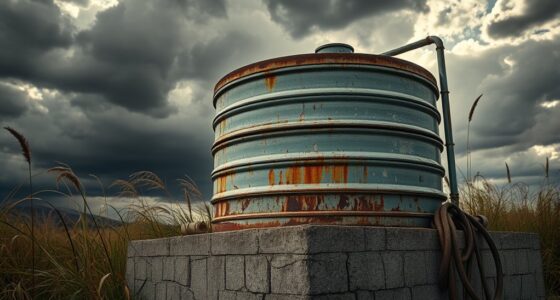
When selecting a storage container, choose one made from food-grade materials to avoid chemical leaching. Position your tanks in a shaded area to prevent excessive algae growth caused by sunlight exposure. Covering the containers also shields the water from dirt, leaves, and other pollutants. As part of your routine, inspect the entire system regularly, especially after heavy storms, to catch any potential issues early. Clean your gutters and downspouts to ensure smooth flow into your storage tanks, preventing blockages that could lead to overflow or contamination. Additionally, integrating water quality testing into your maintenance routine helps ensure the stored rainwater remains safe for use.
food grade rainwater storage containers
As an affiliate, we earn on qualifying purchases.
As an affiliate, we earn on qualifying purchases.
Frequently Asked Questions
How Long Can Stored Rainwater Safely Be Kept Before It Becomes Unsafe?
You can typically store rainwater safely for up to six months if you keep it properly purified and stored in a clean, sealed container. Regular water purification, like boiling or using chlorine tablets, helps maintain its safety. After this period, the storage lifespan is at risk, and the water may become unsafe due to algae, bacteria, or sediment buildup. Always check for clarity and odor before using stored rainwater.
What Are the Best Materials for Rainwater Storage Containers?
A wise person once said, “You get what you pay for.” For rainwater storage, choose containers made of food-grade polyethylene or high-density polyethylene (HDPE) because they’re durable, resistant to UV rays, and safe for water storage. Guarantee proper container maintenance by regularly cleaning and inspecting for cracks or leaks. These materials offer the best balance of durability and safety, helping you store water effectively for emergencies.
Can Rainwater Be Used for Cooking and Drinking Without Treatment?
Rainwater can be used for cooking and drinking if you guarantee its purity first. You shouldn’t use untreated rainwater directly because it may contain contaminants or bacteria that threaten cooking safety. To make it safe, you need to filter and boil the water thoroughly. This process helps eliminate pathogens and impurities, making the rainwater safe for consumption in emergencies. Always test and treat rainwater before use for maximum safety.
How Do I Prevent Mosquito Breeding in Rainwater Storage?
To prevent mosquito breeding in your rainwater storage, you should regularly cover your containers tightly to stop mosquitoes from laying eggs. Make certain there’s no water stagnation by cleaning and draining the tanks periodically. You can also add mosquito dunks or larvicides designed for rainwater to kill larvae without harming the water quality. Maintaining these practices helps keep mosquito larvae out and reduces the risk of mosquito-borne diseases.
What Are the Signs of Contaminated Rainwater That Should Be Discarded?
Have you ever wondered how to tell if your rainwater is unsafe? If you notice a foul smell, discoloration, or slimy surfaces, these are clear contamination indicators that the water should be discarded. Conduct water quality testing regularly to identify bacteria, algae, or other pollutants. If any signs of contamination appear, it’s best to eliminate the water to prevent health risks and ensure safe storage.
As an affiliate, we earn on qualifying purchases.
Conclusion
Now, imagine the gentle rain tapping on your rooftop, ready to fill your clean, sealed tanks. By collecting and storing rainwater safely, you’re creating a reliable oasis amid the stormy chaos. When emergencies strike, you’ll see the shimmering water waiting patiently, a quiet promise of preparedness. With each drop you save, you’re building a safe haven—your personal reservoir of hope—ready to quench your needs when the skies turn gray and help is far away.
UV sterilizer for water purification
As an affiliate, we earn on qualifying purchases.
As an affiliate, we earn on qualifying purchases.
rainwater collection system maintenance kit
As an affiliate, we earn on qualifying purchases.
As an affiliate, we earn on qualifying purchases.
NFL season / tailgating Picks
team gear
As an affiliate, we earn on qualifying purchases.