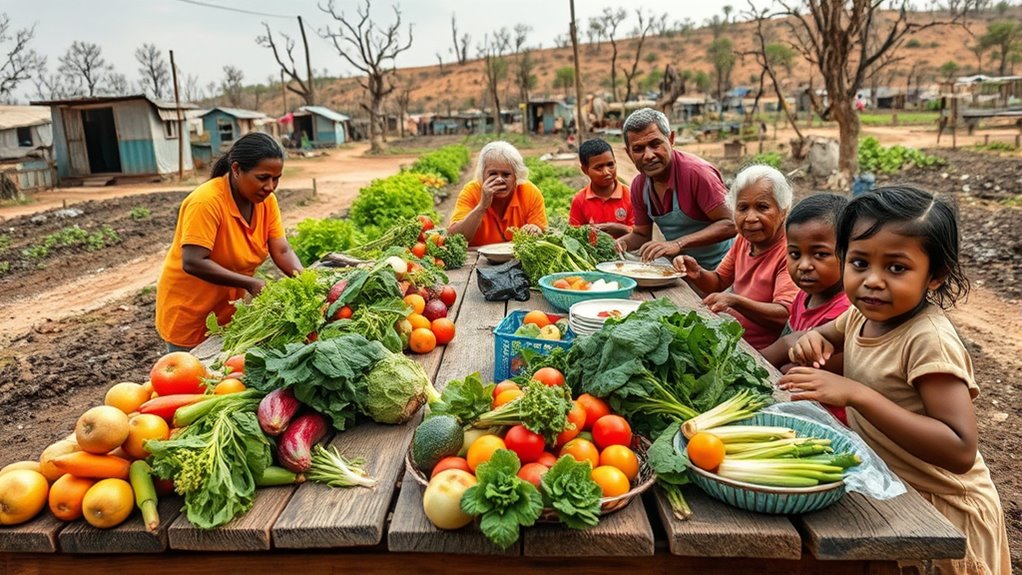

Nutrition plays a crucial role in your long-term disaster recovery by helping communities rebuild resilient food systems and supporting ongoing health and stability. Providing access to nutritious, diverse foods ensures people can recover faster, resist future shocks, and restore their livelihoods. Proper nutrition boosts immune systems, aids healing, and enhances community strength. To learn more about how strategic nutritional support fosters sustainable recovery, keep exploring ways to strengthen food security and resilience after disasters.
Key Takeaways
- Proper nutrition enhances immune function, supporting recovery and reducing long-term health complications post-disaster.
- A diverse, nutrient-rich diet builds community resilience and aids in rebuilding health infrastructure.
- Nutrition education promotes sustainable food practices, improving long-term food security and disaster preparedness.
- Supporting local food systems ensures reliable access to essential nutrients during recovery phases.
- Long-term nutritional strategies strengthen vulnerable populations’ capacity to recover and adapt to future shocks.
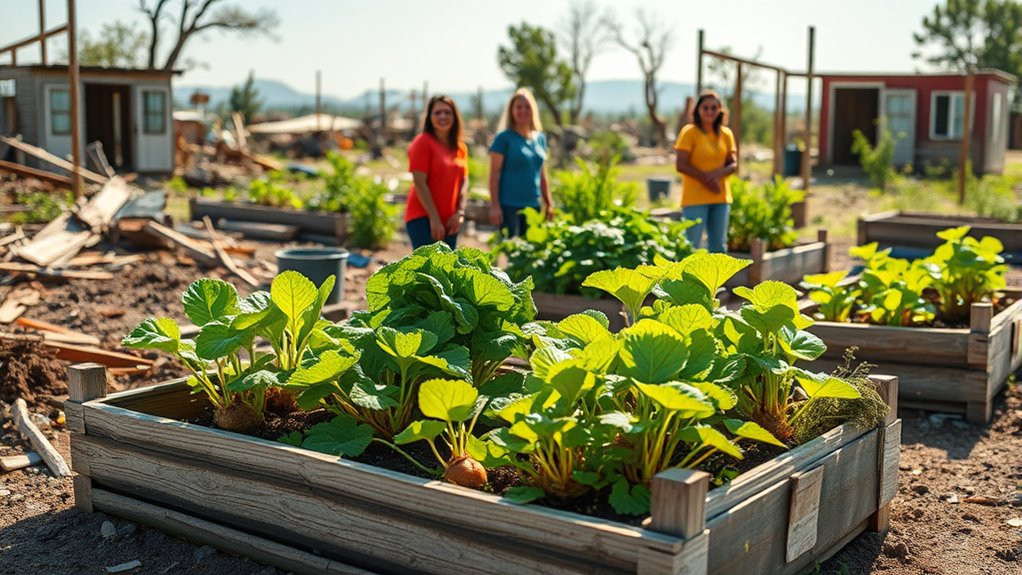
Have you ever wondered how crucial nutrition is in the aftermath of a disaster? After a calamity strikes, ensuring access to proper food becomes more than just meeting immediate hunger; it directly influences a community’s ability to recover and rebuild. Food security, which means having reliable access to enough safe and nutritious food, becomes a cornerstone of long-term recovery efforts. When food supplies are disrupted, vulnerable populations face not only hunger but also increased health risks that can hinder their ability to return to normal life. By prioritizing food security, you help establish a foundation where individuals can regain strength, stability, and hope for the future.
In this context, nutritional resilience plays a critical role. It refers to the capacity of individuals, households, and communities to withstand and adapt to nutritional stresses caused by disasters. Building this resilience involves more than just providing enough calories; it requires ensuring access to a balanced diet rich in essential nutrients. When communities are nutritionally resilient, they’re better equipped to recover from illness, withstand economic shocks, and adapt to changing circumstances brought about by disaster. You can foster this resilience by emphasizing diverse food sources, promoting local food systems, and educating communities about nutrition. This approach not only helps individuals recover faster but also strengthens the overall health infrastructure, making communities less vulnerable to future disruptions.
Addressing food security and nutritional resilience involves strategic planning and collaboration. It’s about creating sustainable food systems that can endure shocks, whether from natural disasters, conflict, or economic downturns. Implementing community-based solutions, such as local food production and storage, plays a critical part in this. You should also focus on vulnerable groups like children, pregnant women, and the elderly, ensuring they receive adequate nutrients to sustain their health. Strengthening supply chains, improving storage facilities, and supporting local farmers contribute to a more resilient food system. When these elements are in place, communities are more capable of bouncing back quickly and maintaining their health and productivity.
Ultimately, your role in disaster recovery isn’t just about immediate relief but also about laying the groundwork for long-term food security and nutritional resilience. Recognizing the importance of relationships – personality test in community cohesion can enhance collaborative efforts and foster stronger support networks. By doing so, you empower communities to withstand future shocks, recover more swiftly, and thrive in the aftermath of adversity. Proper nutrition becomes a powerful tool—one that fosters resilience, supports healing, and paves the way toward sustainable recovery.

Ready Hour 120 Serving Entree Bucket-Freeze Dried Emergency Food Supply-Survival Meals with Long Shelf Life-Prepper Essentials for Disaster, Camping, Hiking, or Outdoor Use
TASTES GREAT: Ready Hour freeze-dried food is designed for emergencies but tasty enough for everyday use.
As an affiliate, we earn on qualifying purchases.
As an affiliate, we earn on qualifying purchases.
Frequently Asked Questions
How Does Nutrition Impact Mental Health After a Disaster?
Nutrition directly impacts your mental health after a disaster by supporting mental resilience. Proper dietary support helps stabilize your mood, reduce anxiety, and improve cognitive function during stressful times. When you prioritize nutrient-rich foods, you give your brain the essential vitamins and minerals it needs to cope with trauma and uncertainty. This boosts your ability to adapt, recover emotionally, and maintain a positive outlook in challenging circumstances.
What Are the Best Foods for Rebuilding Community Nutrition?
It’s no coincidence that nutrient-dense foods like whole grains, beans, vegetables, and lean proteins become crucial for rebuilding community nutrition. These foods promote food security and boost nutritional resilience, helping communities recover faster. By prioritizing local, affordable options, you strengthen the community’s overall health, ensuring everyone gets the essential nutrients needed for long-term stability. Focus on diverse, balanced diets to foster a resilient, thriving community after disasters.
How Can Nutrition Programs Be Sustained Long-Term Post-Disaster?
To sustain nutrition programs long-term after a disaster, you need to prioritize building food security and community resilience. Engage local stakeholders, secure consistent funding, and integrate programs into existing community systems. Encourage community participation to foster ownership and adaptability. Continuously monitor and evaluate progress, adjusting strategies as needed. By doing so, you create a stable foundation that supports ongoing access to nutritious foods and strengthens the community’s ability to recover and thrive.
What Role Do Local Food Systems Play in Recovery?
Think of your community’s local food systems as the roots of a resilient tree, anchoring recovery. They foster food sovereignty, empowering residents to produce and access nutritious food. By strengthening food security initiatives, you help rebuild trust and stability after disasters. Local farms and markets become essential, ensuring that even when external supplies falter, your community thrives on its own sustainable, nourishing foundation.
How Can Vulnerable Populations Access Nutritious Food During Recovery?
You can access nutritious food during recovery through targeted food assistance programs and by participating in nutritional education initiatives. Local agencies often provide emergency supplies and support to vulnerable populations. Additionally, learning about balanced diets helps you make better choices with available resources. Stay informed about community resources and advocate for programs that prioritize your nutritional needs, ensuring you maintain health and resilience during the recovery process.

100PCS Mylar Bags with 400cc Oxygen Absorbers, 11.8 Mil Thicker Long Term Food Storage Bag, 1 Gallon 10×14 6×9 4×6 Stand-up Zipper Resealable Heat Sealable for Airtight Smell Proof Packaging
【VALUE FOR MONEY ALL IN ONE】- Includes: 35 pcs large size 1 gallon mylar bags 10.2×13.8 inches, 45…
As an affiliate, we earn on qualifying purchases.
As an affiliate, we earn on qualifying purchases.
Conclusion
You might think nutrition is just a small piece of disaster recovery, but it’s actually the superhero that keeps entire communities alive and thriving! Without proper nourishment, recovery stalls faster than a racecar on empty. By fueling bodies with the right foods, you’re not just helping individuals—you’re transforming devastation into a triumphant comeback story so incredible, it’ll make history books jealous. Never underestimate the power of good nutrition; it’s the secret weapon in turning chaos into resilience!

Survival 101 Raised Bed Gardening and Food Storage: The Complete Survival Guide to Growing Your Food, Food Storage, and Food Preservation in 2021 (2 Books IN 1)
As an affiliate, we earn on qualifying purchases.
As an affiliate, we earn on qualifying purchases.

Tintinalli's Emergency Medicine: A Comprehensive Study Guide, 9th Edition
As an affiliate, we earn on qualifying purchases.
As an affiliate, we earn on qualifying purchases.