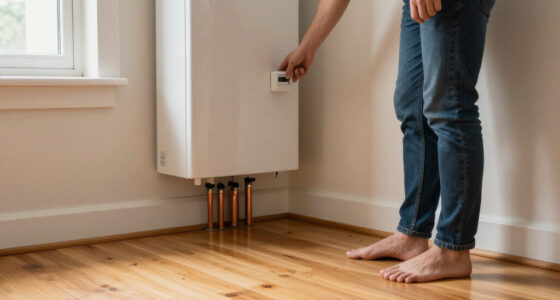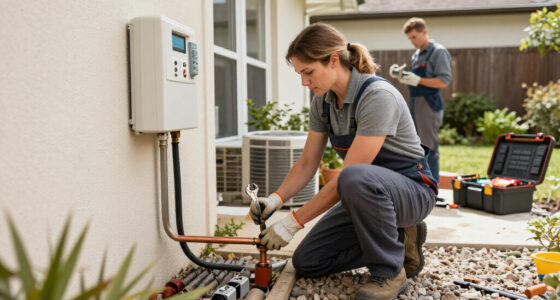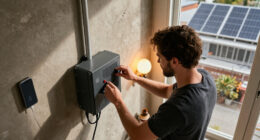
After power is restored, start by inspecting your home from outside for visible structural issues like leaning walls, cracked foundations, or fallen trees. Avoid any areas with smoke stains, charred wiring, or dangling wires—these are signs of fire or electrical hazards. Turn off the main breaker before entering, and use a flashlight to check for water or damage. If you notice risks, contact professionals before proceeding further; you’ll discover essential safety tips to keep you protected.

Get backup power and energy gear delivered free with Prime
- Fast, free delivery on millions of items
- Prime Video, Amazon Music and more included
- Member-only deals all year
Key Takeaways
- Ensure the main power supply is turned off before inspecting electrical systems or appliances.
- Check for signs of fire or water damage, such as charring, smoke stains, or moisture around outlets.
- Confirm structural stability by avoiding areas with visible cracks, leaning walls, or sagging ceilings.
- Use a flashlight instead of open flames and wear protective gear to avoid electrical shocks or injuries.
- Document damage with photos and consult professionals before attempting repairs or re-occupying the home.
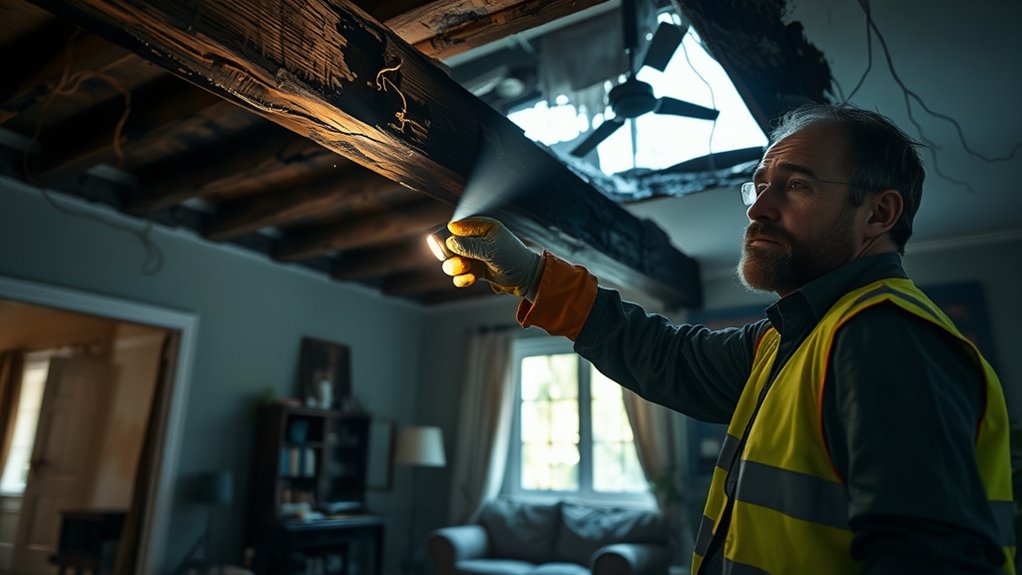
Ever wondered how to accurately evaluate damage to your home after a storm or disaster? Once the power has been restored, it’s vital to approach your property with caution and a clear plan. The first step is to prioritize safety, especially when it comes to fire safety. If you notice any sparking wires, downed power lines, or electrical damage, avoid touching anything. Contact a professional electrician immediately to handle potential hazards. Electrical fires can start unexpectedly if wiring is compromised, so don’t take any chances. Make sure to turn off the main power supply before entering areas with visible damage to reduce the risk of fire or electrocution.
Prioritize fire safety; avoid electrical hazards and contact professionals before entering damaged areas.
Next, you want to assess the structural stability of your home. Look for signs of compromised integrity, such as sagging ceilings, cracked walls, or uneven floors. These indicators suggest that the foundation or framing may have been damaged during the storm. If you notice large cracks, leaning walls, or parts of the roof that appear to be lifted or missing, stay outside and call a structural engineer or building inspector before re-entering. Moving around unstable structures can be dangerous, so it’s best to leave the assessment to professionals. When inspecting, keep an eye out for fallen trees or debris that could further weaken the structure, especially around load-bearing walls and support beams.
While inspecting, also consider fire safety precautions. If your home has been exposed to water, ensure that no electrical appliances or outlets are still wet before turning them back on. Water and electricity are a dangerous combination and can lead to fires or electrocution. Use a flashlight rather than candles or open flames during your inspection to prevent accidental fires. If you find any signs of fire damage—such as charring, smoke stains, or burnt wiring—call fire professionals immediately. Additionally, understanding common damage indicators can help you identify problems more effectively and ensure your safety.
Take photos of any damage you find, but don’t attempt to make repairs yourself unless you’re qualified. Documenting the damage will help when dealing with insurance claims and repairs. Remember, your safety is the priority. If at any point you feel unsure about the stability of your home or encounter hazards, evacuate and call the appropriate emergency or professional services. Once you’re confident your home is safe, you can proceed with more detailed assessments or repairs, but never rush into a situation that could jeopardize your safety or lead to further damage.
home electrical safety inspection kit
As an affiliate, we earn on qualifying purchases.
As an affiliate, we earn on qualifying purchases.
Frequently Asked Questions
Can I Use My Appliances Immediately After Power Restoration?
You shouldn’t use your appliances immediately after power restoration without checking for appliance safety. Power surges can damage sensitive electronics, so inspect your appliances for any signs of damage first. It’s wise to unplug them and wait a few minutes before turning them on. If you notice any unusual smells, sparks, or malfunctioning, avoid using them and call a professional. Ensuring appliance safety helps prevent further damage and keeps you safe.
How Do I Identify Hidden Water Damage?
You can identify hidden water damage by inspecting for signs like musty odors or discoloration on walls and ceilings. Check for soft or sagging drywall, which indicates deterioration, and look for mold growth around these areas. Feel for dampness with your hand or a moisture meter. If you notice any of these signs, it’s best to have a professional assess the extent of water damage to prevent further issues.
Is It Safe to Enter a Flooded Basement?
Entering a flooded basement is like stepping into danger; it’s not safe until you’ve assessed the risks. Water can weaken the structural integrity of your foundation and promote mold growth, which can harm your health. Always wait until professionals confirm it’s safe, check for electrical hazards, and ensure the water has receded. Protect yourself first—don’t rush in before it’s properly evaluated.
What Signs Indicate Electrical System Damage?
You should watch for signs like flickering lights, burning smells, or sparks, which indicate electrical system damage. An electrical fire or circuit overload can occur after power restoration, highlighting potential hazards. If you notice any of these signs, turn off the power and call a licensed electrician immediately. Never attempt to fix electrical issues yourself, as faulty wiring or damaged components can lead to further damage or dangerous situations.
When Should I Call a Professional Inspector?
Think of your home as a delicate balance, like a tightrope walker after a storm. You should call a professional inspector if you notice signs of structural instability or mold growth, which threaten its safety. If your walls crack, sag, or if you detect a musty odor, don’t wait—seek expert help. They’ll evaluate the damage thoroughly to guarantee your home’s stability and safeguard your family’s health.
water damage inspection flashlight
As an affiliate, we earn on qualifying purchases.
As an affiliate, we earn on qualifying purchases.
Conclusion
Once power is back on, don’t rush into your home blindly. Take the time to carefully assess any damage and guarantee safety before entering. Remember, rushing in can often do more harm than good, and it’s better to be safe than sorry. By staying cautious and thorough, you’ll be able to spot issues early and prevent further problems. Sometimes, patience is the best course of action, especially when facing the aftermath of a storm.
home structural damage assessment tools
As an affiliate, we earn on qualifying purchases.
As an affiliate, we earn on qualifying purchases.
As an affiliate, we earn on qualifying purchases.
Halloween Picks
halloween
As an affiliate, we earn on qualifying purchases.