When the internet goes out, you can rely on offline communication methods like visual signals such as large “HELP” signs or reflective mirrors to catch attention. Use auditory cues like a loud whistle or even prearranged gestures within your group for quick silent messages. Carry essential signaling devices like flashlights or flags, and prepare written notes on waterproof paper to leave instructions. Continuing to explore these techniques will help you master reliable ways to stay connected when digital channels fail.
Key Takeaways
- Use offline messaging devices like walkie-talkies, two-way radios, or signal flags for short-range communication.
- Employ visual signals such as large “HELP” signs, reflective mirrors, or signal fires to attract attention from afar.
- Utilize auditory signals like whistles or patterned sounds to alert rescuers or nearby groups.
- Write notes on waterproof paper or leave visible messages in strategic locations for others to find.
- Practice prearranged gestures or signals within your group for silent, quick communication during emergencies.

Have you ever found yourself in a situation where the internet isn’t available, and you need to get in touch with someone? It can be frustrating, but there are effective ways to communicate without relying on online services. Emergency signaling becomes your top priority when conventional methods fail. If you’re in a remote area or during a power outage, traditional signals like visual and auditory cues can alert others to your presence or distress. Using a whistle to produce loud, patterned sounds can catch attention from a distance, especially if you’re in an open space. Similarly, creating visible signals like a large “HELP” sign or a pattern of rocks or branches can be seen from afar, increasing your chances of rescue. Flashlights or mirrors can also serve as signaling devices—flashing a mirror toward rescuers or aircraft can reflect sunlight and draw attention. These methods are essential when immediate help is needed, making emergency signaling an indispensable skill in offline situations.
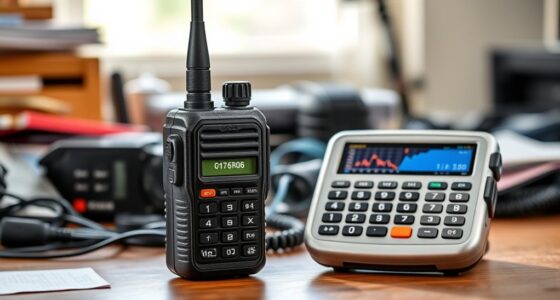
Beyond signaling, offline messaging tools can help you stay connected when the internet is down. Devices like two-way radios or walkie-talkies allow direct communication over short distances without any network coverage. They’re especially useful in outdoor adventures, construction sites, or during disasters where cell service is disrupted. Keep in mind, these devices require batteries or power sources, so always carry backup power options. For longer-range communication beyond radio limits, consider using signal flags or semaphore systems—where you use flags or hand movements to convey messages visually. These methods might seem old-fashioned, but they’re surprisingly effective when you need to relay specific information without electronics. Additionally, practicing these visual communication techniques beforehand can significantly improve your ability to send clear messages in emergencies.
Another practical approach is to prepare offline messaging methods beforehand. Writing notes or messages on waterproof paper ensures you can leave instructions or contact details for others to find. If you’re in a group, designate specific signals or gestures to communicate silently, reducing confusion. In some cases, using prearranged codes or symbols can quickly convey critical information, such as “help needed” or “safe location.” These offline messaging techniques are particularly useful in environments where voice communication isn’t possible, or noise levels are high.
In essence, mastering emergency signaling and offline messaging ensures you’re never completely cut off, even when digital channels fail. By combining visual signals, auditory cues, and pre-planned offline messages, you improve your chances of being noticed, understood, and rescued. Preparing these skills beforehand can make all the difference in critical moments, giving you confidence and control when the internet isn’t an option.
Top picks for "communicate without internet"
Open Amazon search results for this keyword.
As an affiliate, we earn on qualifying purchases.
Frequently Asked Questions
What Are Some Effective Non-Digital Communication Methods?
You can use carrier pigeons to deliver messages quickly over distances, especially in emergencies. Signal fires are also effective for attracting attention or sending simple messages across open spaces. Additionally, you might consider using handwritten notes, visual signals like flags or Morse code, and even face-to-face conversations. These methods rely on basic tools and clear communication, ensuring your message gets across even without internet access.
How Can I Quickly Find Nearby Communication Tools?
Did you know that over 75% of outdoor enthusiasts carry a radio communication device? To quickly find nearby tools, scan your environment for signal beacons or radios. Check common spots like campsites, emergency kits, or community centers. Use your phone’s radar-like features or ask local experts if available. These tools are designed for rapid connection, ensuring you stay in touch even when the internet isn’t an option.
Are There Any Apps for Offline Messaging?
Yes, there are apps for offline messaging. You can use apps like Bridgefy or FireChat, which enable offline chat via Bluetooth or Wi-Fi Direct, so you stay connected without internet. These apps often include SMS backup options, ensuring your messages are saved and sent when you’re back online. They’re perfect for emergencies or remote areas where internet access isn’t available. Give them a try to stay connected anytime, anywhere.
How Do Emergency Communication Protocols Work Offline?
Did you know that over 75% of emergency responders rely on radio communication during crises? Emergency communication protocols work offline through emergency signaling methods like whistles, flares, or radios. Radio communication is essential, enabling you to send distress signals or coordinate rescue efforts when the internet is unavailable. Practice these protocols, use clear signals, and keep backup communication devices ready to guarantee your safety during emergencies.
Can Traditional Mail Be a Reliable Communication Method?
Traditional mail can be a reliable communication method when you rely on postal services and handwritten notes. You simply write your message, drop it in the mailbox, and wait for it to reach the recipient. While it’s slower than digital methods, it’s dependable during emergencies or when internet access isn’t available. Just make certain you address your mail correctly, and be patient with delivery times.
Conclusion
Remember, even without the internet, you hold the power to connect. Think of your chosen method as a lighthouse—guiding others through the darkness of silence, shining a beacon of human connection. Whether through a handwritten note or a shared smile, you’re lighting the way for understanding and companionship. So, embrace these timeless tools, and let your voice and gestures be the lanterns that break through the shadows of disconnection. Your message can still reach across any distance.