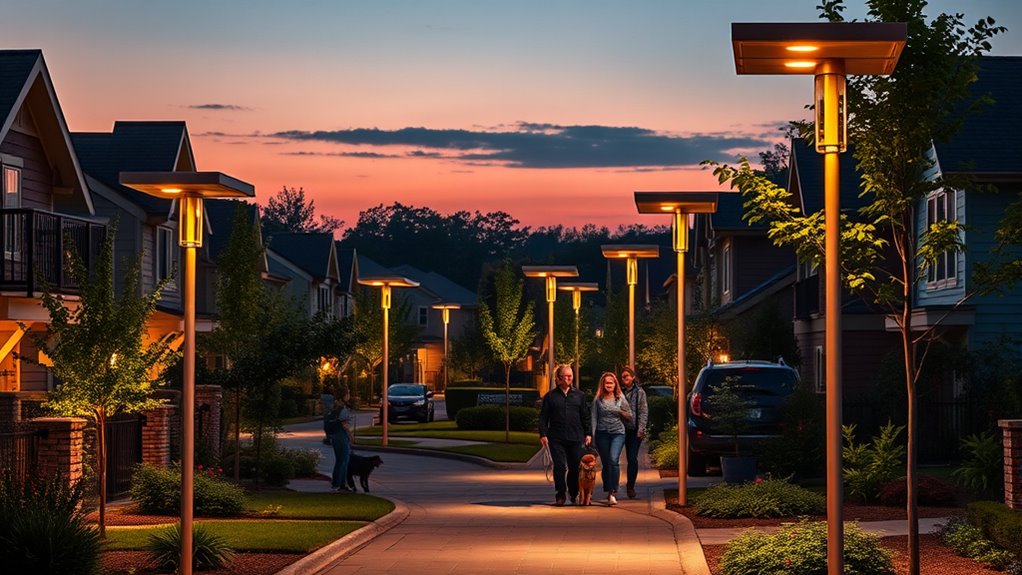
Building a solar light network enhances neighborhood safety by illuminating dark areas and deterring suspicious activity. You can involve neighbors early, organize community meetings, and identify key spots needing light. Securing funding through grants, sponsorships, or fundraising helps keep the project affordable. Installing motion-activated lights adds security, while regular upkeep guarantees longevity. This collaborative effort creates a safer, more inviting environment—discover how to start and sustain your solar lighting project effectively.
Key Takeaways
- Engage the community early to identify dark, unsafe areas and foster shared responsibility.
- Plan site locations carefully, prioritizing vulnerable spots and considering motion-sensor solar lights.
- Secure funding through local grants, sponsorships, and community fundraising efforts.
- Involve residents in installation, maintenance, and monitoring to ensure sustainability and ownership.
- Highlight the benefits of improved safety, outdoor activity, and environmental sustainability to promote support.
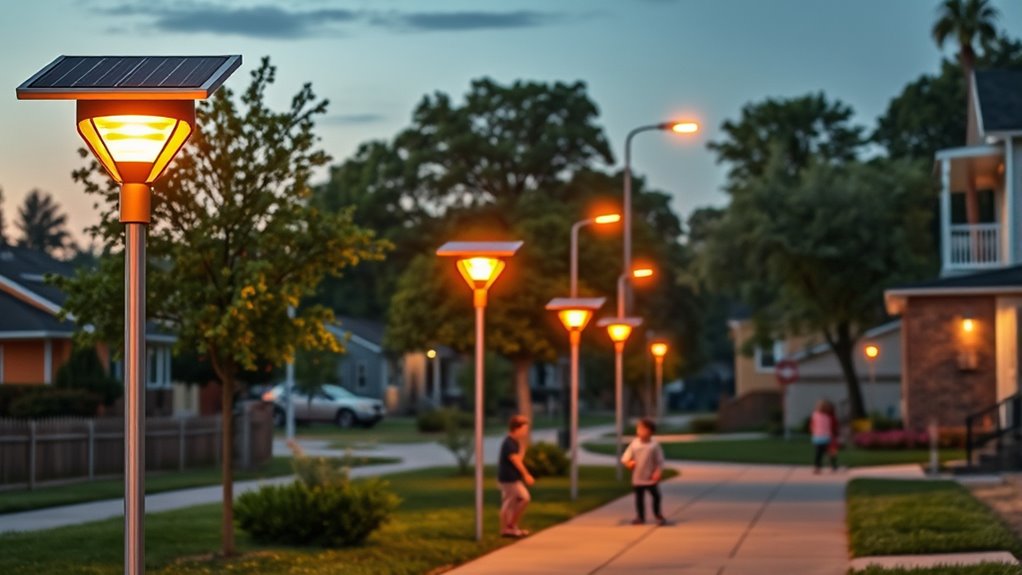
Creating a solar light network in your neighborhood can substantially enhance safety and security during the night. When you install solar-powered lights throughout your streets and public spaces, you’re not only illuminating dark areas but also fostering a sense of community and vigilance. Solar power is an excellent choice because it’s renewable, cost-effective, and easy to maintain. These lights harness the sun’s energy during the day and automatically turn on at dusk, reducing your reliance on traditional electricity sources and lowering ongoing costs. This sustainable approach means your neighborhood can stay well-lit without worrying about rising energy bills or the environmental impact.
Implementing a solar light network isn’t a task you need to undertake alone. Community engagement plays a vital role in the success of such a project. By involving your neighbors early on, you create a shared sense of responsibility and ownership. Host meetings or informal gatherings to discuss the benefits of solar lighting, answer questions, and gather feedback. When residents understand how solar power works and see the direct benefits—like improved safety, beautification, and energy savings—they’re more likely to support and participate actively. It’s also an excellent opportunity to identify local volunteers who might help with installation, maintenance, or fundraising efforts.
Engaging neighbors early fosters shared responsibility and active participation in solar lighting projects.
You can start by identifying the most vulnerable and dark spots within your neighborhood—like alleyways, parks, or poorly lit intersections. Once you’ve pinpointed these areas, you can explore options for solar lights that suit the specific needs of each location. Many solar lights come with motion sensors, which can further enhance security by illuminating only when movement is detected. This not only saves energy but also draws attention to any suspicious activity, deterring potential wrongdoers. When your community comes together to plan and install these lights, you’re creating a safer environment where residents feel comfortable walking at night and children can play outside longer. Additionally, understanding the advantages of renewable energy can motivate residents to support sustainable initiatives like solar lighting.
Funding your solar light network can be achieved through community fundraising, grants, or local sponsorships. Involving local businesses or civic groups can substantially boost your resources and foster broader community support. As the network takes shape, maintenance becomes straightforward—solar lights generally require minimal upkeep, but regular checks ensure they function efficiently. Encouraging residents to take part in monitoring and maintenance not only keeps costs down but also strengthens community bonds. Ultimately, building a solar light network transforms your neighborhood into a safer, more inviting place, demonstrating how collective effort and clean energy solutions can make a meaningful difference in everyday life.

Tuffenough Solar Outdoor Lights 2500LM 210 LED Security Lights with Remote Control,3 Heads Motion Sensor Lights, IP65 Waterproof,270° Wide Angle Flood Wall Lights with 3 Modes(2 Packs)
【Remote Control & 3 Lighting Modes】:Each solar motion sensor light is equipped with wireless remote control.You can choose…
As an affiliate, we earn on qualifying purchases.
As an affiliate, we earn on qualifying purchases.
Frequently Asked Questions
What Is the Average Lifespan of Solar Lights Used in Neighborhoods?
Solar lights in neighborhoods typically last around 5 to 10 years. You should consider battery degradation, which occurs over time and reduces brightness, and panel durability, which impacts how well they withstand weather. Regular maintenance, such as cleaning panels and replacing batteries, can extend their lifespan. Choosing high-quality solar panels and batteries helps guarantee your solar lights stay bright and reliable for many years.
How Do Solar Lights Perform During Extended Cloudy or Rainy Seasons?
During extended cloudy or rainy seasons, solar lights may dim or stop working temporarily, as solar panel efficiency drops by up to 25% on cloudy days. To guarantee consistent performance, you should implement weatherproofing strategies, like sealed enclosures and corrosion-resistant materials. Proper maintenance and choosing high-quality, weather-resistant solar lights can help sustain brightness and reliability, even during prolonged periods of low sunlight.
What Are the Initial Costs Versus Long-Term Savings of Solar Lighting?
The initial cost of solar lighting is higher than traditional lights, but the financial benefits quickly outweigh it through savings on energy bills and maintenance. A cost comparison shows you’ll spend less over time since solar lights require no wiring or electricity costs. You’re likely to see long-term savings, making solar lighting a smart investment for your neighborhood’s safety, providing reliable, eco-friendly illumination without ongoing expenses.
How Can Residents Participate in Maintaining the Solar Light Network?
Imagine your role in keeping the lights shining bright—you’re essential. You can participate by joining community workshops to learn maintenance tips and understanding the maintenance schedules. Your involvement guarantees the solar lights remain functional, enhancing neighborhood safety. Regular checks and simple repairs, guided by these workshops, make a big difference. Stay engaged, stay proactive, and watch your efforts illuminate the community’s future. Your participation truly powers the safety we all share.
Are There Any Safety or Environmental Concerns With Solar Light Components?
You don’t need to worry too much about safety or environmental concerns with solar light components. Battery safety is important; avoid puncturing or exposing batteries to extreme heat, which could cause leaks or fires. The environmental impact is generally low since solar lights use renewable energy and contain recyclable materials. Just guarantee proper disposal of batteries and components, and choose eco-friendly products to minimize any negative effects.

INCX Solar Lights for Outside,12 Pack Solar Lights Outdoor Waterproof, Solar Garden Lights Landscape Lighting for Patio Pathway Lawn Yard Deck Driveway Walkway, Cold White
Solar garden lights: Each solar lights has 8 LEDs, adopt of the advanced, LED energy-saving, Ni-MH 600 solar…
As an affiliate, we earn on qualifying purchases.
As an affiliate, we earn on qualifying purchases.
Conclusion
By installing solar lights, you brighten your neighborhood’s nights, fostering safety and community. Unlike traditional electric lights that rely on distant grids and constant energy, solar lights harness the sun’s power, offering independence and sustainability. This contrast highlights how simple, eco-friendly solutions can make a big difference. When you choose solar, you’re not just illuminating streets—you’re empowering your neighbors and safeguarding your home, proving that small changes can shine a brighter, safer future for everyone.
Tuffenough Solar Outdoor Lights 2500LM 210 LED Security Lights with Remote Control,3 Heads Motion Sensor Lights, IP65 Waterproof,270° Wide Angle Flood Wall Lights with 3 Modes(2 Packs)
【Remote Control & 3 Lighting Modes】:Each solar motion sensor light is equipped with wireless remote control.You can choose…
As an affiliate, we earn on qualifying purchases.
As an affiliate, we earn on qualifying purchases.
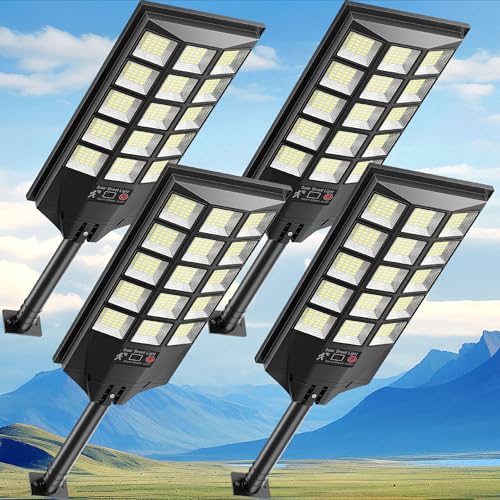
Azeivk Solar Lights Outdoor for Outside, Waterproof Solar Street Lights Outdoor, 6500K Dusk to Dawn Security Flood Lights Motion Sensor with Remote Control for Yard, 4 Pack
Extremely Bright Solar Lights Outdoor: Solar street lights outdoor use 300 high-efficiency lamp beads with a long lifespan…
As an affiliate, we earn on qualifying purchases.
As an affiliate, we earn on qualifying purchases.