Using the wrong water storage container can quickly ruin your supply by causing contamination, mold, or chemical leaching. Avoid containers made from non-food-grade plastics or those not properly labeled for potable water. Poor material choice, combined with neglecting regular cleaning and inspection, increases the risk of bacteria, algae, or rust. To keep your water safe and clean, you need to choose the right container, maintain it properly, and be aware of environmental factors. If you want to safeguard your water, there’s more to learn.
Key Takeaways
- Using non-food-grade or damaged containers can leach chemicals and cause contamination, ruining your water supply.
- Failing to properly seal and ventilate containers allows contaminants and microbial growth, compromising water quality.
- Neglecting regular cleaning and inspection leads to mold, algae, and sediment buildup that ruin stored water.
- Choosing unsuitable materials like recycled plastics or uncoated steel increases corrosion and leaching risks.
- Storing water in poorly placed or exposed containers accelerates deterioration and contamination, jeopardizing your supply.

Saratoga Farms 5-Gallon Stackable Water Storage Containers, Emergency Water Storage for Camping and Disaster Preparedness, 20 Gallons
PORTABLE, STACKABLE WATER CONTAINERS: These 5-gallon water containers are designed with flat bottoms and tops that nestle together…
As an affiliate, we earn on qualifying purchases.
As an affiliate, we earn on qualifying purchases.
Why Using the Wrong Water Storage Container Can Ruin Your Water Supply
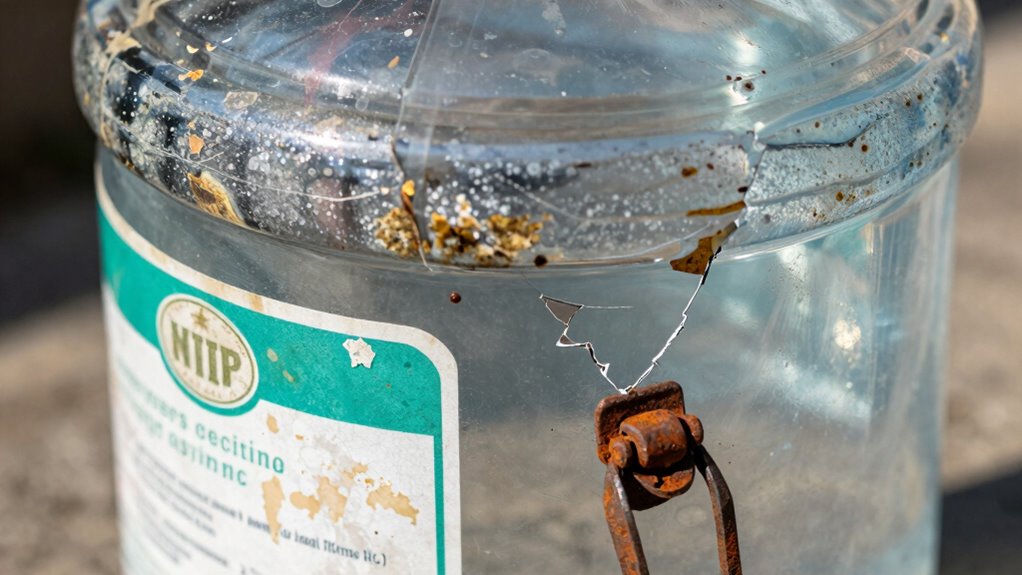
Using the wrong water storage container can quickly compromise your water supply, even if the water itself is clean. Poor choices can lead to contamination, mold, or chemical leaching, making your water unsafe to drink. It also hampers water conservation efforts because you may need to replace contaminated water or start over. Proper container labeling is essential—clear labels help you identify stored water and prevent mix-ups. If you store different types of water, like drinking water and non-potable water, labeling keeps everything organized and safe. Choosing the wrong container can cause unnecessary waste and health risks. Always select containers designed for water storage, as proper gear care can significantly prolong the life of your containers and maintain their integrity. Additionally, understanding early detection signs can be vital for identifying potential issues in your stored water. The right measurement tools can help ensure that the water quality remains consistent and safe for use. Always select containers designed for water storage, label them properly, and prioritize safe, effective storage to protect your water supply. Additionally, accessibility features can enhance your organization and safety measures, ensuring that everyone in your household understands the labeling system. Ensuring that containers are made from safe materials can further protect your water quality.
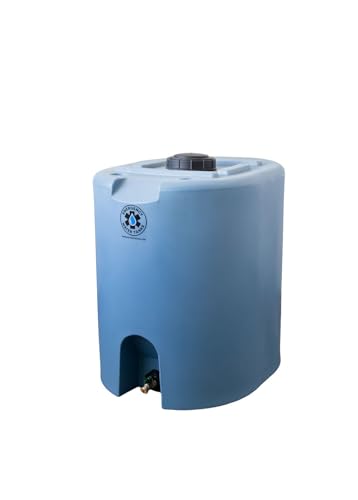
55 Gallon Stackable Emergency Water Storage Tank for Long-Term Drinking Water Heavy-Duty Water Barrel
LARGE-CAPACITY WATER STORAGE (55 GALLONS): Store enough emergency drinking water for a family of four for up to…
As an affiliate, we earn on qualifying purchases.
As an affiliate, we earn on qualifying purchases.
How to Choose the Right Material for Your Water Storage Tank
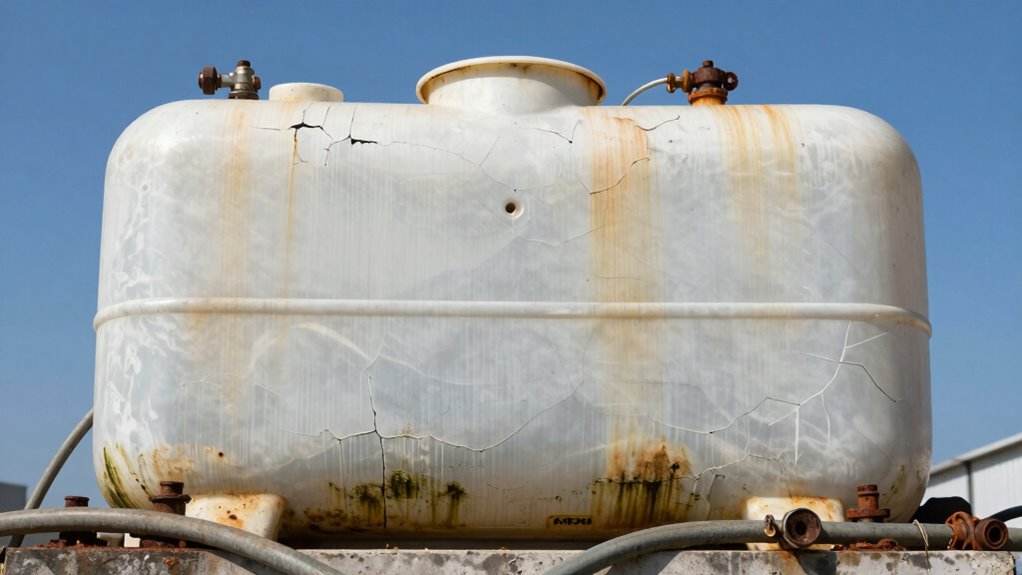
Choosing the right material for your water storage tank is essential to guarantee your water stays safe and clean. The material impacts water quality by preventing contamination and chemical leaching. For example, food-grade plastics like polyethylene are popular because they resist corrosion, support container durability, and don’t affect water taste. Steel tanks are durable and long-lasting, but they can corrode if not properly coated, risking water quality. Proper maintenance of these systems can significantly extend their lifespan and preserve water purity. Concrete tanks offer strength and stability but may require maintenance to prevent seepage. Consider your environment and storage needs when selecting material. A durable, non-reactive material guarantees your water remains uncontaminated over time, reducing the risk of spoilage. Additionally, ensure that your tank is placed in a safe location to avoid potential hazards, safeguarding your water supply and ensuring it stays clean and safe for use.

HOANK 55-Gallon Water Storage Barrel, BPA Free, Emergency Water Supply – Eco Friendly – Made in USA (Blue)
𝟓𝟓-𝐆𝐚𝐥𝐥𝐨𝐧 𝐈𝐧𝐝𝐮𝐬𝐭𝐫𝐢𝐚𝐥 𝐂𝐚𝐩𝐚𝐜𝐢𝐭𝐲: This heavy-duty plastic drum offers a spacious 55-gallon capacity, ideal for industrial, laboratory, or commercial…
As an affiliate, we earn on qualifying purchases.
As an affiliate, we earn on qualifying purchases.
Common Mistakes When Selecting Water Storage Containers
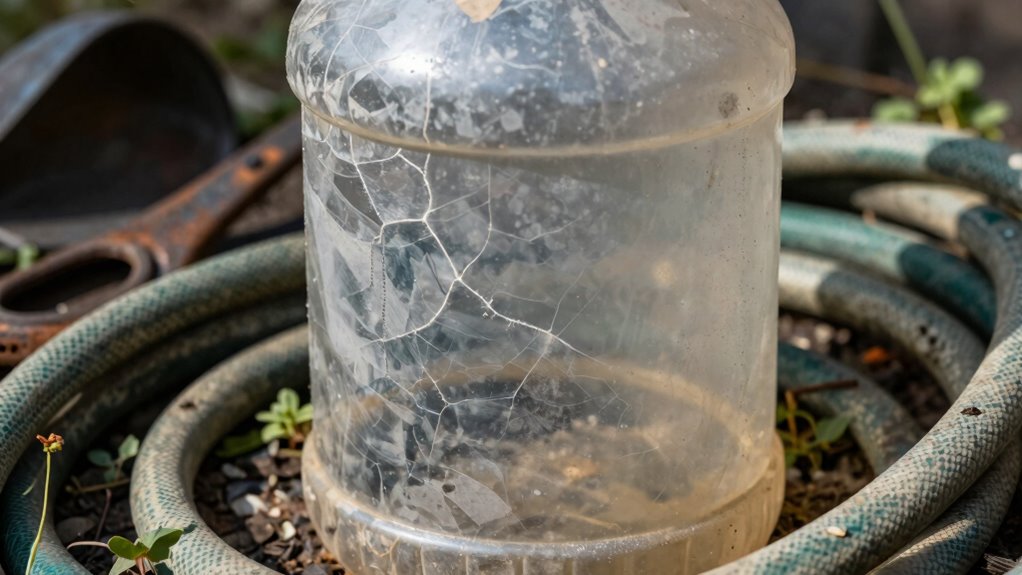
One common mistake people make when selecting water storage containers is overlooking the importance of material compatibility with stored water. Ignoring water container labels can lead to choosing containers made from materials that degrade or leach harmful chemicals over time. You need to prioritize material durability to guarantee your water remains safe and uncontaminated. Weak or incompatible materials may crack, warp, or break, risking contamination and leaks. Always check the labels to confirm the container is designed for water storage and made from food-grade, non-toxic materials. Choosing a container with durable material ensures longevity and safety, preventing costly replacements and potential health hazards. Avoid shortcuts by carefully evaluating both the label information and material strength before making your selection. Additionally, just as music therapy can enhance emotional well-being, ensuring your water is stored safely contributes to a healthy lifestyle. This is especially critical because the right containers can help maintain water quality, similar to how electric dirt bikes provide efficient power for off-road enthusiasts. Furthermore, understanding water safety guidelines is essential to ensure your family stays hydrated without health risks. In this way, understanding financial planning can also ensure you have the resources to invest in high-quality storage solutions. Always consider material durability to prevent leaks and maintain water quality in your storage practices.

Syntic 1 Pack 16 Oz Glass Milk Storage Bottle with Airtight Lid & Pour Spouts, Milk Storage Containers for Fridge with Clear Scales – Milk Collection Bottles with Blue Protective Case
Patented Silicone Pour Spout: Food-grade silicone pour spout guides smooth pouring, avoiding spills and waste—ensuring every precious drop…
As an affiliate, we earn on qualifying purchases.
As an affiliate, we earn on qualifying purchases.
Signs Your Water Storage Is Contaminated or Compromised
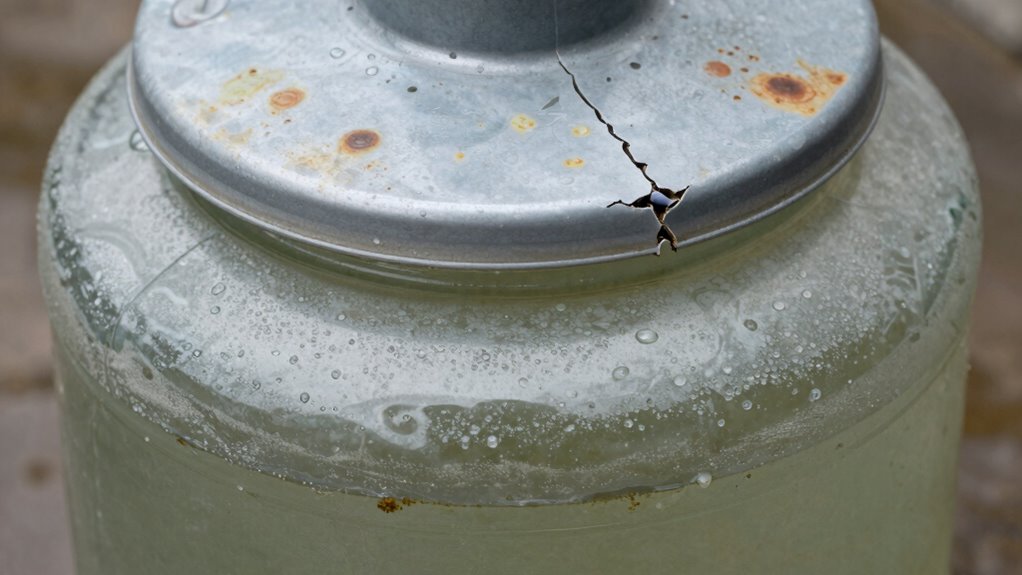
You should be alert to signs that your water might be contaminated or compromised. If it develops an unusual odor, shows visible mold, or appears discolored, it’s time to take action. Recognizing these signs early can help you prevent health risks and guarantee your water stays safe to use. Additionally, ensuring your storage containers are properly maintained is essential for preventing contamination. Regularly checking for support networks can also provide valuable resources for addressing any potential issues with your water supply. Furthermore, understanding ethical consumer practices can guide you in choosing safe and reliable products for water storage. Maintaining color accuracy in your storage containers can also help ensure the integrity of your water supply. Keeping your containers in a low humidity environment can further reduce the risk of microbial growth and contamination.
Unusual Water Odor
Sure! Here’s your revised content with the requested addition:
—
Have you noticed an unusual odor coming from your stored water? This is a clear sign your water might be contaminated or compromised. An off-putting smell could indicate bacterial growth or chemical reactions inside the container. To prevent this, verify proper water purification before storage and regularly check your container labeling to confirm the water’s freshness and age. If the odor persists, it’s a sign you should replace the water and clean the storage container thoroughly. Using appropriate water purification methods, like boiling or chemical treatments, helps eliminate potential contaminants. Additionally, ensuring proper indoor air quality in your storage area can also help mitigate any unwanted odors. Managing heat buildup during storage can further enhance the safety of your water supply. Proper labeling also helps you keep track of when the water was stored, so you know when it’s time to refresh your supply. Incorporating advanced filtration systems into your storage setup can provide an additional layer of protection against contaminants. It’s important to choose containers made from safe materials to prevent leaching harmful substances into your water. Addressing unusual odors promptly keeps your water safe and your supply reliable. Additionally, understanding digital concepts can enhance your approach to researching and managing your water storage techniques.
—
Let me know if you need any further modifications!
Visible Mold Growth
Visible Mold Growth (Signs Your Water Storage Is Contaminated or Compromised)
Visible mold growth on your water storage containers is a clear warning sign that your water may be contaminated. Mold can develop quickly if conditions are favorable, especially if container materials aren’t resistant to moisture or are improperly cleaned. Mold prevention starts with choosing the right containers—stainless steel or food-grade plastic are best options, as they help maintain optimal water quality. Regular cleaning and proper sealing are essential to avoid mold buildup. It’s also important to ensure proper airflow around the unit to deter dampness. Neglecting this can lead to health risks and compromised water quality. Stay vigilant by inspecting your containers frequently and replacing those made from porous or damaged materials. Preventing mold ensures your stored water remains safe and potable. Additionally, fostering a positive environment can further enhance your ability to maintain clean and safe water supplies.
Discolored Water Appearance
Ever wonder what discolored water might be revealing about your storage system? It’s a clear sign that your water quality has been compromised. Discolored water can indicate bacterial growth, rust, or chemical contamination, all of which threaten your safety. It also points to potential issues with container durability, as older or damaged containers may leach materials into the water. Use this table to understand common discolorations:
| Color | Possible Cause | Action Needed |
|---|---|---|
| Brown/Red | Rust or iron contamination | Replace container, clean |
| Green/Yellow | Algae or bacterial growth | Disinfect, sanitize |
| Cloudy/Milky | Sediment or chemical imbalance | Filter or replace water |
Recognizing these signs helps you maintain clean, safe water and avoid further contamination.
Environmental Factors That Damage Your Water Storage Containers
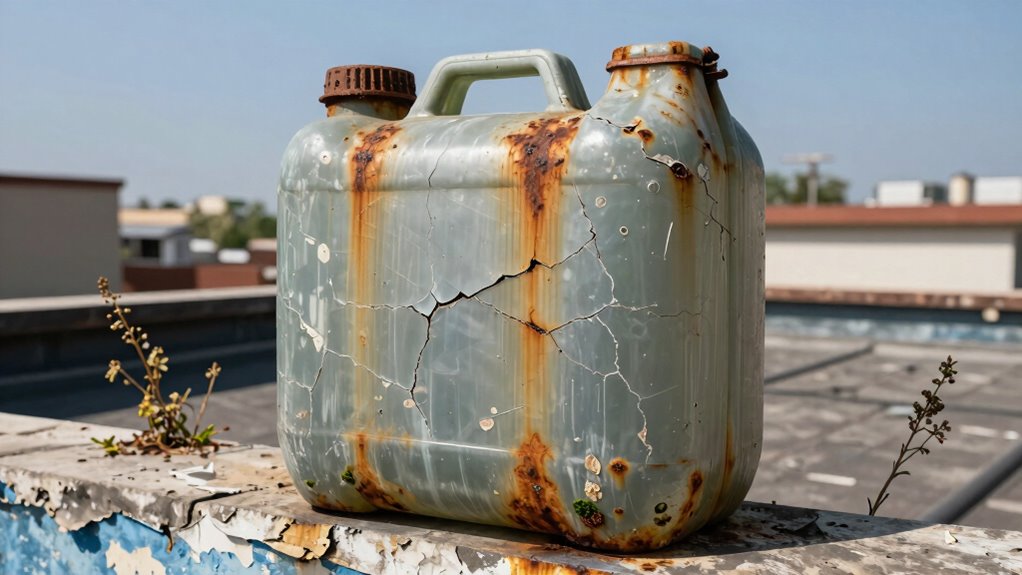
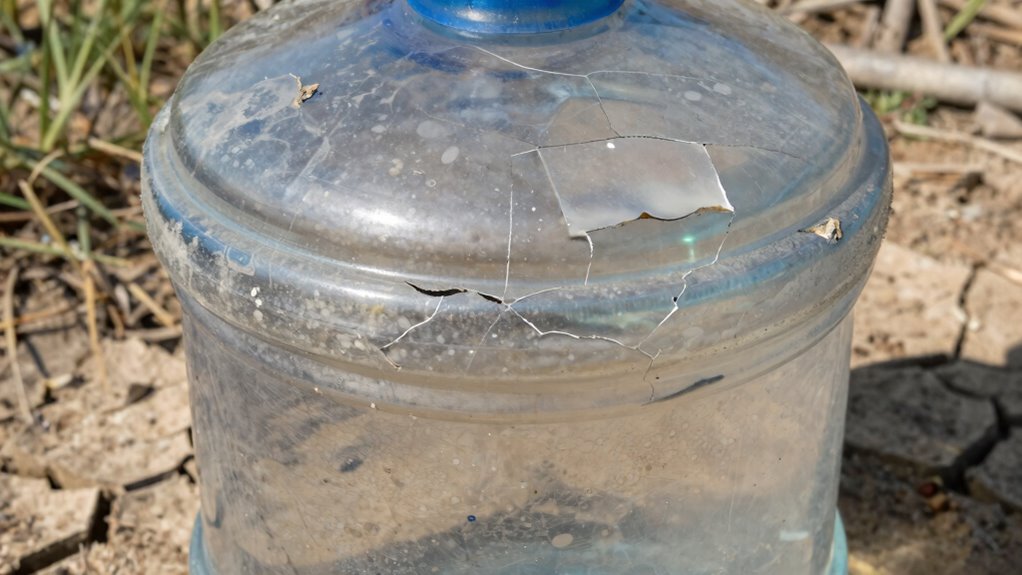
Environmental factors can substantially compromise the integrity of your water storage containers if you’re not careful. Sun exposure, temperature fluctuations, and debris can cause wear and damage over time. For example, rainwater harvesting systems may introduce dirt or organic material, stressing your container’s durability. UV rays can degrade plastic, leading to cracks. Extreme heat causes expansion, while freezing temperatures can cause cracking if water freezes inside. Additionally, pollutants and insects can contaminate your water supply. To minimize damage, consider these points:
- Shade containers to reduce UV exposure
- Use proper water filtration to prevent debris buildup
- Avoid placing containers in direct sunlight
- Regularly inspect for cracks or leaks
- Protect containers from extreme temperature swings
Being mindful of these environmental factors helps prolong your container’s lifespan and keeps your water safe.
The Importance of Proper Sealing and Ventilation in Water Tanks
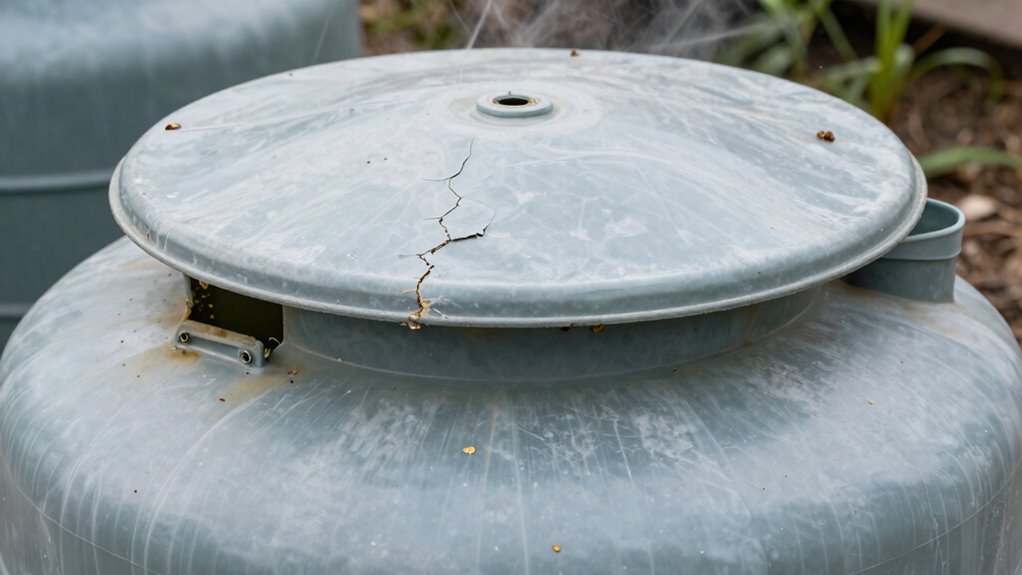
Proper sealing and ventilation are essential for maintaining the quality and safety of your water in storage tanks. When your tank isn’t sealed right, contaminants can enter, risking water safety. Proper ventilation helps regulate water temperature, preventing mold or algae growth that can ruin your supply. A well-sealed, ventilated tank preserves container aesthetics, keeping it looking clean and trustworthy. Without this, unpleasant odors or discoloration can develop, making your water less appealing and unsafe.
| Sealed Tank | Ventilated Tank |
|---|---|
| Keeps contaminants out | Prevents stale air buildup |
| Maintains water purity | Regulates water temperature |
| Preserves container aesthetics | Avoids mold and algae growth |
| Reduces odor issues | Supports water safety |
| Extends tank lifespan | Keeps water fresh and clean |
Maintenance Tips to Keep Your Water Safe and Clean
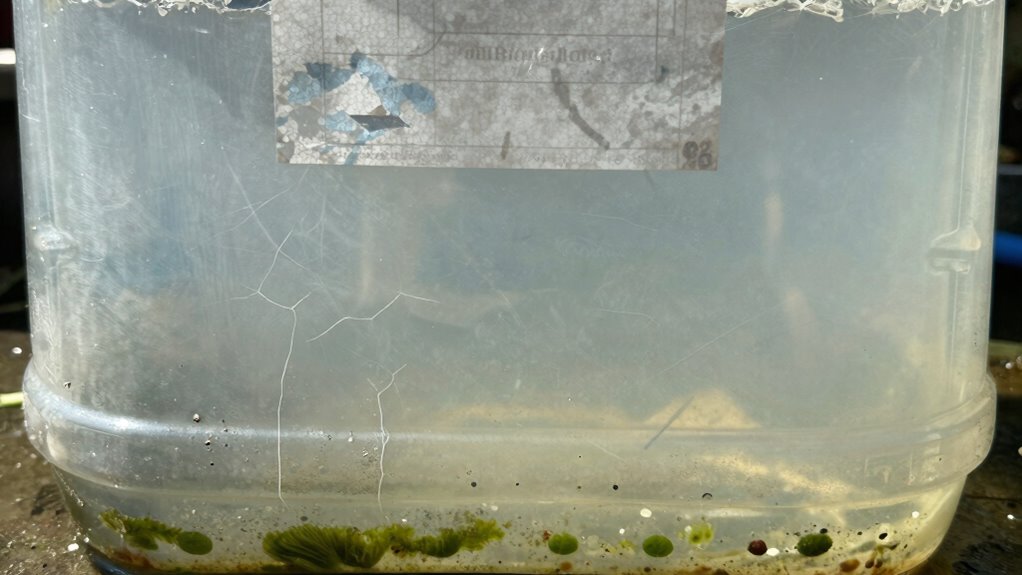
To keep your water safe and clean, you should regularly clean your storage containers to prevent bacteria buildup. Make certain your containers are stored in a cool, shaded place away from direct sunlight and contaminants. Proper maintenance will help ensure your water stays fresh and safe for use.
Regular Cleaning Practices
Have you ever wondered how often you should clean your water storage container to guarantee the water stays safe? Regular cleaning is essential for maintaining water quality and ensuring your container’s durability. Neglecting this can lead to bacteria buildup, mold, and unpleasant odors. To keep your supply safe, clean your container at least once every three months. When cleaning:
- Use a mild brush to scrub all surfaces thoroughly
- Rinse with clean water to remove residue
- Sanitize with a solution of bleach and water, then rinse well
- Dry completely before refilling
- Inspect for cracks or damage that could harbor dirt or bacteria
Consistent cleaning not only preserves water quality but also prolongs your container’s lifespan, preventing costly replacements and ensuring safe, fresh water whenever you need it.
Proper Storage Conditions
Are you aware that storing your water in the right conditions is essential for maintaining its safety and freshness? To ensure good water quality, keep containers in a cool, dark place away from direct sunlight, which can promote algae growth and degrade container durability. Avoid storing water near chemicals or strong odors, as these can contaminate your supply. Make sure your storage area is clean and well-ventilated to prevent mold and bacteria buildup. Proper storage conditions also mean keeping containers sealed tightly to prevent insects and debris from entering. Regularly check your containers for cracks or damage, replacing them if needed. By maintaining these conditions, you preserve water quality and extend the lifespan of your containers, ensuring safe, clean water whenever you need it.
How to Properly Clean and Sanitize Your Water Storage Container
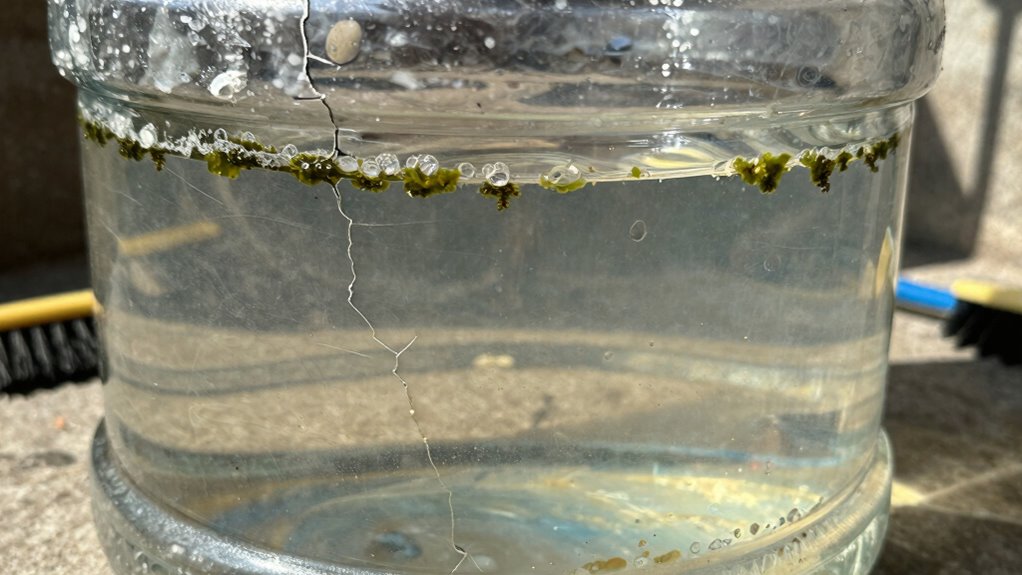
Cleaning and sanitizing your water storage container is essential to keep your water safe and free from harmful bacteria. Start by emptying the container and rinsing it with clean water. Use a designated brush to scrub all surfaces, paying attention to corners and lids. For effective water purification, add a solution of water and unscented bleach (1 teaspoon per gallon), then let it sit for 30 minutes before rinsing thoroughly. Always label your container clearly with the date of cleaning to track freshness. Remember, proper cleaning prevents bacteria buildup and guarantees safe drinking water.
- Use food-grade cleaning agents only
- Rinse thoroughly to remove residue
- Allow containers to air dry completely
- Regularly inspect for mold or odors
- Keep containers labeled and stored in a cool, dry place
Choosing the Best Water Storage Container for Your Needs
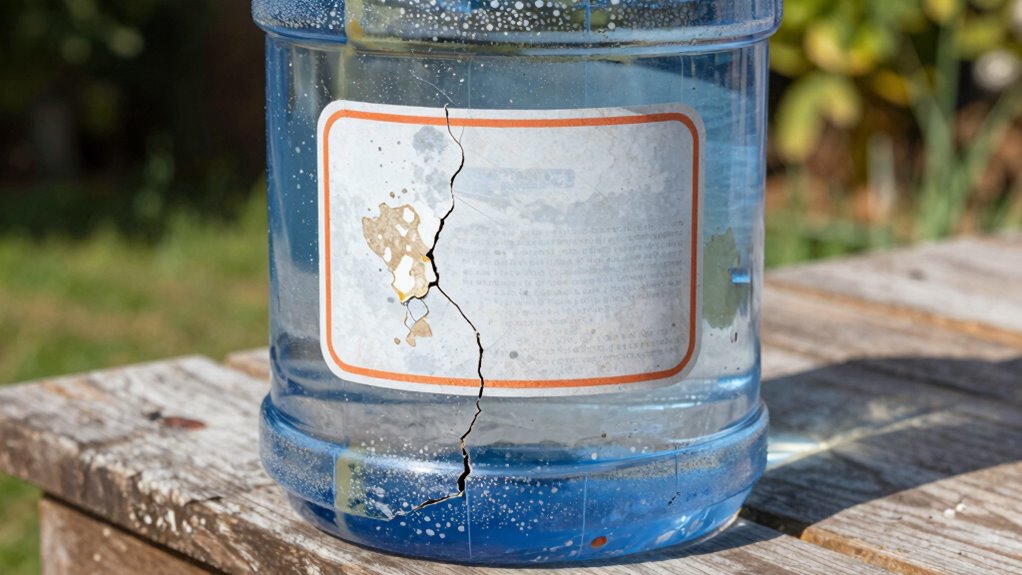
When selecting a water storage container, you need to ensure material safety and compatibility to prevent contamination. Think about the size and portability to take into account it fits your space and transportation needs. Making the right choice helps you store water safely and conveniently for your specific situation.
Material Compatibility and Safety
Choosing the right material for your water storage container is essential to guarantee safety and water quality. You need to take into account material compatibility and verify it meets safety standards to prevent contamination or chemical leaching. Some plastics, for example, may not be suitable for drinking water and could pose health risks. Always check that your container complies with safety standards for potable water, preventing harmful substances from leaching into your supply.
- Use food-grade materials approved for water storage
- Avoid containers made from recycled plastics that may contain unknown contaminants
- Ensure the material resists UV rays and temperature fluctuations
- Confirm compatibility with your water treatment methods
- Regularly inspect containers for cracks or deterioration to maintain safety standards
Size and Portability Options
Selecting the right size and portability options for your water storage container depends on your specific needs and space constraints. Container dimensions are essential; choose a size that fits comfortably in your storage area without wasting space or becoming cumbersome. Smaller containers are easier to move and store, making them ideal for limited spaces or portable use. Larger containers hold more water but can be heavy and difficult to relocate, so consider your ability to handle weight. Pay attention to portability features like handles, wheels, and ergonomic designs to make transportation easier. Your decision should balance capacity with ease of movement, ensuring you can access and refill your supply conveniently. Proper sizing and portability features help maintain your water storage system’s efficiency and usability over time.
Extending the Lifespan of Your Water Storage and Ensuring Water Safety
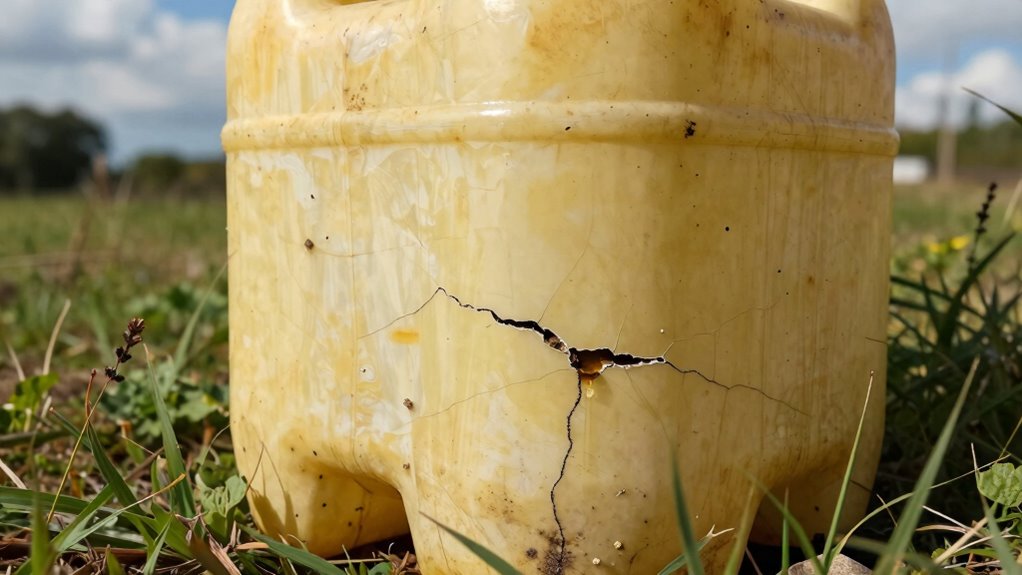
To extend the lifespan of your water storage and keep the water safe to drink, regular maintenance is essential. Proper upkeep prevents bacterial growth and keeps water fresh. Focus on cleaning containers thoroughly and replacing water periodically. Use clear, accurate container labeling to avoid confusion and guarantee you’re monitoring water age. Incorporate water conservation by avoiding unnecessary refills and minimizing contamination risks. Keep containers in a cool, dark place to prevent algae growth and deterioration. Regularly inspect for cracks or leaks that could compromise water quality. Proper labeling helps track usage and expiry dates, ensuring safety. By maintaining your storage and practicing good habits, you prolong its usability, safeguard your water supply, and reduce waste.
Frequently Asked Questions
Can Recycled or Repurposed Containers Be Safe for Water Storage?
Recycled or repurposed containers can be safe for water storage if you consider container materials and follow recycling guidelines. Make certain the container is made from food-grade materials, free of previous chemical residues, and properly cleaned. Avoid containers that held non-food substances. Always check recycling guidelines to confirm if the container is suitable for water storage. Proper preparation and choosing the right materials keep your water supply safe and clean.
How Often Should I Rotate or Replace Stored Water?
You should rotate your stored water every six months to guarantee water cleanliness and container longevity. Think of your water supply like a garden; without regular attention, it can become overgrown or stagnant. I once neglected my water storage, and after a year, it smelled off and was unsafe. Regular rotation prevents bacteria buildup, keeps your supply fresh, and extends the life of your containers, so you’re always ready in emergencies.
Are There Specific Labels or Markings to Look for on Containers?
You should look for clear container labeling and markings to guarantee safe water storage. Check for labels indicating the container is food-grade or BPA-free, which means it’s safe for holding water. Markings to check include date labels or symbols that show the container’s intended use. Avoid containers with faded or unclear labels, as they might not be suitable for long-term storage and could compromise your water supply.
What Are the Health Risks of Using Improper Water Containers?
Using improper water containers can turn your supply into a health hazard—think of it as inviting trouble to your doorstep. If you choose containers made from inappropriate materials, especially those with BPA concerns, you risk leaching harmful chemicals into your water. These toxins can cause hormonal disruptions, health issues, and long-term damage. Always opt for food-grade, BPA-free containers to safeguard your health and guarantee your water stays safe.
How Do Climate Changes Affect Water Storage Container Durability?
Climate changes accelerate container degradation, making your water storage less reliable over time. As temperatures fluctuate and humidity increases, your containers may weaken or crack, compromising water quality. To adapt, you should choose climate-resistant materials and regularly inspect your containers for signs of wear. Effective climate adaptation helps prolong container lifespan, ensuring your water supply remains safe and intact despite changing environmental conditions.
Conclusion
Choosing the right water storage container is vital—you’ll want durable, safe, and appropriate materials to keep your water clean. Did you know that using the wrong container can lead to contamination within just weeks? Regular maintenance and proper cleaning can extend your container’s lifespan and guarantee safe drinking water. Take the time to select wisely and stay vigilant—your health and hydration depend on it. Proper storage isn’t just smart; it’s indispensable for long-term water safety.