
TL;DR

Get backup power and energy gear delivered free with Prime
- Fast, free delivery on millions of items
- Prime Video, Amazon Music and more included
- Member-only deals all year
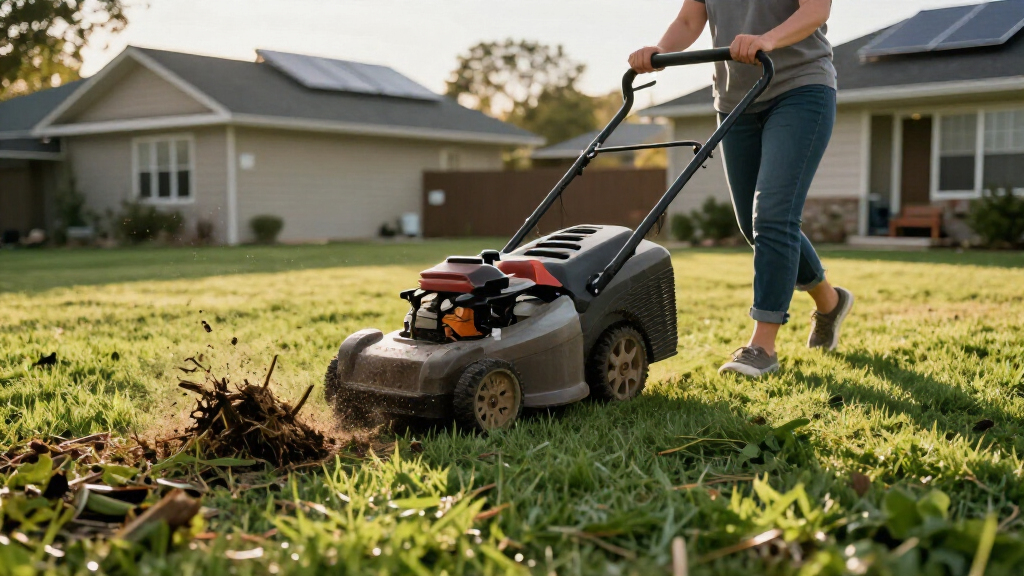
A Hunker report identifies mowing tall or wet grass as a major limitation of mulching mowers. Under those conditions, clippings can clump beneath the mower deck or on the lawn, potentially reducing mower performance and blocking light and airflow to turf.
Mulching mowers can struggle with wet or overgrown grass, according to a Hunker report, which identifies those conditions as a major drawback of the equipment. Clippings may collect on mower blades or beneath the deck, reducing cutting efficiency and leaving clumps that can block light and airflow to the lawn.
The report says mulching mowers cut grass into small pieces that can fall back into the turf and decompose. But that process depends on the mower being able to cut and distribute clippings effectively. As a rule of thumb cited from Illinois Extension, a mulching mower may not perform well when a cut would remove more than one-third of the grass height.
Wet grass presents a separate problem. Moisture can make clippings stick together on the mower’s curved blades, which are designed to keep grass circulating for repeated cuts. Clumps can also gather under the deck, interfere with airflow and make the mower work harder. Hunker says the extra strain may reduce efficiency and could damage equipment; repeated shutdowns or a mower that will not start may be related to grass buildup.
Clippings left in thick, wet piles on the lawn can block sunlight and airflow from the turf beneath them. The source cautions that mower size and design affect the size and distribution of clippings, so using a mulching mower does not by itself guarantee a healthy lawn.
When Clippings Become a Problem
The limitation matters because mulching is intended to return finely cut grass to the lawn, but the result depends on suitable mowing conditions. When grass is too tall or wet, clippings may not break down or disperse as intended. Instead, they can collect on the equipment or remain in dense patches across the turf.
For homeowners, that can mean a less even cut, additional cleanup and possible stress on the mower. Persistent piles can also deprive the grass underneath of light and airflow. Hunker lists wilting, soil compaction and yellow or brown spots as signs to watch for, while noting that these symptoms can also point to other lawn problems.
Products Worth Considering

Shark Clean & Empty Cordless Stick Vacuum with Auto-Empty System, BU3521

LEVOIT Vital 200S-P Smart Air Purifier for Large Rooms

Sonos Era 100 SL Compact Microphone-Free Speaker – Black
As an affiliate, we earn on qualifying purchases.
How Mulching Mowers Cut Grass
Unlike a conventional mower that may discharge or collect clippings, a mulching mower is designed to cut grass into smaller pieces and return them to the turf. Some homeowners use a dedicated mulching mower; others add a mulching kit to a side-discharge mower. Hunker says the same limitations around wet or overgrown grass apply to both setups.
The report cites Illinois Extension for the one-third guideline and notes that clipping size and distribution vary with mower design. That means conditions and equipment both affect the outcome; the source does not present mulching as a guaranteed way to improve lawn health.
“A mulching mower will not perform well if you need to remove more than one-third of the height of your grass.”
— Illinois Extension, as cited by Hunker
What Lawn Symptoms Can Indicate
The report does not quantify how often wet or tall grass causes mower damage, nor does it specify how long clippings must remain piled before turf is harmed. It also does not compare particular mower models or set a precise moisture threshold for safe mulching.
Wilting, compaction and discolored patches are not proof that mulching caused a problem. Hunker says they may also point to underlying issues such as poor soil aeration or nutrient deficiencies. The source provides no diagnostic method for distinguishing those causes from damage linked to clippings.
Adjusting the Cut to Conditions
The practical guidance in the report is to follow a regular mowing schedule and avoid mulching when the lawn is wet or so tall that the cut would remove more than one-third of the grass height. If a lawn has become overgrown, the one-third guideline indicates that cutting it down in stages may be more appropriate than removing too much at once. The source does not prescribe a specific interval between those cuts.
After mowing, homeowners can check whether clippings have collected beneath the deck or formed thick patches on the lawn, and look for changes such as yellow or brown spots. If symptoms continue despite suitable mowing conditions, the report suggests that soil aeration or nutrient issues may need attention. It does not identify a specific treatment or recommend a particular mower.
Key Questions
What is the main drawback of a mulching mower?
According to Hunker, wet or overgrown grass can prevent a mulching mower from cutting and distributing clippings effectively. Clumps may build up on the mower or remain on the lawn.
How much grass should a mulching mower cut at once?
Hunker cites Illinois Extension’s rule of thumb that a mulching mower may not perform well when a cut removes more than one-third of the grass height.
Why is wet grass a problem for mulching?
Moisture can cause clippings to stick together on the blades or collect under the mower deck. That buildup can reduce airflow, make cutting less efficient and leave dense patches on the lawn.
Can clumps of clippings harm the lawn?
Thick clumps can block sunlight and airflow from the grass underneath. Hunker lists wilting and yellow or brown spots as symptoms to watch for, but says these signs may also have other causes.
Does a mulching mower always improve lawn health?
No. The report says clipping distribution varies by mower size and design, and that using a mulching mower does not automatically produce a healthy lawn. Grass condition and mowing conditions also matter.
Source: hunker.com