
Designing a whole-home energy management system involves selecting smart hardware like meters, sensors, and storage units to monitor and control your energy use effectively. You’ll want to integrate with the smart grid for real-time responsiveness and participate in demand response programs. Properly sizing storage solutions and ensuring system scalability help maximize savings and resilience. If you continue exploring, you’ll discover how to optimize your home’s energy for efficiency, cost savings, and future upgrades.
Key Takeaways
- Assess home energy needs and identify the optimal hardware components for real-time data monitoring and automation.
- Integrate energy storage solutions like batteries to balance supply, demand, and provide backup during outages.
- Design for scalability to accommodate additional renewable sources, smart appliances, and future system upgrades.
- Establish seamless communication with the smart grid for demand response participation and grid stability support.
- Prioritize energy efficiency, cost savings, and environmental impact by automating energy optimization strategies.

A Whole-Home Energy Management System (HEMS) is designed to give you control over your home’s energy use, optimizing efficiency and reducing costs. When you integrate a HEMS with a smart grid, you open a dynamic connection that allows your home to communicate seamlessly with the broader energy network. This interaction enables your system to respond to real-time grid conditions, shifting your energy consumption to times when electricity is cheaper or cleaner. By doing so, you not only save money but also contribute to a more sustainable energy ecosystem. A key component of this setup is energy storage, which acts as a buffer between your home and the grid. With reliable energy storage, you can store excess solar power or off-peak electricity for use during high-demand periods, guaranteeing you’re never left in the dark or forced to buy expensive energy when prices spike. This setup provides you with greater independence and resilience, especially during grid outages or extreme weather events.
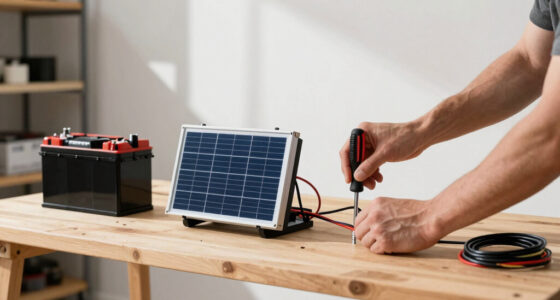
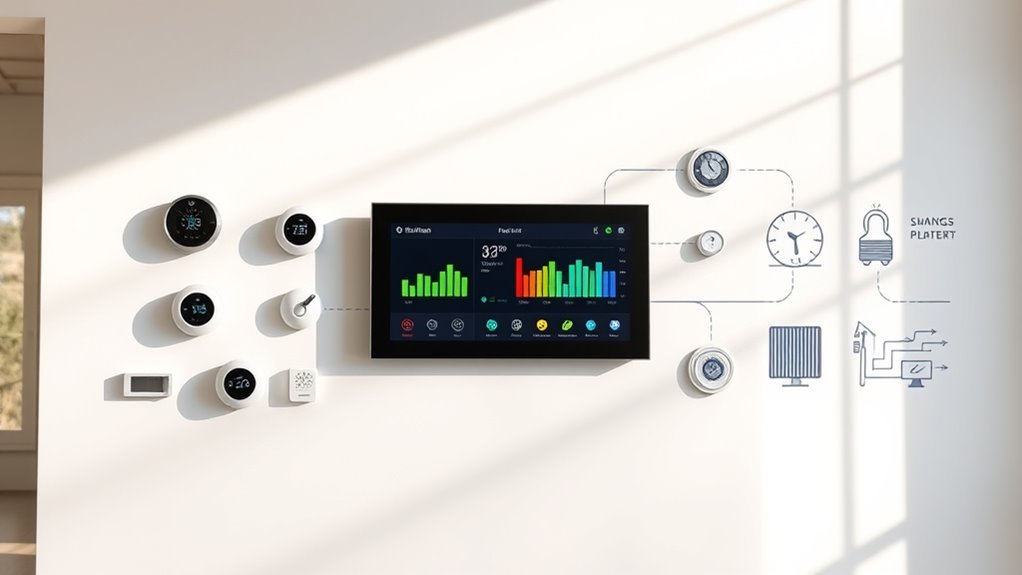
Designing an effective HEMS begins with selecting the right hardware, including smart meters, sensors, and communication modules that facilitate real-time data collection and control. These devices enable your system to monitor energy consumption at granular levels, identify inefficiencies, and automate adjustments without your constant input. When connected to a smart grid, your system can automatically respond to signals from utilities, such as demand response requests or grid stability commands, helping balance supply and demand. Incorporating energy storage into your design amplifies these benefits, giving you the ability to store surplus energy generated by solar panels or wind turbines. This stored energy can be dispatched during peak hours to reduce reliance on grid power, saving you money and easing pressure on the local grid. Properly sizing your energy storage is vital; too small, and you’ll miss out on potential savings, too large, and you risk unnecessary costs. Your choice of storage technology—be it batteries, thermal storage, or other options—depends on your energy needs and budget. Smart grid integration also enables your home to participate in demand response programs, which can provide additional financial incentives.
To maximize your HEMS’s performance, guarantee your system is scalable and adaptable to future upgrades, such as adding more renewable sources or smart appliances. This flexibility allows your home to evolve with advances in energy technology and your personal needs. Overall, a well-designed HEMS leverages smart grid integration and energy storage to create a smarter, more efficient home. It empowers you to optimize energy use, reduce costs, and minimize your environmental footprint—all while providing peace of mind that your home is resilient and ready for the future of energy.
Frequently Asked Questions
How Much Does a Whole-Home Energy Management System Typically Cost?
A whole-home energy management system typically costs between $1,500 and $3,500. Your cost estimate depends on pricing factors like system complexity, the number of devices integrated, and installation requirements. You might also consider ongoing expenses such as maintenance or upgrades. To get an accurate idea, compare different providers and their offerings, ensuring the system meets your home’s specific energy needs and budget constraints.
Can I Install a System Myself, or Is Professional Help Necessary?
Installing a whole-home energy management system is like assembling a complex puzzle—you might be tempted to do a DIY installation, but professional integration often guarantees everything fits perfectly and functions safely. While some tech-savvy homeowners can handle basic setup, expert help is recommended for wiring, system compatibility, and safety. Trusting professionals guarantees your system works efficiently and minimizes risks, making your energy savings smoother and more reliable.
How Does the System Prioritize Energy Savings Versus Comfort?
You control how your system balances energy optimization and user comfort by setting preferences and priorities. It intelligently adjusts settings, like temperature or lighting, to save energy without sacrificing comfort. The system monitors usage patterns and adapts accordingly, ensuring you get the most efficient performance. By customizing these parameters, you achieve an ideal balance between conserving energy and maintaining a comfortable home environment.
What Maintenance Is Required to Keep the System Running Efficiently?
You should regularly perform system component checks and install software updates to keep your energy management system running effectively. Investigating the theory that proactive maintenance prevents costly repairs proves true—routine inspections identify issues early. Keep sensors clean, verify connections, and update software to guarantee peak performance. These straightforward steps help your system operate smoothly, saving energy and extending its lifespan, so stay attentive to maintenance needs.
Are There Any Insurance or Warranty Considerations for Such Systems?
You should check your insurance coverage and warranty policies for your whole-home energy management system. Make sure the system is included in your homeowner’s insurance or consider adding specialized coverage if needed. Review warranty policies to understand what repairs or replacements are covered and for how long. This way, you safeguard your investment and ensure prompt support if the system encounters issues or needs maintenance.
Conclusion
By embracing a whole-home energy management system, you set the stage for a smoother, more harmonious living environment. While the journey might seem intricate at first, each small step guides you toward a brighter, more efficient future. Remember, sometimes the quietest changes whisper the loudest impact. With patience and persistence, you’ll find that balance and sustainability naturally become part of your everyday life, quietly shaping a better tomorrow.