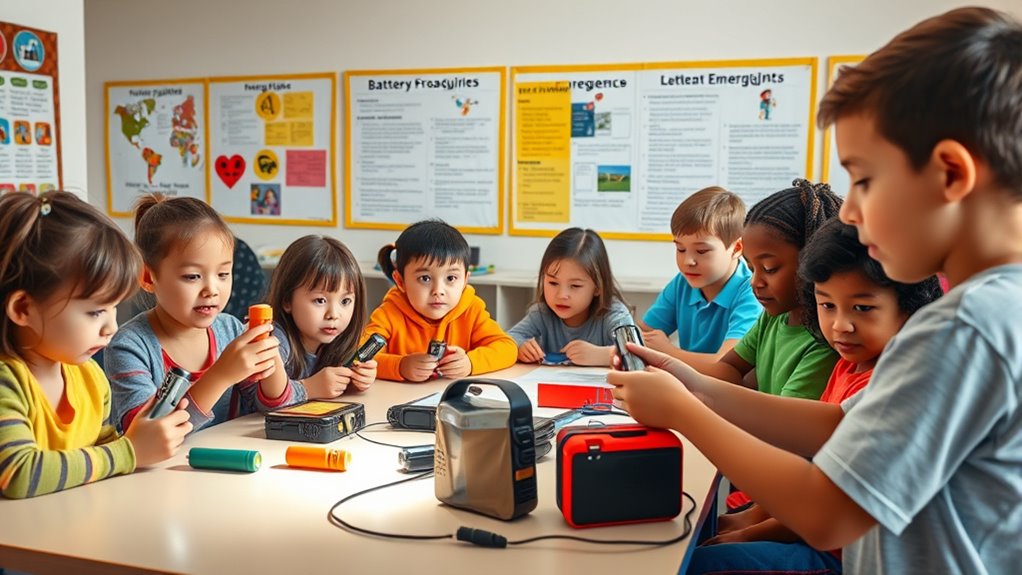

To prepare your kids for power outages, involve them in creating an emergency kit with essentials like water, snacks, and flashlights, and teach them how to use these safely. Practice safety drills together to help them feel confident and reduce fear. Keep routines simple and comforting, like reading or quiet games, and teach them to stay calm and follow safety plans. Keep exploring, and you’ll discover more ways to empower your family during outages.

Get backup power and energy gear delivered free with Prime
- Fast, free delivery on millions of items
- Prime Video, Amazon Music and more included
- Member-only deals all year
Key Takeaways
- Involve children in assembling emergency kits to boost confidence and understanding of essential supplies.
- Conduct safety drills, teaching kids how to respond calmly during power outages.
- Educate children about the causes of outages and reassure them that their home is prepared and safe.
- Practice using flashlights and reading in the dark to help children feel comfortable during outages.
- Establish routines and activities to keep children engaged and reduce anxiety during power disruptions.
Preparing kids for an emergency power outage is essential to keep them safe and calm when the lights go out. When the power fails unexpectedly, it can be frightening for children, especially if they don’t understand what’s happening. That’s why teaching them about home safety and having an emergency kit ready are vital steps in their preparedness. Start by explaining in simple terms why power outages happen and reassure them that it’s a temporary situation. You want to foster a sense of security so they don’t panic when the lights flicker off. Show them that your home is prepared with safety measures, like flashlights, batteries, and a well-stocked emergency kit. This kit should contain essentials such as water, non-perishable snacks, a first aid kit, and any necessary medications. Involving your kids in assembling the emergency kit can make them feel empowered and more prepared to handle the situation calmly.
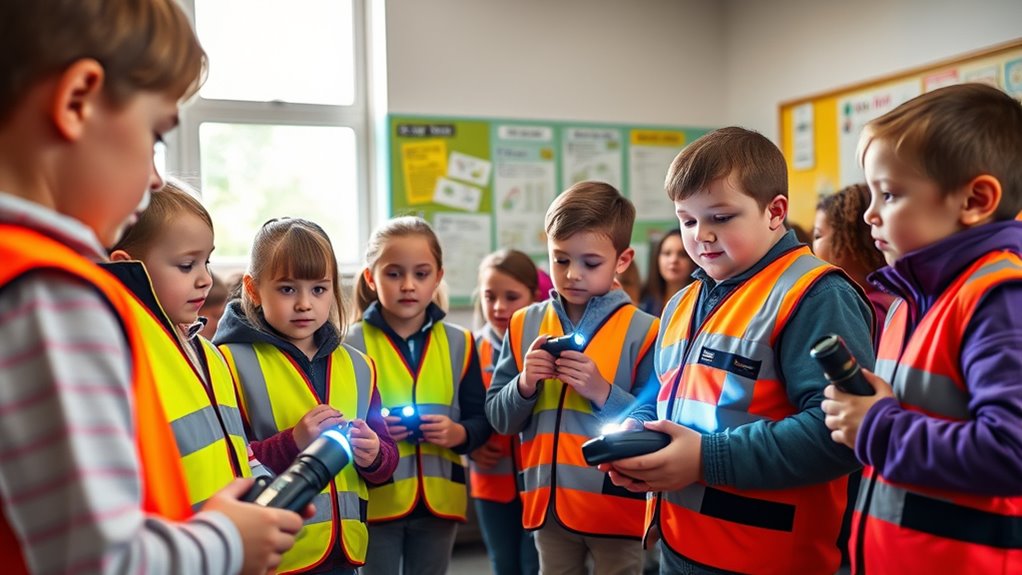
Next, teach your children about home safety protocols during an outage. For example, emphasize the importance of staying away from downed power lines and not touching electrical appliances with wet hands. Make sure they understand that they should stay in a safe area, preferably with you, until power is restored. Practice safety drills so they know exactly what to do. These rehearsals build confidence and reduce anxiety, giving your kids a mental roadmap to follow when the unexpected happens. You can also teach them how to use a flashlight safely and remind them not to panic if the power goes out. Reinforcing these habits helps them develop resilience and a proactive attitude toward emergencies. Additionally, understanding the hours of operation for local resources like stores can help you plan better in case you need supplies during a blackout.
It’s equally important to establish routines that keep children engaged and comforted during a blackout. Show them how to read by flashlight or play quiet games that don’t require electricity. Creating a sense of normalcy helps prevent fear from taking hold. During these lessons, emphasize the importance of staying together and sticking to the plan you’ve set. By doing so, you help your kids understand that emergencies are manageable when everyone stays calm and prepared. Remember, the goal isn’t just about safety; it’s about building their confidence in handling unexpected situations. When children understand what to do and have practiced safety measures, they’re less likely to feel overwhelmed or scared during a power outage. Being prepared with an emergency kit and practicing safety protocols regularly ensures that your kids are equipped to face any blackout with calmness and confidence.
Products Worth Considering

Philips Hue Starter Kit with Bridge Pro and 4 Retrofit LED Recessed Downlights

Philips Hue Smart Light Starter Kit with Bridge and 4 White and Color A19 Bulbs

Ring Alarm 5-Piece Kit
As an affiliate, we earn on qualifying purchases.
Frequently Asked Questions
How Can Kids Effectively Communicate During a Blackout?
During a blackout, you can help kids communicate effectively by teaching emergency contact strategies, like memorizing phone numbers or using a family communication plan. Play signal recognition games to help them identify safe signals or sounds, such as flashing lights or tapping. Encourage them to stay calm, use their voice clearly, and remember their emergency contacts. These steps guarantee they can reach out and stay connected during an outage.
What Safety Rules Should Children Follow Around Backup Generators?
Think of generator safety like handling a powerful tool carefully. You should never touch the generator’s fuel or electrical parts without adult supervision. Keep children away from backup generators to avoid electrical hazards. Always guarantee the generator is outdoors in a well-ventilated area and never run it indoors. Teach kids to stay clear of cords and never attempt to operate the generator alone. Remember, safety first to prevent accidents and injuries.
How Can Kids Learn to Identify Emergency Signals at Home?
You can teach kids to recognize emergency signals by practicing home safety drills regularly. Show them how to identify signals like alarms, sirens, or specific sounds, and explain what each signifies. Use real-life scenarios to reinforce emergency signal recognition, and involve them in drills so they become familiar with responding quickly. This active approach ensures they understand how to stay safe during emergencies, boosting their confidence and preparedness at home.
What Are Fun Ways to Teach Kids About Emergency Preparedness?
You can make emergency preparedness fun by using interactive games that challenge kids to recognize signals or practice safety steps. Incorporate storytelling activities where they create scenarios and decide what actions to take. These engaging methods help them learn important lessons while staying entertained. By blending play with education, you guarantee they understand safety tips and emergency procedures confidently, making preparedness a natural part of their everyday life.
How Do You Involve Kids in Creating an Emergency Plan?
You involve kids in creating an emergency plan by giving them specific child responsibilities, like packing their own emergency kits or choosing a family meeting spot. Encourage their input and make it fun through family drills, where they get to practice the plan. This active participation helps children understand their role, builds confidence, and guarantees everyone knows what to do during an emergency, fostering a sense of teamwork and preparedness.
Conclusion
So, next time the power goes out, don’t panic—just remind your kids they’re now officially trained in emergency preparedness. Who knew that surviving a blackout could be your family’s new competitive sport? Maybe someday they’ll thank you for turning a dark, scary moment into a hilarious, skill-building adventure. Or, at the very least, they’ll be the only kids on the block who know how to use a flashlight without blinding themselves. Priorities, right?