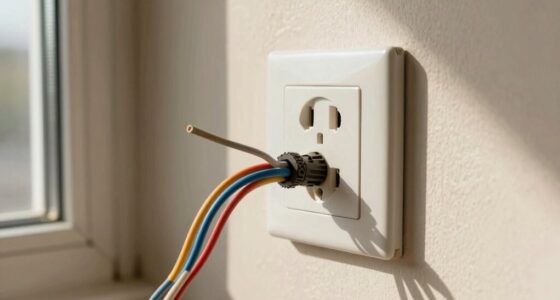
When handling high-voltage equipment, prioritize safety by conducting thorough insulation testing, verifying all grounding systems are secure, and using appropriate PPE like insulated gloves and face shields. Always de-energize and ground equipment before work, follow lockout/tagout procedures, and maintain clear communication with team members. Keep a safe distance from live parts and use warning signs to restrict access. For detailed safety steps and best practices, continue exploring how to protect yourself effectively.
Open a free Amazon Business account
Business pricing, bulk buying and tax-exempt orders.
As an affiliate, we earn on qualifying purchases.
Key Takeaways
- Perform thorough insulation testing and regular maintenance to identify potential faults before working on high-voltage equipment.
- Ensure all grounding connections are secure and tested to safely divert stray currents into the earth.
- Always wear appropriate PPE, including insulating gloves, face shields, and flame-resistant clothing, during high-voltage tasks.
- Follow strict lockout/tagout procedures and confirm equipment is de-energized and grounded before starting work.
- Maintain clear communication, use warning signs, and keep a safe distance from live parts to prevent accidents.
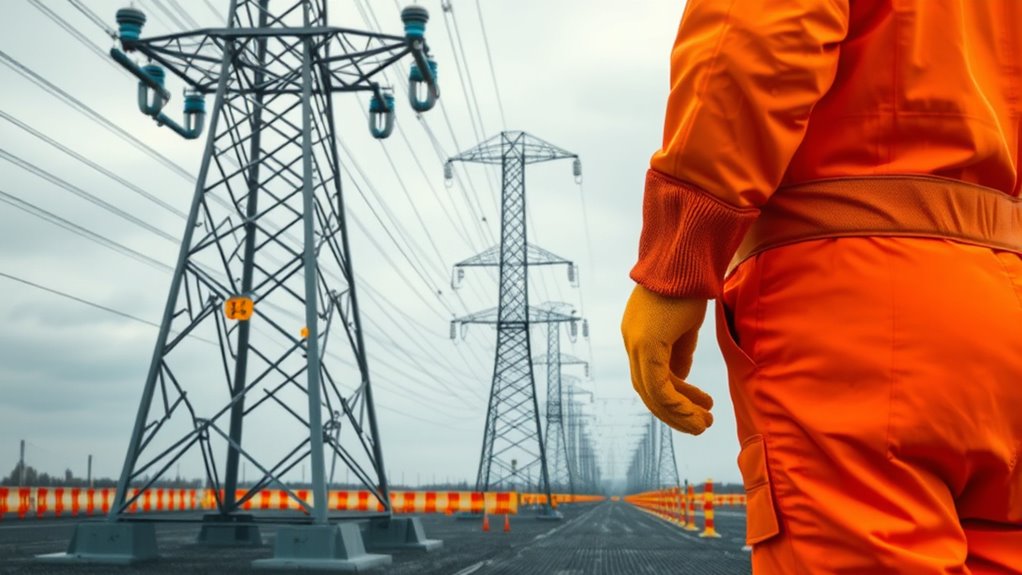
Working with high-voltage equipment can be dangerous if proper safety measures aren’t followed. One of the most critical steps in guaranteeing your safety is conducting thorough insulation testing before beginning any work. Insulation testing helps identify potential faults or deterioration in the insulation material, which could lead to electrical shocks or equipment failure. By regularly testing the insulation, you can detect weak spots early and prevent accidents. When performing insulation testing, make sure to use appropriate devices and follow manufacturer instructions carefully. Never skip this step, as it provides essential information about the integrity of the electrical system you’re working on. Additionally, understanding the principles of creative practice can help foster a proactive mindset towards safety and problem-solving in high-voltage environments.
Grounding practices are equally crucial to maintaining safety when handling high-voltage equipment. Proper grounding ensures that any stray electrical current is safely directed into the earth, minimizing the risk of electric shock or arc flash incidents. Before starting any work, verify that all grounding connections are secure and compliant with safety standards. Use grounding straps, mats, or rods where necessary, and check for proper contact points. Remember, inadequate grounding can result in dangerous voltage buildup, which could cause severe injuries or equipment damage. Always test grounding systems to confirm their effectiveness before touching any energized parts.
Alongside insulation testing and grounding practices, it’s essential to wear appropriate personal protective equipment (PPE), such as insulating gloves, face shields, and flame-resistant clothing. These protect you from unexpected electrical discharges or arc flashes. Keep a safe distance from live parts whenever possible, and use insulated tools designed for high-voltage work. Before working on high-voltage equipment, de-energize the system if it’s feasible, and lockout/tagout procedures should be strictly followed to prevent accidental re-energization. Always double-check that the equipment is de-energized and grounded before starting maintenance or inspection.
Additionally, maintain clear communication with your team and establish safety protocols that everyone understands. Use warning signs and barriers to keep unauthorized personnel away from high-voltage areas. Regularly review safety procedures and stay updated on the latest standards in electrical safety. Remember, complacency can lead to mistakes, so always approach high-voltage equipment with caution and respect. By integrating rigorous insulation testing, diligent grounding practices, proper PPE, and clear communication, you considerably reduce the risk of accidents and ensure a safer working environment. Your awareness and adherence to these safety measures protect not only yourself but also your colleagues and the entire electrical system.
insulation testing device for high voltage
As an affiliate, we earn on qualifying purchases.
As an affiliate, we earn on qualifying purchases.
Frequently Asked Questions
What Qualifications Are Necessary to Handle High-Voltage Equipment?
You need to meet specific qualifications requirements to handle high-voltage equipment. Typically, you must have relevant technical training, such as an electrical certification, and meet industry certification standards like OSHA or NFPA 70E. You should also have practical experience working with high-voltage systems. These qualifications guarantee you’re competent and prepared to work safely, reducing risks and complying with safety regulations in high-voltage environments.
How Often Should Safety Training Be Updated for Electrical Workers?
You should update your safety training every one to three years, depending on your workplace’s policies and regulations. Regular training ensures you stay current with industry standards and safety protocols. Attend refresher courses promptly when offered, especially if new equipment or procedures are introduced. Keeping your training up-to-date helps you recognize hazards, apply proper safety measures, and effectively respond to emergencies, minimizing risks when working with high-voltage equipment.
What Are the Latest Technological Advancements in High-Voltage Safety?
Think of high-voltage safety as a vigilant guardian. Latest advancements like smart insulation act as a protective shield, adapting to conditions and preventing faults. Remote monitoring serves as a watchful eye, constantly tracking equipment health and alerting you to issues before they escalate. These technologies empower you to stay ahead of dangers, ensuring safety isn’t just reactive but proactive, keeping your work environment secure and efficient.
How Do Weather Conditions Affect High-Voltage Safety Protocols?
Weather hazards like rain, wind, and lightning risks profoundly impact your high-voltage safety protocols. You should always monitor weather conditions closely, as storms increase the chance of electrical faults or accidents. During lightning risks, it’s vital to suspend work and avoid exposed equipment. Implementing strict procedures for adverse weather ensures your safety, helping prevent electrical shocks, equipment damage, or fires caused by unpredictable weather hazards.
What Are the Legal Consequences of Safety Violations in High-Voltage Work?
Ignoring safety rules in high-voltage work is like playing with fire—you risk serious legal liabilities. If you violate safety protocols, authorities can enforce penalties ranging from hefty fines to criminal charges. You might also face lawsuits if someone gets injured. These legal consequences serve as a stark reminder that neglecting safety isn’t just dangerous; it could cost you your license, your freedom, and your reputation.
As an affiliate, we earn on qualifying purchases.
Conclusion
Remember, safety isn’t just a rule—it’s your shield against danger. When working with high-voltage equipment, treat every wire like a potential threat and respect the power it holds. Think of safety measures as your armor in a battlefield—protecting you from unseen risks. Stay vigilant, follow protocols, and never take shortcuts. Because in the world of high voltage, caution isn’t just wise; it’s your lifeline—your silent guardian in the face of unseen forces.
grounding tester for electrical systems
As an affiliate, we earn on qualifying purchases.
As an affiliate, we earn on qualifying purchases.
As an affiliate, we earn on qualifying purchases.
Evergreen bestsellers Picks
bestsellers
As an affiliate, we earn on qualifying purchases.