TL;DR

Get backup power and energy gear delivered free with Prime
- Fast, free delivery on millions of items
- Prime Video, Amazon Music and more included
- Member-only deals all year
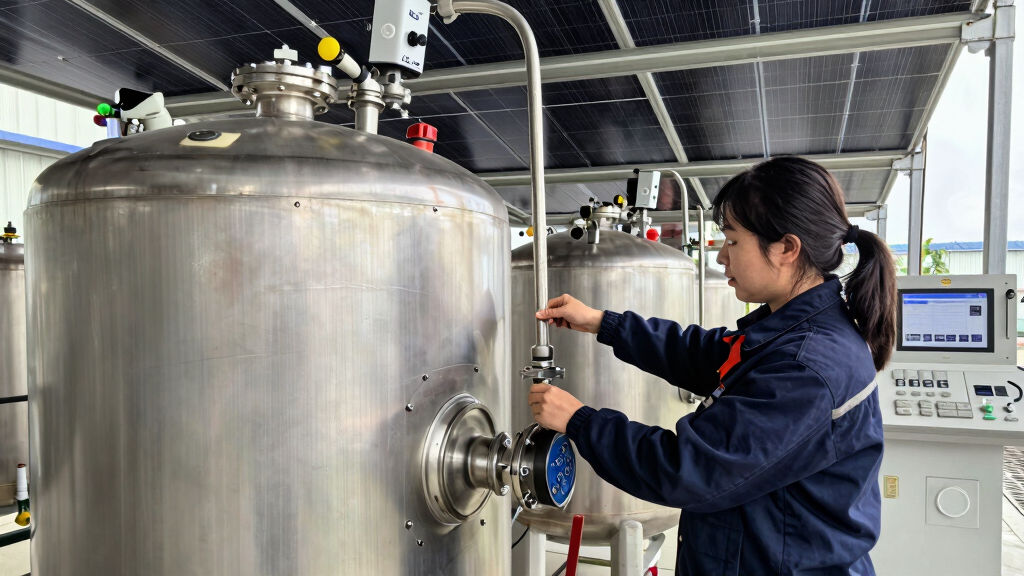
China’s largest integrated solar-hydrogen-storage project in Jiangsu is now complete and nearing operational status. It combines a 400 MW solar plant, battery storage, and green hydrogen production, demonstrating a new model for renewable energy use.
China’s largest solar-hydrogen-storage project in Jiangsu has been completed and is preparing to begin full hydrogen production in August 2026, marking a significant milestone in renewable energy integration and China’s clean energy ambitions.
The project, developed by CHN Energy, includes a 400 MW coastal photovoltaic plant, a 60 MW/120 MWh battery energy storage system, and a green hydrogen facility capable of producing 482 tons annually. It is located in the Yudong tidal-flat area near Yangkou Port in Rudong county, Nantong.
The PV plant achieved full-capacity grid connection on April 29, 2025, and the entire integrated system was completed on June 10, 2026, after joint system commissioning. The hydrogen facility, which is in the final stage of equipment testing, is scheduled to start operations in August 2026, according to CHN Energy.
The facility features a direct submarine cable linking the PV plant to the hydrogen production unit, enabling surplus solar electricity to be used directly for electrolysis without passing through the public grid. The project also includes a battery system to stabilize power supply and optimize renewable energy use.
Implications of the Largest Solar-Hydrogen Project in China
This project represents a significant advancement in China’s renewable energy landscape by demonstrating an integrated approach that combines large-scale solar generation, energy storage, and green hydrogen production within a single operational system. It highlights China’s efforts to develop sustainable, locally produced hydrogen as part of its broader energy transition goals.
It also serves as a model for future renewable infrastructure, emphasizing direct coupling of generation and utilization, reducing reliance on the public grid, and promoting local green hydrogen consumption. The project’s ecological restoration efforts further underscore China’s commitment to environmental sustainability alongside energy development.
As an affiliate, we earn on qualifying purchases.
Background and Development of China’s Renewable Energy Initiatives
China has been rapidly expanding its renewable energy capacity, including large-scale solar and wind projects, as part of its climate commitments. The Jiangsu project, part of China’s third batch of major wind and solar power bases, exemplifies the country’s push toward integrated clean energy systems.
Previous efforts have focused on increasing renewable capacity and improving grid integration, but this project stands out by directly linking solar generation with hydrogen production and storage, reducing curtailment and enhancing local energy use.
“This project demonstrates a new model for renewable energy systems, combining generation, storage, and hydrogen production in a single integrated setup.”
— an anonymous researcher
home battery storage system 60kW
As an affiliate, we earn on qualifying purchases.
As an affiliate, we earn on qualifying purchases.
Remaining Technical and Operational Questions
It is not yet confirmed how efficiently the hydrogen production will operate at full capacity once the facility begins commercial operations in August 2026. Details on the long-term operational stability and economic viability of the integrated system are still to be evaluated.
Additionally, the full environmental impact of the tidal-flat land use and ecological restoration measures remains under assessment, and the project’s scalability to other regions has yet to be demonstrated.
As an affiliate, we earn on qualifying purchases.
Next Steps for Project Completion and Monitoring
The hydrogen production facility is expected to commence operations in August 2026, pending final equipment commissioning and testing. Post-startup, operators will monitor system performance, efficiency, and environmental impacts.
Further, China plans to evaluate this project as a model for future large-scale renewable energy projects, potentially replicating similar integrated systems in other coastal regions.
As an affiliate, we earn on qualifying purchases.
Key Questions
When will the hydrogen facility start producing green hydrogen?
The hydrogen production facility is scheduled to begin full operations in August 2026 after completing final equipment commissioning.
How much electricity does the solar plant generate annually?
The 400 MW PV plant is expected to generate approximately 468 GWh of electricity annually.
What is the significance of this project for China’s energy goals?
It demonstrates an innovative integrated model combining renewable generation, storage, and green hydrogen, supporting China’s decarbonization and local renewable use ambitions.
What ecological measures are included in the project?
The project incorporates coastal ecological restoration, including Spartina alterniflora control and wetland restoration over approximately 4.3 km2.
Can this model be scaled to other regions?
While promising, the scalability depends on regional conditions and further evaluation of operational stability and economic viability.
Source: PV Magazine
Fall Picks
fall essentials
As an affiliate, we earn on qualifying purchases.