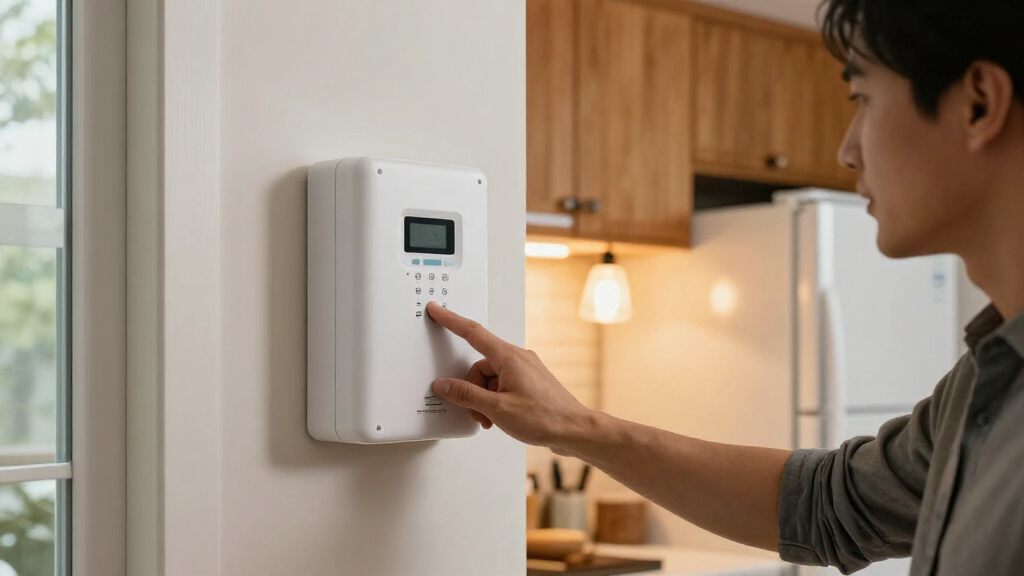

Home battery backup systems range from portable stations for essential appliances to large battery-and-inverter setups built for heavier household loads. My best overall pick is the Jackery Explorer 5000 Plus, which combines substantial capacity with high AC output; the EcoFlow DELTA Pro Ultra stands out for buyers needing a much larger expandable system, while the Jackery HomePower 3600 Plus offers a more manageable middle ground. The main tradeoff is between portability and simplicity on one side, and capacity, output, and installation complexity on the other. Battery capacity alone does not tell you how many appliances a unit can run at once, so I compare both energy storage and power output. Read on for the full breakdown and guidance on matching a system to your home and outage needs.

Get backup power and energy gear delivered free with Prime
- Fast, free delivery on millions of items
- Prime Video, Amazon Music and more included
- Member-only deals all year
Complete the kit


Key Takeaways
- The Jackery Explorer 5000 Plus is the strongest all-around fit in this group for buyers who need more capacity and output than a compact portable station can provide.
- The EcoFlow DELTA Pro Ultra with Extra Battery and ECO-WORTHY PowerMega system represent a different class of setup: better suited to substantial household backup, but with more space, setup, and compatibility questions.
- The two Jackery HomePower 3600 Plus listings share the same stated 3,584Wh capacity and 3,600W output; the solar-panel bundle is the more ready-to-recharge package, not a higher-capacity station.
- The 1,024Wh EcoFlow DELTA 3 models and roughly 2,000Wh compact stations are aimed at essential devices and selected appliances, not extended whole-home backup.
- The ECO-WORTHY battery-only listing has a large stated 16.07kWh capacity, but buyers need a compatible inverter and system design; capacity by itself does not make a complete backup system.


| home battery backup system | Battery chemistry | Battery capacity | Weight | Outlets |
|---|---|---|---|---|
| EF ECOFLOW DELTA 3 Max Portabl | LiFePO4 | 2048Wh | — | 3 |
| Jackery HomePower 3600 Plus Po | LFP | 3584Wh | 77.2 pounds | 2 |
| BLUETTI FridgePower Portable P | LFP | 2016Wh | 41.9 pounds | — |
| Anker SOLIX S2000 Portable Pow | LiFePO4 | 2010Wh | 35.7 pounds | — |
| Jackery Explorer 5000 Plus Pow | LiFePO4 | 5040Wh | 134.5 pounds | 2 |
| EF ECOFLOW 12kWh Power Station | LiFePO4 | — | 293.6 lb | — |
| Jackery HomePower 3600 Plus wi | LFP | 3,584Wh | 77.2 lb | 4 |
| EcoFlow Portable Power Station | LiFePO4 | 1,024Wh | 26.7 lb | 6 |
| EcoFlow Delta 3 Portable Power | LiFePO4 | 1,024Wh | — | 13 |
| ECO-WORTHY PowerMega 48V 314Ah | — | 314Ah | 293.2 lb | — |
| ECO-WORTHY Powermega 48V 314Ah | LiFePO4 | — | — | — |
More Details on Our Top Picks
EF ECOFLOW DELTA 3 Max Portable Power Station, 2048Wh LFP Battery, 2400W
The EF ECOFLOW DELTA 3 Max suits households that want a portable reserve they can recharge quickly between outages or outings. Its 2048Wh LFP battery and stated 2400W output cover a range of everyday devices, while X-Boost is listed for loads up to 3400W. The stated charge time—0–80% in just over an hour—can be more useful than extra capacity when grid power returns only briefly. Compared with the BLUETTI FridgePower, it offers higher listed output and a more travel-oriented design, while BLUETTI emphasizes slim placement and UPS switching. The tradeoff is limited outlet count: just three outlets may mean juggling devices, and its 2048Wh reserve is far below the Jackery Explorer 5000 Plus for long, high-demand outages. Its weight also limits casual carrying.
Pros:- Fast stated AC charging, reaching 80% in just over an hour
- 2048Wh LFP battery for a useful reserve for essential devices
- X-Boost mode is listed for loads up to 3400W
- Portable design and smart app controls support flexible energy management
Cons:- Only three listed outlets can limit simultaneous device connections
- 2048Wh capacity is modest beside the Jackery HomePower 3600 Plus and Explorer 5000 Plus
- Heavy for frequent carrying despite its portable design
Best for: Households seeking a portable, quick-to-recharge backup for essential devices and moderate appliance loads, with occasional RV or camping use.
Not ideal for: Buyers who need many devices connected at once or several days of high-power household backup; its three outlets and 2048Wh capacity constrain that use.
- Battery capacity:2048Wh
- Battery chemistry:LiFePO4
- Output wattage:2400W
- X-Boost power:Up to 3400W
- Charging time:0–80% in just over an hour
- Outlets:3
- Dimensions:9.4 × 12 × 19.44 inches
- Warranty:5 years
Our verdict“Choose the DELTA 3 Max if rapid recharging and portable backup matter more than abundant outlets or multi-day capacity.”
Jackery HomePower 3600 Plus Power Station, 3584Wh, 3600W AC Output
The Jackery HomePower 3600 Plus offers a step up in stored energy and output without reaching the scale of the Jackery Explorer 5000 Plus. Its 3584Wh capacity and 3600W AC output give households more room to run appliances and essential devices together than the 2048Wh EF ECOFLOW DELTA 3 Max. AC, solar, and hybrid charging options also let owners replenish it through different setups; the listed hybrid charge time is two hours. With LFP cells rated for 6,000 cycles and a 10-year lifespan, it is aimed at repeat backup use, not only occasional emergencies. The compromise is practical: it weighs 77.2 pounds, and only two outlets are listed. Wheels and a telescopic handle help with moving it around a home, but not with carrying it upstairs.
Pros:- 3584Wh capacity exceeds the DELTA 3 Max and BLUETTI FridgePower
- 3600W AC output supports a broader range of household loads
- AC, solar, and hybrid charging options provide setup flexibility
- LFP cells are specified for 6,000 cycles and a 10-year lifespan
Cons:- 77.2-pound weight makes stairway transport difficult
- Only two outlets are listed, limiting direct connections
- Getting the best fit from its charging and backup options may require setup
Best for: Homeowners wanting a substantial outage reserve for several appliances, plus charging flexibility and wheeled movement on one level.
Not ideal for: Apartment dwellers who must carry a battery up stairs or buyers needing numerous direct connections; it weighs 77.2 pounds and lists only two outlets.
- Battery capacity:3584Wh
- AC output:3600W
- Battery chemistry:LFP
- Voltage:120V; 240V in parallel
- Charging time:AC: 2.5 hours; solar: 4 hours; hybrid AC+DC: 2 hours
- Weight:77.2 pounds
- Outlets:2
- Battery lifespan:6,000 cycles; 10-year lifespan
Our verdict“Pick the HomePower 3600 Plus if you want more capacity than compact portable stations offer and can accommodate its weight and outlet limits.”
BLUETTI FridgePower Portable Power Station, 2016Wh, 1800W LFP Battery Backup
The BLUETTI FridgePower is the lineup’s most purpose-focused choice for keeping a refrigerator and other essentials powered through an outage. Its 10ms UPS switching is designed to reduce interruption when utility power drops, while the 2016Wh battery can expand to 8064Wh for longer backup windows. That combination makes it more tailored to a fixed home backup spot than the travel-ready EF ECOFLOW DELTA 3 Max. The slim 75mm profile can fit into a narrow gap, though at 41.9 pounds it is not especially easy to move once placed. Output tops out at 1800W, so high-wattage appliances are outside its comfort zone; the Jackery HomePower 3600 Plus offers twice that stated output. Wall mounting and installation also make this a less grab-and-go option.
Pros:- 10ms UPS switching is suited to reducing interruption during an outage
- Slim 75mm profile fits narrow spaces better than conventional portable units
- Expandable capacity up to 8064Wh supports longer backup periods
- Alexa and Google Home compatibility adds voice-control options
Cons:- 1800W output is lower than the Jackery HomePower 3600 Plus and Explorer 5000 Plus
- At 41.9 pounds, it is heavy for frequent transport
- Wall mounting requires installation rather than simple grab-and-go setup
Best for: Homeowners who want a space-saving, semi-permanent backup near a refrigerator, with UPS switching and the option to add battery capacity.
Not ideal for: Buyers who want a lightweight station for frequent trips or need to power high-wattage appliances; its 1800W output and 41.9-pound weight limit those uses.
- Battery capacity:2016Wh
- Battery chemistry:LFP
- Output:1800W
- Surge power:3600W
- Expandable capacity:Up to 8064Wh
- UPS switching:10ms
- Weight:41.9 pounds
- Self-consumption:4W
Our verdict“Choose FridgePower for a compact, expandable refrigerator backup point, not for high-wattage loads or frequent carrying.”
Anker SOLIX S2000 Portable Power Station, 2010Wh, 1500W
The Anker SOLIX S2000 prioritizes a small footprint and manageable weight over high output. At 35.7 pounds and 8.2 × 11.1 × 12.7 inches, it is easier to store and move than the BLUETTI FridgePower, despite carrying a similar 2010Wh reserve. Its 1500W continuous output can support essential electronics and selected household devices, but leaves less headroom than the FridgePower’s 1800W or the Jackery HomePower 3600 Plus’s 3600W. That makes it a better fit for restrained backup plans than for powering several demanding appliances. The LiFePO4 battery is listed for up to 10,000 cycles, and AC and solar recharging are supported. One notable gap for some home setups is the absence of a 12V DC port.
Pros:- Compact dimensions and 35.7-pound weight make storage and repositioning easier
- 2010Wh LiFePO4 battery provides substantial stored energy for its size
- Up to 10,000-cycle lifespan is specified
- Supports both AC and solar recharging
Cons:- 1500W output is lower than the FridgePower and Jackery HomePower 3600 Plus
- No 12V DC port for compatible devices
- Its compact form does not provide the higher output needed for demanding appliance loads
Best for: People in smaller homes who need a compact, movable battery for essential electronics and moderate loads, with AC or solar recharging.
Not ideal for: Households planning to run high-wattage appliances or devices that require a 12V DC connection; its 1500W output and missing DC port may not fit.
- Battery capacity:2010Wh
- Battery chemistry:LiFePO4
- Continuous output:1500W
- Peak power:3000W
- Weight:35.7 pounds
- Dimensions:8.2 × 11.1 × 12.7 inches
- Warranty:5 years
- 12V DC port:Not available
Our verdict“Choose the SOLIX S2000 if compact storage and easier movement outweigh the need for higher appliance output or a 12V DC port.”
Jackery Explorer 5000 Plus Power Station, 5040Wh, 7200W AC Output
For outages where a small battery is not enough, the Jackery Explorer 5000 Plus is the lineup’s high-capacity, high-output option. Its 5040Wh battery and 7200W rated output give it far more appliance headroom than the 3600W Jackery HomePower 3600 Plus, while expansion up to 60kWh can support a much larger backup plan. The listed recharge time is about two hours with up to 4000W input, which suits owners pairing it with a capable charging setup. This scale comes with a clear cost in mobility: at 134.5 pounds, it is not a station to carry casually between rooms. It also has only two listed outlets, so buyers should check connection needs before relying on it. Compared with the compact Anker SOLIX S2000, this is a substantial home reserve, not a space-saving portable pick.
Pros:- 7200W rated output supports larger loads than the other listed portable stations
- 5040Wh capacity exceeds the HomePower 3600 Plus and can expand up to 60kWh
- LiFePO4 battery chemistry is specified
- Supports up to 4000W input, with a stated recharge time of about two hours
Cons:- 134.5-pound weight makes routine repositioning difficult
- Only two outlets are listed, which may require additional connection planning
- Solar recharging at the stated rate requires a substantial input setup
Best for: Homeowners with major appliance loads who want a high-output battery that can expand substantially for longer outage coverage.
Not ideal for: Buyers who need a lightweight station, have limited storage space, or expect many appliances to connect directly; it weighs 134.5 pounds and lists two outlets.
- Battery capacity:5040Wh
- AC output:7200W
- Expandable capacity:Up to 60kWh
- Battery chemistry:LiFePO4
- Maximum charging input:Up to 4000W
- Recharge time:About 2 hours at up to 4000W input
- Weight:134.5 pounds
- Outlets:2
Our verdict“Choose the Explorer 5000 Plus for high-demand backup and major expansion potential if its weight and setup requirements suit your home.”
EF ECOFLOW 12kWh Power Station: DELTA Pro Ultra with Extra Battery
The DELTA Pro Ultra is the strongest fit here for buyers who want backup beyond a few appliances: its 7,200W inverter can handle substantial household loads, while the included extra battery brings the system to a stated 12kWh and capacity can expand up to 90kWh. That gives it a much longer runway than the 1,024Wh EcoFlow DELTA 3 models, which suit essentials and portable use rather than broad home coverage. Solar and vehicle charging add options when grid power is unavailable. The tradeoff is scale: at 293.6 pounds, this is a stationary-style setup, not a unit to move room to room. Multiple-package delivery and a more involved installation also make it less approachable than plug-and-play stations.
Pros:- 7,200W inverter supports heavier household loads than the portable 1,024Wh stations
- Included extra battery provides a stated 12kWh starting configuration
- Capacity can expand up to 90kWh for longer backup periods
- Supports solar and vehicle charging as alternatives to grid recharging
Cons:- At 293.6 pounds, it is difficult to relocate
- Multiple packages and a more involved setup may require installation planning
- Large system footprint is excessive for buyers who only need phone, lighting, or small-appliance backup
Best for: Homeowners planning backup for multiple high-draw appliances who have space for a large system and may expand storage over time
Not ideal for: Apartment dwellers or buyers seeking a lightweight, simple backup unit; its weight and multi-package setup demand dedicated space and planning
- Inverter output:7,200W
- Included capacity:12kWh with extra battery
- Expandable capacity:Up to 90kWh
- Battery chemistry:LiFePO4
- Voltage:120V
- Power outlets:6
- Weight:293.6 lb
- Dimensions:27.2 × 18.9 × 8.4 in
Our verdict“Choose the DELTA Pro Ultra if you need scalable, high-output backup for a home, and skip it if portability or a simple setup matters more.”
Jackery HomePower 3600 Plus with 2x200W Solar Panels, 3584Wh, 3600W AC Output
The Jackery HomePower 3600 Plus sits between compact emergency stations and large installed-style systems: its 3,584Wh capacity and 3,600W AC output offer more reserve than the EcoFlow DELTA 3, while wheels and a telescopic handle make it easier to reposition than the 293-pound DELTA Pro Ultra. The supplied solar panels give buyers a way to recharge without relying solely on an outlet, and its LFP battery is rated for 6,000 cycles. Yet “portable” has limits: at 77.2 pounds, moving it still takes effort, and its capacity is better for selected circuits or appliances than long whole-home coverage. Expansion also involves setup across multiple units, so the DELTA Pro Ultra remains the better route for a deliberately scalable home system.
Pros:- 3,584Wh capacity gives more reserve than the 1,024Wh EcoFlow DELTA 3 models
- 3,600W AC output supports a broader range of appliances than smaller portable stations
- Wheels and telescopic handle help with repositioning
- Includes two 200W solar panels and supports AC, solar, and generator charging
Cons:- 77.2-pound weight remains cumbersome to lift despite the wheels
- Capacity is limited for long outages or broad household coverage without expansion
- Adding multiple units for more capacity makes setup more involved
Best for: Households that want several hours of backup for selected appliances and value wheels plus included solar panels for flexible recharging
Not ideal for: Buyers seeking a truly light carry-in unit or extended whole-home backup without adding more capacity
- Battery capacity:3,584Wh
- AC output:3,600W
- Voltage:120V; 240V in parallel
- Battery chemistry:LFP
- Cycle life:6,000 cycles
- Charging time:2 hours AC+DC; 4 hours solar
- Weight:77.2 lb
- Outlets:4
Our verdict“Pick this Jackery bundle for wheeled, mid-capacity backup with solar panels included, not for lightweight carrying or extensive whole-home coverage.”
EcoFlow Portable Power Station Delta 3 Classic, 1024Wh, 1800W AC
For a compact backup plan centered on a router, lights, phones, and a few smaller appliances, the EcoFlow DELTA 3 Classic offers a useful balance: 1,024Wh capacity, 1,800W output, and a stated one-hour fast charge. Its 100W USB-C port can also charge compatible laptops directly, keeping device charging separate from AC outlets. Compared with the Jackery HomePower 3600 Plus, it stores far less energy, so it is easier to fit into a small home but cannot keep as many loads running for as long. The UPS feature adds value for devices that need backup power during an interruption. At 26.7 pounds, it is portable enough to move, though not featherweight, and buyers with existing DELTA 2 Smart Extra Batteries should note that this model is not compatible with them.
Pros:- 1,800W output and 3,600W surge support a useful range of small household loads
- Stated one-hour fast charging can shorten downtime between outages
- UPS feature supports backup for compatible connected equipment
- 100W USB-C output charges compatible laptops without using an AC outlet
Cons:- 1,024Wh capacity is modest beside the 3,584Wh Jackery HomePower 3600 Plus
- Not compatible with the DELTA 2 Smart Extra Battery
- 26.7-pound weight is noticeable for a station intended to be carried often
Best for: People in smaller homes who need quick-recharging backup for communications, lighting, laptops, and other essential devices
Not ideal for: Households trying to run several large appliances for an extended outage or owners who want to reuse a DELTA 2 Smart Extra Battery
- Battery capacity:1,024Wh
- Continuous output:1,800W
- Surge power:3,600W
- Battery chemistry:LiFePO4
- USB-C output:100W
- AC voltage:120V
- Weight:26.7 lb
- Outlets:6
Our verdict“Choose the DELTA 3 Classic for fast-recharging essentials and device backup, but choose a higher-capacity system for longer outages or heavier loads.”
EcoFlow Delta 3 Portable Power Station, 1024Wh, 1800W
The EcoFlow DELTA 3 starts with the same 1,024Wh capacity and 1,800W output as the DELTA 3 Classic, but its clearest advantage for home backup is expandability up to 5kWh with extra batteries. That makes it a better fit for buyers who want a portable starter unit now and a longer reserve later, while the Classic is a simpler choice for those focused on fast charging and its listed UPS feature. The DELTA 3 also has 13 outlets and a stated full-charge time of 56 minutes, useful when several devices need power and grid access returns briefly. Its 120V output does not provide 240V, and adding batteries adds cost, weight, and setup complexity. For heavier household coverage, the DELTA Pro Ultra is in a different capacity class.
Pros:- Expandable to 5kWh with extra batteries, unlike the stated capacity of the DELTA 3 Classic
- 1,800W output with 3,600W surge handles a range of household devices
- 13 outlets allow several devices to connect at once
- Stated full charge in 56 minutes helps restore readiness during a brief return of grid power
Cons:- Extra batteries are needed to reach the expanded capacity
- 120V output does not serve 240V loads
- At 12.5kg, it is less convenient to carry than smaller stations
Best for: Buyers who want a portable 1,024Wh backup station today and a path to longer runtime by adding compatible extra batteries
Not ideal for: Households needing 240V output or substantial whole-home backup without purchasing extra batteries
- Battery capacity:1,024Wh
- Power output:1,800W
- Surge power:3,600W
- Expandable capacity:Up to 5kWh with extra batteries
- Battery chemistry:LiFePO4
- Outlets:13
- Voltage:120V
- Full charging time:56 minutes
Our verdict“Choose the DELTA 3 if you value a portable system that can grow to 5kWh, and skip it if you need 240V or substantial capacity out of the box.”
ECO-WORTHY PowerMega 48V 314Ah LiFePO4 Energy Storage System with 10kW Hybrid Inverter, Bluetooth & WiFi
The ECO-WORTHY PowerMega is a solar-oriented home storage system, not a carry-out power station. Its 48V battery and 10kW hybrid inverter are designed for fixed backup and off-grid use, with stated usable energy up to 16.1kWh and 240V output—capabilities that distinguish it from the portable DELTA 3 models, which provide 1,024Wh and 120V. WiFi and Bluetooth monitoring plus active battery balancing give owners tools to track a more involved installation. This makes the PowerMega a strong candidate for households planning a solar-linked system, while the DELTA Pro Ultra offers a more expandable packaged power-station approach. The tradeoff is logistics: the unit weighs 293.2 pounds, ships as a large system, and the battery may arrive separately. Installation planning matters more than portability here.
Pros:- Up to 16.1kWh usable energy is suited to longer backup than compact portable stations
- 10kW hybrid inverter and 240V output support a home-integrated setup
- WiFi and Bluetooth enable remote system monitoring
- Active balancing and multiple battery protections support managed battery operation
Cons:- At 293.2 pounds, it is not a portable backup option
- Battery may ship separately, complicating delivery and setup coordination
- Fixed-system installation demands more planning than plug-in power stations such as the DELTA 3
Best for: Homeowners planning a fixed solar and battery installation who need 240V output, substantial stored energy, and remote system monitoring
Not ideal for: Renters or buyers seeking a ready-to-carry backup station; its weight, freight delivery, and separate battery shipment suit a planned installation instead
- Usable energy:Up to 16.1kWh
- Battery capacity:314Ah
- Battery voltage:51.2V
- Inverter output:10,000W
- Output voltage:240V
- Electrical waveform:Pure sine wave
- Weight:293.2 lb
- Warranty:10 years
Our verdict“Choose the PowerMega for a planned solar-linked home storage system with 240V output, not for simple portable outage backup.”
ECO-WORTHY Powermega 48V 314Ah LiFePO4 Battery, 16.07kWh, UL1973 Certified
I’d shortlist the ECO-WORTHY Powermega for a home system built around substantial, fixed battery storage rather than a unit that can be moved between rooms or taken camping. Its 16.07kWh capacity is far beyond the 2–5kWh portable stations in this roundup, giving a properly designed system more stored energy for extended backup or off-grid use. It can also expand to 241kWh with parallel units, a scale the Jackery Explorer 5000 Plus does not match on its own.
The tradeoff is that this is a battery, not a plug-and-play power station: installation requires compatible equipment and technical planning. Its 200A active-balancing BMS, fire-suppression modules, UL1973 certification, and 10-year warranty support a more serious stationary setup, while the touchscreen and network connections add monitoring options. I’d skip it if portability or a simple all-in-one backup is the priority; its dimensions and weight are also unspecified, making delivery and placement harder to plan.
Pros:- 16.07kWh capacity provides substantially more stored energy than the portable stations in this roundup.
- Parallel expansion supports systems up to 241kWh.
- UL1973 certification, fire-suppression modules, and dual safety protection address stationary-storage safety needs.
- 7-inch touchscreen, WiFi, Bluetooth, RS485, and CAN provide several monitoring and communication options.
Cons:- Requires system-level installation and compatible equipment rather than offering a simple plug-in backup setup.
- Dimensions and weight are not provided, complicating delivery, handling, and siting plans.
- A fixed 48V battery is less flexible than portable all-in-one stations such as the Jackery Explorer 5000 Plus.
Best for: Homeowners or off-grid users planning a professionally configured 48V system with substantial storage and room to expand.
Not ideal for: Renters, buyers seeking a ready-to-use portable station, or households without access to qualified installation support and compatible system components.
- Voltage:48V
- Capacity:314Ah
- Energy:16.07kWh
- Battery chemistry:LiFePO4
- Certification:UL1973
- Battery management system:200A active-balancing BMS
- Monitoring and communications:7-inch HD touchscreen, WiFi, Bluetooth, RS485, and CAN
- Warranty:10 years
Our verdict“Choose the Powermega for expandable, high-capacity stationary storage if you can plan and install a compatible 48V home system.”
How We Picked
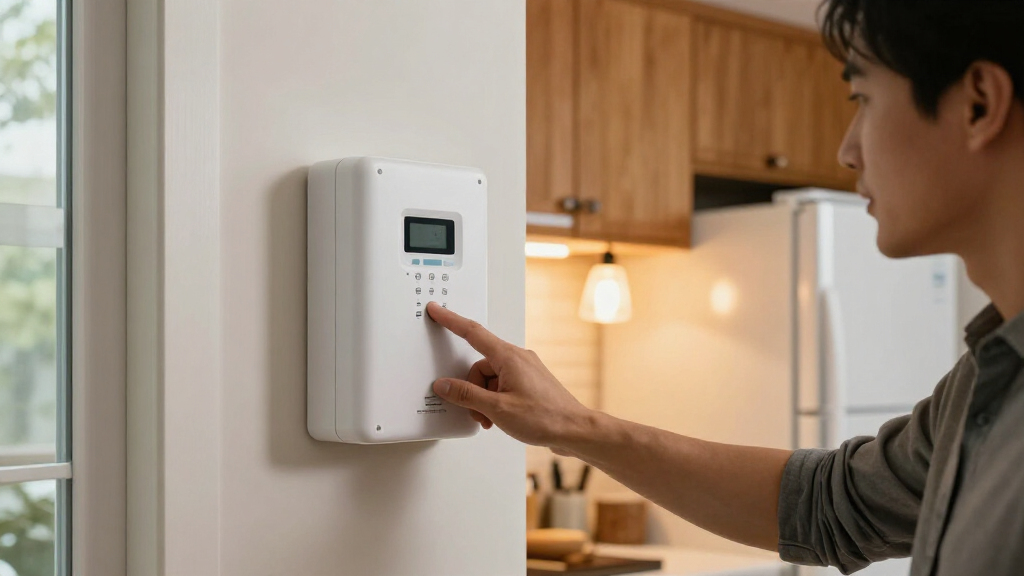
I compared these products by the parts of backup power that change a buying decision: stated battery capacity, AC output, system scale, and how directly each option can serve a household. I gave more weight to combinations that offer useful capacity and output without asking every buyer to assemble a complex system. I also separated portable power stations from inverter-and-battery setups, since their installation needs and intended loads differ.
The ranking favors broad usefulness and a clear path to backup power, then recognizes systems that excel for particular needs. A larger capacity does not automatically earn a higher position: buyers also need enough output for the appliances they plan to run, a practical recharge plan, and compatible components where a separate inverter is required. Product listings with similar specifications are distinguished by bundle contents, while battery-only products are ranked for buyers prepared to build around them rather than for people seeking a ready-to-use station.
| home battery backup system | Battery chemistry |
|---|---|
| EF ECOFLOW DELTA 3 Max Portabl | LiFePO4 |
| Jackery HomePower 3600 Plus Po | LFP |
| BLUETTI FridgePower Portable P | LFP |
| Anker SOLIX S2000 Portable Pow | LiFePO4 |
| Jackery Explorer 5000 Plus Pow | LiFePO4 |
| EF ECOFLOW 12kWh Power Station | LiFePO4 |
| Jackery HomePower 3600 Plus wi | LFP |
| EcoFlow Portable Power Station | LiFePO4 |
| EcoFlow Delta 3 Portable Power | LiFePO4 |
| ECO-WORTHY PowerMega 48V 314Ah | — |
| ECO-WORTHY Powermega 48V 314Ah | LiFePO4 |
Factors to Consider When Choosing Home Battery Backup Systems
Before choosing a system, I would start with the loads you want covered and how you expect to recharge the battery. Those answers can point toward a portable station, a larger expandable unit, or a battery-and-inverter arrangement—and they can prevent paying for capacity that cannot run the appliances you care about.
Choose Loads Before Choosing Capacity
Write down the appliances you want during an outage, then check both their running wattage and any startup surge. A refrigerator may use modest power once running but draw more briefly when its compressor starts, while several devices running together can exceed a station’s AC output even when plenty of battery energy remains. Capacity, measured in watt-hours, is about how long energy may be available; output, measured in watts, is about how much can run at one time. Avoid sizing around a single appliance if you expect to use lights, networking equipment, or medical devices alongside it. I would leave room for uncertainty by prioritizing the loads that matter most rather than assuming a portable station can power every circuit in a home.
Decide Whether Portability or Home Integration Matters More
Portable power stations can be moved between rooms or taken away from home, which makes them flexible for smaller loads and temporary use. Larger battery-and-inverter systems can better suit sustained household backup, but they may need dedicated space, compatible electrical equipment, and professional planning. A common mistake is to treat a high-output portable station as equivalent to a permanently integrated home system; powering appliances through individual outlets is not the same as backing up selected circuits. Check how the system connects to the loads you want and whether electrical work is needed. If your priority is keeping a few essentials running, portability may matter more than whole-home integration.
Plan for Recharging During a Long Outage
Stored energy only covers the time between recharges, so think through how you will refill the battery if an outage lasts beyond one night. Grid charging may be convenient before a storm, while solar charging depends on panel capacity, sunlight, placement, and the system’s accepted input. A bundle that includes panels saves some sourcing work, but it does not guarantee fast or continuous replenishment in poor weather. Check the manufacturer’s supported charging inputs and the time required under the conditions you expect; do not assume that a panel’s rated output is available all day. For longer outages, a realistic recharge plan can matter more than adding capacity without a way to replenish it.
Check Expansion and Compatibility Before Buying Components
Some buyers may prefer to add batteries over time, while others need a complete system from the start. Expansion is only useful when the batteries, inverter, communications, and charging equipment are approved to work together. Battery-only listings can offer substantial stored energy, but they are not a ready-to-use backup solution unless paired with compatible hardware and a suitable installation. Verify supported battery configurations, inverter limits, and any required safety equipment before combining components from different listings. I would also confirm whether the system can be expanded in the way you expect, rather than assuming similar voltage or capacity means compatibility.
Match System Size to Installation and Maintenance Realities
Large systems can take more planning than their product pages suggest: buyers may need to account for space, ventilation requirements, wiring, access for service, and local electrical rules. Portable units reduce some installation work, but they still need a safe place to operate and a practical route to the appliances they power. Ask who will handle setup, what warranty and service support apply, and whether the system needs periodic checks or software management. For a battery-and-inverter setup, get a qualified installer to review the design rather than treating component specifications as a complete installation plan. Paying for a larger system makes sense only when the added loads and installation requirements match your household’s priorities.
Frequently Asked Questions
Can a portable power station run my refrigerator during an outage?
It can, if its AC output handles the refrigerator’s startup demand and its usable capacity covers the intended runtime. Check the refrigerator’s label or manufacturer information, and allow for compressor surges rather than comparing only the station’s continuous output with average energy use. Other devices connected at the same time draw from the same output and battery, shortening runtime or exceeding the power limit. For a longer outage, plan how to recharge the station. A test at home before an emergency can reveal whether the actual combination works as expected.
Is a 3,584Wh station enough to back up a house?
That capacity can support a selection of essential loads, but it does not determine how much of a house can run at once or for how long. The station’s AC output sets the limit on simultaneous power, while appliance use determines how quickly its stored energy is depleted. Refrigeration, lights, and internet equipment may be manageable as a small-load plan, but electric heating, cooking, or other high-demand appliances can use energy quickly or exceed output limits. Make a list of devices and estimate both their wattage and hours of use before deciding. For circuit-level or whole-home backup, also check the connection method and installation requirements.
Should I buy a battery-only system or a complete power station?
A complete power station is usually the simpler route for buyers who want an integrated battery and inverter in one product. A battery-only system can suit buyers planning a larger or more tailored installation, but it needs compatible inverter and charging equipment and may require professional design. Compare the complete system cost and installation scope, not just the battery’s capacity. Confirm the battery’s voltage, communications, and approved inverter pairings before ordering parts. If you do not already have a system design, a ready-to-use station may reduce compatibility risks.
Does a solar-panel bundle guarantee backup during a multi-day outage?
No. Panels can replenish a compatible battery when sunlight and system input conditions allow, but energy production varies with weather, shading, season, and panel placement. A bundle can simplify acquiring matched panels, yet buyers still need to check solar input limits and estimate daily energy use. If household loads consume more energy than the panels can restore, the battery will continue to drain. Prioritize essential devices and have a backup charging plan for cloudy stretches. A panel bundle is a useful part of an outage plan, not a promise of uninterrupted power.
What should I check before connecting a battery system to home circuits?
Confirm whether the system supports circuit backup and what transfer equipment, wiring, or other hardware is required. A portable station’s wall outlets do not automatically connect it to a home’s electrical panel, and improper connections can create serious safety hazards. Ask a qualified electrician to review the intended loads, system limits, and local code requirements. For battery-and-inverter products, verify that the components are compatible and that the installation plan follows manufacturer guidance. Get clarity on who handles commissioning and service before buying a system that depends on fixed wiring.
Conclusion
For the broadest mix of capacity and output in this lineup, I recommend the Jackery Explorer 5000 Plus as best overall. Buyers seeking a more modest portable option should compare the EcoFlow DELTA 3 Max and Jackery HomePower 3600 Plus; the latter is the clearest middle-ground pick, while its solar bundle suits people who want panels included. For large-scale backup, the EcoFlow DELTA Pro Ultra with Extra Battery is my best premium choice, while the ECO-WORTHY PowerMega 48V system better fits buyers prepared to plan around an inverter-based setup. Beginners should start with an integrated portable station and a short list of essential loads; buyers with specific needs can choose the 1,024Wh EcoFlow models for smaller backup demands or the ECO-WORTHY battery-only unit when they already have a compatible system plan. Match output, capacity, recharge options, and installation needs to your actual loads before choosing.
Halloween Picks
halloween
As an affiliate, we earn on qualifying purchases.