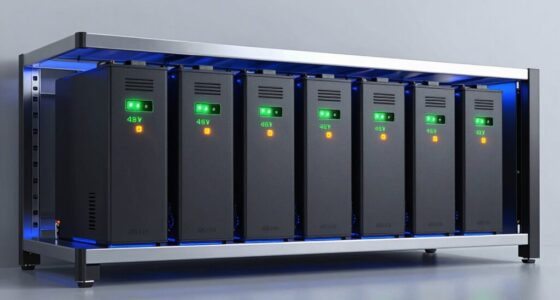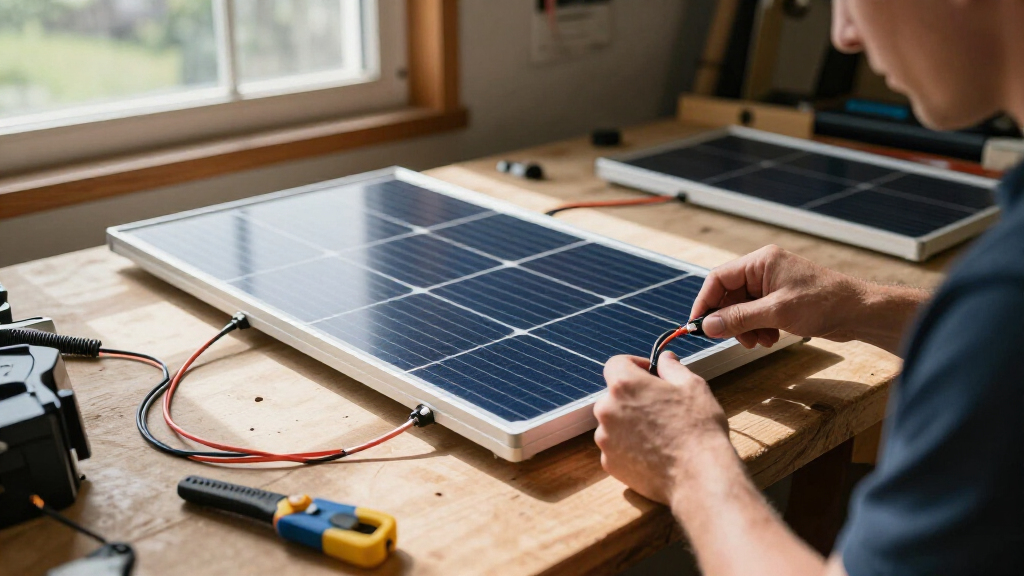

Home solar power kits range from small 400W starter systems that offset a few appliances to 10kW off-grid setups capable of running an entire household — and the gap between those extremes is where most buyers get stuck. The ECO-WORTHY 10kW Off-Grid Kit with 48V 314Ah Battery stands out as my top overall pick because it pairs serious daily generation with genuinely deep battery storage, which is the factor that separates real whole-home kits from panel-and-inverter bundles. For smaller budgets, the Renogy 400W Premium Kit remains the most approachable entry point, while the SUNGOLDPOWER 6500W system offers a compelling middle ground for homes that need substantial power without a 10kW-scale installation. The main tradeoffs in this category come down to battery capacity versus upfront cost, installation complexity, and whether a kit includes everything you need or expects you to supply components yourself. Keep reading for the full breakdown of what each kit does well, where it falls short, and which one fits your household.

Get backup power and energy gear delivered free — and shop member deals
- Fast, free delivery on millions of items
- Access to Prime Big Deal Days deals on October 6–7
- Prime Video, Amazon Music and more included
Key Takeaways
- Battery capacity varied more than any other spec in this lineup — from 1.6kWh in the Renogy-less entry bundles up to roughly 15kWh+ in the larger ECO-WORTHY 10kW kits — and that difference matters more for whole-home backup than raw panel wattage.
- Two kits labeled “10kW” by ECO-WORTHY carry very different battery sizes (48V 314Ah vs. 48V 100Ah), so inverter rating alone is a misleading shortcut; always check storage depth before comparing.
- The SUNGOLDPOWER 6500W kit is the only strong non-ECO-WORTHY option at mid-to-large scale, giving buyers a genuine alternative brand rather than a lineup dominated by one manufacturer.
- Kits under 5kWh of storage — including the 1200W and 4.68kWh ECO-WORTHY systems — work well for partial-home backup and RV use but should not be expected to run a full household through cloudy stretches.
- The Renogy 400W kit is the only pick without a battery and inverter included, which makes it cheaper and simpler but means it cannot function as backup power without additional purchases.
| Renogy 400W Premium Solar Kit with 40A MPPT Charge Controller |  | Best for Beginners and Small Off-Grid Setups | Total Solar Capacity: 400W (4 x 100W panels) | Charge Controller: 40A MPPT with Bluetooth | System Voltage: 12V | VIEW LATEST PRICE | See Our Full Breakdown |
| ECO-WORTHY 10kW Off-Grid Solar Panel Kit with Battery and Inverter |  | Best Premium Whole-Home System | Total PV Capacity: 10,620W (18 x 590W panels) | Battery Capacity: 48V 314Ah (32.2 kWh) | Inverter Power: 10,000W continuous / 20,000W peak | VIEW LATEST PRICE | See Our Full Breakdown |
| ECO-WORTHY 9.36KWH 48V Off-Grid Solar Power System Kit with 12 Mono Solar Panels and 5000W Inverter |  | Best Mid-Size Cabin and Farm System | Solar Array: 12 x 195W monocrystalline panels | Daily Energy Output: Up to 9.36 kWh | Inverter Power: 5000W | VIEW LATEST PRICE | See Our Full Breakdown |
| ECO WORTHY 10kW Off-Grid Solar Panel Kit for Home with 48V 314Ah Battery and 10kW Inverter |  | Best Scalable Starter for Whole-Home Power | System Power Output: 10kW | Solar Array: 2,950W (5 x 590W mono panels) | Daily Generation: Up to 11.8 kWh | VIEW LATEST PRICE | See Our Full Breakdown |
| ECO-WORTHY 10KW Off Grid Solar System Kit with 12x 195W Solar Panels, 10KW Inverter, and 2 Lithium Batteries |  | Best Safety-Certified All-Rounder | Inverter Power: 10kW, 120V/240V AC output | Solar Array: 12 x 195W bifacial monocrystalline panels | Daily Energy Output: Up to 9.36 kWh | VIEW LATEST PRICE | See Our Full Breakdown |
| ECO-WORTHY Solar Panel Kit with LiFePO4 Energy Storage System for Home Backup |  | Best Whole-Home Backup | Total Solar Power: 3540W | Number of Panels: 6 x 590W monocrystalline | Inverter Power: 10kW hybrid | VIEW LATEST PRICE | See Our Full Breakdown |
| ECO-WORTHY 1200W Solar Kit with 6 Panels, 3000W Inverter, and 2 Lithium Batteries |  | Best for RV and Mobile Off-Grid | Total Solar Power: 1170W (6 x 195W) | Inverter Power: 3000W continuous, 6000W peak | Battery Capacity: 2 x 314Ah lithium | VIEW LATEST PRICE | See Our Full Breakdown |
| ECO-WORTHY 10KW Off Grid Solar System Complete Kit with 9 590W Solar Panels, 48V 100Ah Battery, and 10kW Inverter |  | Best for Future Expansion | Solar Panel Capacity: 5310W (9 x 590W bifacial) | Panel Efficiency: 23.23% | Inverter Power: 10,000W continuous, 20,000W peak | VIEW LATEST PRICE | See Our Full Breakdown |
| SUNGOLDPOWER 6500W Off Grid Solar System Kit with 6 Monocrystalline Panels, 100Ah LiFePO4 Battery, and 6500W Inverter |  | Best Mid-Size Balance | Inverter Power: 6500W | Solar Panels: 6 x 370W monocrystalline | Daily Energy Output: 8.8 kWh | VIEW LATEST PRICE | See Our Full Breakdown |
| ECO-WORTHY 4.68KWH Solar Power Complete Kit 1200W 48V with Lithium Battery and Inverter |  | Best Starter Home Kit | Total Solar Power: 1200W (6 x 195W) | Daily Energy Output: 4.68kWh | Panel Efficiency: 25% N-type bifacial | VIEW LATEST PRICE | See Our Full Breakdown |
| 3000W 24V Solar Power System Kit with 1440W Solar Panels, 3kW Pure Sine Wave Inverter, 5.12kWh LiFePO4 Battery, MPPT Controller |  | Best Mid-Size Off-Grid Starter System | Solar Panel Power: 1440W (12×120W monocrystalline) | Battery Capacity: 5.12kWh LiFePO4 | Inverter Power: 3000W continuous, 6000W peak | VIEW LATEST PRICE | See Our Full Breakdown |
| home solar power kit | Inverter Power | Battery Capacity |
|---|---|---|
| Renogy 400W Premium Solar Kit | — | — |
| ECO-WORTHY 10kW Off-Grid Solar | 10,000W continuous / 20,000W peak | 48V 314Ah (32.2 kWh) |
| ECO-WORTHY 9.36KWH 48V Off-Gri | 5000W | — |
| ECO WORTHY 10kW Off-Grid Solar | — | — |
| ECO-WORTHY 10KW Off Grid Solar | 10kW, 120V/240V AC output | 2 x 48V 100Ah lithium |
| ECO-WORTHY Solar Panel Kit wit | 10kW hybrid | 2 x 48V 314Ah LiFePO4 |
| ECO-WORTHY 1200W Solar Kit wit | 3000W continuous, 6000W peak | 2 x 314Ah lithium |
| ECO-WORTHY 10KW Off Grid Solar | 10,000W continuous, 20,000W peak | 20.48kWh, 48V LiFePO4 |
| SUNGOLDPOWER 6500W Off Grid So | 6500W | 100Ah at 51.2V LiFePO4 |
| ECO-WORTHY 4.68KWH Solar Power | 3500W continuous, 7000W surge | — |
| 3000W 24V Solar Power System K | 3000W continuous, 6000W peak | 5.12kWh LiFePO4 |
More Details on Our Top Picks
Renogy 400W Premium Solar Kit with 40A MPPT Charge Controller
This Renogy 400W kit stands out as the friendliest entry point in this lineup. While the ECO-WORTHY systems demand an electrician and a delivery truck, this kit ships everything a first-timer needs — four monocrystalline panels, a 40A MPPT charge controller, Bluetooth monitoring, Z-brackets, and cables — in a package one person can actually manage. The MPPT controller matters here: it squeezes more usable power out of partial sunlight than cheaper PWM controllers, so the modest 400W capacity works harder than the number suggests. Compared with the ECO-WORTHY 9.36kWh kit, this system won’t run a household, but it also won’t take weeks to commission. The real tradeoff is ceiling: it’s limited to 12V systems, which constrains how far you can scale before needing a full redesign.
Pros:- Complete kit includes controller, Bluetooth module, mounting hardware, and cables
- MPPT controller recovers more power in low-light conditions than PWM alternatives
- Light enough at 56.4 pounds for DIY installation without a crew
- Monocrystalline panels deliver solid efficiency in a compact footprint
Cons:- Capped at 12V systems, which blocks a straightforward upgrade path to whole-home power
- Panel weight still makes rooftop mounting a two-person job
Best for: RV owners, shed workspaces, and beginners who want a complete, hand-installable starter system without hiring an electrician
Not ideal for: Homeowners wanting whole-house backup — 400W of 12V capacity can’t meaningfully run major appliances
- Total Solar Capacity:400W (4 x 100W panels)
- Charge Controller:40A MPPT with Bluetooth
- System Voltage:12V
- Panel Material:Monocrystalline silicon
- Panel Dimensions:41.8″ x 20.9″ x 1.38″ each
- Total Weight:56.4 pounds
- Includes:Bluetooth module, Z-brackets, cables, adaptor kit
Our verdict“Buy this if you want a genuinely complete DIY solar starter kit; skip it if your goal is running a house.”
ECO-WORTHY 10kW Off-Grid Solar Panel Kit with Battery and Inverter
This is the flagship pick of the roundup, and the numbers explain why: 18 high-output 590W panels, a 32.2 kWh lithium battery bank, and a 10kW inverter with 20kW surge capacity. Where the ECO-WORTHY 9.36kWh kit treats a cabin as its ceiling, this system is sized for a full household with central appliances, well pumps, and HVAC starts. The split-phase 120V/240V output handles heavy loads like dryers and power tools that smaller kits simply can’t start. Scalability is another differentiator — up to 15 parallel batteries and 6 parallel inverters mean you can grow into utility-grade storage rather than replacing the system later. The cost of that ambition is real: professional installation is effectively mandatory, and the palletized components need serious space and planning.
Pros:- 10kW continuous output with 20kW peak handles demanding appliance loads
- 32.2 kWh of lithium storage covers multi-day usage patterns
- Parallel expansion up to 15 batteries and 6 inverters protects the investment
- Split-phase 120V/240V support runs heavy 240V appliances
Cons:- Professional installation required due to system complexity
- Large palletized components complicate delivery and site preparation
- Substantial total system cost compared with smaller kits
Best for: Off-grid households or remote properties that need genuine whole-home power with room to expand storage later
Not ideal for: Budget-conscious buyers or anyone without an installation budget — complexity and component size make DIY unrealistic
- Total PV Capacity:10,620W (18 x 590W panels)
- Battery Capacity:48V 314Ah (32.2 kWh)
- Inverter Power:10,000W continuous / 20,000W peak
- Output:120V/240V split-phase
- Battery Management:PACE 200A with multi-layer protection
- Connectivity:Bluetooth, Wi-Fi, PC monitoring
- Expansion:Up to 15 parallel batteries, 6 parallel inverters
Our verdict“The pick for buyers who want a complete, expandable whole-home off-grid system and are prepared to pay and plan for professional installation.”
ECO-WORTHY 9.36KWH 48V Off-Grid Solar Power System Kit with 12 Mono Solar Panels and 5000W Inverter
This kit occupies the sensible middle ground between the beginner Renogy 400W setup and the flagship 10kW ECO-WORTHY system. Twelve 195W monocrystalline panels with a claimed 25% conversion rate feed a 48V architecture — the voltage where whole-cabin systems become practical — while the 5000W inverter covers refrigeration, lighting, well pumps, and small appliances simultaneously. The 48V platform is a genuine advantage over the Renogy kit’s 12V ceiling, and parallel support for up to 6 units means a farm operation can grow capacity without starting over. The tradeoff for that flexibility is friction: unlike the Renogy kit, no mounting hardware or detailed instructions are included, so buyers need to source racking and budget for professional commissioning. It’s cheaper to buy into than the 10kW flagship, but less turnkey out of the box.
Pros:- 48V architecture supports serious loads and parallel expansion up to 6 units
- High-efficiency mono panels with 25% claimed conversion rate
- Robust inverter with multiple charging modes for flexible energy sources
- Weatherproof, corrosion-resistant aluminum and tempered glass construction
Cons:- No mounting hardware or detailed setup instructions included
- Professional installation recommended for safe, full-performance commissioning
- Meaningful upfront cost once racking and installation are added
Best for: Cabin owners and small-farm operators who need 48V power for sustained loads and can arrange their own mounting and installation
Not ideal for: First-time solar buyers expecting a plug-and-play experience — missing hardware and documentation push the real effort onto you
- Solar Array:12 x 195W monocrystalline panels
- Daily Energy Output:Up to 9.36 kWh
- Inverter Power:5000W
- System Voltage:48V
- Panel Efficiency:25% conversion rate
- Panel Dimensions:58.86 x 26.18 x 1.18 inches each
- Expansion:Parallel connection up to 6 units
Our verdict“A strong choice for hands-on cabin and farm buyers who want 48V expandability and don’t mind sourcing the missing pieces.”
ECO WORTHY 10kW Off-Grid Solar Panel Kit for Home with 48V 314Ah Battery and 10kW Inverter
Where the flagship ECO-WORTHY 10kW kit (B0GJ5LKS99) arrives massive and finished, this version takes a start-small, grow-big approach: five 590W panels and one 16.1 kWh LiFePO₄ battery deliver a genuinely usable 11.8 kWh daily generation today, with parallel support scaling to a remarkable 241 kWh of storage. That makes this the smart pick for buyers who want whole-home capability on a staged budget — you commission the core system now and add batteries and panels as finances allow. The 7-inch full-color display is a step up in usability compared with app-only monitoring on the 9.36kWh kit, giving at-a-glance system status. The honest tradeoff is generation headroom: 2,950W of panels means the battery may not fully recharge on short winter days until you expand the array, and like its bigger sibling, professional installation is recommended.
Pros:- Scalable up to 15 parallel units for as much as 241 kWh of storage
- 16.1 kWh LiFePO₄ battery with PACE 200A multi-layer protection
- 7-inch full-color display plus Bluetooth, Wi-Fi, and PC monitoring
- Split-phase 120V/240V output supports household appliances
Cons:- 2,950W array is undersized relative to the 10kW inverter until expanded
- Professional installation required due to system size and complexity
- Pallet-truck delivery and large components demand significant space
Best for: Homeowners who want a whole-home-capable system now and plan to expand battery capacity in stages as budget allows
Not ideal for: Buyers wanting maximum daily generation from day one — the five-panel array is the smallest of the 10kW-class kits here
- System Power Output:10kW
- Solar Array:2,950W (5 x 590W mono panels)
- Daily Generation:Up to 11.8 kWh
- Battery:48V 314Ah LiFePO₄ (16.1 kWh)
- Output:120V/240V split-phase
- Monitoring:7-inch display, Bluetooth, Wi-Fi, PC
- Expansion:Up to 15 units (241 kWh storage)
Our verdict“The best pick if you want a whole-home foundation you can expand over years instead of paying for everything up front.”
ECO-WORTHY 10KW Off Grid Solar System Kit with 12x 195W Solar Panels, 10KW Inverter, and 2 Lithium Batteries
This kit earns its spot on certification pedigree. Carrying UL 1741, UL 1973, and UL 9540A listings, it’s the pick for buyers — and insurers — who care about verified safety standards, something none of the other ECO-WORTHY kits in this lineup can claim as prominently. The bifacial 195W panels capture reflected light from the ground, which can lift real-world output on snow, sand, or light-colored rooftops, partially offsetting the smaller per-panel wattage versus the 590W panels on the 10kW flagship. The 10kW inverter with 120V/240V output plus two 48V 100Ah lithium batteries covers substantial household loads, and app-based monitoring via Bluetooth and Wi-Fi keeps status visible. The tradeoffs mirror its siblings: professional installation and technical fluency are effectively prerequisites, and the many discrete components need a generous installation footprint.
Pros:- UL 1741, UL 1973, and UL 9540A certifications for inverter, battery, and fire safety
- Bifacial panels gain extra yield from reflected light in snowy or bright environments
- Parallel inverter support allows power output to grow with needs
- Real-time battery monitoring via Bluetooth and Wi-Fi app
Cons:- Professional installation recommended, adding meaningful setup cost
- Requires technical knowledge to configure and operate effectively
- Many large components demand ample installation space and planning
Best for: Buyers prioritizing certified safety compliance — including those with insurance or permitting requirements — who want 10kW-class household power
Not ideal for: Non-technical buyers — system complexity across 12 panels, an inverter, and dual batteries demands real knowledge or hired expertise
- Inverter Power:10kW, 120V/240V AC output
- Solar Array:12 x 195W bifacial monocrystalline panels
- Daily Energy Output:Up to 9.36 kWh
- Battery Capacity:2 x 48V 100Ah lithium
- Panel Dimensions:58.86 x 26.18 x 1.18 inches each
- Certifications:UL 1741, UL 1973, UL 9540A
- Monitoring:Mobile app with Bluetooth and Wi-Fi
Our verdict“Choose this if certified safety compliance matters as much as capacity; skip it if you want a simpler, more turnkey package.”
ECO-WORTHY Solar Panel Kit with LiFePO4 Energy Storage System for Home Backup
For buyers whose real goal is keeping an entire house running through an outage, this kit plays in a different league than most. With over 30kWh of usable storage and a 10kW hybrid inverter, it can carry refrigeration, HVAC, and well pumps simultaneously — something the smaller ECO-WORTHY 4.68KWH kit simply cannot approach. The 9000+ cycle LiFePO4 batteries and integrated fire suppression point to genuine long-term durability rather than marketing fluff. Compared with the SUNGOLDPOWER 6500W kit, this system roughly triples the storage, though you pay for it in logistics: expect pallet or truck delivery, a two-person (or professional) install, and possible confusion between the two inverter versions that ship. This pick makes the most sense for someone building a permanent backup solution, not a weekend project.
Pros:- Over 30kWh of storage covers whole-home loads for extended outages
- 9000+ cycle LiFePO4 batteries with active BMS and fire suppression
- WiFi, Bluetooth, and app-based monitoring
- Batteries ship with wheels for easier positioning
Cons:- Freight delivery and heavy components make handling difficult
- Installation realistically requires a professional
- Two inverter versions ship randomly, creating setup confusion
Best for: Homeowners who want true whole-house outage coverage with room for high-draw appliances
Not ideal for: Renters or cabin owners — the size, cost, and installation complexity far exceed small-space needs
- Total Solar Power:3540W
- Number of Panels:6 x 590W monocrystalline
- Inverter Power:10kW hybrid
- Battery Capacity:2 x 48V 314Ah LiFePO4
- Cycle Life:9000+ cycles at 80% DoD
- Output Voltage:120V / 240V
- Monitoring:WiFi, Bluetooth, app
Our verdict“If losing power for a day would genuinely disrupt your household, this is the kit that justifies its size and hassle.”
ECO-WORTHY 1200W Solar Kit with 6 Panels, 3000W Inverter, and 2 Lithium Batteries
This kit earns its spot by being genuinely mobile-ready where the larger ECO-WORTHY systems are permanent installations. Six compact 195W panels, a 3000W inverter with 6000W peak, and two 314Ah lithium batteries give an RV or travel trailer enough capacity to run lights, a fridge, and small appliances without shore power. Compared with the ECO-WORTHY 4.68KWH kit, the big advantage here is storage — the dual 314Ah batteries carry far more energy through cloudy stretches. The tradeoff is generation: 1170W of panel output is modest for the battery bank, so recharging takes patience in poor sun. Setup is approachable for a confident DIYer with included cables and a 60A MPPT controller, though the combined weight still makes rooftop mounting a two-person job.
Pros:- Complete plug-together system with all cables and a 60A MPPT controller included
- Massive 628Ah of lithium storage for cloudy-day autonomy
- 3000W inverter with 6000W peak handles motor startup surges
- Intelligent battery monitoring for tracking charge state
Cons:- Panel wattage is low relative to battery size, so recharge times run long
- Heavy components make solo installation difficult
- Warranty details are unclear
Best for: RV owners and full-timers who need large battery reserves on the road
Not ideal for: Homeowners wanting appliance-level backup — the 3000W inverter caps what it can run at once
- Total Solar Power:1170W (6 x 195W)
- Inverter Power:3000W continuous, 6000W peak
- Battery Capacity:2 x 314Ah lithium
- Charge Controller:60A MPPT
- System Efficiency:90% or higher
- Panel Dimensions:58.86″L x 26.18″W x 1.18″H
Our verdict“The strongest choice in this lineup for mobile off-grid living where battery capacity matters more than raw solar generation.”
ECO-WORTHY 10KW Off Grid Solar System Complete Kit with 9 590W Solar Panels, 48V 100Ah Battery, and 10kW Inverter
This system’s defining trait is generation-heavy, storage-light design: nine bifacial 590W panels produce 5310W — more raw solar than any other kit here — but storage stops at 20.48kWh. That balance flips the logic of the ECO-WORTHY whole-home backup kit, which prioritizes batteries. Here, the abundant panel input means faster recharging and headroom to add batteries in parallel as budget allows, making this the natural pick for buyers scaling up in stages. The 23%-efficient bifacial panels capture reflected light and degrade slowly, and the 10kW split-phase inverter runs household circuits without strain. The catches: bifacial panels perform best with reflective ground mounting, professional installation is close to mandatory at this size, and pallet delivery to remote addresses can be a headache.
Pros:- 5310W of bifacial panel capacity is the most generation in this lineup
- Parallel support lets you add batteries and inverters over time
- 10kW split-phase inverter with 20kW peak handles household loads
- TÜV and CSA certified panels with strong low-light output
Cons:- Battery storage is undersized relative to panel output
- Professional installation is close to mandatory
- Pallet freight complicates delivery to some locations
Best for: Buyers planning a phased build who want maximum solar input now and more storage later
Not ideal for: Anyone wanting a one-and-done install — the storage-to-generation ratio means you’ll be buying more batteries
- Solar Panel Capacity:5310W (9 x 590W bifacial)
- Panel Efficiency:23.23%
- Inverter Power:10,000W continuous, 20,000W peak
- Output Voltage:120V/240V split-phase
- Battery Capacity:20.48kWh, 48V LiFePO4
- Inverter Features:Dual MPPT, WiFi monitoring, parallel support
- Certifications:TÜV, CSA
Our verdict“A smart foundation for a grow-as-you-go off-grid system, provided you accept that the battery bank is only phase one.”
SUNGOLDPOWER 6500W Off Grid Solar System Kit with 6 Monocrystalline Panels, 100Ah LiFePO4 Battery, and 6500W Inverter
Sitting between the compact 1200W kits and the 10kW monsters, this SUNGOLDPOWER system offers the most sensible power-to-storage ratio for a typical off-grid cabin. An estimated 8.8kWh of daily generation roughly matches its 5.12kWh battery, so energy in and energy out stay balanced — unlike the ECO-WORTHY 10KW expansion kit, which overproduces for its storage. The 6500W inverter covers a fridge, well pump, and power tools together, and the battery’s up to 15-year lifespan outlasts cheaper chemistries by years. Parallel capability means a second unit can double output later. The honest tradeoffs: setup assumes real electrical knowledge, RS485 communication for monitoring is clunkier than the WiFi apps on the ECO-WORTHY kits, and the single 100Ah battery limits overnight runtime for heavy users.
Pros:- Balanced 8.8kWh daily output matches storage capacity well
- LiFePO4 battery rated for up to 15 years of service
- Parallel connection support for doubling capacity later
- 6500W continuous inverter runs multiple appliances at once
Cons:- Setup demands genuine electrical and technical knowledge
- RS485 monitoring is less convenient than app-based WiFi systems
- Single 100Ah battery limits overnight autonomy
Best for: Off-grid cabin owners who need balanced daily energy for moderate appliance loads
Not ideal for: Whole-house backup seekers — 5.12kWh of storage won’t carry a family home through the night
- Inverter Power:6500W
- Solar Panels:6 x 370W monocrystalline
- Daily Energy Output:8.8 kWh
- Battery Capacity:100Ah at 51.2V LiFePO4
- Battery Lifespan:Up to 15 years
- Communication:RS485
Our verdict“The best-balanced middleweight here — enough power for real off-grid living without the cost and complexity of a 10kW build.”
ECO-WORTHY 4.68KWH Solar Power Complete Kit 1200W 48V with Lithium Battery and Inverter
This is the easiest entry point into 48V home solar in this batch. Where the larger ECO-WORTHY systems arrive on pallets and demand electricians, this kit’s components are manageable — the battery weighs just 58.4 lbs — and the wiring is straightforward for a first-time DIYer. The standout spec is the N-type bifacial panels at 25% efficiency, the highest conversion rate here, squeezing more power from a smaller roof footprint. A 3500W inverter with 7000W surge covers essentials like a refrigerator, TV, and even a small air conditioner. Compared with the ECO-WORTHY 1200W RV kit, you trade battery capacity for a more home-oriented voltage and inverter setup. Be realistic about scale, though: 4.68kWh per day runs essentials, not a household, and it’s strictly off-grid with no grid-tie path.
Pros:- 25%-efficient bifacial panels maximize output in limited space
- 3500W inverter with 7000W surge starts appliances reliably
- Lightweight 58.4 lb battery with 4000+ cycle lifespan
- WiFi monitoring on the inverter for simple performance tracking
Cons:- 4.68kWh daily output limits you to essential loads
- Off-grid only, with no grid-tie or sell-back option
- Real-world output drops noticeably in poor sunlight
Best for: First-time solar buyers powering a shed, small home, or essential circuits
Not ideal for: Households with heavy cooling loads — daily output covers basics, not whole-home consumption
- Total Solar Power:1200W (6 x 195W)
- Daily Energy Output:4.68kWh
- Panel Efficiency:25% N-type bifacial
- Inverter Power:3500W continuous, 7000W surge
- Battery:48V 50Ah LiFePO4 (2560Wh)
- Battery Weight:58.4 lbs
Our verdict“The most approachable 48V home kit here for beginners who want essentials covered without a professional install.”
3000W 24V Solar Power System Kit with 1440W Solar Panels, 3kW Pure Sine Wave Inverter, 5.12kWh LiFePO4 Battery, MPPT Controller
This kit carves out a niche between the smaller Renogy 400W Premium Kit and the heavyweight ECO-WORTHY 10kW systems, and that middle ground is exactly where many first-time off-graders land. With 1440W of solar input feeding a 5.12kWh LiFePO4 battery bank, it can realistically run a refrigerator, lights, a laptop, and a well pump through the evening hours — something the Renogy kit simply cannot do. The 3kW pure sine wave inverter produces grid-quality power, which matters if you plan to run anything with a motor or sensitive circuitry. Compared with the ECO-WORTHY 9.36kWh 48V system, this one sacrifices capacity but gains a far gentler learning curve, since a 24V architecture is easier to wire and troubleshoot for a homeowner doing their first install. The tradeoffs are real: twelve separate 120W panels mean more roof or ground space and more mounting labor than fewer high-wattage panels, and the inverter ceiling will choke if you try to run an air conditioner alongside a microwave. It is also strictly a system for people comfortable reading a wiring diagram — this is not plug-and-play.
Pros:- Pure sine wave inverter delivers clean, stable power safe for sensitive electronics and motor-driven appliances
- 5.12kWh LiFePO4 battery bank offers long cycle life and strong safety characteristics compared to lead-acid alternatives
- Complete package — panels, batteries, inverter, MPPT controller, combiner box, and cables — removes guesswork from sourcing components
- 24V system architecture is more approachable for DIY installers than higher-voltage 48V systems
Cons:- Twelve separate 120W panels require significant mounting space and considerably more installation labor than fewer high-wattage panels
- 3kW continuous output cannot support heavy simultaneous loads like whole-house AC or multiple large kitchen appliances
- Installation demands genuine electrical know-how — wiring, fusing, and commissioning are not beginner-friendly
Best for: Homeowners or RV dwellers who want genuine overnight backup for essential appliances and have the space and patience for a DIY panel install
Not ideal for: Anyone expecting whole-house air conditioning or plug-and-play simplicity — the 3kW ceiling and twelve-panel wiring job demand both modest loads and real technical confidence
- Solar Panel Power:1440W (12×120W monocrystalline)
- Battery Capacity:5.12kWh LiFePO4
- Inverter Power:3000W continuous, 6000W peak
- Inverter Type:Pure sine wave
- Charge Controller:60A MPPT
- System Voltage:24V
- Protection:DC surge, overvoltage, short circuit, overload, over-discharge
- Included Components:12 solar panels, 4 batteries, inverter, MPPT controller, combiner box, cables
Our verdict“A sensible middle path for off-grid beginners with essentials-only power needs who find small kits too weak and 10kW systems overkill.”
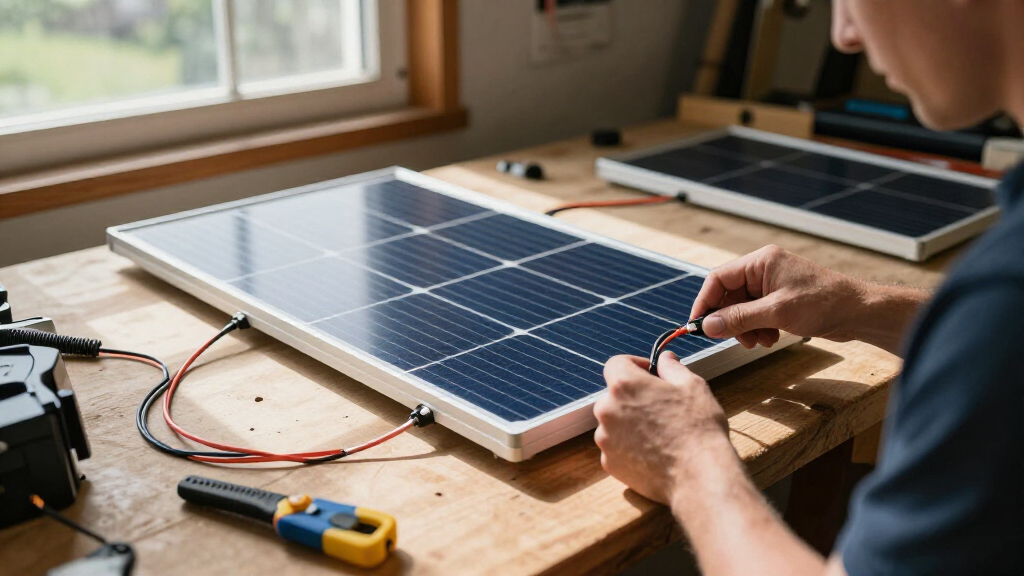
How We Picked
My ranking rests on four criteria, weighted roughly in this order: usable energy storage, daily generation capacity, component completeness, and scalability. Storage came first because a kit with a large inverter but shallow battery drains fast overnight — a common trap in this category where marketing headlines emphasize wattage while the battery does the real work. Generation capacity determined whether a kit could realistically recharge its own battery bank plus cover daytime loads, and completeness decided whether a buyer could actually install the system without sourcing a charge controller, cables, or batteries separately.
I also factored in voltage architecture, favoring 48V systems for whole-home use since they handle higher loads with less line loss and scale more cleanly than 12V or 24V alternatives. Kits were then sorted by intended buyer: whole-home off-grid households at the top, partial-backup and cabin users in the middle, and beginners or RV owners at the entry tier. Where two kits appeared nearly identical on paper — as several ECO-WORTHY configurations do — I ranked the one with the larger battery or more modular storage higher, since that is the component buyers most often wish they had oversized.
Factors to Consider When Choosing Home Solar Power Kits
Before committing to any kit in this lineup, step back and match the system to how you actually use electricity. The mistakes that cost buyers the most money in this category almost always happen before installation begins.Size Your Loads Before You Size Your Kit
The single most common mistake is buying a kit based on its headline wattage rather than a real energy audit. A 10kW inverter means nothing if your household burns through 20kWh a day and the kit’s panels only produce 8kWh in winter conditions. Start by listing your essential loads — refrigerator, well pump, lights, internet, medical devices — and their daily watt-hours, then add 25% headroom. That number tells you both the minimum battery capacity and the panel array size you need. Buyers who skip this step either overspend on capacity they never use or, far more often, discover mid-winter that their “whole home” kit only covers half their needs.
Battery Chemistry and Depth of Discharge
Every kit in this roundup uses LiFePO4 chemistry, which is the right call for home backup — but the spec that matters is usable capacity, not nominal capacity. LiFePO4 batteries safely discharge to 80–100% of their rating, unlike older lead-acid units that only delivered half their sticker figure, so a 10kWh LiFePO4 bank genuinely gives you roughly 10kWh. Still, cold-weather performance varies: charging below freezing degrades lithium cells unless the battery includes low-temperature protection, which not every bundled battery offers. If your kit will live in an unheated garage or shed in a cold climate, verify that feature before buying, because replacing a damaged battery bank erases any savings from a cheaper kit.
Inverter Type and Surge Capacity
A pure sine wave inverter is non-negotiable for home use — modified sine wave power can damage motors, compressors, and electronics. Beyond waveform, check surge capacity: refrigerators, well pumps, and power tools draw two to five times their running wattage at startup, and an inverter that trips offline when the fridge kicks in is useless as backup. A 10kW inverter with 20kW surge handles most households; a 3kW inverter limits you to a handful of circuits. Also confirm whether the inverter supports split-phase 240V output if you need to run well pumps, dryers, or central HVAC — many kit inverters are 120V only, which quietly excludes major appliances from your backup plan.
Installation Reality: DIY Versus Electrician
Most of these kits ship as component collections, not plug-and-play systems. Panel racking, roof sealing, battery wiring, and grid interconnection (if any) typically require permits and a licensed electrician, and off-grid setups over 48V demand respect for arc-flash safety. Smaller kits like the Renogy 400W set are genuinely DIY-friendly for a shed or RV, but a 10kW array on a rooftop is a professional job — factor $2,000–$5,000 of labor into your budget. Buyers who pretend installation is free end up either abandoning the project or cutting safety corners. Ask whether the seller provides wiring diagrams and phone support; that support gap is where budget kits quietly cost more than premium ones.
Scalability and Future Expansion
Your energy needs will grow — an EV, a heat pump, a new workshop — so the question isn’t just what a kit does today but whether it accepts more panels and batteries tomorrow. Kits built on 48V architecture with modular battery racks expand cleanly; systems with proprietary or integrated batteries hit a hard ceiling. Check whether the charge controller and inverter have spare capacity for additional panels, since replacing an undersized MPPT controller later costs more than buying right initially. I weighted scalability heavily in the rankings for exactly this reason: the best whole-home picks are the ones you can grow into rather than out of within three years.
Panel Quality and Real-World Output
Panel wattage ratings assume ideal lab conditions; real roofs deliver 60–80% of sticker output depending on orientation, shading, season, and temperature. Monocrystalline panels — which dominate this lineup — hold their efficiency better in heat and low light than polycrystalline, so the kits here are on solid ground, but count panels rather than trusting totals: twelve 195W panels take up far more roof space than five 590W panels for the same output. If your mounting area is limited, higher-density panels are worth prioritizing even at a modest premium. Also confirm the included panels are certified for rooftop use in your jurisdiction, since some budget panels are listed for ground-mount only.
Frequently Asked Questions
Can a 10kW solar kit really run my whole house off-grid?
It depends entirely on your consumption and the kit’s battery size, not the inverter rating. A typical American home uses 20–30kWh per day, so a 10kW array producing 30–40kWh in summer can cover it — but cloudy winter weeks may cut output by 60% or more, which is when battery depth and a backup generator earn their keep. Among the kits compared here, the 10kW configurations with larger battery banks handle full off-grid living far better than the version with only a 48V 100Ah battery, which is better treated as partial backup. Run an energy audit first; the honest answer for most homes is that whole-home off-grid requires both a large kit and reduced consumption habits.
Why do several ECO-WORTHY kits all say “10kW” but seem different?
The 10kW figure refers to the inverter’s output rating, while the kits differ in panel count, panel wattage, and — most importantly — battery capacity. One configuration pairs the 10kW inverter with a 48V 314Ah battery bank (roughly 15kWh of storage), while another ships with a 48V 100Ah battery (about 5kWh), which changes what the system can actually do overnight. A third differs in panel layout, using higher-wattage panels to reach similar array output with fewer modules. Treat the inverter rating as the ceiling of what can run simultaneously, and compare storage and generation separately — that’s the only way to tell these configurations apart meaningfully.
Do I need a permit or electrician to install one of these kits?
For anything mounted on a dwelling or connected to household wiring, yes in almost every jurisdiction — rooftop racking, electrical interconnection, and battery storage typically require permits and inspection. Small portable setups like the 400W Renogy kit used on an RV, shed, or balcony usually fall outside permit requirements, which is part of why it’s the beginner pick. For the larger 48V off-grid systems, most buyers hire a licensed electrician for the battery-to-inverter-to-panelboard wiring even if they mount panels themselves. Budget for that labor upfront: skipping permits can void your homeowner’s insurance and create serious liability if a battery fire occurs.
Is a smaller kit with a 3000W inverter enough for backup power?
A 3kW pure sine wave inverter can run a refrigerator, lights, internet, phone charging, and a few small appliances simultaneously — which covers most outage scenarios — but it will not start a central air conditioner, electric water heater, or well pump over about 1HP. Kits in this class, like the 3000W 24V system or the 1200W ECO-WORTHY bundle, shine as essentials backup rather than whole-home replacement. The tradeoff is real: they cost far less, install faster, and often work without professional help, but you’re choosing which circuits matter rather than keeping everything running. If your goal is merely riding out multi-day outages comfortably, that’s a rational trade.
What’s the difference between the 24V and 48V systems in this lineup?
Voltage affects how much power the system can move efficiently: at 48V, the same current delivers four times the wattage as at 12V, which means thinner cables, less heat loss, and support for larger inverters like the 5kW and 10kW units in the bigger kits. A 24V system such as the 3000W backup kit is a reasonable middle ground for partial-home loads, keeping component costs down while still handling a few kilowatts. 48V becomes the better choice once you want whole-home inverters, larger battery banks, or future expansion, because everything scales more cleanly. As a rule, 12V belongs in RVs and small sheds, 24V suits cabin and essentials backup, and 48V is the standard for residential off-grid — which is why every whole-home pick here uses it.
Conclusion
Matching the right kit to your situation matters more than any single spec. For best overall, the ECO-WORTHY 10kW Off-Grid Kit with 48V 314Ah Battery delivers the deepest usable storage in the lineup alongside serious generation — the combination that actually sustains a household. The best value pick is the SUNGOLDPOWER 6500W system, which covers most whole-home essentials at a scale and price point where the bigger 10kW kits start to feel like overkill. For best premium, the ECO-WORTHY 9.36kWh 48V system with 5000W inverter offers a more refined, right-sized architecture for buyers who want quality over maximum headline numbers.
If you’re a beginner, start with the Renogy 400W Premium Kit — its included MPPT controller and proven documentation teach you solar fundamentals without a five-figure commitment, and you can add storage later. For specific needs: the 1200W ECO-WORTHY kit and the 4.68kWh 48V system suit RV, cabin, and essentials-backup buyers, while the 3000W 24V kit with 5.12kWh battery is the smartest choice for apartment-adjacent or garage backup where installation must stay simple. Whatever you choose, size the battery to your overnight needs first — that’s the decision that determines whether your kit is a genuine power solution or an expensive accessory.
Fall Picks
fall essentials
As an affiliate, we earn on qualifying purchases.