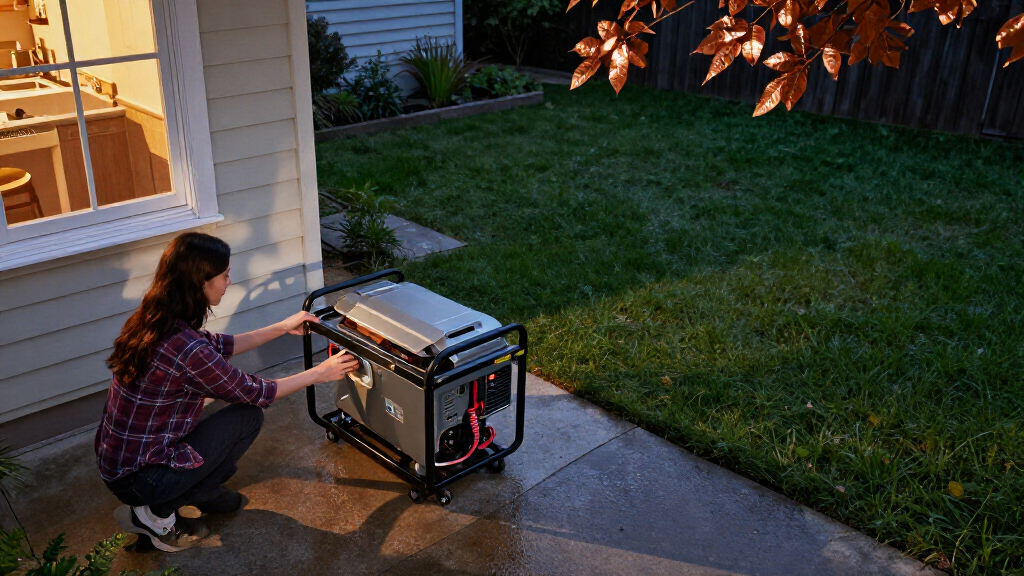
Whole-home backup generators range from permanently installed systems that start automatically to portable units that need setup but offer fuel flexibility. My best overall pick is the Generac 18 kW standby generator, a practical middle ground for homeowners seeking automatic backup without moving to the largest models. The Generac 26 kW with a 200-amp transfer switch suits larger loads, while the Westinghouse WGen20000c offers high output in a portable format. The main tradeoffs are convenience and automatic operation versus installation cost, fuel logistics, and portability. Read on for the full breakdown and help matching generator capacity and type to your home.

Get backup power and energy gear delivered free with Prime
- Fast, free delivery on millions of items
- Prime Video, Amazon Music and more included
- Member-only deals all year
Complete the kit


Key Takeaways
Standby and portable generators solve different problems. The Generac models are designed for automatic home backup, while the Westinghouse and DuroMax units require a more hands-on setup.
The Generac 18 kW is the lineup’s middle-ground standby pick. It sits between the smaller 10 and 14 kW options and the larger 22–26 kW models, making load planning more important than simply choosing the biggest rating.
A transfer switch changes the buying equation. Several Generac listings include a 200-amp transfer switch, while other configurations may require separate equipment or installation planning.
Portable output does not equal automatic whole-home coverage. The Westinghouse WGen20000c has a high stated output, but buyers still need to plan safe connection, fuel supply, and which circuits can run together.
Fuel flexibility appears across several portable picks. Dual-fuel and tri-fuel options can expand supply choices, but the available fuel and generator output may vary by operating mode.
| Generac 18 kW Whole-Home Standby Generator with Cellular Connectivity |  | Best Balanced Standby Pick | Output: 18 kW | Fuel: Natural gas or propane | Voltage: 240 volts | VIEW LATEST PRICE | See Our Full Breakdown |
| Generac 26 kW Whole-Home Standby Generator with 200 Amp Transfer Switch and Cellular Connectivity |  | Best High-Capacity Standby Package | Output: 26 kW | Fuel: Propane or natural gas | Transfer switch: 200 amp automatic | VIEW LATEST PRICE | See Our Full Breakdown |
| Generac 26 kW Whole-Home Standby Generator with Cellular Connectivity | | Best Standby Output Without a Listed Switch Bundle | Output: 26 kW | Running wattage: 26,000 watts | Fuel: Natural gas or propane | VIEW LATEST PRICE | See Our Full Breakdown |
| Generac 14 kW Whole-Home Standby Generator with 200 Amp Transfer Switch and Cellular Connectivity | | Best Lower-Capacity Standby System | Output: 14,000 watts (14 kW) | Fuel: Liquid propane or natural gas | Transfer switch: 200 amp automatic | VIEW LATEST PRICE | See Our Full Breakdown |
| Westinghouse WGen20000c 28,000-Watt Gasoline Portable Generator with Electric Start and CO Sensor |  | Best Portable High-Output Alternative | Running wattage: 20,000 watts | Peak wattage: 28,000 watts | Fuel: Gasoline | VIEW LATEST PRICE | See Our Full Breakdown |
| Generac 24 kW Whole-Home Standby Generator with 200 Amp Transfer Switch and Cellular Connectivity | | Best for High-Load Whole-Home Standby | Running power: 24 kW | Starting power: 24,000 watts | Fuel: Propane; product description also specifies LP or natural gas supply | VIEW LATEST PRICE | See Our Full Breakdown |
| Westinghouse WGen9500DF Dual Fuel Portable Generator, 12,500 Peak Watts |  | Best for Portable, Lower-Load Backup | Running wattage: 9,500 watts on gasoline; 8,500 watts on propane | Starting wattage: 12,500 watts on gasoline; 11,200 watts on propane | Fuel: Gasoline or propane | VIEW LATEST PRICE | See Our Full Breakdown |
| Generac 22 kW Whole-Home Standby Generator with 200 Amp Transfer Switch and Cellular Connectivity | | Best Standby Balance | Running wattage: 22 kW | Starting wattage: 22,000 watts | Fuel: Natural gas or liquefied petroleum gas | VIEW LATEST PRICE | See Our Full Breakdown |
| Westinghouse 13,500 Peak Watt Tri-Fuel Portable Generator with Remote Electric Start and Transfer Switch Ready |  | Best Fuel-Flexible Portable Backup | Peak wattage: 13,500 watts | Running wattage: 10,500 watts | Fuel types: Gasoline, propane, and natural gas | VIEW LATEST PRICE | See Our Full Breakdown |
| Westinghouse 18,000-Watt Tri-Fuel Portable Generator with Remote Electric Start and CO Sensor |  | Best High-Output Portable | Peak wattage: 18,000 watts | Running wattage: 14,500 watts on gasoline | Fuel types: Gasoline, propane, and natural gas | VIEW LATEST PRICE | See Our Full Breakdown |
| Westinghouse WGen14500DFc Dual-Fuel Portable Generator, 18,000 Peak Watts |  | Best High-Output Portable Pick | Fuel: Gasoline or propane | Running / peak output: 14,500 / 18,000 watts | Engine: 713cc 4-stroke OHV V-twin | VIEW LATEST PRICE | See Our Full Breakdown |
| DuroMax XP13000EH 13,000-Watt Dual-Fuel Portable Generator |  | Best Rugged Dual-Fuel Value | Fuel: Gasoline or propane | Running / starting output: 10,500 / 13,000 watts | Engine: 500cc 4-stroke OHV | VIEW LATEST PRICE | See Our Full Breakdown |
| Generac 10kW Whole-Home Standby Generator with Transfer Switch and Cellular Connectivity |  | Best Automatic Standby for Smaller Backup Loads | Output: 10,000 watts starting and running | Fuel: Natural gas or LPG | Transfer switch: 16-circuit switch included | VIEW LATEST PRICE | See Our Full Breakdown |
| DuroMax XP12000EH Dual Fuel Portable Generator |  | Best Midrange Portable Backup | Fuel: Gasoline or propane | Running / starting output: 9,500 / 12,000 watts | Engine: 457cc 4-stroke | VIEW LATEST PRICE | See Our Full Breakdown |
| whole home backup generator | Fuel | Warranty | Voltage | Weight |
|---|---|---|---|---|
| Generac 18 kW Whole-Home Stand | Natural gas or propane | — | 240 volts | 426 pounds |
| Generac 26 kW Whole-Home Stand | Propane or natural gas | 5-year limited warranty | 240 volts | 524 pounds |
| Generac 26 kW Whole-Home Stand | Natural gas or propane | 5-year limited warranty | 240 volts | 524 pounds |
| Generac 14 kW Whole-Home Stand | Liquid propane or natural gas | — | 240 volts | 391 pounds |
| Westinghouse WGen20000c 28,000 | Gasoline | 3-year limited residential warranty | — | — |
| Generac 24 kW Whole-Home Stand | Propane; product description also specifies LP or natural gas supply | 5-year limited | 240 volts | 461 pounds |
| Westinghouse WGen9500DF Dual F | Gasoline or propane | 3-year limited coverage | — | — |
| Generac 22 kW Whole-Home Stand | Natural gas or liquefied petroleum gas | 5-year limited | 240 volts | 451 pounds |
| Westinghouse 13,500 Peak Watt | — | 3-year limited residential | 240 V | — |
| Westinghouse 18,000-Watt Tri-F | — | 3-year limited residential | 120/240 volts | — |
| Westinghouse WGen14500DFc Dual | Gasoline or propane | — | — | — |
| DuroMax XP13000EH 13,000-Watt | Gasoline or propane | — | — | — |
| Generac 10kW Whole-Home Standb | Natural gas or LPG | 5-year limited warranty | — | 384 pounds |
| DuroMax XP12000EH Dual Fuel Po | Gasoline or propane | — | — | — |
More Details on Our Top Picks
Generac 18 kW Whole-Home Standby Generator with Cellular Connectivity
I’d choose this 18 kW automatic standby when I want permanently installed backup without stepping up to the larger 26 kW models. It starts when utility power fails and runs on natural gas or propane, so it can draw from a home’s existing fuel supply rather than relying on stored gasoline. Built-in cellular connectivity adds remote monitoring through Mobile Link, while oil-level sensing and cold-start features support readiness in poor weather. Compared with the Generac 14 kW, this model offers more output for homes with heavier simultaneous loads; the 26 kW Generac is the stronger fit when capacity is the priority. The tradeoff is its substantial installation burden: at 426 pounds, it calls for professional placement, and Mobile Link’s premium subscription is needed for remote updates and maintenance alerts.
Pros:- Automatically detects outages and supplies residential backup power.
- Runs on either natural gas or propane.
- Built-in cellular supports remote monitoring and control.
- Oil-level sensing and cold-start features support readiness in challenging weather.
Cons:- Remote updates and maintenance alerts require a Mobile Link premium subscription.
- At 426 pounds, the unit is heavy and requires careful professional installation.
Best for: Homeowners seeking automatic, permanently installed backup with more capacity than a 14 kW unit and a natural-gas or propane supply.
Not ideal for: Buyers with very high simultaneous electrical loads who may need the 26 kW model, or anyone seeking a portable unit they can move and operate without a fixed installation.
- Output:18 kW
- Fuel:Natural gas or propane
- Voltage:240 volts
- Frequency:60 hertz
- Connectivity:Built-in cellular; Mobile Link app
- Weight:426 pounds
- Dimensions:46.4 × 26.3 × 30.7 inches
- Compatibility:ecobee by Generac thermostats and Generac PWRcell battery systems
Our verdict“Choose this 18 kW Generac for automatic, dual-fuel home backup when the 14 kW model seems limiting but 26 kW capacity is unnecessary.”
Generac 26 kW Whole-Home Standby Generator with 200 Amp Transfer Switch and Cellular Connectivity
This is the lineup’s strongest fit for a homeowner who wants 26 kW of automatic standby output and a 200 amp transfer switch included. When utility power drops, the generator starts and takes over through the automatic switch, reducing the need to manage a portable unit or manually connect circuits. It runs on propane or natural gas and includes cellular monitoring, oil-level monitoring, cold-start support, and a five-year limited warranty. Compared with the otherwise similar Generac 26 kW model without a listed transfer switch, this package makes the transfer hardware explicit, which can simplify choosing a complete system. The higher capacity also sets it apart from the 18 kW Generac for homes with heavier loads. In exchange, it weighs 524 pounds, and remote features through Mobile Link require a premium subscription.
Pros:- 26 kW output provides more capacity than the 14 kW and 18 kW standby options here.
- Includes a 200 amp automatic transfer switch.
- Runs on propane or natural gas and starts automatically during an outage.
- Includes cellular connectivity, oil-level monitoring, cold-start support, and a five-year limited warranty.
Cons:- Mobile Link remote features require a premium subscription.
- At 524 pounds, the generator requires substantial handling and professional installation.
Best for: Homeowners planning automatic backup for a larger household or heavier electrical loads who want a 200 amp transfer switch included in the package.
Not ideal for: Households with modest backup needs, buyers trying to minimize installation complexity, or anyone unwilling to pay for a subscription to access Mobile Link remote features.
- Output:26 kW
- Fuel:Propane or natural gas
- Transfer switch:200 amp automatic
- Voltage:240 volts
- Frequency:60 Hz
- Connectivity:Built-in cellular; Mobile Link premium subscription required
- Weight:524 pounds
- Warranty:5-year limited warranty
Our verdict“Pick this package when you want a high-output Generac standby system with its 200 amp automatic transfer switch specified as included.”
Generac 26 kW Whole-Home Standby Generator with Cellular Connectivity
For buyers prioritizing capacity, this 26 kW standby generator matches the output of the switch-bundled Generac model while offering a separately listed generator package. It automatically detects an outage, runs on natural gas or propane, and includes cellular connectivity for Mobile Link monitoring, along with oil-level monitoring and cold-start support. Its five-year limited warranty is another useful distinction in this group. Compared with the 18 kW Generac, the extra output gives a household more headroom for concurrent loads; compared with the 26 kW version that specifies a 200 amp transfer switch, this listing does not identify that switch as included. Buyers should check the package and installation plan rather than assume the transfer hardware is bundled. The 524-pound weight and subscription requirement for remote Mobile Link features are further tradeoffs.
Pros:- 26 kW output offers more capacity than the 14 kW and 18 kW standby models.
- Automatically detects outages and starts backup power.
- Runs on natural gas or propane.
- Includes cellular connectivity, oil-level monitoring, cold-start support, and a five-year limited warranty.
Cons:- The listed product details do not specify an included transfer switch.
- Mobile Link remote features require a premium subscription.
- At 524 pounds, the generator is difficult to handle without professional installation.
Best for: Homeowners who need 26 kW of automatic standby capacity, have a natural-gas or propane supply, and are arranging transfer-switch equipment as part of a broader installation.
Not ideal for: Buyers who want a clearly bundled 200 amp transfer switch or households whose backup loads can be handled by the 18 kW model.
- Output:26 kW
- Running wattage:26,000 watts
- Fuel:Natural gas or propane
- Voltage:240 volts
- Connectivity:Built-in cellular
- Weight:524 pounds
- Dimensions:46.4 × 26.3 × 30.7 inches
- Warranty:5-year limited warranty
Our verdict“Choose this model for 26 kW standby output when you are sourcing the transfer switch separately or already have a system plan for it.”
Generac 14 kW Whole-Home Standby Generator with 200 Amp Transfer Switch and Cellular Connectivity
This 14 kW standby system is the lower-output choice for homeowners who want automatic backup and a listed 200 amp transfer switch without moving up to Generac’s 18 kW or 26 kW models. It uses an existing natural-gas or liquid-propane supply, starts when utility power fails, and supports remote monitoring through built-in cellular connectivity. Oil-level sensors and cold-start improvements are aimed at keeping the unit ready between outages. Compared with the 18 kW Generac, this model offers less output, so it makes more sense when backup loads are limited or carefully planned; the Westinghouse WGen20000c provides higher stated output but is gasoline-powered and portable rather than an automatic standby system. The 14 kW’s central compromise is capacity: whole-home labeling does not mean every large load can run at once. It is also heavy, and real-time Mobile Link alerts require a premium subscription.
Pros:- Automatically detects outages and starts backup power.
- Includes a 200 amp automatic transfer switch.
- Runs on liquid propane or natural gas.
- Built-in cellular, oil-level sensors, and cold-start improvements support monitoring and readiness.
Cons:- 14 kW provides less output headroom than the 18 kW and 26 kW Generac models.
- Mobile Link real-time updates and maintenance alerts require a premium subscription.
- At 391 pounds, the unit needs professional handling and installation.
Best for: Homeowners with a natural-gas or propane supply who want an automatic standby system and can prioritize essential circuits or manage simultaneous loads within 14 kW.
Not ideal for: Households expecting to run many large electrical loads at once, or buyers who prefer a portable generator that can be moved and fueled manually.
- Output:14,000 watts (14 kW)
- Fuel:Liquid propane or natural gas
- Transfer switch:200 amp automatic
- Voltage:240 volts
- Frequency:60 hertz
- Connectivity:Built-in cellular; Mobile Link app
- Weight:391 pounds
- Enclosure:Fully enclosed stainless steel
Our verdict“Choose this Generac when automatic standby operation and the included transfer switch matter more than the extra capacity of the 18 kW or 26 kW alternatives.”
Westinghouse WGen20000c 28,000-Watt Gasoline Portable Generator with Electric Start and CO Sensor
The WGen20000c is the portable alternative for buyers who value substantial output and mobility over automatic, permanently installed backup. Its 20,000 running watts and 28,000 peak watts exceed the listed running output of the Generac standby models, while a 17.17-gallon gasoline tank is rated for up to 15 hours of runtime. Electric start, 30A and 50A outlets, a CO sensor, and low-oil shutdown make it more practical for planned backup than a basic portable unit. The tradeoff is that it will not automatically take over when utility power fails: an automatic transfer switch is sold separately, and the generator needs gasoline. Compared with the Generac 26 kW standby package, it has higher stated peak output but less hands-off operation and fuel flexibility. Its steel-frame portable design also still requires space, setup, and safe outdoor placement.
Pros:- 20,000 running watts and 28,000 peak watts support substantial backup loads.
- Electric start and 30A and 50A outlets support home-connection setups.
- CO sensor and automatic low-oil shutdown provide safety protections.
- Less than 5% total harmonic distortion is designed for sensitive electronics.
Cons:- Automatic transfer switch is sold separately, and the generator does not provide the same hands-off standby operation as the Generac models.
- Gasoline-only operation offers less fuel flexibility than the natural-gas or propane standby generators.
- Portable operation requires outdoor placement, setup, and fuel management during an outage.
Best for: Homeowners who want high-output portable backup, can store and replenish gasoline safely, and are comfortable arranging a separate transfer switch and manual setup.
Not ideal for: People seeking automatic outage response, a fixed natural-gas or propane connection, or a standby system that does not require manual setup.
- Running wattage:20,000 watts
- Peak wattage:28,000 watts
- Fuel:Gasoline
- Engine:999 cc 4-stroke V-twin OHV
- Tank capacity:17.17 gallons
- Runtime:Up to 15 hours
- Outlets:10 total, including 30A and 50A outlets
- Total harmonic distortion:Less than 5%
- Warranty:3-year limited residential warranty
Our verdict“Choose the WGen20000c for high-output portable backup if you accept gasoline logistics and manual operation instead of automatic standby power.”
Generac 24 kW Whole-Home Standby Generator with 200 Amp Transfer Switch and Cellular Connectivity
For homeowners who want an automatic, permanently installed backup source with more output than the 22 kW Generac, this 24 kW model is the stronger fit. Its 200 amp automatic transfer switch is designed to move the home to generator power when utility service fails, rather than requiring someone to roll out and start a portable unit. Built-in cellular monitoring, oil-level sensing, and cold-start support add useful readiness checks, though remote monitoring and control require a premium Mobile Link subscription. At 461 pounds, this is a fixed installation, not a movable backup option, and it needs an LP or natural gas connection. Compared with the portable Westinghouse 18,000-watt tri-fuel model, it offers automatic standby operation but less fuel flexibility and a more involved installation.
Pros:- Automatically detects utility outages and supplies standby power through the included 200 amp transfer switch.
- 24 kW output is higher than the 22 kW Generac standby model in this roundup.
- Cellular monitoring, oil-level sensing, and cold-start support help track readiness.
- Enclosed design is intended to reduce snow or ice intrusion.
Cons:- Remote monitoring and control require a premium Mobile Link subscription.
- Requires an LP or natural gas connection, limiting fuel flexibility.
- Its 461-pound weight and permanent-installation format are not suited to portable use.
Best for: Homeowners seeking automatic backup for a higher household load who can connect the unit to LP or natural gas and arrange a permanent installation.
Not ideal for: Renters, households without a suitable gas supply, and buyers who want a generator they can move or run on stored gasoline.
- Running power:24 kW
- Starting power:24,000 watts
- Fuel:Propane; product description also specifies LP or natural gas supply
- Voltage:240 volts
- Transfer switch:200 amp automatic
- Weight:461 pounds
- Dimensions:46.4 × 26.3 × 30.7 inches
- Warranty:5-year limited
Our verdict“Choose this Generac if you want higher-output automatic standby power and can support a permanent gas-connected installation.”
Westinghouse WGen9500DF Dual Fuel Portable Generator, 12,500 Peak Watts
The WGen9500DF is the portable alternative for households that do not need a permanently installed standby system. It supplies up to 9,500 running watts on gasoline or 8,500 on propane, with a 50 amp outlet for a compatible home connection; unlike the Generac 22 kW, it will not start automatically when the grid goes down. Its gasoline-or-propane flexibility gives owners a choice during a disruption, while remote, electric, and recoil starting provide several ways to get it running. The 6.6-gallon tank is rated for up to 12 hours, but that runtime and output are not equivalent to the larger Westinghouse 18,000-watt tri-fuel model. Buyers also need to handle minimal assembly and plan for the bulk of a 457cc portable unit.
Pros:- Runs on gasoline or propane, giving owners two fuel choices.
- Remote, electric, and recoil starting offer multiple ways to start the unit.
- 50 amp outlet supports connection to a compatible transfer switch or interlock setup.
- Digital display reports voltage, frequency, and lifetime hours.
Cons:- Does not provide automatic outage detection or automatic transfer to home circuits.
- Running output is below the larger Westinghouse 18,000-watt portable model.
- Its 457cc engine and portable chassis can be cumbersome to move, and minimal assembly is required.
Best for: Households that need portable outage power for selected circuits, want gasoline and propane options, and are comfortable starting and connecting the generator themselves.
Not ideal for: Homeowners seeking automatic whole-home coverage or enough capacity to match a permanently installed 22–24 kW standby generator.
- Running wattage:9,500 watts on gasoline; 8,500 watts on propane
- Starting wattage:12,500 watts on gasoline; 11,200 watts on propane
- Fuel:Gasoline or propane
- Engine:457cc 4-stroke OHV
- Fuel tank capacity:6.6 gallons
- Runtime:Up to 12 hours
- Starting methods:Remote, electric, and recoil
- Warranty:3-year limited coverage
Our verdict“Pick the WGen9500DF for portable, dual-fuel backup to selected household loads, not hands-off whole-home standby service.”
Generac 22 kW Whole-Home Standby Generator with 200 Amp Transfer Switch and Cellular Connectivity
This Generac offers the key advantages of a permanently installed standby system—automatic outage response and an included 200 amp transfer switch—at 22 kW, below the 24 kW Generac in this lineup. That output difference makes the 24 kW model the more compelling choice for buyers prioritizing additional capacity, while this one suits households whose planned load is compatible with 22 kW. It can run on natural gas or liquid propane, a useful choice between a gas utility connection and stored fuel. Cellular monitoring, cold-start support, and oil-level monitoring add readiness features, but app monitoring requires a premium subscription. At 451 pounds, it is a fixed installation rather than a portable backup, and the buyer must account for installation and fuel setup.
Pros:- Automatically starts when utility power is lost and includes a 200 amp automatic transfer switch.
- Runs on either natural gas or liquid propane.
- Cellular monitoring, oil-level monitoring, and cold-start support aid readiness.
- Five-year limited warranty is longer than the portable Westinghouse models’ three-year coverage.
Cons:- The 24 kW Generac offers more output for buyers with higher planned loads.
- Mobile Link remote monitoring requires a premium subscription.
- At 451 pounds, it needs a permanent installation and is not easy to relocate.
Best for: Homeowners who want automatic standby operation, a 200 amp transfer switch, and natural-gas or propane flexibility at 22 kW.
Not ideal for: Households that need more capacity than 22 kW or buyers who want a portable generator that can use gasoline.
- Running wattage:22 kW
- Starting wattage:22,000 watts
- Fuel:Natural gas or liquefied petroleum gas
- Voltage:240 volts
- Frequency:60 hertz
- Transfer switch:200 amp automatic
- Weight:451 pounds
- Warranty:5-year limited
Our verdict“Choose this model when 22 kW suits your load and automatic gas-powered standby matters more than portable operation or extra capacity.”
Westinghouse 13,500 Peak Watt Tri-Fuel Portable Generator with Remote Electric Start and Transfer Switch Ready
This Westinghouse stands out among the portable choices for accepting gasoline, propane, or natural gas, including a direct natural-gas option that the dual-fuel WGen9500DF lacks. Its 10,500 running watts on gasoline can support a substantial set of household loads through a compatible transfer switch, but the switch is sold separately and the generator does not take over automatically like either Generac standby model. The remote key-fob start helps avoid starting it at the unit, while a CO sensor and low-oil shutdown add safety protections. At 25% load, the stated runtime reaches 19 hours, though heavier demand will change fuel consumption. Compared with the Westinghouse 18,000-watt tri-fuel model, this one has lower output but remains a more modest-capacity option for buyers prioritizing fuel choice.
Pros:- Tri-fuel capability includes natural gas, propane, and gasoline.
- Remote key-fob and push-button starting reduce the need for manual recoil starting.
- Up to 19 hours of runtime is stated at 25% load.
- CO sensing and automatic low-oil shutdown add protective features.
Cons:- Transfer switch is sold separately for home backup integration.
- Does not automatically start or transfer household circuits during an outage.
- Heavy, bulky construction can make movement difficult despite its portable format.
Best for: Homeowners who want a portable generator that can use natural gas, propane, or gasoline and can arrange a separate transfer-switch connection.
Not ideal for: Buyers who need automatic whole-home switchover, or households whose loads call for more output than 10,500 running watts on gasoline.
- Peak wattage:13,500 watts
- Running wattage:10,500 watts
- Fuel types:Gasoline, propane, and natural gas
- Engine:500cc 4-stroke OHV
- Tank capacity:36 liters (9.5 gallons)
- Runtime:Up to 19 hours at 25% load
- Voltage:240 V
- Warranty:3-year limited residential
Our verdict“Choose this Westinghouse if three-fuel flexibility matters more than automatic operation or the higher output of the 18,000-watt model.”
Westinghouse 18,000-Watt Tri-Fuel Portable Generator with Remote Electric Start and CO Sensor
Among the portable options here, this Westinghouse delivers the most stated running output: 14,500 watts on gasoline, ahead of the 10,500-watt tri-fuel Westinghouse. That extra capacity can support more connected household loads, but it still is not a hands-off whole-home standby system: the transfer switch is sold separately, and someone must operate the generator when utility power fails. Three fuel choices—gasoline, propane, and natural gas—provide flexibility, while remote and push-button starts reduce effort once the unit is set up. Its less than 5% THD specification and copper windings are relevant for buyers who want to power electronics, and a CO sensor and low-oil shutdown add safeguards. The 16-hour runtime applies at only 25% load on gasoline, so heavy use means more frequent refueling.
Pros:- 14,500 running watts on gasoline exceeds the output of the smaller Westinghouse tri-fuel portable model.
- Runs on gasoline, propane, or natural gas.
- Less than 5% THD and copper windings support use with sensitive electronics.
- Remote and push-button starting, CO sensing, and low-oil shutdown are included.
Cons:- Automatic transfer switch is sold separately, and the generator does not provide automatic standby switchover.
- The stated 16-hour runtime is at 25% load on gasoline, not at full output.
- Its high-output portable format still requires setup and fuel management during an outage.
Best for: Homeowners who need higher portable output for a broad set of household circuits and have a safe connection plan and help managing the generator during outages.
Not ideal for: Buyers who need automatic transfer, cannot manage a heavy portable unit, or expect 16 hours of runtime at substantial loads.
- Peak wattage:18,000 watts
- Running wattage:14,500 watts on gasoline
- Fuel types:Gasoline, propane, and natural gas
- Engine:713cc 4-stroke OHV V-Twin
- Fuel tank capacity:10.5 gallons
- Runtime:Up to 16 hours at 25% load
- Voltage:120/240 volts
- Total harmonic distortion:Less than 5%
- Warranty:3-year limited residential
Our verdict“Pick this model for high portable output and three-fuel flexibility, but choose a Generac standby unit if you need automatic whole-home response.”
Westinghouse WGen14500DFc Dual-Fuel Portable Generator, 18,000 Peak Watts
For a household that wants substantial backup output without installing a fixed standby unit, the Westinghouse WGen14500DFc is the strongest portable option in this group. Its 14,500 running watts exceed the DuroMax XP13000EH’s 10,500, leaving more room for large household loads—though actual coverage depends on appliance demand and a properly installed transfer switch or interlock. Gasoline and propane flexibility can help when one fuel is scarce, while remote and electric start make startup less demanding than on a pull-start-only machine. The 10.5-gallon tank is listed for up to 16 hours at 25% load, not at full household demand, so plan for more frequent refueling under heavier use. It is still a portable generator: unlike the Generac 10kW standby model, it will not start automatically, and its transfer switch is sold separately.
Pros:- 14,500 running watts provide more output headroom than the DuroMax XP13000EH.
- Gasoline and propane operation offer fuel flexibility.
- Remote and push-button electric starting simplify startup.
- CO sensing and automatic low-oil shutdown add built-in protections.
Cons:- Transfer switch is sold separately, adding a required setup step and component.
- The 16-hour runtime figure applies only at 25% load, not typical full-house demand.
- Portable operation requires someone to start, refuel, and manage the generator during an outage.
Best for: Homeowners seeking high portable output, two fuel choices, and transfer-switch-ready 120/240-volt power who can arrange setup and refueling.
Not ideal for: Households that need automatic outage response or hands-off operation, or buyers who want a complete transfer-switch installation included.
- Fuel:Gasoline or propane
- Running / peak output:14,500 / 18,000 watts
- Engine:713cc 4-stroke OHV V-twin
- Fuel tank:10.5 gallons
- Listed runtime:Up to 16 hours at 25% load
- Voltage and outlets:120/240 volts; 7 outlets, including 50A and 30A
- Starting:Electric and remote start
- Safety:CO sensor and automatic low-oil shutdown
Our verdict“Choose this Westinghouse if you want the lineup’s highest stated running output among these portable dual-fuel models and can manage manual backup operation.”
DuroMax XP13000EH 13,000-Watt Dual-Fuel Portable Generator
The DuroMax XP13000EH takes a more rugged, lower-output approach to home backup than the Westinghouse WGen14500DFc. Its 10,500 running watts can support a substantial set of household circuits when paired with a suitable transfer setup, but the Westinghouse offers 4,000 more running watts for homes with heavier simultaneous loads. Gasoline or propane operation adds useful fuel choice, and the 50-amp transfer-switch-ready outlet gives it a clear route into a home backup connection. The metal frame, copper windings, and no-flat tires point toward durability, although at 234 pounds, the tires do not make it easy for one person to move. The supplied runtime figure is only three hours and the listed 0.5-gallon tank volume appears inconsistent with a generator of this size, so buyers should verify those details rather than count on extended operation without refueling.
Pros:- Gasoline and propane operation provide a choice of available fuel.
- 10,500 running watts and a 50-amp outlet suit transfer-switch-connected backup.
- All-metal construction and copper windings are geared toward hard use.
- Electric start, CO sensing, and low-oil shutdown add convenience and protection.
Cons:- At 234 pounds, it is difficult to move despite its no-flat tires and foldable handle.
- The listed three-hour runtime is short for extended outages.
- The stated 0.5-gallon tank volume is an unusual specification and should be confirmed before purchase.
Best for: Homeowners who want a durable, dual-fuel portable unit for selected household circuits and value a 50-amp connection over maximum output.
Not ideal for: Buyers needing longer verified operation between refueling, easy solo portability, or more capacity than 10,500 running watts.
- Fuel:Gasoline or propane
- Running / starting output:10,500 / 13,000 watts
- Engine:500cc 4-stroke OHV
- Starting:Electric start
- Voltage and frequency:240 volts; 60 hertz
- Transfer connection:Transfer-switch-ready 50-amp outlet
- Listed runtime:3 hours
- Weight and dimensions:234 pounds; 30 x 29 x 26 inches
Our verdict“Pick the XP13000EH for rugged dual-fuel backup at moderate household loads, but choose the higher-output Westinghouse WGen14500DFc if you need more simultaneous capacity.”
Generac 10kW Whole-Home Standby Generator with Transfer Switch and Cellular Connectivity
Unlike the portable Westinghouse WGen14500DFc, this Generac is a permanently installed standby generator designed to start automatically when utility power fails. Its included 16-circuit transfer switch makes it a more integrated choice for households that want selected circuits restored without wheeling out equipment or manually starting it. The tradeoff is capacity: at 10,000 watts, it has less stated output than the portable Westinghouse and is better matched to a planned circuit list than an assumption that every large appliance can run at once. It uses natural gas or LPG, which avoids storing gasoline but requires a suitable fuel connection and professional installation. Cellular monitoring can report status and maintenance alerts, though the premium Mobile Link subscription is required for remote monitoring and control. At 384 pounds, this is installed equipment, not something to reposition.
Pros:- Automatically detects an outage and starts supplying backup power.
- Includes a 16-circuit transfer switch for an integrated home setup.
- Runs on natural gas or LPG rather than requiring stored gasoline.
- Cold-start support, oil-level monitoring, and a five-year limited warranty are included.
Cons:- The 10,000-watt output is below the Westinghouse WGen14500DFc’s stated running capacity.
- Cellular remote monitoring and control require a premium subscription.
- At 384 pounds, it requires fixed installation rather than portable placement.
Best for: Homeowners who prioritize automatic outage response, have natural gas or LPG available, and want a standby system covering a planned set of circuits.
Not ideal for: Renters, buyers who need portable or lower-commitment backup, or households whose load plan exceeds 10,000 watts.
- Output:10,000 watts starting and running
- Fuel:Natural gas or LPG
- Transfer switch:16-circuit switch included
- Voltage and frequency:120 volts; 60 hertz
- Monitoring:Cellular connectivity; premium subscription required for remote monitoring and control
- Starting:Automatic outage detection; electronic ignition
- Weight:384 pounds
- Warranty:5-year limited warranty
Our verdict“Choose this Generac if automatic operation and an included 16-circuit switch matter more than the greater output and portability of the Westinghouse WGen14500DFc.”
DuroMax XP12000EH Dual Fuel Portable Generator
The DuroMax XP12000EH sits below the XP13000EH in output, but its 9,500 running watts may be enough for buyers who have mapped out a smaller group of essential circuits. It is also the more restrained of the two DuroMax options here: the XP13000EH supplies 1,000 more running watts, while this model lists an eight-hour runtime and an 8.3-gallon tank. That runtime still depends on load and fuel conditions, so it should not be read as a promise of eight hours powering an entire home. Gasoline and propane flexibility, electric start, and a 50-amp transfer-switch-ready outlet make it useful for planned home backup, while MX2 Power Boost can combine output for compatible 120-volt loads. At 224 pounds, it remains a heavy machine, and it cannot match the automatic outage response of the Generac 10kW standby generator.
Pros:- Gasoline and propane operation offer fuel flexibility.
- 9,500 running watts and a 50-amp outlet support transfer-switch-connected backup.
- Listed eight-hour runtime and an 8.3-gallon tank give a useful planning reference.
- MX2 Power Boost supports compatible 120-volt appliances and RV loads.
Cons:- Its 9,500 running watts trail the XP13000EH and Westinghouse WGen14500DFc.
- The listed eight-hour runtime is load-dependent and may be shorter under heavier household demand.
- At 224 pounds, it is challenging to reposition without help.
Best for: Homeowners who need portable dual-fuel backup for selected circuits and want a 50-amp connection without stepping up to the XP13000EH’s output.
Not ideal for: Households with large simultaneous loads, buyers who need automatic startup, or anyone expecting a lightweight generator to move by hand.
- Fuel:Gasoline or propane
- Running / starting output:9,500 / 12,000 watts
- Engine:457cc 4-stroke
- Fuel tank:8.3 gallons
- Listed runtime:8 hours
- Voltage and outlets:240 volts; 6 outlets, including a 50-amp transfer-switch-ready outlet
- Starting:Electric start
- Weight and dimensions:224 pounds; 29 x 30 x 26 inches
Our verdict“Choose the XP12000EH for portable, dual-fuel backup on a defined set of circuits; step up to the XP13000EH for more running capacity or choose the Generac for automatic operation.”
How We Picked
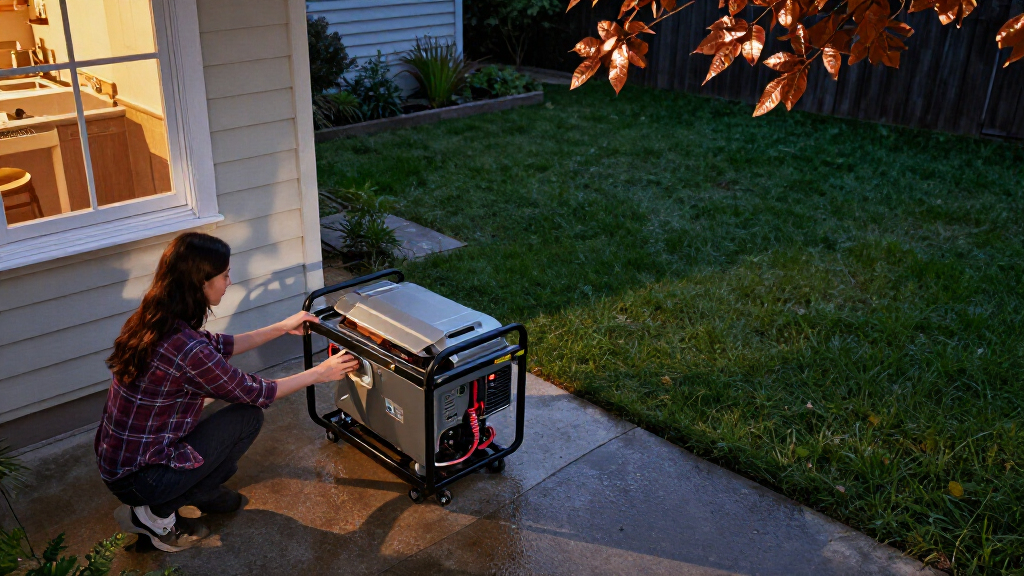
I compared the 14 listed generators through the needs behind a whole-home backup purchase: how power is delivered, how much setup the owner must handle, what transfer equipment is included, and how the listed fuel options shape outage planning. I gave standby models credit for automatic operation and home-oriented transfer-switch configurations, while weighing their fixed installation needs against the flexibility of portable models. Output ratings matter, but they do not by themselves establish that a unit can run every household load at once.
The ranking favors a clear fit for residential backup, useful capacity choices, and a practical balance of convenience and flexibility. The Generac 18 kW leads as a middle-ground standby option; higher-output Generac models move up for homes with greater demand, while lower-capacity models fit more limited load plans. Portable generators rank according to their stated output and fuel versatility, with the tradeoff that the owner must arrange connection and operation. I treat similarly named Generac configurations as distinct where the included transfer switch differs, since that affects purchase planning.
Factors to Consider When Choosing Whole Home Backup Generators
Before choosing a model, decide what “whole home” means for your household. It might mean automatic service to most circuits, or it might mean keeping selected essentials running with a portable unit. These broader decisions can prevent a mismatch that generator wattage alone will not reveal.
Define Which Loads Must Run Together
Make a list of the systems you want during an outage, such as refrigeration, heating equipment, well pumps, lighting, and communications. Then identify which appliances may start at the same time, since startup demand can exceed what a simple sum of running watts suggests. A licensed electrician can help translate those loads into a capacity plan and decide whether a managed-load setup is appropriate. A common mistake is choosing by the largest wattage printed in a product name without checking how that rating is specified. If you can postpone high-demand appliances, a smaller generator may cover your actual priorities. If several large loads must run concurrently, capacity and load management deserve more attention than portability or extra fuel choices.
Choose Automatic Standby or Portable Backup
A standby generator is permanently installed and paired with transfer equipment so backup can begin with less owner involvement. That convenience comes with site preparation, professional installation, and a fixed location. A portable generator can serve selected home circuits and may also be useful away from the house, but it needs safe outdoor placement, connection equipment, and hands-on operation. Do not treat a large portable unit as a plug-and-play substitute for a standby system. Your choice depends partly on whether someone will be home to start and monitor equipment during an outage. Think about outage frequency, mobility needs, and tolerance for setup before comparing output figures.
Check Transfer Equipment and Electrical Compatibility
Generator capacity is only one part of a home backup system: the generator must connect to household wiring through suitable transfer equipment. Some listed Generac configurations include a 200-amp transfer switch, while other configurations may not, so compare the exact listing rather than assuming the accessory is standard. A transfer switch helps isolate the home from utility power and directs generator power to selected or supported circuits. A portable generator may be transfer-switch-ready, but that wording does not mean a switch is supplied or that installation is complete. Ask an electrician to check the service panel, load requirements, and local code needs before ordering. This step can affect the total project scope as much as the generator choice itself.
Plan Fuel Supply for the Outage You Expect
Fuel flexibility can help when one supply is unavailable, but it does not remove the need to plan storage and replenishment. Dual-fuel and tri-fuel portable models offer multiple operating choices, while the usable output can differ by fuel type. Confirm the specific fuel connection, availability, and operating instructions before relying on a particular mode. Gasoline may be familiar but requires safe storage and rotation; a plumbed fuel source has different installation and supply considerations. A common buying error is choosing a multi-fuel model without checking whether the household can access its preferred fuel during a regional outage. Match the generator’s fuel options to what you can safely store or reliably obtain.
Account for Installation, Location, and Safe Operation
Standby units need a suitable outdoor location and professional work for electrical and fuel connections. Portable units also belong outdoors, away from doors, windows, and other openings, because carbon monoxide can enter living spaces. Follow the manufacturer’s placement guidance and local requirements rather than relying on an open garage or a partially enclosed area. Noise, weather exposure, access for maintenance, and distance from the home can shape where a generator can sit. Before purchase, check whether the proposed location supports safe exhaust clearance and convenient servicing. A model that fits the capacity plan may still be a poor choice if the property cannot accommodate it properly.
Compare Ownership Demands, Not Just Purchase Features
Backup equipment needs periodic checks and maintenance, and standby systems and portable units ask for different routines. Review the owner documentation for service intervals, exercise requirements, storage guidance, and the availability of qualified service in your area. Cellular connectivity can help with status monitoring, but it does not replace maintenance or guarantee uninterrupted communication. Portable models require the owner to manage setup, fuel, and safe connection each time they are used. Paying more may make sense when automatic operation or higher capacity directly addresses your household’s needs; it is less compelling if you only need a few essential circuits. Compare the full ownership workload with the level of outage readiness you want.
Frequently Asked Questions
Can a portable generator in this roundup power my entire home?
Not automatically. A portable model’s stated output does not tell you whether every household circuit can run at once, and it does not provide the automatic transfer function of a standby system. An electrician can help determine which circuits are suitable and what transfer equipment is needed. You may be able to cover essential loads while leaving high-demand appliances off or using them at different times. Decide what “entire home” means for your household before treating a portable unit as a full-home solution.
Should I buy a Generac model with the 200-amp transfer switch included?
That configuration may simplify planning, but it does not by itself confirm compatibility with your service panel or complete the installation. Compare the exact product listing, since the Generac options in this roundup do not all specify the same included equipment. Ask an electrician whether the switch suits your home’s service and planned loads. If you already have compatible transfer equipment, another configuration may make more sense. Base the decision on the installed system you need, not the accessory name alone.
How do I decide between the Generac 18 kW and a 22–26 kW standby model?
Start with the loads you expect to run at the same time, including equipment with higher startup demand. The larger models may suit homes with greater electrical needs, but their capacity is not automatically useful if your priority is only a defined set of circuits. Ask a qualified electrician to review the home’s load and whether load management could change the required generator size. Also compare the exact transfer-switch configuration and site requirements. A smaller model that matches a realistic load plan can be a better fit than buying capacity you do not expect to use.
Does a dual-fuel or tri-fuel generator keep running if my preferred fuel is unavailable?
Multiple fuel options can give you alternatives, but only if another listed fuel is available and the unit is configured to use it. Check the model’s operating instructions, fuel connections, and output specifications for each fuel type. Do not assume the same output applies across all modes. You also need a safe supply plan, including storage or a suitable connection, and enough fuel for the outage you are preparing for. Fuel flexibility helps most when you plan how you will access each option before an emergency.
What should I arrange before buying a generator for a home with a well pump or large heating system?
Record the equipment’s electrical requirements and ask an electrician to account for both running and startup demand. A well pump or heating system can affect the capacity plan, especially if it may start while other appliances are running. Confirm how the equipment connects to the home and whether load management or circuit prioritization is needed. Then compare that plan against the generator’s specifications for the intended fuel and configuration. Avoid ordering based only on a general wattage estimate or the number of rooms in the house.
Conclusion
For most buyers seeking an automatic residential setup, I’d start with the Generac 18 kW as the best overall because it occupies the lineup’s middle capacity range. The best premium direction is a Generac 26 kW configuration for households whose load plan supports the added capacity; choose the version with the 200-amp transfer switch if that equipment fits your installation. For value-minded buyers, I’d look at the Generac 10 or 14 kW only after an electrician confirms that a smaller load plan will cover the essentials. The best beginner choice is a standby system with a clearly specified transfer-switch configuration, since it reduces the amount of outage-time setup compared with a portable unit. For buyers who prioritize portability or multiple fuel options, the Westinghouse and DuroMax models are the better match, provided they plan safe placement, connection, and fuel supply. Choose by the backup routine you can support, not output alone.