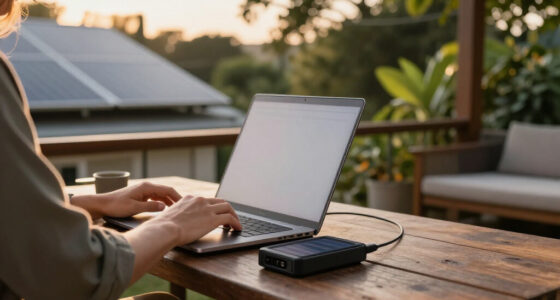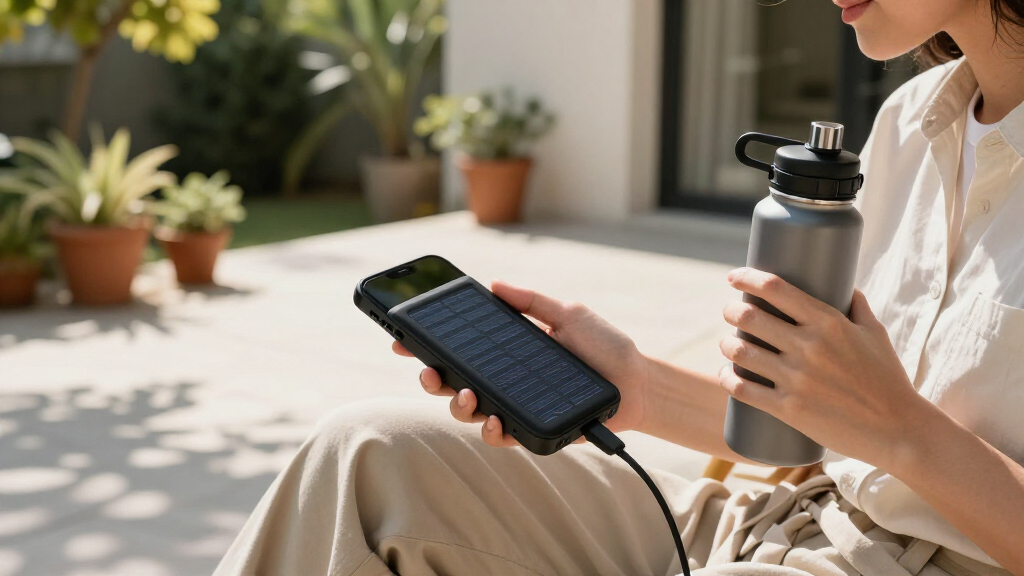

Portable solar power banks promise backup power anywhere the sun shines, but after comparing 15 of the most popular models, I found that real solar charging capability varies enormously — some units take days to recharge themselves by sunlight alone. The SOARAISE 50000mAh Solar Power Bank earns the best overall spot thanks to its huge capacity, 22.5W fast charging, and the strongest solar input in the lineup. For weekend campers, the Blavor 20000mAh wireless charger offers better portability and a wireless pad that actually works, while the FEELLE 50000mAh stands alone with a hand-crank backup that produces power even without sun. The main tradeoff you’ll face: high-capacity rugged models are heavy and slow to self-charge, while lighter models run out of power faster. Keep reading for the full breakdown, including which inflated capacity claims to ignore.

Get backup power and energy gear delivered free — and shop member deals
- Fast, free delivery on millions of items
- Access to Prime Big Deal Days deals on October 6–7
- Prime Video, Amazon Music and more included
Key Takeaways
- Advertised capacity is routinely overstated — several 49800mAh and 50000mAh models deliver roughly half their rated output in real-world use, which reshaped my rankings toward brands with honest specs.
- Solar charging on every model in this roundup is a backup feature, not a primary charging method — none can fully self-charge in a single day of sunlight, so panel wattage matters more than marketing claims.
- The SOARAISE 50000mAh took best overall by combining genuine 22.5W fast charging with the largest usable capacity, beating near-identical competitors on cable quality and solar input.
- Built-in cables (Durecopow, BLASOUL, SOARAISE 48000mAh) proved more valuable than raw capacity for everyday carry, since carrying separate cables defeats the purpose of an all-in-one power bank.
- The FEELLE hand-crank model is the only option here that generates power without any sunlight at all, making it the clear choice for emergency kits — but its crank output is strictly for emergencies, not daily use.
| Solar Charger Power Bank 49800mAh Wireless Portable Phone Charger |  | Best Overall | Capacity: 49800mAh | Fast Charging: 22.5W QC3.0 | Outputs: 6 (USB-A, Type-C, Micro-USB) | VIEW LATEST PRICE | See Our Full Breakdown |
| MINRISE Solar Power Bank 40000mAh Portable Charger with PD 20W |  | Best for Cable-Free Convenience | Battery Capacity: 40000mAh | Fast Charging: 20W Power Delivery | Ports: 10 total | VIEW LATEST PRICE | See Our Full Breakdown |
| Durecopow Solar Charger Power Bank 20,000mAh with 4 Cables and 3 Ports |  | Best Value Pick | Capacity: 20000mAh | Cables: 4 (Type-C, Lightning, Micro USB, USB-A) | Ports: 3 (Type-C in/out, 2 USB-A out) | VIEW LATEST PRICE | See Our Full Breakdown |
| BLASOUL Solar Power Bank 49800mAh Wireless Portable Phone Charger |  | Best Premium Feature Set | Capacity: 49800mAh | Fast Charging: 22.5W wired | Wireless Charging: 15W | VIEW LATEST PRICE | See Our Full Breakdown |
| YELOMIN 38800mAh Solar Power Bank |  | Best Lightweight High-Capacity Option | Capacity: 38800mAh | Input/Output: USB-C, 2x USB-A 5V/2.4A | Weight: 280g | VIEW LATEST PRICE | See Our Full Breakdown |
| Solar Charger Power Bank – 49800mAh QC3.0 Fast Charging Portable Charger |  | Best for Multi-Device Households | Capacity: 49800mAh | Fast Charging: QC 3.0 | Wireless Charging: Yes | VIEW LATEST PRICE | See Our Full Breakdown |
| Blavor Solar Power Bank 20000mAh Wireless Charger for Phones & Apple Watch |  | Best for Apple Watch Owners | Capacity: 20000mAh | Ports: 3 (USB-C, USB-A, iOS) | Wireless Charging: Yes (phones and Apple Watch) | VIEW LATEST PRICE | See Our Full Breakdown |
| Solar Power Bank 40000mAh PD20W Fast Charging Portable Solar Charger |  | Best Weatherproofing | Capacity: 40000mAh | Fast Charging: 20W PD Type-C | Outputs: USB-C, USB-A, Micro USB | VIEW LATEST PRICE | See Our Full Breakdown |
| SOARAISE 50000mAh Solar Power Bank 22.5W Wireless Portable Solar Charger |  | Best for Group Off-Grid Trips | Capacity: 50,000mAh | Wireless Charging: 15W | USB-C Power Delivery: 22.5W | VIEW LATEST PRICE | See Our Full Breakdown |
| Portable Solar Generator 300W with 60W Solar Panel | 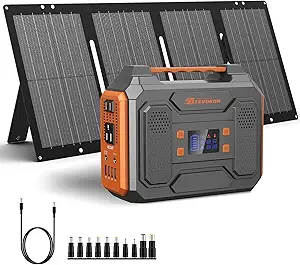 | Best for Real Solar Charging and Laptops | Power Output: 300W | Solar Panel: 60W monocrystalline foldable | Conversion Efficiency: 20.5% | VIEW LATEST PRICE | See Our Full Breakdown |
| Blavor Solar Power Bank 10,000mAh Portable Wireless Charger |  | Best Rugged Everyday Carry | Capacity: 10,000mAh | Input/Output: USB-C with 20W fast charging | Wireless Charging: Yes | VIEW LATEST PRICE | See Our Full Breakdown |
| SOARAISE Solar Power Bank 48000mAh Wireless Battery Pack with 4 Cables |  | Best for Long Group Trips | Capacity: 48000mAh | Solar Panels: 4 high-efficiency panels | Ports: 2 USB-A, 1 USB-C (input/output) | VIEW LATEST PRICE | See Our Full Breakdown |
| Blavor Solar Power Bank 10,000mAh Portable Wireless Charger for Cell Phones |  | Best for Safety-Conscious Hikers | Battery Capacity: 10,000mAh | Connector Types: USB-A, USB-C, iOS | Output Current: 3A | VIEW LATEST PRICE | See Our Full Breakdown |
| SOARAISE Solar Power Bank 48000mAh Wireless Portable Charger with 4 Cables |  | Best Value High-Capacity Pick | Capacity: 48000mAh | Solar Panels: 4 high-efficiency panels | Ports: 2 USB-A, 1 USB-C (input/output) | VIEW LATEST PRICE | See Our Full Breakdown |
| FEELLE Solar Power Bank 50000mAh Magnetic Portable Charger with Hand Crank |  | Best for Emergency Preparedness | Battery Capacity: 50000mAh | Battery Cell Type: Lithium Polymer | Connector Types: USB Type-A, USB Type-C | VIEW LATEST PRICE | See Our Full Breakdown |
| portable solar power bank | Capacity | Wireless Charging | Fast Charging |
|---|---|---|---|
| Solar Charger Power Bank 49800 | 49800mAh | Yes | 22.5W QC3.0 |
| MINRISE Solar Power Bank 40000 | — | — | 20W Power Delivery |
| Durecopow Solar Charger Power | 20000mAh | — | — |
| BLASOUL Solar Power Bank 49800 | 49800mAh | 15W | 22.5W wired |
| YELOMIN 38800mAh Solar Power B | 38800mAh | — | — |
| Solar Charger Power Bank | 49800mAh | Yes | QC 3.0 |
| Blavor Solar Power Bank 20000m | 20000mAh | Yes (phones and Apple Watch) | 20W via USB-C |
| Solar Power Bank 40000mAh PD20 | 40000mAh | — | 20W PD Type-C |
| SOARAISE 50000mAh Solar Power | 50,000mAh | 15W | — |
| Portable Solar Generator 300W | — | — | — |
| Blavor Solar Power Bank 10,000 | 10,000mAh | Yes | — |
| SOARAISE Solar Power Bank 4800 | 48000mAh | Yes | 3A via USB-C port |
| Blavor Solar Power Bank 10,000 | — | Qi compatible | — |
| SOARAISE Solar Power Bank 4800 | 48000mAh | Yes | 3A via USB-C |
| FEELLE Solar Power Bank 50000m | — | — | — |
More Details on Our Top Picks
Solar Charger Power Bank 49800mAh Wireless Portable Phone Charger
This option stands out for balancing sheer capacity with flexibility. At 49800mAh, it clears roughly four full phone recharges, and the 22.5W QC3.0 fast charging across six outputs means a phone, tablet, and headlamp can all top up at once. Compared with the YELOMIN 38800mAh, the extra capacity and IP65 rating make this the safer bet for multi-day trips, though both share the same fundamental weakness: solar input is a trickle, not a primary power source. Wireless charging adds convenience, but stacking wireless plus wired drains the battery noticeably faster. The rugged shell earns its keep in a backpack, but the size means it lives in a pack, never a pocket. This pick makes the most sense for buyers who want one do-everything unit rather than a collection of smaller chargers.
Pros:- Massive 49800mAh capacity handles multiple devices across several days
- 22.5W QC3.0 fast charging with six output options
- IP65 waterproof and shockproof build survives rough handling
- Wireless charging pad eliminates cable clutter
Cons:- Solar charging is too slow to be a primary recharging method
- Large and heavy compared with standard 20000mAh power banks
- Charging several devices at once reduces per-port speed
Best for: Backpackers and campers who need one high-capacity unit to keep several devices alive across a long weekend
Not ideal for: Daily commuters — at this size and weight it’s overkill for topping up a phone between home and office
- Capacity:49800mAh
- Fast Charging:22.5W QC3.0
- Outputs:6 (USB-A, Type-C, Micro-USB)
- Inputs:2 (Type-C, Micro-USB)
- Wireless Charging:Yes
- Waterproof Rating:IP65
- Flashlight:Yes, 3 modes including SOS and strobe
Our verdict“Buy this if you want the most versatile all-around solar power bank in the lineup and accept that solar is a backup feature, not the main event.”
MINRISE Solar Power Bank 40000mAh Portable Charger with PD 20W
The built-in Type-C, iOS, and Micro USB cables are the whole story here: unlike the BLASOUL, which also integrates cables but at a higher price, the MINRISE delivers them alongside a rugged 40000mAh frame. For anyone tired of digging for cords in a tent at midnight, this design removes an entire category of packing frustration. The 20W PD output is quick enough for modern phones, and the dual LEDs rated to 165 feet beat the single flashlights on most rivals here. The tradeoff is honest and worth stating plainly: the 1.8W solar panel is emergency-only, capable of days-long recharge times in real conditions. Wall charging is the realistic way to fill this thing. Compared with the Durecopow 20000mAh, you get double the capacity but also noticeably more bulk in the pack.
Pros:- Three built-in cables cover virtually every device without extra cords
- 40000mAh capacity supports multi-day use for a group
- Waterproof, dustproof, and drop-proof construction
- Dual LED flashlights run up to 25 hours and reach 165 feet
Cons:- Solar recharging is far too slow for anything but emergencies
- Bulkier and heavier than standard power banks
Best for: Travelers and families who hate carrying cables and want one brick that charges everything out of the box
Not ideal for: Gram-counting ultralight hikers — the rugged housing and big battery make it one of the heavier picks in this roundup
- Battery Capacity:40000mAh
- Fast Charging:20W Power Delivery
- Ports:10 total
- Built-in Cables:Type-C, iOS, Micro USB
- Solar Panel Power:1.8W
- Weight:1.1 pounds
- Protection:Waterproof, dust-proof, drop-proof
- Flashlights:Dual LED, up to 165 feet, 25 hours
Our verdict“This model is the right call for buyers who value never packing a cable again over having the fastest charging or lightest load.”
Durecopow Solar Charger Power Bank 20,000mAh with 4 Cables and 3 Ports
Where the BLASOUL and the 49800mAh unit push capacity to extremes, the Durecopow takes the opposite approach: 20000mAh is enough for two to three phone charges, and the included four cables plus carabiner and compass keep the price sensible and the kit practical. This is the pick that makes sense for someone buying their first solar power bank who doesn’t want to pay a premium for capacity they’ll never drain. Charging up to six devices at once is technically possible, though realistically the total output spreads thin fast. The silicone-and-ABS shell feels built for drops and drizzle rather than full submersion, so treat the water resistance as rain protection, not waterproofing. Compared with the MINRISE, you give up half the battery but gain a lighter, cheaper package that suits shorter trips.
Pros:- Four included cables plus carabiner and compass add real value for the price
- Water-resistant and shockproof shell handles typical trail abuse
- 1000+ recharge cycles and a 12-month warranty
- Solar and outlet recharging options add flexibility
Cons:- Smaller capacity than most rivals in this roundup
- Water resistance is limited compared with IP65-rated options
- Too bulky for comfortable pocket carry
Best for: Budget-conscious day hikers and first-time buyers who want a complete accessory kit without overspending
Not ideal for: Off-grid campers on multi-day trips — 20000mAh runs dry quickly when charging phones, cameras, and lights together
- Capacity:20000mAh
- Cables:4 (Type-C, Lightning, Micro USB, USB-A)
- Ports:3 (Type-C in/out, 2 USB-A out)
- Material:Eco-friendly silicone rubber and ABS PC
- Certification:CE, FCC, RoHS
- Features:Water-resistant, shockproof, dual flashlight, compass
- Recharge Cycles:Over 1000
- Warranty:12 months
Our verdict“A sensible entry point that trades capacity for price and accessories — ideal if you’re testing whether a solar power bank fits your routine at all.”
BLASOUL Solar Power Bank 49800mAh Wireless Portable Phone Charger
This option sits at the top of the feature pile: 22.5W wired fast charging, 15W wireless charging, built-in cables, and IP65 resistance in one package. Compared with the MINRISE, the BLASOUL adds a stronger wireless output and faster wired speeds, which justifies its premium positioning for buyers who charge flagship phones. Against the Solar Charger Power Bank 49800mAh, the differences narrow — both share the same capacity and 22.5W output — so the deciding factors become price and whether built-in cables matter more to you than a sixth port. The drawbacks are the ones that come with the territory: it’s heavy, bulky, and priced accordingly. Solar input remains a backup rather than a genuine recharging strategy, so plan on wall charging before any trip. This pick makes the most sense for users who want maximum capability in a single purchase and are willing to pay for it.
Pros:- 15W wireless charging is faster than most competitors offer
- 22.5W wired fast charging matches the quickest picks here
- Built-in cables remove the need to pack cords
- IP65 water and dust resistance for outdoor durability
Cons:- Higher price point than similarly sized alternatives
- Heavy and bulky for everyday portable use
- Solar charging efficiency varies with weather and sun angle
Best for: Tech-forward buyers with flagship phones who want the fastest wired and wireless charging in one rugged unit
Not ideal for: Value shoppers — the same capacity is available elsewhere in this roundup for less if you can live without 15W wireless charging
- Capacity:49800mAh
- Fast Charging:22.5W wired
- Wireless Charging:15W
- Input/Output:USB-A, USB-C, Micro, Wireless
- Water/Dust Resistance:IP65
- Flashlight:LED with SOS and strobe modes
Our verdict“Worth the premium only if fast wireless charging and integrated cables are must-haves; otherwise the cheaper 49800mAh options cover the same basics.”
YELOMIN 38800mAh Solar Power Bank
At 280g, the YELOMIN undercuts the MINRISE by roughly half the weight while still carrying 38800mAh — that ratio is the reason it earns a spot. For hikers who count grams but still want multi-day capacity, this is the middle path between the compact Durecopow 20000mAh and the heavyweight 49800mAh units. The tradeoff for the weight savings is charging speed: 5V/2.4A USB-A outputs fall well short of the 20W-22.5W PD charging on the BLASOUL or MINRISE, so phones refill slowly when plugged into the A ports. USB-C fast charging helps, but multi-device users will feel the difference. The dual flashlights with SOS and strobe modes are genuinely useful, and the waterproof, dustproof shell holds up on the trail. Just treat solar as it deserves: a supplement for emergencies, not a plan.
Pros:- Lightest high-capacity option at 280g
- 38800mAh battery covers multiple days of typical phone use
- Waterproof and dustproof rugged construction
- Dual LED flashlights with steady, SOS, and strobe modes
Cons:- USB-A outputs limited to 5V/2.4A — slower than PD-equipped rivals
- Solar charging works only as an emergency supplement
- Bulkier than compact everyday-carry chargers
Best for: Weight-conscious hikers and travelers who want near-maximum capacity without the heft of the biggest models
Not ideal for: Buyers who prioritize fast charging — the 2.4A USB-A ports lag well behind the PD options elsewhere in this roundup
- Capacity:38800mAh
- Input/Output:USB-C, 2x USB-A 5V/2.4A
- Weight:280g
- Recharge Options:Solar, wall adapter
- Flashlight Modes:Steady, SOS, Strobe
- Protection:Waterproof and dustproof
Our verdict“The smart choice if capacity-per-gram is your metric, provided you accept slower charging than the PD-based competition.”
Solar Charger Power Bank – 49800mAh QC3.0 Fast Charging Portable Charger
This option stands out for its built-in four-cable setup, which removes the most common frustration of power banks: forgetting cords. Where the Blavor 20000mAh asks you to bring your own cables for most devices, this model keeps everything self-contained, making it a sensible pick for families or groups where several people need a charge at once. The 49800mAh capacity translates to roughly eight or nine full phone recharges, and QC 3.0 support means flagship phones top up quickly rather than trickling overnight.
The tradeoff is weight and honesty about solar. At this capacity the unit is genuinely heavy for a pocket, and the IP65 rating, while adequate for rain splashes, is a step below the IP67 sealing on the 40000mAh model below. Solar input is emergency-only, so plan to recharge from the wall between trips.
Pros:- Four built-in cables eliminate the need to pack cords
- Huge 49800mAh capacity covers multiple devices for days
- QC 3.0 fast charging plus wireless charging pad
- IP65 waterproofing and rugged ABS/PC shell handle camp conditions
Cons:- Heavy and bulky compared to 20000mAh alternatives
- Solar charging is far too slow to be a primary power source
Best for: Families or group campers who need to charge several phones at once without carrying extra cables
Not ideal for: Day hikers or ultralight backpackers — the high-capacity battery makes it too heavy to carry comfortably on foot
- Capacity:49800mAh
- Fast Charging:QC 3.0
- Wireless Charging:Yes
- Output:4 built-in cables, 2 USB-A, wireless pad
- Input:USB-A, USB-C
- Waterproof Rating:IP65
- Extras:LED flashlight with Steady, SOS, and Strobe modes
Our verdict“Buy this if you’re charging a group’s devices from one brick and hate managing cables; skip it if you count grams on the trail.”
Blavor Solar Power Bank 20000mAh Wireless Charger for Phones & Apple Watch
Most solar power banks in this roundup treat the Apple Watch as an afterthought; Blavor designed a charging surface for it specifically. That alone separates this model from the SOARAISE 50000mAh, which offers more raw capacity but no Watch-specific support. At 20000mAh, this pack recharges a phone four to five times — enough for a long weekend — without the brick-like weight of the 40000mAh-plus competitors.
The bundled survival kit (compass, thermometer, carabiner, rope, camping light) adds genuine trail value, and the shockproof, dustproof, waterproof build feels like it belongs outdoors rather than surviving by accident. The honest drawback: Blavor publishes no weight or dimensions, so buyers with strict pack limits are guessing on size. Compared with the similarly rugged 40000mAh PD20W model, you give up roughly half the capacity in exchange for the Watch charging and a lighter theoretical load.
Pros:- Dedicated Apple Watch wireless charging surface, rare in this category
- Full outdoor kit including compass, thermometer, and camping light
- Waterproof, shockproof, and dustproof construction
- 20W USB-C fast charging keeps phone downtime short
Cons:- No published weight or dimensions make pre-trip planning difficult
- Capacity is modest compared to 40000-50000mAh rivals at similar prices
Best for: Apple Watch owners who camp or travel and want one pack to top up both Watch and iPhone
Not ideal for: Power users who need laptop or multi-day off-grid charging — 20000mAh runs out fast under heavy demand
- Capacity:20000mAh
- Ports:3 (USB-C, USB-A, iOS)
- Wireless Charging:Yes (phones and Apple Watch)
- Fast Charging:20W via USB-C
- Battery Type:Rechargeable lithium polymer
- Durability:Waterproof, shockproof, dustproof
- Extras:Flashlight, camping light, compass, thermometer, carabiner, rope
Our verdict“The obvious choice if an Apple Watch is part of your kit; capacity-first buyers should look at the bigger bricks instead.”
Solar Power Bank 40000mAh PD20W Fast Charging Portable Solar Charger
When conditions turn genuinely ugly, IP67 sealing is the differentiator. This model survives full water immersion where the 49800mAh QC3.0 charger’s IP65 rating only tolerates splashes — a real distinction for kayakers, anglers, and anyone whose gear gets rained on hard. Capacity lands at a practical middle ground: 40000mAh covers several days of phone and tablet use without the bulk penalty of the SOARAISE 50000mAh.
The 20W PD Type-C port is the headline electrical feature, meaning modern phones and small tablets recharge at full speed rather than the slower rates typical of budget solar banks. Dual LED flashlights with four modes, including emergency signaling, round out the outdoor package. The frank tradeoff is solar input: the panel is an emergency trickle, not a charger, so this still functions mainly as a wall-charged battery you carry into the field. Size is also closer to the mega-capacity packs than to a pocket accessory.
Pros:- IP67 rating beats the IP65 competition for true waterproofing
- 20W PD Type-C charges modern phones at full speed
- 40000mAh balances capacity against manageable size
- Dual LED flashlights with four modes including SOS
Cons:- Solar charging is slow and emergency-only
- Physically large compared to 20000mAh models
Best for: Paddlers, anglers, and wet-weather campers who need a power bank that shrugs off immersion and mud
Not ideal for: Anyone hoping to solar-charge as a primary method — the panel is too slow for anything but topping up in emergencies
- Capacity:40000mAh
- Fast Charging:20W PD Type-C
- Outputs:USB-C, USB-A, Micro USB
- Input:USB-C
- Flashlights:Dual LED, 4 modes
- Waterproof Rating:IP67
- Material:ABS
Our verdict“The pick for wet, rough environments where immersion protection matters more than maximum capacity.”
SOARAISE 50000mAh Solar Power Bank 22.5W Wireless Portable Solar Charger
This model makes sense for the buyer whose priority is raw endurance: 50000mAh is enough to keep a small group’s phones alive across several off-grid days, and the ability to run six devices simultaneously — via two built-in cables (USB-C and Lightning), three extra ports, and a 15W wireless pad — means no queuing for a turn. The 22.5W USB-C output edges out the 20W on the 40000mAh PD model, shaving minutes off phone recharges.
Compared with the 49800mAh QC3.0 charger, the SOARAISE leans harder into the survival-tool angle with its compass and thermometer, but pays for everything with bulk — this is a basecamp item, not something that rides unnoticed in a jacket pocket. Wireless charging also slows considerably through thicker cases, and like every solar bank here, the panel functions as a backup rather than a real charging strategy. Treat sunlight as a bonus, not a plan.
Pros:- 50000mAh capacity supports multi-day, multi-person use
- Charges up to six devices at once with built-in and wireless options
- 22.5W USB-C output is faster than most rivals in this class
- Waterproof, shockproof, dustproof build with compass and thermometer
Cons:- Solar panel is backup-only and slow to contribute meaningful charge
- 15W wireless charging slows or stalls through thick cases
- Bulky even by high-capacity standards
Best for: Basecamp organizers and group trip leaders who need one high-capacity station for many devices over multiple days
Not ideal for: Solo day-trippers or everyday commuters — the size and weight are wasted on light usage
- Capacity:50,000mAh
- Wireless Charging:15W
- USB-C Power Delivery:22.5W
- Ports:2 built-in cables (USB-C, Lightning) plus 3 ports
- Waterproof:Yes
- Shockproof:Yes
- Extras:Flashlight, compass, thermometer
Our verdict“The group-trip workhorse when capacity and simultaneous charging outrank portability.”
Portable Solar Generator 300W with 60W Solar Panel
Every other product in this roundup treats solar as a token feature; this one actually means it. The bundled 60W monocrystalline foldable panel with 20.5% conversion efficiency can genuinely replenish the battery during a sunny day — a category difference from the small panels on the SOARAISE 50000mAh, which trickle-feed at best. The two AC outlets open up laptop charging, camera batteries, and small appliances that no USB-only power bank can touch, making this the only option here for working off-grid.
It’s also the least “power bank” of the group: this is a small generator with a panel to carry, closer to car-camping kit than backpacking gear. The 300W ceiling rules out kettles, hair dryers, and most power tools, and the solar panel’s junction box is not waterproof, so rain management matters more than with the sealed IP67 handhelds.
Pros:- 60W solar panel provides genuine recharging, not just emergency trickle
- Two AC outlets support laptops and small appliances
- Multiple inputs: solar, wall AC, and car charging
- Full protection suite covering short circuit, overload, and overheating
Cons:- Hard 300W ceiling excludes many common appliances
- Junction box on the solar panel is not waterproof
Best for: Car campers, van lifers, and remote workers who need laptop-class AC power and solar that actually recharges the battery
Not ideal for: Backpackers and anyone needing pocketable phone backup — this is a station, not a carry-along charger
- Power Output:300W
- Solar Panel:60W monocrystalline foldable
- Conversion Efficiency:20.5%
- Outlets:2 AC, 1 DC, 3 USB, 1 quick-charge USB
- Battery Management System:Yes
- Protection:Short circuit, over-current, over-voltage, overload, overheating
- Accessories:AC adapter, cigarette lighter adapter, car cable, solar panel kit
Our verdict“If solar charging needs to be real rather than decorative and laptops are on the menu, this is the pick; everyone else should stay with the handheld banks.”
Blavor Solar Power Bank 10,000mAh Portable Wireless Charger
This Blavor model earns its spot as the rugged everyday carry pick because it shrinks the solar power bank concept down to something you can actually keep in a bag or glovebox. At 10,000mAh, it holds far less than the SOARAISE 48000mAh, but that smaller cell is exactly why it stays pocket-friendly and practical daily. The 20W USB-C output means a phone gets topped up fast, and the IPX5 rating plus shockproof housing give it genuine trail credibility — unlike bare plastic competitors that only look outdoorsy. Compared with the slightly heavier Blavor B07T2NRK8G, this one trims weight while keeping wireless charging, though you give up the dual flashlights. The tradeoff is honest: solar input is a backup feature, not a primary charging method, so treat the panels as emergency insurance rather than a daily power plan.
Pros:- 20W USB-C fast charging tops up phones quickly
- IPX5 waterproof, dustproof, shockproof build for real outdoor abuse
- Wireless charging plus wired ports handle multiple devices at once
- Built-in flashlight and compass add genuine trail utility
Cons:- 10,000mAh capacity means multiple recharges for tablets or multi-day use
- Solar charging is slow and highly weather-dependent
Best for: Day hikers and commuters who want a compact, weather-resistant backup charger that disappears into a pocket
Not ideal for: Off-grid campers who need to recharge devices mostly from sunlight — the small capacity and modest panel area won’t keep up
- Capacity:10,000mAh
- Input/Output:USB-C with 20W fast charging
- Wireless Charging:Yes
- Waterproof Rating:IPX5
- Material:Flame-retardant ABS and PC
- Battery Type:Lithium-cobalt
Our verdict“The right pick if you want a rugged, pocket-sized safety net rather than a true solar charging station.”
SOARAISE Solar Power Bank 48000mAh Wireless Battery Pack with 4 Cables
Where the compact Blavor 10,000mAh covers one person for a day, the SOARAISE 48000mAh is built to keep an entire campsite running. Four fold-out solar panels give it a real charging surface — noticeably more than single-panel rivals like the YELOMIN 38800mAh — so it actually harvests meaningful power when left in the sun at basecamp. The standout convenience is the built-in cable set (USB-C, Lightning, USB-A, Micro): nobody has to remember their own cord, which matters more with kids or a group than any spec sheet suggests. Compared with its sibling, the SOARAISE B0F4DLKXJB, this version pairs the same panel array with wireless charging on top. The honest tradeoff is weight and cost — it’s heavy, bulky, and priced above standard power banks, and it only makes sense if you genuinely need that much stored energy.
Pros:- 48000mAh capacity supports many days of device recharges
- 4 solar panels charge noticeably faster than single-panel designs
- Built-in cables eliminate forgotten-cord emergencies
- Wireless charging plus three ports handles simultaneous top-ups
Cons:- Heavy and bulky compared with compact 10,000mAh options
- Higher price than standard non-solar power banks
- Solar charging still needs direct, sustained sunlight to be useful
Best for: Families or small groups on multi-day camping trips who need to recharge several phones and tablets from one shared power source
Not ideal for: Solo day-trippers and ultralight backpackers — the weight and bulk are wasted on a single phone
- Capacity:48000mAh
- Solar Panels:4 high-efficiency panels
- Ports:2 USB-A, 1 USB-C (input/output)
- Built-in Cables:USB-C, Phone, USB-A, Micro
- Wireless Charging:Yes
- Fast Charging:3A via USB-C port
Our verdict“The group-trip workhorse — buy it for shared, multi-day power, not for solo carry.”
Blavor Solar Power Bank 10,000mAh Portable Wireless Charger for Cell Phones
This Blavor variant differentiates itself from the near-identical Blavor B07FDXDB3W by leaning into safety: dual flashlights, a compass, and a 3-year warranty make it the version I’d point nervous hikers or emergency-kit builders toward. At 9.3 ounces it’s heavier than the alternative Blavor, and that weight buys brighter lighting and peace of mind rather than more capacity — a reasonable exchange if this lives in a go-bag. Qi wireless charging works through the rugged shell, and the 3A output keeps pace with phones. Compared with the giant SOARAISE models, it sacrifices endurance for carry comfort and one-handed use. The tradeoffs worth flagging: it’s capped at 5V charging, so it won’t fast-charge high-voltage gear, and 10,000mAh means roughly two phone fills before you’re hunting for an outlet.
Pros:- Dual flashlights and compass make it a genuine emergency tool
- Qi wireless plus USB-A, USB-C, and iOS ports cover every common device
- Waterproof, dustproof, and shockproof housing survives drops and rain
- 3-year warranty backs the rugged claims
Cons:- 9.3 ounces is heavy for the capacity offered
- Limited to 5V output — no high-voltage fast charging
Best for: Emergency-preparedness planners and hikers who value built-in lighting, a compass, and a long warranty over raw capacity
Not ideal for: Anyone charging tablets or power-hungry devices — 10,000mAh and 5V-only output won’t keep up
- Battery Capacity:10,000mAh
- Connector Types:USB-A, USB-C, iOS
- Output Current:3A
- Wireless Charging:Qi compatible
- Waterproof Rating:IPX5
- Weight:9.3 ounces
- Dimensions:5.91 x 3.07 x 0.87 inches
- Warranty:3 years
Our verdict“Choose this over the lighter Blavor if the flashlight and safety features matter more than shaving a few ounces.”
SOARAISE Solar Power Bank 48000mAh Wireless Portable Charger with 4 Cables
Think of this as the pragmatic sibling of the SOARAISE B0FL7GPT5L: same 48000mAh cell, same four-panel solar array, same built-in cable set, positioned to win on price. If the premium version stretches your budget, this one delivers the core promise — multi-day power for a group — without paying for extras. Compared with the FEELLE 50000mAh, it skips the hand crank and magnetic mounting in favor of a simpler, more familiar design, which means fewer features that can break but also no emergency cranking when the sun fails. The tradeoffs are the ones that come with any battery this size: it’s heavy in a backpack, and solar replenishment crawls under clouds. If most of your charging happens from a wall before the trip, and solar is your safety net, those drawbacks are easy to accept at this price.
Pros:- 48000mAh capacity rivals pricier competitors at a lower price
- Built-in USB-C, Lightning, USB-A, and Micro cables cover mixed device groups
- 4 solar panels outperform single-panel designs in direct sun
- Wireless charging adds cable-free convenience at camp
Cons:- Heavy and bulky for carrying any real distance
- Solar charging slows dramatically in weak sunlight
Best for: Budget-minded campers who want maximum stored capacity and built-in cables without paying the premium-tier price
Not ideal for: Weight-conscious backpackers or anyone expecting solar to be the primary charging method — it’s a supplement, not the main plan
- Capacity:48000mAh
- Solar Panels:4 high-efficiency panels
- Ports:2 USB-A, 1 USB-C (input/output)
- Built-in Cables:USB-C, Phone, USB-A, Micro
- Wireless Charging:Yes
- Fast Charging:3A via USB-C
Our verdict“The smart money pick if you want big capacity and don’t need the FEELLE’s hand crank or magnetic extras.”
FEELLE Solar Power Bank 50000mAh Magnetic Portable Charger with Hand Crank
The FEELLE earns the emergency-preparedness slot for one feature nothing else in this lineup has: a hand-crank generator. When clouds kill the solar input and the 50,000mAh cell runs dry, you can still produce a trickle of power by hand — a genuine last-resort option the SOARAISE models and both Blavors simply can’t match. Add magnetic wireless charging that snaps onto recent iPhones, four solar panels, a compass, and a flashlight, and this is effectively a survival kit in one brick. Compared with the SOARAISE B0F4DLKXJB, you trade a little portability for redundancy — and redundancy is the whole point of a go-bag. The downsides are real, though: magnetic charging struggles through thick phone cases, and the sheer weight makes it a basecamp or car-trunk item, not a hiking companion.
Pros:- Hand-crank charging provides power when solar and stored energy are gone
- 50,000mAh capacity is the largest in this batch
- Magnetic wireless charging snaps neatly onto recent iPhones
- Shockproof, dustproof, waterproof build with compass and LED flashlight
Cons:- Magnetic wireless charging weakens or fails through thicker cases
- Heavy and bulky — impractical for long carries
- Solar efficiency drops sharply in poor sunlight
Best for: Emergency-kit builders and car-campers who want a power source that still works when the sun and the battery are both spent
Not ideal for: Case-heavy iPhone users and anyone on foot for long distances — the magnetic pad fights thick cases and the weight adds up fast
- Battery Capacity:50000mAh
- Battery Cell Type:Lithium Polymer
- Connector Types:USB Type-A, USB Type-C
- Solar Panels:4 panels
- Charging Options:Magnetic wireless, wired, solar, hand-crank
- Output:5V, 3A
- Number of Ports:3
- Extras:Built-in cable, compass, LED flashlight
Our verdict“The pick for preparedness-minded buyers who value a hand-crank backup over every ounce of portability.”
How We Picked
I evaluated these 15 power banks against five buyer-facing criteria: usable capacity (measured against advertised ratings, since inflated mAh claims are rampant in this category), solar charging performance (panel size, claimed input wattage, and honesty about how long solar recharging actually takes), output speed and versatility (fast-charging protocols, wireless charging, number and type of ports), build quality and weather resistance (ruggedness, waterproofing, weight), and value for money. Because several of these products look nearly identical on paper — there are three Blavor models and two SOARAISE 48000mAh variants in the lineup — differentiators like warranty support, cable quality, and included accessories decided the final order.
The ranking logic prioritizes what actually matters off-grid: a power bank that charges slowly or dies in light rain is worse than a smaller one that performs reliably. High-capacity models with honest specs ranked above inflated ones, and models that include built-in cables or wireless charging ranked above similarly priced units without them. The 300W portable solar generator sits last not because it’s a bad product, but because it serves a different buyer — it’s a base-camp power station, not a pocketable power bank.
Factors to Consider When Choosing Portable Solar Power Banks
Before picking a specific model, it helps to understand what actually separates a useful solar power bank from an expensive paperweight. These are the factors that shaped my rankings — and the mistakes I see buyers make most often.Real Capacity vs. Advertised Capacity
The biggest trap in this category is the mAh number on the box. Many budget brands advertise cell capacity at the cell’s internal voltage (3.7V) rather than the 5V output your phone actually receives, which means a “49800mAh” bank may only deliver 20,000–25,000mAh of usable charge. Some listings exaggerate further and put physically impossible capacities in tiny housings. A quick sanity check: a genuine 50,000mAh bank cannot weigh under a pound, because lithium cells have a fixed energy-to-weight ratio. If a palm-sized power bank claims 50,000mAh, treat that number as marketing fiction and estimate real capacity from its weight. Buying a bank with an honest 20,000mAh rating from a reputable brand almost always beats a mystery 49,800mAh unit at the same price.
Solar Input: What to Actually Expect
Every solar power bank in this roundup has a small panel — usually 1 to 5 watts — which means solar recharging is a trickle, not a flood. Under ideal direct sunlight, most of these banks regain only 5–15% of their charge per day. The realistic role of the onboard panel is maintenance and emergency top-ups, not full recharges. If you genuinely need to live off solar for multi-day trips, you’re better served by a separate foldable 20–60W panel feeding a power bank via USB than by any all-in-one unit. That’s a large part of why I ranked panel honesty and input wattage heavily: models that acknowledge their solar limits are more trustworthy than those implying sunlight alone will keep you powered indefinitely. Also note that panels charge far slower through windows, clouds, or at an angle — real-world output is often half the spec sheet figure.
Charging Speed and Output Options
Output wattage determines how quickly your devices charge and whether the bank can handle anything beyond a phone. PD 20W or QC 3.0 support is the practical minimum for fast-charging modern phones; 22.5W models like the SOARAISE charge noticeably faster than older 10W units. Wireless charging is convenient but typically limited to 5–10W, so treat it as a bonus rather than a primary charging method. Port selection matters more than most buyers expect: a bank with USB-C in/out can be recharged with the same cable as your phone, while micro-USB-only models force you to carry extra cables. Built-in cables eliminate that problem entirely, which is why the Durecopow and SOARAISE 48000mAh models score well for everyday carry despite middling specs elsewhere.
Ruggedness and Weather Resistance
If you’re buying a solar power bank for camping or emergencies, water and drop resistance should influence your choice more than raw capacity. Look for IP65 or higher ratings — the YELOMIN’s true waterproofing puts it ahead of models that merely claim to be “rugged.” Rubberized edges, port covers, and attached flashlights all add genuine value in the field. One caveat: waterproof claims on unbranded budget banks are frequently unverified, so check whether a specific IP rating is stated rather than vague language like “weatherproof.” Also weigh the tradeoff honestly — ruggedized housings add weight, and a 1.5-pound bank gets left behind on day hikes. For car camping it’s irrelevant; for backpacking, a lighter 10,000mAh unit like the Blavor is the smarter call.
Weight, Size, and Portability Tradeoffs
High-capacity solar banks are heavy — often 1.5 to 2.5 pounds — and that weight defeats the purpose if the bank stays home. Before buying, decide whether you need multi-phone-day capacity or single-trip insurance. A 10,000mAh model fully charges most phones twice and fits in a jacket pocket; a 50,000mAh model charges a phone eight or more times but belongs in a pack, not a pocket. Frequent flyers should also note that anything above ~27,000mAh (100Wh) is prohibited in carry-on luggage on most airlines, which makes the giant banks a no-go for air travel. The sweet spot for most buyers is 20,000–30,000mAh: enough for a long weekend, light enough to carry, and airline-legal.
When a Power Station Beats a Power Bank
The 300W portable solar generator in this roundup highlights a category boundary worth understanding. If your needs include laptops, small appliances, CPAP machines, or multi-day power outages, a power station with a separate panel is the right tool, not an oversized power bank. Power stations deliver AC output, far larger batteries, and genuine 60W solar input that can recharge meaningfully in a day of sun. Conversely, if you only need to keep a phone and earbuds alive, a power station is overkill — heavier, pricier, and less convenient to carry. A common mistake is buying a giant “solar generator” for phone charging and discovering it’s overkill, or the reverse: buying a power bank and expecting it to run a laptop. Match the tool to your actual devices before comparing specs.
Frequently Asked Questions
Can a solar power bank actually recharge itself using only sunlight?
Only very slowly, and this surprises most buyers. The small panels on these banks typically generate 1–5 watts, which means a full solar recharge of a large bank can take several days of direct sunlight — and panels lose roughly half their output through clouds, windows, or poor angling. The onboard solar panel works best as a trickle maintainer that slowly offsets standby drain, or as an emergency last resort when no outlet exists. If your trip depends on solar recharging, pair a standard power bank with a separate foldable 20W+ panel instead. Every model in this roundup is designed primarily for outlet recharging at home, with solar as a backup feature.
Are 49800mAh and 50000mAh solar power bank claims legitimate?
Mostly no, and this was the biggest pattern in my comparison. A genuine 50,000mAh battery pack requires substantial size and weight — typically 2+ pounds of cells — so a lightweight bank claiming that figure is almost certainly overstating capacity. Some units deliver closer to 20,000–25,000mAh of real usable charge, which is still decent but not what the box promised. Two honest options: estimate real capacity from weight (roughly 4–5Ah per 100 grams is realistic), or buy from brands like Blavor that publish conservative, verifiable ratings. Paying for phantom capacity is the most common way buyers lose money in this category, so treat giant mAh numbers on cheap banks as a red flag rather than a bargain.
Is wireless charging worth having on a solar power bank?
It’s a genuine convenience for compatible phones, but with clear limits. Wireless output on these banks is usually capped at 5–10W, so it charges roughly half as fast as a wired connection and drains the bank’s battery faster in the process. It’s best treated as a cable-free option for top-ups — setting your phone on the bank overnight or during a lunch break — rather than your main charging method. Wireless also works poorly through thick phone cases and generates heat in direct sun, which is worth remembering on camping trips. If the wireless version costs only slightly more than the wired equivalent, it’s a reasonable upgrade; if it costs 30–50% more, you’re usually better off spending that money on capacity or charging speed.
Can I take a high-capacity solar power bank on a plane?
Airlines limit lithium batteries to 100Wh (roughly 27,000mAh) in carry-on baggage without airline approval, which rules out most of the large banks in this roundup from air travel. A 49,800mAh bank at 3.7V works out to around 185Wh — well over the limit — so expect it to be confiscated at security if spotted. For flights, choose a bank at or under 20,000mAh, such as the Blavor models, which also charge faster relative to their size. Note that power banks must go in carry-on, never checked luggage, on nearly all carriers. If you travel internationally often, owning both a travel-sized bank and a large emergency bank is a sensible two-battery strategy.
What makes the hand-crank FEELLE model worth considering over standard solar banks?
The hand crank solves the one problem every solar bank has: what happens when there’s no sun and no outlet. Ten minutes of cranking produces only a few percent of phone charge, so it’s not a practical daily charging method — but in a genuine emergency, such as an extended power outage or a stranded situation, the ability to generate power on demand is invaluable. That makes the FEELLE best suited for emergency kits, vehicle go-bags, and disaster preparedness rather than casual camping. The tradeoff is weight and price: you’re paying a premium for a feature you hope never to use. If you already own a reliable power bank and want pure emergency insurance, though, nothing else in this roundup matches its independence from sunlight.
Conclusion
After comparing all 15 models, the right choice comes down to how you’ll actually use the bank. Best overall goes to the SOARAISE 50000mAh, which pairs genuinely fast 22.5W charging with the largest honest capacity in the lineup and strong wireless support. For value, the MINRISE 40000mAh delivers PD 20W charging and massive capacity at a lower price than nearly identical competitors. For beginners and light users, the Blavor 10,000mAh wireless model is the easiest entry point — pocketable, honest specs, and simple to use without a manual.
For premium buyers, the Blavor 20000mAh with Apple Watch charging offers the most polished everyday experience, while the YELOMIN 38800mAh is my pick for rugged outdoor use thanks to true waterproofing and dual flashlights. For emergency preparedness, the FEELLE hand-crank model stands alone as the only option that generates power without sun. And if your needs have outgrown power banks entirely — laptops, appliances, multi-day outages — the 300W portable solar generator is the correct upgrade, just know you’re buying a different class of product. Whatever you choose, size the bank to your real devices and treat onboard solar as a bonus feature, not the main event.
Fall Picks
fall essentials
As an affiliate, we earn on qualifying purchases.