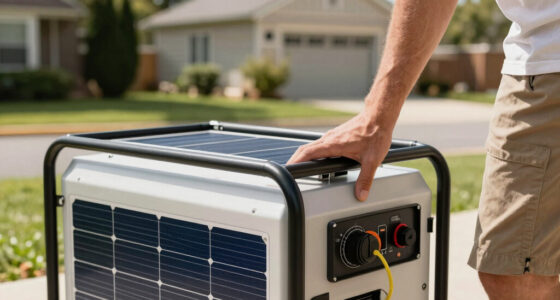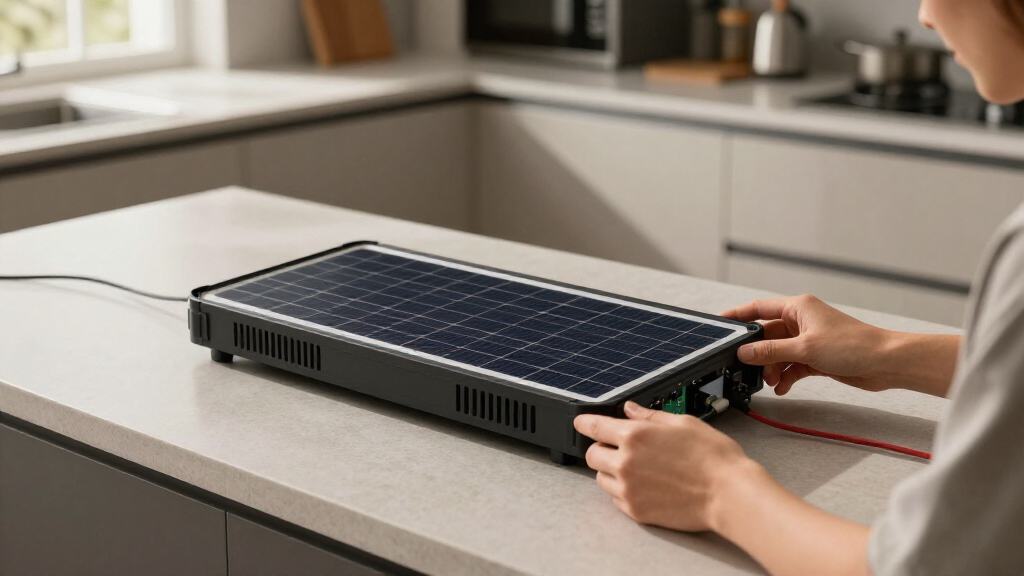
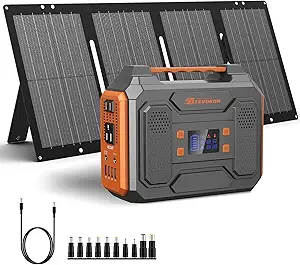
When choosing a solar backup power bank, it’s essential to balance capacity, portability, and charging speed. The best overall pick, the Anker SOLIX C1000, stands out for its reliable power output and portability, making it a versatile choice for most users. For those needing a larger energy reserve, the Jackery Explorer 1000 offers impressive capacity but at a higher price point. Meanwhile, the Blavor Solar Power Bank provides a compact, budget-friendly option for light outdoor use. These products highlight the main tradeoffs: size versus capacity, speed versus affordability. Keep reading to see a detailed comparison and find the best fit for your needs.
Key Takeaways
- Higher capacity models like the Jackery Explorer 1000 balance power and portability, ideal for extended outdoor trips or emergency backup.
- Portable power banks with built-in solar panels are convenient but often have slower charging times compared to models that rely on plug-in solar panels.
- Build quality and waterproof ratings significantly influence durability for outdoor use, especially in rugged environments.
- Fast charging features like USB-C Power Delivery can make a notable difference for quick device recharges, but often come with higher costs.
- Budget models tend to sacrifice capacity and charging speed, making them suitable for light needs but less reliable for sustained power outages or heavy devices.




More Details on Our Top Picks
Solar Power Bank 20000mAh with 4 Solar Panels and Built-in Cables
This solar power bank stands out for its large 20000mAh capacity and four high-efficiency solar panels, making it a reliable companion for outdoor enthusiasts. Compared to the smaller Blavor Solar Power Bank 20000mAh, it offers a more rugged weatherproof design (IP67 rated) and multiple solar panels for faster outdoor recharging, though its bulkier build can be cumbersome. The built-in cables and multiple ports support simultaneous device charging, which is ideal for camping or emergencies. However, charging via solar remains slower than wired options, and the flashlight features can’t run together, limiting usability in dark conditions. Overall, this pick is perfect for those needing a durable, solar-rechargeable power source in outdoor settings, accepting some size and recharge speed tradeoffs.
Pros:- Large 20000mAh capacity supports multiple device charges
- Includes four high-efficiency solar panels for outdoor recharging
- Built-in multiple cables and ports for versatile device support
- Weatherproof IP67 rating suitable for outdoor use
Cons:- Flashlight and camping light cannot be used simultaneously
- Charging via solar panels may be slow compared to wired charging
- Bulkier size due to multiple features and solar panels
Best for: Hikers, campers, or outdoor adventurers requiring a weatherproof, solar-rechargeable power bank
Not ideal for: Urban users or travelers who prioritize lightweight, quick recharging, as it is bulky and solar charging is slow
- Battery Capacity:20000mAh
- Connector Type:USB Type C
- Voltage:5 volts
- Weatherproof Rating:IP67
- Number of Ports:3
- Battery Cell Type:Lithium Polymer
Our verdict“This solar power bank excels for outdoor use where weatherproofing and solar recharge are priorities, despite its size and slower solar charging speeds.”
Anker SOLIX C1000 Portable Power Station, 1800W (Peak 2400W), 1056Wh LiFePO4 Battery, Solar Generator for Home Backup and Camping
The Anker SOLIX C1000 delivers impressive power with 1056Wh of LiFePO4 capacity and a peak surge of 2400W, making it suitable for running multiple appliances or sensitive electronics. Unlike the smaller EnginStar 300W Power Station, it provides significantly more power and a longer runtime, though it is heavier and less portable. The ultra-fast recharge in under an hour and support for solar recharging up to 600W make it a reliable option for emergency preparedness or backup power. However, its bulk and weight mean it’s less convenient for frequent outdoor portability, and its advanced features require a smartphone app for full control. This model is best for users who need dependable, high-capacity backup power at home or during extended outdoor stays, accepting the tradeoff of added size and cost.
Pros:- Fast recharging in under an hour with UltraFast technology
- High surge capacity of 2400W suitable for appliances
- Long-lasting LiFePO4 battery with 3,000 cycles
- Supports solar recharging up to 600W
Cons:- Relatively heavy and bulky for portable use
- Requires smartphone app for full feature access
- Limited runtime for high-power appliances
Best for: Homeowners or outdoor enthusiasts needing dependable backup power with high surge capacity
Not ideal for: Travelers or backpackers who prioritize portability and lightweight gear, due to its weight and size
- Wattage:1800 watts
- Battery Capacity:1056Wh
- Recharge Time:58 minutes
- Solar Recharging Power:up to 600W
- Number of Ports:11
- Battery Type:LiFePO4
Our verdict“This power station is ideal for those needing high-capacity, reliable backup power with rapid recharge, despite its weight and size.”
Anker SOLIX C1000 Gen 2 Portable Power Station, 1024Wh, 2000W, Camping & Emergency Use
The Anker SOLIX C1000 Gen 2 combines a 1024Wh lithium iron phosphate battery with 2000W continuous power, making it a strong contender for camping and emergency scenarios. Its rapid recharge in just 49 minutes and support for solar input in 1.8 hours surpass the capabilities of the larger C1000 model, offering a more portable package suitable for outdoor use. Compared to the 1800W peak of the original, this Gen 2 version emphasizes quick recharging and high power output in a slightly more compact design. Its 10 ports cover most needs but may fall short for very high device counts. It’s perfect for users who require swift recharging, portability, and reliable power, though at a higher price point and with some weight considerations.
Pros:- Recharges in under 50 minutes with HyperFlash technology
- Supports solar recharging in 1.8 hours
- Lightweight for its capacity at 11.3 kg
- High continuous power of 2000W
Cons:- Limited to 10 device ports, may not suffice for large setups
- Higher price compared to simpler models
- Still relatively heavy for frequent carrying
Best for: Campers and emergency prepper needing fast, portable power with high output
Not ideal for: Heavy-duty industrial or home backup users who need larger capacity or sustained runtime
- Wattage:2000 watts
- Battery Capacity:1024Wh
- Full Charge Time:49 minutes
- Solar Recharging Time:1.8 hours
- Number of Outlets:10
- Weight:11.3 kg
Our verdict“This model is best suited for outdoor enthusiasts who need rapid recharging and high power in a portable form, accepting some weight and cost.”
SOARAISE Solar Power Bank 48000mAh Wireless Battery Pack with 4 Cables
The SOARAISE 48000mAh solar power bank offers a massive capacity with four high-efficiency solar panels, making it ideal for extended outdoor stays. Unlike smaller portable chargers like the Blavor 10000mAh, it emphasizes long-lasting power and fast outdoor solar charging, though its bulkier size may limit mobility. The built-in wireless charging and multiple cables support various device types, and the rugged design resists outdoor elements. Solar charging speed depends heavily on sunlight, which can be unpredictable, and its weight may be a concern for some users. This product is best for campers and travelers who prioritize capacity and convenience over lightness, accepting the tradeoff of portability.
Pros:- High-capacity 48000mAh battery for extended use
- Fast solar charging with 4 solar panels
- Supports wireless charging and multiple cables
- Rugged, outdoor-ready design
Cons:- Bulkier size makes it less portable
- Solar charging speed varies with sunlight conditions
- Heavy to carry for everyday use
Best for: Campers and travelers needing high capacity, wireless charging, and multiple device support
Not ideal for: Urban commuters or those seeking lightweight, highly portable chargers, due to its bulk and weight
- Capacity:48000mAh
- Solar Panels:4 high-efficiency
- Ports:2 USB-A, 1 USB-C
- Wireless Charging:Yes
- Fast Charging:PD QC 3.0
- Weight:Heavy
Our verdict“This solar power bank excels for outdoor adventures where capacity and wireless charging are priorities, even if it sacrifices portability.”
EnginStar Portable Power Station 300W 296Wh Battery Bank with 110V Pure Sine Wave AC Outlet
The EnginStar Portable Power Station offers a compact and lightweight design with 296Wh of capacity and a 300W pure sine wave AC outlet, making it suitable for small devices, CPAP machines, or emergency charging. Compared to larger units like the Jackery Explorer 1000, it’s much easier to carry, but its limited capacity constrains prolonged use. The multiple charging options, including solar, wall, and car, add versatility, but the solar panel is sold separately. Its 300W output is enough for most small electronics but insufficient for high-wattage appliances. This device makes the most sense for users who need a portable, safe power source for critical devices during outdoor or emergency situations, accepting the tradeoff of limited capacity.
Pros:- Compact and lightweight for portability
- Multiple charging options including solar, wall, and car
- Pure sine wave outlets protect sensitive electronics
- Built-in safety features and durable design
Cons:- Solar panel sold separately, increasing overall cost
- Limited to 300W output, restricting larger appliances
- Battery capacity may run out quickly for extended use
Best for: Emergency kit owners, travelers, or campers needing lightweight, reliable backup power for small devices
Not ideal for: Users looking to power large appliances or sustain extended use without frequent recharging, due to its limited capacity
- Wattage:296 watt-hours
- Output Wattage:300 watts
- Power Source:Battery
- Recommended Uses:Camping, Emergency, CPAP backup
- Dimensions:9.1″L x 5″W x 7″H
- Additional Features:Digital display, flashlight
Our verdict“This power station is best suited for emergency and small device backup, prioritizing portability over capacity.”
YELOMIN 38800mAh Solar Power Bank, Portable Charger with USB-C Fast Charging, Dual LED Flashlights, Waterproof and Rugged for Outdoor Use
This model stands out for its high-capacity 38800mAh battery paired with a tough, waterproof, and dustproof design, making it ideal for outdoor adventures where durability is key. Unlike smaller chargers like the Blavor 10,000mAh, the YELOMIN offers extended use, but its bulkier build and reliance on solar in low-light conditions mean it’s less suited for lightweight backpackers. The dual USB-A ports and fast USB-C charging ensure versatile device compatibility, while the dual LED flashlights provide emergency illumination. However, solar charging remains slow if sunlight is limited, and its size may be inconvenient for minimalists.
Pros:- High-capacity 38800mAh battery provides extended power
- Waterproof, dustproof, and rugged build withstands harsh environments
- Multiple charging options including solar and wall outlet
Cons:- Solar charging efficiency drops significantly in low sunlight
- Bulkier than smaller portable chargers, less convenient for everyday carry
Best for: Outdoor enthusiasts needing a durable, high-capacity backup with emergency features
Not ideal for: Casual users seeking a lightweight, pocket-sized charger for daily carry
- Capacity:38800mAh
- Input/Output:USB-C and 2x USB-A 5V/2.4A ports
- Weight:280g
- Flashlights:Dual high-lumen LED with 3 modes (Steady, SOS, Strobe)
- Waterproof:Yes
- Dustproof:Yes
Our verdict“This power bank is best suited for those who prioritize durability and capacity over portability for outdoor use.”
SOARAISE Solar Power Bank 48000mAh Wireless Portable Charger with 4 Cables
Compared with smaller options like the Blavor, the SOARAISE offers a massive 48000mAh capacity and four solar panels, enabling faster outdoor charging and longer device uptime. Its built-in cables and wireless charging add significant convenience, making it suitable for those who need multi-device support. However, its large size and weight limit portability, especially for hikers or travelers who prefer compact gear. The solar panels provide better charging speed outdoors, but depend heavily on sunlight conditions, and the weight may be a drawback for extended carry.
Pros:- Massive 48000mAh capacity supports multiple devices for days
- Four solar panels enable faster outdoor charging
- Wireless charging and multiple built-in cables for convenience
Cons:- Heavy and bulky, less portable for everyday use
- Solar charging speed varies with sunlight, not ideal in low-light conditions
Best for: Campers and outdoor travelers needing high capacity and multiple device compatibility
Not ideal for: Lightweight backpackers or daily commuters seeking small, easy-to-carry chargers
- Capacity:48000mAh
- Solar Panels:4
- Ports:2 USB-A, 1 USB-C (input/output)
- Wireless Charging:Yes
- Fast Charging:Yes (PD QC 3.0, 3A USB-C)
Our verdict“This power bank excels for extended outdoor stays where high capacity and convenience outweigh portability concerns.”
Jackery HomePower 3600 Plus Portable Power Station, 3600W AC Output, 3584Wh LFP Solar Generator, Expandable up to 21kWh, Home Backup for Emergencies and RV
This pick makes the most sense for users seeking a large, expandable power source with a focus on home backup or RV use. Its 3584Wh capacity and 3600W continuous power output surpass typical portable chargers like the Blavor or even the smaller Jackery Explorer models, but it’s bulkier and more expensive. The ability to expand to 21kWh offers long-term energy security, though the setup involves multiple components, including separate solar panels. Its lightweight design for a generator this size is impressive, but the cost and complexity could be overwhelming for casual users.
Pros:- High capacity and expandable to 21kWh for long-term backup
- Multiple charging options including fast solar and AC recharge
- Lightweight, portable design despite large capacity
Cons:- Requires multiple components for full setup, increasing complexity
- Higher cost compared to smaller portable units
Best for: Homeowners or RV travelers needing reliable, expandable backup power
Not ideal for: Lightweight campers or daily commuters who prefer smaller chargers
- Capacity:3584Wh
- Power Output:3600W
- Surge Power:7200W
- Battery Type:LiFePO4
- Cycle Life:6,000 cycles
- Weight:Lightweight for its class
Our verdict“Ideal for those who want a scalable, reliable backup power system for home or RV use, accepting the higher cost and setup effort.”
Blavor Solar Power Bank 10,000mAh Portable Wireless Charger with 20W Fast Charging
This small, lightweight option targets users who prioritize portability and quick device charging, with a respectable 10,000mAh capacity and 20W USB-C fast charging. Compared to larger models like the SOARAISE, the Blavor is easier to carry daily or on short outdoor trips, but its capacity limits use over multiple days without recharging. Its waterproof, dustproof, and shockproof design make it suitable for light outdoor activities, though solar charging remains a secondary feature best used in emergencies rather than regular recharging.
Pros:- Lightweight and small, easy to carry
- Fast 20W USB-C charging supports quick device recharges
- Durable, waterproof, and shockproof for outdoor conditions
Cons:- Limited capacity may require frequent recharging
- Solar charging is inefficient in low sunlight, not suitable as primary power source
Best for: Hikers, travelers, and outdoor enthusiasts needing a compact, quick-charge backup
Not ideal for: Heavy users or those planning multi-day outings without access to power sources
- Capacity:10,000mAh
- Fast Charging Output:20W
- Input/Output:USB-C
- Waterproof:IPX5
- Material:ABS and PC
Our verdict“This charger is perfect for those who need quick, reliable power on the go without bulk or weight.”
Jackery HomePower 3000 and 2x200W Solar Panels
Compared to the larger Jackery models like the Explorer 1000, the HomePower 3000 offers a solid balance of capacity (around 3072Wh) and portability, especially with the included 200W solar panels. Its 3600W AC output makes it suitable for powering essential home appliances or outdoor setups during outages. While it doesn’t match the massive capacity or scalability of the Jackery HomePower 3600 Plus, it’s easier to set up and more affordable for smaller-scale backup needs. The limited info on smart features and the necessity of buying panels separately are minor drawbacks, but overall, it’s a reliable, compact choice for stationary backup.
Pros:- Reliable 3072Wh capacity with long cycle life
- Fast recharge via solar, AC, or car charger
- Includes 200W solar panels for efficient recharging
Cons:- Panels shipped separately, potentially arriving separately
- Limited smart features or app connectivity info
Best for: Homeowners or small business owners seeking reliable backup with expandable solar charging
Not ideal for: Travelers needing ultra-portable units or those requiring large-scale power
- Capacity:3072Wh
- AC Output:3600W
- Surge Power:7200W
- Battery Type:LiFePO4
- Cycle Life:4,000 cycles
- Recharge Time:up to 80% in 9 hours with panels
Our verdict“This system suits users who want dependable, expandable backup power with a manageable setup for home or small business use.”
Jackery Explorer 1000 v2 Portable Power Station, 1070Wh, 1500W, Fast Charge, LiFePO4 Battery, USB-C, Solar Generator for Camping and Emergencies
The Jackery Explorer 1000 v2 stands out for its substantial 1070Wh capacity and 1500W AC output, making it a top choice for those who need to run multiple devices or small appliances during extended outages or outdoor trips. Its fast charging ability—reaching 80% in just one hour—sets it apart from smaller units like the Blavor Solar Power Bank, which is limited to phone-level charging. The LiFePO4 battery offers over 10 years of lifespan, providing long-term reliability unlike cheaper lithium-ion alternatives. However, its weight of nearly 24 pounds makes portability less ideal for frequent carry, and the solar panel isn’t included, which could add to the overall cost. Compared to the Jackery Explorer 300, it offers vastly more capacity, but at the expense of size and weight. This pick makes the most sense for campers, RV owners, or emergency prep enthusiasts who prioritize capacity and durability over lightness.
Pros:- Large 1070Wh capacity supports multiple devices simultaneously
- Fast charge in just one hour improves turnaround time
- LiFePO4 battery offers over 10 years of reliable use
- Multiple outlets including USB-C, AC, and DC for versatility
Cons:- Heavy at 23.8 pounds, less portable for quick moves
- Solar panel not included, limiting off-grid setup without additional purchase
Best for: Campers and RV owners needing reliable, high-capacity power with long-term durability.
Not ideal for: Hikers or backpackers who require ultra-light gear, as this unit is relatively heavy and bulky.
- Capacity:1070Wh
- AC Output:1500W
- Surge Peak:3000W
- Weight:23.8 lbs
- Battery Type:LiFePO4
- USB-C Ports:2
Our verdict“Best suited for users who prioritize capacity and longevity over portability or initial cost.”
Portable Solar Generator 300W with 60W Solar Panel – 110V Pure Sine Wave, 280Wh Battery, USB QC3.0, DC, AC Outlets for Camping and Outdoor Use
This Portable Solar Generator 300W offers a practical balance of size and power, with a 280Wh battery suitable for charging phones, small gadgets, and some small appliances. Its 60W solar panel, combined with a 20.5% efficiency, makes it a reliable off-grid option for short trips or emergency situations, outperforming smaller solar panels that often lack efficiency. While its multiple outlets—including AC, USB, and DC—are versatile, the absence of waterproofing on the junction box means it’s best used in dry conditions. Compared to the Jackery Explorer 300, it provides slightly more power, but its overall capacity limits its use to low-wattage devices. This unit is ideal for campers who need a portable, reliable backup that’s easy to carry, but not for powering larger appliances or extended use.
Pros:- 20.5% solar conversion efficiency for quick recharges
- Multiple charging options including AC, solar, and car
- Built-in safety features for reliable outdoor use
- Compact size with foldable solar panel for portability
Cons:- Limited to devices under 300W, restricting larger appliance use
- Not waterproof, so less suited for harsh weather
Best for: Hikers, campers, or outdoor enthusiasts seeking lightweight backup power for small devices.
Not ideal for: Those needing to run high-wattage appliances or for use in wet conditions, due to limited capacity and non-waterproof parts.
- Power Output:300W
- Battery Capacity:280Wh
- Solar Panel:60W monocrystalline
- AC Outlets:2 x 300W Max
- USB Ports:3 x 5V/3A, 1 x QC3.0
- Protection Features:Short circuit, over-current, over-voltage
Our verdict“Ideal for outdoor lovers needing a lightweight, versatile power backup for small devices in dry conditions.”
Blavor Solar Power Bank 20000mAh with Built-in Cables and Wireless Charging
The Blavor Solar Power Bank emphasizes convenience with its 20000mAh capacity, built-in cables, and wireless charging, making it a good companion for casual outdoor excursions or emergency kits. Its rugged, waterproof, and shockproof design ensures durability in rough conditions, and the extra features like a flashlight, compass, and thermometer add outdoor utility. However, its solar charging capability is limited mainly to emergency recharging rather than practical off-grid power, and its size is bulkier than typical phone chargers—less ideal for everyday carry. Compared with larger units like the Solar Power Bank 40000mAh, it offers less capacity but more portability for quick trips. This device is best for outdoor users who prioritize convenience and durability over high capacity or rapid solar charging.
Pros:- Built-in cables and wireless charging for quick device topping-up
- Rugged, waterproof, and shockproof design for outdoor resilience
- Additional features like flashlight, compass, and thermometer
- High capacity for multiple device charges
Cons:- Bulkier and heavier than simple power banks
- Limited solar charging efficiency, mainly for emergencies
Best for: Campers, hikers, or outdoor adventurers needing a rugged, multi-function emergency charger.
Not ideal for: Users seeking high-capacity backup for multiple devices or power-hungry gadgets, due to limited solar input and capacity.
- Capacity:20000mAh
- Built-in Cables:2 USB-C, 1 iOS, 1 USB-A
- Wireless Charging:Yes
- Protection:Overcharge, over-discharge, over-current
- Shell Material:ABS+PC
Our verdict“Best suited for outdoor enthusiasts needing a durable, multi-functional backup with moderate capacity.”
Solar Power Bank 40000mAh PD20W Fast Charging Portable Solar Charger with Built-in Cables and Dual Flashlights
The Solar Power Bank 40000mAh provides an enormous capacity for extended outdoor use, with fast PD20W charging and multiple built-in cables, including Type-C, Micro, and USB-A. Its dual LED flashlights with four modes add practical utility for nighttime or emergencies. Its rugged, waterproof (IP67), and dustproof design makes it ideal for demanding environments, surpassing smaller power banks in durability. Despite its high capacity, solar charging remains slow, mainly suitable for emergency recharging rather than continuous off-grid power; sunlight conditions greatly influence charging speed. Compared to the Jackery Explorer 300, this unit is less suited for powering larger appliances but excels at providing multiple charges for phones and small gadgets when sunlight or grid power isn’t available. This model is perfect for those who need maximum capacity and resilience for long outdoor stays or emergencies.
Pros:- Massive 40000mAh capacity supports multiple device charges
- Fast PD20W charging for quick device recharging
- Rugged, waterproof, and dustproof design for outdoor durability
- Multiple built-in cables for versatile device compatibility
Cons:- Slow solar recharging, mainly suitable as backup
- Large size and weight reduce portability for some users
Best for: Emergency preparedness enthusiasts and outdoor adventurers requiring high-capacity backup power.
Not ideal for: Lightweight travelers or those who need quick, frequent recharges due to slow solar input and size.
- Capacity:40000mAh
- Fast Charging:PD20W
- Built-in Cables:4 cables (Type-C, iOS, Micro USB, USB-A)
- Flashlights:Dual LED with 4 modes
- Waterproof Rating:IP67
Our verdict“Excellent for long-term outdoor use and emergencies where high capacity and durability are priorities, despite slow solar recharging.”
Jackery Explorer 300 Portable Power Station, 292Wh, LiFePO4 Battery, Solar Generator for Outdoors, Camping, Travel, Hunting, Blackout
The Jackery Explorer 300 offers a compact and lightweight solution with 292Wh capacity, making it ideal for short-term outdoor activities or as an emergency backup. Its LiFePO4 battery ensures over 4,000 charge cycles, providing reliable long-term performance. It features multiple outlets, including AC, USB-C, and a car port, comparable to larger units like the Explorer 1000 v2, but with far less capacity. Its solar charging capability can reach 80% in under three hours with a 100W panel, making it a practical off-grid option. However, its smaller size limits its ability to power larger appliances or multiple devices simultaneously for extended periods. This makes it a solid choice for campers, travelers, or emergency kits that prioritize portability over raw power.
Pros:- Lightweight and portable at just 7.5 lbs
- Long-lasting LiFePO4 battery with over 4,000 cycles
- Multiple versatile outlets including USB-C and AC
- Fast solar charging in about 2.8 hours with a 100W panel
Cons:- Limited capacity for larger appliances or multiple devices
- Solar panel not included, adding extra cost
Best for: Travelers and campers needing a lightweight, reliable power source for phones and small gadgets.
Not ideal for: People needing to power larger appliances or run extended power loads, since its capacity is limited.
- Capacity:292Wh
- Weight:7.5 lbs
- Outlets:2 AC, 1 USB-C PD, 2 USB-A
- Charge Cycles:Over 4,000
- Solar Charging Time:2.8 hours with 100W panel
Our verdict“Best suited for lightweight outdoor use and short trips where portability and reliable power for small devices are needed.”
How We Picked
The products in this roundup were evaluated based on a combination of capacity, portability, build quality, charging options, and value for money. Priority was given to models that balance usability and durability, especially for outdoor or emergency use. We also considered the versatility of charging ports, solar input efficiency, and user reviews highlighting real-world performance. Products were ranked to reflect their overall practicality, with a focus on serving different user needs—from casual campers to serious emergency prepppers. Tradeoffs such as size versus capacity and cost versus features were carefully weighed to help readers identify the best options for their specific situations.Factors to Consider When Choosing Solar Backup Power Banks
Choosing the right solar backup power bank depends on several key factors. Understanding these can help you avoid common pitfalls like overestimating capacity or selecting an incompatible charging method. By considering your primary use case—whether outdoor adventures, emergency preparedness, or home backup—you can select a model that provides reliable power without unnecessary extras. The following sections highlight critical aspects to evaluate, ensuring you make an informed decision that matches your energy needs and budget.Capacity and Power Output
The capacity of a solar backup power bank, measured in milliamp-hours (mAh) or watt-hours (Wh), determines how many devices it can charge and for how long. A higher capacity means longer runtime but also increased size and weight. Power output, especially the wattage of outlets, is crucial if you plan to run larger appliances like mini fridges or power tools. Balancing capacity with portability is key—overly large units may be cumbersome, while smaller ones might not meet your energy demands.
Solar Panel Efficiency and Charging Speed
The efficiency of built-in solar panels varies widely, with some models offering faster recharging in sunlight. Cheaper panels often have lower conversion rates, meaning longer recharge times. External solar panels with higher wattage can significantly improve charging speeds but add to the overall system weight and setup complexity. Consider how quickly you need the power bank to recharge when exposed to sunlight and whether portability or setup ease is more important for your use case.
Portability and Size
Portability is a defining factor for outdoor use, so pay attention to weight, dimensions, and handle design. Compact models are easier to carry but may sacrifice capacity, while larger units provide more power but can be heavy and less convenient to transport. If you plan to carry your power bank frequently or backpacking, prioritize lightweight, slim options. Conversely, for home backup or car use, size may be less of an issue, allowing for larger, more capable units.
Durability and Weather Resistance
Outdoor environments demand rugged, weatherproof designs. Look for IP ratings indicating water and dust resistance, especially if you’ll be exposed to rain or dusty conditions. Solid build quality, reinforced casing, and shock absorption features help prolong the lifespan of your power bank. Cheaper models may lack these qualities, risking damage or reduced performance in harsh conditions.
Cost and Value
Price varies significantly based on capacity, features, and brand reputation. While a higher price often correlates with better build quality and faster charging, some budget options still deliver decent performance for light use. Avoid overpaying for features you won’t need, but recognize that investing in a more capable model can pay off in reliability and longevity during critical moments. Always weigh the cost against expected usage scenarios to find the best value.
Frequently Asked Questions
Can I rely solely on a solar backup power bank for my home during a blackout?
While some high-capacity models can provide essential power during outages, they often can’t sustain entire households for extended periods. Most solar backup power banks are designed for charging small devices or running mini appliances. For full home backup, a dedicated solar generator with larger capacity and multiple outlets is recommended. Always assess your power needs carefully and consider a system that can handle your critical devices for the expected duration.
How long does it take to fully recharge a solar backup power bank in sunlight?
Recharging times depend on both the power bank’s capacity and the solar panel’s wattage. Smaller units with built-in panels may take several hours to days, especially under cloudy conditions, while models with external panels of higher wattage can cut this time significantly. Keep in mind that real-world sunlight conditions vary, so plan for longer recharge times if you’re relying solely on solar. Using AC charging in combination with solar can speed up the process when available.
Are portable solar backup power banks safe to use with sensitive electronics?
Most quality solar backup power banks include built-in features like surge protection and voltage regulation, making them safe for smartphones, tablets, and even some laptops. Look for models with pure sine wave inverters if you plan to power sensitive or delicate devices. Cheaper units lacking these protections might cause voltage fluctuations that can harm your electronics. Always verify the specifications before connecting sensitive gear.
Is it worth investing in a solar backup power bank with fast charging features?
Fast charging capabilities, such as USB-C Power Delivery, can make a noticeable difference if you need quick top-ups for your devices, especially when time or sunlight is limited. However, these features often come at a higher cost and may not be necessary if your usage involves slow, occasional charges. For frequent use or emergency situations where speed matters, investing in a model with fast charging is generally worthwhile. Otherwise, simpler units may suffice.
How do I maintain and extend the lifespan of my solar backup power bank?
Proper maintenance involves keeping the device clean, avoiding extreme temperatures, and ensuring the solar panels are free of dust and debris. Regularly fully charging and discharging the unit helps preserve battery health. Store the power bank in a cool, dry place when not in use, and follow manufacturer instructions for optimal use. Investing in a model with high-quality batteries, like LiFePO4, can also extend lifespan and improve safety over time.
Conclusion
For most users, the an overall best choice is the Inverter-based Jackery Explorer 1000 due to its reliable capacity and versatility. Those prioritizing value should consider the Blavor Solar Power Bank for light, everyday needs. Premium buyers seeking maximum power should look at options like the Jackery HomePower 3600 Plus. Beginners or casual campers will find the Blavor 20000mAh with Wireless Charging simple and effective. For specialized outdoor or emergency use, models with rugged designs and waterproof ratings, such as the YELOMIN 38800mAh, make sense. Ultimately, your choice hinges on your specific power needs, budget, and portability preferences.