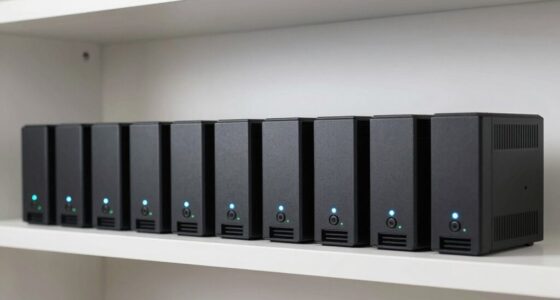

The best sodium-ion batteries depend on whether you need engine starting, car-audio support, motorcycle fitment, or a small 12V power source. I’d put the CSI Group 31 first for its starting-battery focus and jump-start button, while the Down4Sound DNA-27 is a stronger match for car-audio systems that need more capacity. The compact OKMO 12V 10Ah suits lighter backup and utility uses, though it is not a substitute for a vehicle starting battery. Across this lineup, the main tradeoffs are physical fit, starting output, capacity, and whether a battery is designed for audio or general use. Read on for the full breakdown and guidance on matching a sodium-ion battery to your equipment.

Get backup power and energy gear delivered free with Prime
- Fast, free delivery on millions of items
- Prime Video, Amazon Music and more included
- Member-only deals all year
Key Takeaways
- Starting use and audio use call for different designs. The CSI Group 31 and 950 CCA Group 95R are aimed at vehicle starting, while Down4Sound’s DNA models target car-audio applications.
- The DNA-27 leads this lineup on stated capacity. Its 27Ah rating gives audio buyers more reserve than the DNA-13’s 13.5Ah, with size and installation needs still to check.
- Compact batteries trade reserve for easier placement. The OKMO’s 10Ah format and Acoucou’s motorcycle-specific YTX7A-Na fit lighter-duty or constrained installations.
- Vehicle fitment cannot be inferred from voltage alone. Group size, terminal layout, hold-downs, and manufacturer compatibility matter for the H6, Group 31, and Group 95R options.
- Choose by the job, not the chemistry label. Sodium-ion describes the battery chemistry; it does not make a small utility battery suitable for engine starting or a starter battery ideal for audio loads.


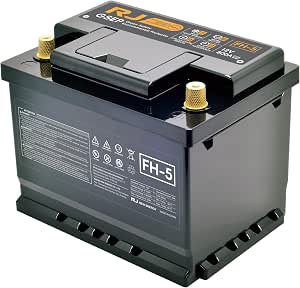


| sodium-ion batterie | Voltage | Capacity | Weight | Chemistry |
|---|---|---|---|---|
| OKMO 12V 10Ah Rechargeable Sod | 12 V | 10 Ah | 3 lb | Sodium-ion |
| CSI 12V Group 31 Sodium-Ion St | 12 V | 68 Ah | 24 lb | Sodium-ion |
| Down4Sound DNA-27 27Ah 12V Sod | 12 V | 27 Ah | 10 lb | Sodium-ion |
| Down4Sound DNA-13 13.5Ah 12V S | 12 V | 13.5 Ah | 6.1 lb | Sodium-ion |
| YGSAM H6 Sodium-Ion Car Batter | 12 V | 10,000 mAh | 14.3 lb | Sodium-ion |
| Acoucou YTX7A-Na Sodium-Ion Mo | 12V | 3.4Ah | 2.4 lbs | — |
| Sodium-Ion Car Starting Batter | 12V | 60Ah | 19.8 lbs | — |
More Details on Our Top Picks
OKMO 12V 10Ah Rechargeable Sodium-Ion Battery
The OKMO 1210Na is the most straightforward fit here for modest off-grid loads: its 12V, 10Ah capacity suits small solar setups, fish finders, and backup equipment rather than engine starting or high-output audio. Its built-in BMS guards against overcharge, over-discharge, overcurrent, and short circuits, while the stated 4,000-plus cycle rating points to repeated use over time. Compared with the YGSAM H6, OKMO lists a wider operating temperature range and a more detailed set of electrical protections; YGSAM, by contrast, specifies copper terminals and a 1,500-cycle rating. The tradeoff is limited capacity: at 10Ah, this battery cannot match the runtime of the 68Ah CSI starter battery. Its 3-pound weight is manageable for small installations, though it is not the lightest choice per unit of capacity.
Pros:- Rated for more than 4,000 charge cycles
- BMS covers overcharge, over-discharge, overcurrent, and short circuits
- Suitable for solar, marine equipment, and backup power
- Listed operating range spans -4°F to 140°F
Cons:- 10Ah capacity limits runtime for larger loads
- At 3 pounds, it may be too heavy for weight-sensitive small installations
Best for: Owners of small solar systems, fish finders, or compact backup setups who want a rechargeable 12V battery with built-in electrical protections.
Not ideal for: Drivers starting larger engines or audio enthusiasts needing high burst power; this 10Ah battery is aimed at smaller loads.
- Chemistry:Sodium-ion
- Voltage:12 V
- Capacity:10 Ah
- Weight:3 lb
- Operating temperature:-4°F to 140°F
- BMS protections:Overcharge, over-discharge, overcurrent, and short-circuit protection
- Warranty:2 years
Our verdict“Choose the OKMO for small solar or backup loads where its stated cycle life and built-in protections matter more than high capacity.”
CSI 12V Group 31 Sodium-Ion Starter Battery with Jump Start Button
For buyers who need a sodium-ion battery to start a truck, RV, generator, or work vehicle, the CSI Group 31 is the clear starting specialist in this group. Its listed 1,500 CCA addresses engine cranking, while 68Ah capacity and a jump start button add practical reserve when the battery management system’s programmed state-of-charge limit would otherwise restrict output. It is much heavier than the 10-pound Down4Sound DNA-27, but the DNA-27 serves car audio systems and is not presented as an engine starter. CSI’s 24-pound weight is described as 60% lighter than lead-acid batteries, though the buyer still needs to check Group 31 dimensions and terminals against the vehicle. The listing supplies a three-year warranty and multiple BMS protections, but no independent performance or longevity results, so stated cranking figures remain the main basis for comparison.
Pros:- Listed 1,500 CCA for engine starting
- 68Ah capacity and a jump start button
- BMS includes electrical and thermal protections
- 24-pound weight is described as 60% lighter than lead-acid or AGM batteries
Cons:- Group 31 dimensions and standard terminals may not fit every vehicle or equipment tray
- No independent performance or longevity test results are supplied
Best for: Truck, RV, van, and generator owners seeking a Group 31 sodium-ion starter battery with high listed cranking output.
Not ideal for: Buyers with compact battery trays or anyone who cannot verify Group 31 fit and terminal compatibility before purchase.
- Chemistry:Sodium-ion
- Voltage:12 V
- Group size:31
- Cold cranking amps:1,500 CCA
- Capacity:68 Ah
- Weight:24 lb
- Dimensions:6.8 × 13 × 9.4 in (D × W × H)
- Warranty:3 years
Our verdict“Pick the CSI when engine cranking and Group 31 capacity are the priority and you have confirmed the battery fits your equipment.”
Down4Sound DNA-27 27Ah 12V Sodium-Ion Car Audio Battery
The Down4Sound DNA-27 is built around short, demanding audio-system bursts: it lists an 800A pulse for up to three seconds and support for 6,000–9,000W systems. That makes it the stronger audio choice over the smaller DNA-13, whose listed pulse output is 400A and recommended system range is 3,500–5,500W. The DNA-27 also pairs 27Ah capacity with a 10-pound body and side-mounting capability, which can help when installation space is tight. Its pulse-cycle claim—more than 10,000 full-power discharges while retaining 90% capacity—speaks to repeated bursts, not unlimited sustained output. The three-second pulse limit matters: buyers should not read 800A as continuous current. It also calls for a properly upgraded charging system, including a high-output alternator and Big 3 wiring upgrade, adding installation work that the OKMO solar battery does not require.
Pros:- Listed 800A pulse discharge for up to 3 seconds
- Designed for 6,000–9,000W car audio systems
- 10-pound weight with side-mounting capability
- Rated for more than 10,000 full-power pulse discharges with 90% capacity retention
Cons:- 800A output is limited to short pulses of up to 3 seconds
- Requires a properly upgraded charging system, including a high-output alternator and Big 3 wiring upgrade
Best for: Car audio builders with 6,000–9,000W systems who need a compact sodium-ion battery for short, high-current bursts.
Not ideal for: Drivers seeking a drop-in starter or general-purpose battery, or audio builders unwilling to upgrade the charging and wiring system.
- Chemistry:Sodium-ion
- Voltage:12 V
- Capacity:27 Ah
- Maximum pulse discharge:800 A for up to 3 seconds
- System support:6,000–9,000 W
- Weight:10 lb
- Capacity retention:90%
Our verdict“Choose the DNA-27 for high-output audio bursts if your charging system can support it and you do not need sustained 800A output.”
Down4Sound DNA-13 13.5Ah 12V Sodium-Ion Car Audio Battery
For a smaller audio build, the Down4Sound DNA-13 keeps the same pulse-focused design as the DNA-27 in a lighter package. It weighs 6.1 pounds and is rated for 3,500–5,500W systems, with up to 400A available for three-second bursts. That is a better match for midrange setups than the DNA-27, which targets higher system power and doubles the listed pulse current. The DNA-13’s 13.5Ah capacity and side-mounting support can ease placement in a crowded vehicle, while the stated 10,000-plus pulse cycles and 90% capacity retention make its rated duty pattern clear. The main tradeoff is that compact size does not make it a simple drop-in upgrade: the manufacturer recommends an upgraded charging system and Big 3 wiring. Its maximum charging voltage is 15.8V, so charging compatibility deserves attention.
Pros:- 6.1-pound design with side-mounting capability
- Rated for 400A pulses lasting up to 3 seconds
- Recommended for 3,500–5,500W audio systems
- Rated for more than 10,000 full-power pulse cycles with 90% capacity retention
Cons:- Pulse output is lower than the DNA-27’s 800A rating
- An upgraded charging system and Big 3 wiring are recommended
- Maximum charging voltage of 15.8V requires charging-system compatibility
Best for: Car audio owners building a 3,500–5,500W system who value low battery weight and side-mount flexibility.
Not ideal for: Owners of larger systems above its recommended range or buyers looking for a general-purpose vehicle starter battery.
- Chemistry:Sodium-ion
- Voltage:12 V
- Capacity:13.5 Ah
- Maximum pulse discharge:400 A for 3 seconds
- Recommended system power:3,500–5,500 W
- Minimum pulse voltage:10.4 V
- Weight:6.1 lb
- Maximum charging voltage:15.8 V
Our verdict“The DNA-13 suits midrange audio builds that need a light burst-power battery and can accommodate charging and wiring upgrades.”
YGSAM H6 Sodium-Ion Car Battery, 12V, 10,000mAh, Universal Fit
The YGSAM H6 offers a simple, maintenance-free 12V format with copper terminals and a stated 1,500-cycle rating to at least 70% capacity. Its listed 10,000mAh capacity is modest beside the CSI battery’s 68Ah, so this is not the pick for buyers seeking substantial reserve or heavy-duty cranking data. Against the OKMO 10Ah, YGSAM provides a specific cycle-life threshold and copper-terminal detail, while OKMO lists more BMS protections and a wider operating temperature range. Fit information is the weak point: the title says H6, while the specifications also identify a different battery size, H5. Although the listing says universal fit, its compatible-vehicle detail names an ATV. I would treat fit as unconfirmed until the tray dimensions and terminal layout are checked against the intended vehicle.
Pros:- Maintenance-free design
- Pure copper terminals
- Rated for 1,500 cycles to at least 70% capacity
- Six-cell construction
Cons:- Listing conflicts between H6 and H5 size descriptions
- Vehicle compatibility details are limited despite the universal-fit claim
- 10Ah listed capacity is modest for larger loads
Best for: ATV owners who want a maintenance-free sodium-ion battery and can verify the battery tray and terminal layout themselves.
Not ideal for: Car owners who need confirmed H6 fit, clearly documented vehicle compatibility, or higher listed capacity and cranking specifications.
- Chemistry:Sodium-ion
- Voltage:12 V
- Capacity:10,000 mAh
- Number of cells:6
- Terminals:Pure copper
- Weight:14.3 lb
- Dimensions:6.89 × 9.53 × 7.48 in (D × W × H)
- Cycle life:1,500 cycles to at least 70% capacity
- Warranty information:3-year shelf life stated in description
Our verdict“Consider the YGSAM for an ATV only after confirming its dimensions and terminals match, since its fit information is inconsistent.”
Acoucou YTX7A-Na Sodium-Ion Motorcycle Battery
The Acoucou YTX7A-Na is the clearest fit in this lineup for riders replacing a compact motorcycle battery. Its 2.4-pound weight and 200A starting current suit a different job from the larger car and audio batteries, such as the Down4Sound DNA-27, which prioritizes capacity for audio systems. Acoucou lists a broad -40°F to 176°F operating range and more than 3,000 cycles, useful traits for a bike that may sit between rides or face cold starts. The tradeoff is compatibility: matching the YTX7A or YTZ10S designation alone is not enough, since compartment dimensions and terminal polarity must also match. It also requires a dedicated sodium-ion charger, so it is a poor swap for riders who expect to keep using a conventional charger.
Pros:- Lightweight at 2.4 pounds
- Rated for more than 3,000 cycles
- Wide stated operating range of -40°F to 176°F
- Maintenance-free design
Cons:- Requires a dedicated sodium-ion charger
- Fit and terminal polarity must be verified before purchase
- 3.4Ah capacity is suited to motorcycle starting, not higher-capacity car or audio uses
Best for: Motorcycle owners replacing a compatible YTX7A- or YTZ10S-size battery who want a lightweight, maintenance-free sodium-ion option
Not ideal for: Riders who need a drop-in replacement without checking terminal polarity or who only have a conventional battery charger
- Battery type:Sodium-ion
- Voltage:12V
- Capacity:3.4Ah
- Starting current:200A
- Cycle life:3,000+ cycles
- Dimensions:5.91 × 3.4 × 3.7 inches
- Weight:2.4 lbs
- Operating temperature:-40°F to 176°F (-40°C to 80°C)
Our verdict“Choose the Acoucou if your motorcycle matches its dimensions and polarity and you can charge it with a sodium-ion-compatible charger.”
Sodium-Ion Car Starting Battery, BCI Group 95R / H9-LN6, 950 CCA
This Group 95R / H9-LN6 battery targets passenger-car owners who need strong starting output and support for start-stop operation. Its listed 950 CCA and 60Ah capacity give it a more specific automotive role than the Acoucou YTX7A-Na, which is a compact motorcycle starter battery. The listing claims up to 180,000 start-stop cycles and 4,000 cycles at 50% depth of discharge; those figures make it stand out on paper, but they remain manufacturer claims rather than independently established results. At 19.8 pounds, it is lighter than many lead-acid or AGM alternatives according to the listing, though buyers still need to confirm the Group 95R fit and terminal layout for their car. This is a focused replacement choice, not a universal battery for other vehicle sizes.
Pros:- Designed for passenger cars with start-stop systems
- 950 CCA starting rating
- Claims up to 180,000 start-stop cycles and 4,000 cycles at 50% depth of discharge
- Maintenance-free design with a stated -40°C to 80°C operating range
Cons:- Vehicle fit must match Group 95R / H9-LN6 and the auto-post terminal layout
- Cycle-life and service-life figures are product claims
- At 19.8 pounds, it is much heavier than the motorcycle-focused Acoucou battery
Best for: Drivers with a passenger car that specifies a BCI Group 95R / H9-LN6 battery and uses start-stop operation
Not ideal for: Drivers whose vehicle requires another group size, or buyers who prefer independently verified cycle-life data
- Battery type:Sodium-ion
- BCI group size:95R / H9-LN6
- Voltage:12V
- Capacity:60Ah
- Cranking power:950 CCA
- Terminals:Auto post
- Weight:19.8 lbs
- Claimed start-stop cycles:Up to 180,000
- Temperature range:-40°C to 80°C
Our verdict“Consider this battery for a compatible start-stop car if its claimed cycle life suits your needs and the Group 95R fit checks out.”
How We Picked
I ranked these seven options by how clearly their stated design and specifications match a buyer’s intended job: engine starting, car audio, motorcycle replacement, or general 12V power. For vehicle batteries, the useful comparison points are the listed group or case format, starting output where provided, terminal and fitment requirements, and practical features such as the CSI’s jump-start button. For audio batteries, I gave more weight to stated amp-hour capacity and the intended audio application; for compact and motorcycle batteries, I focused on the named format and likely installation constraints.
The ranking favors products with a distinct, understandable role and enough stated information to help a buyer narrow the choice. The CSI takes the overall spot because it combines a clear starter-battery purpose with a useful jump-start feature; the DNA-27 ranks highest for audio capacity, while the DNA-13 offers a smaller audio-focused alternative. The OKMO, YGSAM, Acoucou, and Group 95R each suit narrower needs, but buyers should verify exact dimensions, terminal orientation, starting requirements, and equipment compatibility before ordering. Product names and stated specifications alone do not establish vehicle compatibility or performance in every installation.
Factors to Consider When Choosing Best Sodium-ion Batteries
Before choosing a sodium-ion battery, pin down the job it must do and the space it must fit. The chemistry label is only one part of the decision; vehicle requirements, electrical loads, charging equipment, and installation details can change which option makes sense.
Match the battery to the electrical job
Start by separating engine starting from deep or repeated accessory loads. A starter battery needs to meet the vehicle’s required starting output, while an audio or backup battery needs enough usable capacity for the load and runtime you expect. Amp-hours and cold-cranking amps describe different things, so one cannot stand in for the other. A high-capacity audio battery may still be the wrong choice for a vehicle whose manufacturer specifies a particular starting rating. Check the equipment manual for its required battery type and minimum ratings before comparing products. If the use is mixed, confirm that the battery maker permits both starting and sustained accessory use.
Confirm case size, terminals, and hold-downs
A battery that matches the nominal voltage can still fail to fit or connect safely. Compare the listed group or motorcycle format with the original battery, then verify the case dimensions, terminal locations, polarity, and hold-down method. Universal-fit wording does not replace a measurement; nearby cables, covers, and brackets can block installation. Terminal adapters may introduce poor contact or clearance problems, so avoid assuming they will solve a mismatch. For a replacement, photograph the old battery and record its label and orientation before removing it. Check the vehicle or equipment documentation when the label is missing or unclear.
Check charging compatibility before switching chemistry
Do not assume an existing charger or vehicle charging system is suitable just because both batteries are 12V. Sodium-ion products can have charging limits and temperature requirements set by their manufacturer, and those details may differ across models. Look for the product’s charging voltage range, permitted charge current, and any restrictions on alternators, maintainers, or solar controllers. If those specifications are unavailable, ask the seller or manufacturer before connecting the battery. A charger with selectable profiles is useful only if the profile matches the battery’s documented requirements. Following the maker’s charging instructions can reduce avoidable damage and charging interruptions.
Size capacity around real runtime
For audio and backup use, estimate the current draw and the length of time the system must run before choosing a capacity. A larger amp-hour figure can provide more reserve, but actual runtime also depends on load, wiring, temperature, and the battery’s operating limits. Avoid using peak amplifier output as though it were a constant draw; typical listening load may be different, while long high-load sessions can still demand substantial reserve. Leave margin for conditions that raise consumption or shorten available capacity. If the battery supports engine starting too, keep enough reserve for that job instead of planning to use its full capacity on accessories. When the product does not state usable capacity or discharge limits, treat runtime estimates as uncertain.
Weigh convenience features against installation needs
Features such as an integrated jump-start button can help in a specific situation, but they do not remove the need to choose the correct battery for the vehicle. Consider how the feature is activated, what protection it includes, and whether the manual explains its limits. Compact formats can make placement easier in small enclosures, but their smaller capacity may call for more frequent charging or shorter accessory sessions. A larger case can offer more reserve while creating clearance and weight concerns. For a motorcycle, match the designated battery format and check that the charging system and terminal layout suit the replacement. Pay for convenience when it solves a real installation or use problem.
Compare support and documentation, not just headline specs
When product pages leave out charging limits, dimensions, or starting ratings, those gaps affect the buying decision. Check whether the manufacturer provides a usable manual, warranty terms, and a clear way to confirm fitment. A battery with a familiar group size may still differ in terminal arrangement or permitted charging behavior. Do not infer safety features, cycle life, temperature range, or lifespan from the sodium-ion chemistry alone. If two options suit the same job, better documentation can make installation and ongoing care more predictable. Ask for missing specifications before purchase if the battery will support a critical vehicle or backup system.
Frequently Asked Questions
Can I replace my car’s lead-acid battery with any 12V sodium-ion battery?
No. The replacement must fit the battery tray, match terminal layout and polarity, and meet the vehicle’s starting requirements. You also need to confirm that the battery maker approves the vehicle’s charging system for that model. A compact 10Ah battery such as the OKMO is not automatically suitable for engine starting just because it is labeled 12V. Check the vehicle manual and the battery’s detailed specifications before switching.
Which option makes more sense for a car-audio system: the DNA-27 or DNA-13?
The DNA-27’s stated 27Ah capacity gives it more reserve than the DNA-13’s 13.5Ah, so it is the more natural fit for buyers expecting longer or heavier audio use. The DNA-13 may suit a smaller installation where space and load are more limited. Capacity alone cannot predict runtime without the system’s draw and the battery’s discharge limits. Check enclosure dimensions, wiring, charging compatibility, and whether the battery is intended to serve alongside the vehicle’s starting battery.
Is the CSI Group 31 a better choice than the Group 95R battery for my car?
Neither is a universal upgrade; the correct choice depends on the vehicle’s specified battery group, starting requirement, and physical layout. The CSI is identified as a Group 31 starter battery and adds a jump-start button, while the Group 95R is identified by its case format and a stated 950 CCA rating. Those labels do not establish that either will fit a particular car. Compare the original battery’s group, dimensions, polarity, and required starting rating with each product’s full documentation.
Can I use the OKMO 10Ah battery as a backup battery for a small device?
It may suit a compatible 12V device whose load and runtime fit the battery’s stated capacity, but the device’s voltage and current requirements still need checking. Calculate approximate energy needs from the device’s draw and expected operating time, then leave room for conversion losses and changing conditions. Confirm the battery’s permitted discharge level, charging method, and connector requirements. Do not use it for a vehicle starter unless its specifications explicitly support that application.
What should I verify before choosing the Acoucou YTX7A-Na for a motorcycle?
Compare the original motorcycle battery’s exact format, dimensions, terminal orientation, and required starting performance with the Acoucou’s full specifications. Check that the battery is approved for the motorcycle’s charging system and that its charging instructions suit your maintainer or seasonal storage routine. A matching model-family name is a useful clue, but it does not confirm fit across every motorcycle. Review the manual for temperature limits and storage guidance, especially if the bike sits unused for long periods.
Conclusion
For the best overall starter-focused pick, I’d choose the CSI Group 31 if its case and ratings match the vehicle; its jump-start button gives it a specific convenience advantage. For car-audio buyers who need more reserve, the Down4Sound DNA-27 is the strongest capacity-led choice, while the DNA-13 better suits a smaller audio installation. The best value by fit and purpose is the OKMO for compatible, lighter 12V utility or backup use, not for starting a car. Beginners should start with the battery format and requirements listed in their equipment manual, then compare the YGSAM H6 or Acoucou YTX7A-Na only when the intended vehicle and fitment align. For a vehicle requiring a Group 95R case and substantial stated starting output, consider the 950 CCA Group 95R option after confirming dimensions and charging compatibility. Check the exact specifications before buying; the right choice is the one that fits the application, not simply the one with the largest number.