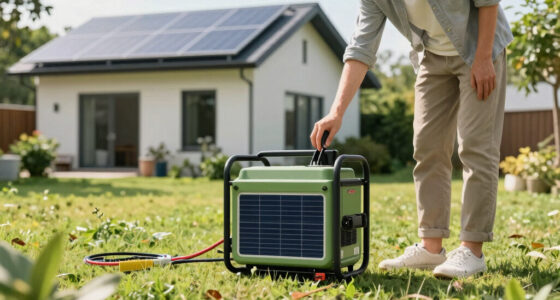
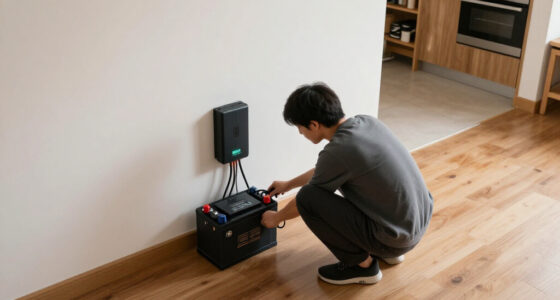
The best energy storage systems balance usable capacity, output, expandability, and installation needs. My best overall pick is the EF ECOFLOW TITAN Power Station with Extra Battery, which combines substantial storage with high power output in a portable format. For a more integrated home setup, the Anker SOLIX E10 Home Backup System stands out for its fixed installation components, while the ECO-WORTHY 32 kWh Solar Panel and LiFePO4 Home Backup Kit suits buyers planning a larger solar-backed system. The main tradeoff is between portable convenience and the capacity and integration of a fixed home system. Keep reading for the full breakdown and help matching a system to your backup needs.

Get backup power and energy gear delivered free with Prime
- Fast, free delivery on millions of items
- Prime Video, Amazon Music and more included
- Member-only deals all year
Complete the kit


Key Takeaways
- Capacity and output are different jobs: The ECO-WORTHY 32 kWh kit emphasizes stored energy, while the EF ECOFLOW TITAN pairs a large battery with high stated output for running more demanding loads.
- Portable systems favor flexibility: The Jackery HomePower 2000 Plus v2 is a more manageable choice for portable backup, but its 2,048Wh capacity is far below the largest home-oriented systems here.
- Ready-made kits trade choice for simplicity: The ECO-WORTHY PowerMega system bundles a battery with a 10kW hybrid inverter, while the separate 16.07kWh battery leaves inverter selection to the buyer.
- Some products are components, not complete systems: The EEL battery box does not include cells, so it suits experienced builders rather than shoppers seeking a ready-to-use storage system.
- Expandable home backup needs compatibility checks: Anker‘s E10 Power Dock and extra battery system offers a broad 12–90 kWh range, but buyers need to confirm installation, configuration, and system requirements before planning around that capacity.
| Jackery HomePower 2000 Plus v2 Portable Power Station, 2048Wh, 2400W |  | Best Portable Home-Backup Pick | Battery capacity: 2,048Wh | AC output: 2,400W | Expandable capacity: Up to 12kWh | VIEW LATEST PRICE | See Our Full Breakdown |
| ECO-WORTHY PowerMega 48V 314Ah LiFePO4 Energy Storage System with 10kW Hybrid Inverter |  | Best Integrated High-Capacity System | Usable energy: 16.1kWh | Battery: 51.2V, 314Ah LiFePO4 | Inverter output: 10,000W | VIEW LATEST PRICE | See Our Full Breakdown |
| ECO-WORTHY Powermega 48V 314Ah LiFePO4 Battery, 16.07kWh |  | Best Expandable Battery Bank | Energy: 16.07kWh | Voltage: 51.2V | Capacity: 314Ah | VIEW LATEST PRICE | See Our Full Breakdown |
| Anker SOLIX E10 Home Backup System with Fixed Bracket and Smart Inlet Box |  | Best for Whole-Home Backup | Starting battery capacity: 6kWh | Expandable capacity: Up to 30kWh | Continuous output: 7.68kW | VIEW LATEST PRICE | See Our Full Breakdown |
| EEL 48V MB56 LiFePO4 Battery Box with JK 300A BMS (Cells Not Included) |  | Best for DIY Battery Builders | Voltage: 51.2V | Output current: 300A | BMS: JK-PB2A16S30P, 16S, 300A | VIEW LATEST PRICE | See Our Full Breakdown |
| EF ECOFLOW TITAN Power Station with Extra Battery, 10,017Wh, 7,200W |  | Best Portable High-Output System | Capacity: 10,017Wh | Continuous output: 7,200W | AC voltage: 120V/240V split-phase | VIEW LATEST PRICE | See Our Full Breakdown |
| ECO-WORTHY 32 kWh Solar Panel and LiFePO4 Home Backup Kit |  | Best Integrated Solar Kit | Solar panels: 6 × 590W N-type panels | Battery: 2 × 48V 314Ah LiFePO4 | Usable energy: 30kWh+ | VIEW LATEST PRICE | See Our Full Breakdown |
| Anker SOLIX E10 Power Dock and Extra Battery System, 12–90 kWh |  | Best for Whole-Panel Backup and Expansion | Battery capacity: 12–90kWh | Continuous output: 7.68kW | Starting output: 10kW | VIEW LATEST PRICE | See Our Full Breakdown |
More Details on Our Top Picks
Jackery HomePower 2000 Plus v2 Portable Power Station, 2048Wh, 2400W
The Jackery HomePower 2000 Plus v2 is the most portable-feeling option here for buyers who want backup power without starting with a fixed home installation. Its 2,048Wh capacity and 2,400W AC output suit essential devices and smaller loads, while expansion up to 12kWh leaves room to grow. Compared with the Anker SOLIX E10, it starts with far less storage and output, but its 40.6-pound weight and self-contained format are easier to reposition. The LFP battery is rated for 6,000+ cycles, and 140W USB-C output can serve compatible laptops and other demanding devices. The tradeoff is that solar panels are optional, and this is still heavy to carry regularly. I’d choose it for flexible, incremental backup, not as a ready-made whole-home system.
Pros:- Expandable storage up to 12kWh supports a gradual move from basic backup to longer runtimes.
- LFP battery is rated for 6,000+ cycles.
- 2,400W AC output can handle more than small electronics alone.
- 140W USB-C output supports compatible high-power devices.
Cons:- Solar panels are optional, adding a separate purchase for solar charging.
- At 40.6 pounds, it is not convenient for frequent carrying.
- Its starting capacity and output are well below larger home systems such as the Anker SOLIX E10.
Best for: Homeowners or renters who need a movable backup unit for essential appliances, electronics, and occasional outages, with the option to add capacity later.
Not ideal for: Buyers seeking whole-home output or a solar-ready package; its initial 2,048Wh capacity is modest beside the Anker SOLIX E10, and panels are not included.
- Battery capacity:2,048Wh
- AC output:2,400W
- Expandable capacity:Up to 12kWh
- Battery type:LFP
- USB-C output:140W
- Weight:40.6 lb
- Dimensions:14.37 × 10.24 × 10.73 in
Our verdict“Choose the Jackery for expandable, movable backup for essential loads; skip it if you need high-output whole-home coverage from the outset.”
ECO-WORTHY PowerMega 48V 314Ah LiFePO4 Energy Storage System with 10kW Hybrid Inverter
The ECO-WORTHY PowerMega 48V system pairs a substantial battery with its inverter, making it the strongest integrated choice here for buyers planning a serious backup or off-grid setup. It provides 16.1kWh of usable energy and 10kW inverter output, including 120V single-phase or 240V split-phase power. That is a different scale from the portable Jackery HomePower 2000 Plus v2, which is easier to move but offers far less storage and output. This ECO-WORTHY package also brings app monitoring, multiple communications options, and protective features including active balancing and aerosol fire suppression. Its tradeoffs are the more involved installation and a single-battery package that does not include parallel connection cables. Freight delivery and a randomly selected inverter exterior version may also complicate planning. I’d favor it when capacity and integrated conversion matter more than portability.
Pros:- Combines 16.1kWh usable storage with a 10kW hybrid inverter.
- Supports both 120V single-phase and 240V split-phase output.
- WiFi, Bluetooth, RS485, CAN, and RS232 provide varied monitoring and integration options.
- Active-balancing BMS, circuit breaker, fire suppression module, and alarm add built-in safeguards.
Cons:- Parallel connection cables are not included with the single-battery package.
- Palletized truck-freight delivery requires planning and suitable access.
- The inverter exterior version is selected randomly, limiting control over appearance.
Best for: Homeowners or off-grid users planning a fixed 120V/240V system who want substantial usable storage and a matching hybrid inverter in one package.
Not ideal for: Buyers wanting a portable, plug-and-play backup station or a package ready for battery paralleling without sourcing additional cables.
- Usable energy:16.1kWh
- Battery:51.2V, 314Ah LiFePO4
- Inverter output:10,000W
- Output:120V single-phase or 240V split-phase
- Output waveform:Pure sine wave
- Cycle life:9,000+ cycles at 80% DoD
- MPPT efficiency:Up to 99.9%
- Warranty:10 years
Our verdict“Pick this ECO-WORTHY package for a high-capacity, fixed home or off-grid system with an included inverter, not for portable backup.”
ECO-WORTHY Powermega 48V 314Ah LiFePO4 Battery, 16.07kWh
For buyers who already have an inverter or want to choose one separately, the ECO-WORTHY Powermega 16.07kWh battery offers a large storage block without bundling conversion hardware. Its 51.2V LiFePO4 chemistry, active-balancing 200A BMS, and stated expansion support for up to 15 units make it a fit for systems intended to grow. Unlike the similarly sized ECO-WORTHY PowerMega system with 10kW inverter, this listing is battery-only, so it gives the buyer more choice but also leaves inverter selection and compatibility to them. A touchscreen plus WiFi and Bluetooth make system status easier to check, while wheels aid positioning during installation. The substantial size and pallet freight make it a poor match for casual or portable backup, and the RS485 or CAN link must match the chosen inverter. I’d put it ahead of a bundled system only when modular choice is a priority.
Pros:- 16.07kWh of storage provides a substantial battery base.
- Supports parallel expansion up to 15 units.
- 200A active-balancing BMS, external breaker, and aerosol fire-suppression modules are included.
- Touchscreen, WiFi, and Bluetooth provide several ways to monitor system status.
Cons:- No inverter is included, so buyers must source compatible conversion equipment.
- RS485 or CAN compatibility should be checked against the intended inverter.
- Large, heavy construction and pallet delivery make installation less convenient.
Best for: Solar installers and technically confident homeowners who already own, or plan to select, a compatible inverter and want a large battery bank that can expand.
Not ideal for: Buyers seeking a complete storage-and-inverter package or a lightweight backup battery; this unit is large, delivered by truck, and requires compatibility checks.
- Energy:16.07kWh
- Voltage:51.2V
- Capacity:314Ah
- Chemistry:LiFePO4
- BMS:200A smart BMS with active cell balancing
- Expansion:Up to 15 units in parallel
- Monitoring:7-inch touchscreen, WiFi, and Bluetooth
- Warranty:10 years
Our verdict“Choose this battery when you want a sizable, expandable storage bank and are prepared to pair it with a compatible inverter.”
Anker SOLIX E10 Home Backup System with Fixed Bracket and Smart Inlet Box
The Anker SOLIX E10 is the clearest fit in this group for buyers seeking a fixed home-backup system rather than a portable power station. Its 7.68kW continuous output, 10,000W starting wattage, and included Smart Inlet Box support a more substantial backup setup than the Jackery HomePower 2000 Plus v2. Starting with 6kWh, it can expand to 30kWh, and support for up to 9kW of solar input per unit gives solar-equipped households room to build around it. Outdoor-rated construction and wall- or floor-mounting add installation flexibility. The tradeoffs are the need to plan for professional installation and the separately dispatched E10 and inlet box. Its listed five-year E10 warranty is also shorter than the ten-year warranties on the ECO-WORTHY battery options. I’d rank it highest for home integration, not simplicity or warranty length.
Pros:- 7.68kW continuous output and 10,000W starting wattage suit larger backup loads.
- Capacity can expand from 6kWh to 30kWh.
- Supports up to 9kW of solar input per unit.
- Outdoor-rated design can be wall- or floor-mounted, with a Smart Inlet Box included.
Cons:- Professional installation may be needed for a home-integrated system.
- The E10 and Smart Inlet Box are dispatched separately.
- The E10 warranty is five years, shorter than the ten-year coverage listed for the ECO-WORTHY batteries.
Best for: Homeowners seeking a high-output, expandable backup system with a smart inlet for managing backup power and space for substantial solar input.
Not ideal for: Renters or buyers who need a portable, self-contained station; installation may require a professional, and the system is larger in scope than basic device backup.
- Starting battery capacity:6kWh
- Expandable capacity:Up to 30kWh
- Continuous output:7.68kW
- Starting wattage:10,000W
- Solar input:Up to 9kW per unit
- Battery chemistry:LFP
- Operating temperature:-4°F to 131°F
- Warranty:5 years for E10; 10 years for Smart Inlet Box
Our verdict“Choose the SOLIX E10 for expandable, high-output home backup with solar support, provided you can accommodate installation planning.”
EEL 48V MB56 LiFePO4 Battery Box with JK 300A BMS (Cells Not Included)
The EEL 48V MB56 battery box is a component platform, not a complete energy storage system: buyers supply the compatible cells, then build around its enclosure and electronics. That makes it the most hands-on choice in this group, while the ECO-WORTHY Powermega battery arrives as a complete battery with cells already included. Here, the JK 300A active-balancing BMS, Class T fuse, hydraulic magnetic breaker, display, and cooling fan provide substantial system hardware for a DIY build. Parallel connection support can help a builder add capacity over time, and optional heating pads are available for cold conditions. The main tradeoff is significant: cells are not included, so the completed system depends on sourcing compatible EVE MB56 cells and assembling them correctly. At 70kg, the metal tower is also a fixed-installation project rather than portable backup.
Pros:- 300A JK BMS with active balancing supports a high-current DIY battery build.
- Includes a Class T fuse and hydraulic magnetic circuit breaker.
- Metal tower enclosure has a cooling fan, display, handles, and latches.
- Supports parallel connection and optional heating pads.
Cons:- Compatible battery cells are not included and must be sourced separately.
- At 70kg, the enclosure requires careful handling and a fixed installation plan.
- Heating pads are optional and sold separately.
Best for: Experienced DIY solar and battery builders who can source compatible EVE MB56 cells and want a tower enclosure with high-current protection and expansion options.
Not ideal for: First-time buyers who want a complete, ready-to-connect battery system; cells are excluded, and the 70kg enclosure is not suited to portable use.
- Voltage:51.2V
- Output current:300A
- BMS:JK-PB2A16S30P, 16S, 300A
- Fuse:Class T, 315A
- Circuit breaker:Hydraulic magnetic, 300A
- Compatible cells:EVE MB56 628Ah LiFePO4 cells
- Cells included:No
- Item weight:70kg
Our verdict“Choose this box only if you are an experienced builder prepared to source and install compatible cells; otherwise, buy a complete battery system.”
EF ECOFLOW TITAN Power Station with Extra Battery, 10,017Wh, 7,200W
The EF ECOFLOW TITAN is the strongest fit here for buyers who want substantial backup power without starting with a permanently integrated home system. Its 7,200W split-phase output can run compatible 120V and 240V loads, while the included extra battery brings capacity to 10,017Wh. Compared with the Anker SOLIX E10, the TITAN is more portable in concept, but the E10 offers a Power Dock for 200A whole-panel coverage and a much higher expansion ceiling. The TITAN can grow to 30kWh and accepts AC, solar, or generator charging, giving off-grid owners several ways to replenish it. The tradeoff is substantial: at 119 lb, moving it is a two-person task, and its 4kW maximum solar input is lower than the E10’s stated 9kW per unit.
Pros:- 7,200W continuous output with 120V/240V split-phase power supports a broad range of home loads.
- Included battery brings capacity to 10,017Wh, with expansion available up to 30kWh.
- AC, solar, and generator charging provide flexible ways to recharge.
- LFP chemistry, app connectivity, and UL 9540 certification support managed backup use.
Cons:- At 119 lb, the unit is difficult to move without help.
- Maximum solar input is 4kW, below the Anker SOLIX E10’s stated 9kW per unit.
- It does not include the E10’s 200A Power Dock for whole-panel coverage.
Best for: Off-grid households and homeowners who need high-output 120V/240V backup with multiple charging options, but prefer a portable power station over a fixed whole-panel system.
Not ideal for: Buyers who need automatic whole-panel integration, frequent solo repositioning, or a solar input capacity above 4kW.
- Capacity:10,017Wh
- Continuous output:7,200W
- AC voltage:120V/240V split-phase
- Battery chemistry:Lithium iron phosphate (LFP)
- Expandable capacity:5kWh to 30kWh with up to five 5kWh expansion batteries
- Maximum solar input:4kW
- Maximum AC input:7.6kW
- Weight:119 lb
Our verdict“Choose the TITAN if you want a high-output, expandable power station with several charging paths and can accommodate its weight.”
ECO-WORTHY 32 kWh Solar Panel and LiFePO4 Home Backup Kit
The ECO-WORTHY 32 kWh kit is the most complete solar-first package in this group: it combines six panels, a 10kW hybrid inverter, two LiFePO4 batteries, and cables instead of asking buyers to assemble the main components separately. Its 30kWh+ usable storage and 120V/240V output suit homes planning substantial backup or off-grid use. Compared with the EF ECOFLOW TITAN, this is a larger, more installation-oriented setup rather than a portable station; the TITAN is easier to treat as a movable power source, while ECO-WORTHY arrives with generation hardware included. Battery monitoring and protective features add useful oversight, but the scale brings real logistics: the system ships by truck on a pallet, and the 72.8 lb panels need suitable handling and mounting. This makes more sense for a prepared installation site than for a buyer seeking quick, plug-in backup.
Pros:- Includes six solar panels, a hybrid inverter, two batteries, and cables as an integrated package.
- 30kWh+ usable energy provides substantial storage for home backup and off-grid applications.
- 10kW inverter supplies both 120V and 240V output.
- Battery monitoring and protection include Bluetooth, Wi-Fi, active balancing, a circuit breaker, and aerosol fire suppression.
Cons:- Pallet delivery and the size of the panels make transport and installation demanding.
- Each panel weighs 72.8 lb, requiring suitable handling and mounting support.
- Its fixed-system scale is less convenient than the EF ECOFLOW TITAN for buyers seeking portable backup.
Best for: Homeowners or off-grid property owners planning a fixed solar installation who want panels, batteries, and a hybrid inverter in one coordinated kit.
Not ideal for: Renters, buyers who need a compact or readily movable backup unit, and households without space or support for pallet delivery and panel installation.
- Solar panels:6 × 590W N-type panels
- Battery:2 × 48V 314Ah LiFePO4
- Usable energy:30kWh+
- Inverter:10kW hybrid
- Inverter output:120V and 240V
- MPPT tracking efficiency:99.9%
- Battery cycle life:9,000+ cycles at 80% DoD
- Panel dimensions:89.68 × 44.65 × 1.18 in
Our verdict“Pick this kit for a planned solar installation where an all-in-one component package matters more than portability.”
Anker SOLIX E10 Power Dock and Extra Battery System, 12–90 kWh
The Anker SOLIX E10 is the clearest match for buyers building toward whole-home backup: its included Power Dock covers a 200A panel, while automatic switchover is listed at 20 ms or less. The 12kWh starting capacity can expand as high as 90kWh, giving it the widest stated storage ceiling among these three options. Compared with the EF ECOFLOW TITAN, the E10 is more closely tied to a home installation and offers greater expansion, while the TITAN is better suited to portable use and supports generator charging. The E10 also lists 9kW solar input per unit and weather-resistant components, but whole-panel integration may call for professional installation. Buyers should also plan for separate dispatch of the Power Module and extra battery, and the listed 60.6 lb weight does not make this a simple carry-around station.
Pros:- Power Dock provides 200A whole-panel coverage for home backup integration.
- Storage expands from 12kWh up to 90kWh.
- Automatic switchover is listed at 20 ms or less.
- Supports up to 9kW solar input per unit and wall or floor mounting.
Cons:- Whole-panel integration may require professional installation.
- Power Module and extra battery may be dispatched separately.
- Unlike the EF ECOFLOW TITAN, the E10 is designed around home installation rather than flexible portable use.
Best for: Homeowners who want whole-panel backup, automatic switchover, and room to expand storage as their household’s backup needs grow.
Not ideal for: Buyers seeking a simple portable power station, those who cannot arrange professional electrical installation, or anyone relying on a single coordinated shipment.
- Battery capacity:12–90kWh
- Continuous output:7.68kW
- Starting output:10kW
- Power Dock coverage:200A whole panel
- Switchover time:≤20 ms
- Solar input:9kW per unit
- Battery chemistry:LFP
- Mounting:Wall or floor
Our verdict“Choose the E10 if whole-panel coverage and a high future storage ceiling matter more than portable, plug-in flexibility.”
How We Picked
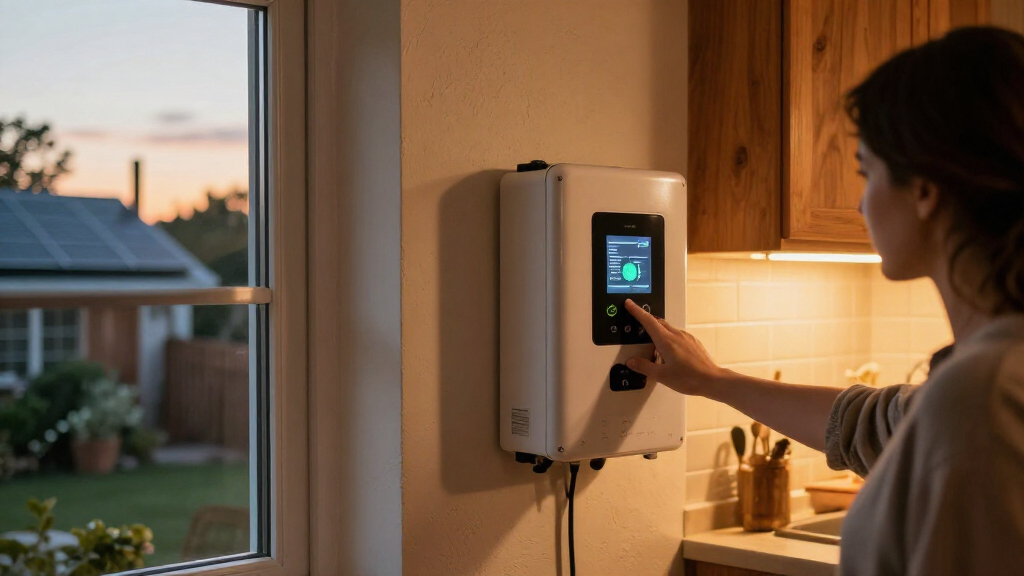
I compared these products as energy storage choices, not as interchangeable batteries. My ranking weighs the balance of usable storage and stated power output, how much equipment is included, portability, expansion potential, and how much planning or installation a buyer must handle. I also considered whether a product is ready to operate as a system or depends on additional components, since that difference can change the effort and compatibility work involved.
The EF ECOFLOW TITAN ranks first for its combination of 10,017Wh capacity and 7,200W output in a portable power station with an extra battery. The Anker home backup options and ECO-WORTHY kits serve larger or more integrated home setups, but their fit depends more on installation and system configuration. The Jackery is a clearer portable-scale choice, while the EEL battery box ranks for a narrower audience because cells are not included. I treated product descriptions as stated specifications and did not infer runtime, solar charging performance, or compatibility beyond the supplied information.
Factors to Consider When Choosing Best Energy Storage Systems
Before choosing a system, I would start with the loads you need to support and the setup you can realistically install. Capacity alone can make a unit look suitable, but output limits, system components, and expansion details shape how it works in a home.
Separate stored energy from power output
Capacity, measured in watt-hours or kilowatt-hours, describes how much energy a battery can store; watts describe how much power it can provide at once. A system can have a large battery yet still be a poor match for equipment with high starting or operating demands. List the devices you want to run together, then check their running loads and any startup surge requirements against the system’s output ratings. Avoid adding every appliance’s label wattage without deciding which ones need to operate at the same time. This distinction helps explain why a high-capacity home battery and a high-output portable station are not automatically substitutes.
Plan around essential loads, not an imagined whole house
Write down what must stay on during an outage, such as refrigeration, communications, lighting, or selected medical equipment, and estimate how long each needs power. Heating, cooling, electric cooking, and water heating can draw much more energy than small electronics, so including them may change the scale of system required. A common mistake is sizing storage for the whole home without checking whether the inverter and connection setup can serve those circuits. Decide whether you want a small set of critical loads or broader backup before comparing battery capacities. That decision can prevent paying for storage that your installation cannot use effectively.
Check what the package actually includes
Product names can group batteries, inverters, docks, transfer equipment, and solar panels under the broad label of an energy storage system. Read the included-components list closely and identify anything you would need to buy separately, such as battery cells, an inverter, wiring, or a home connection component. The EEL battery box, for example, is an enclosure and battery management setup rather than a complete battery because cells are not included. A bundled system can reduce component selection work, but it may offer less freedom to choose equipment independently. Compare complete-system scope before comparing headline capacity.
Treat expansion claims as a compatibility question
Expandable capacity is useful when backup needs may grow, but a stated range does not explain every configuration detail. Check which batteries work together, what additional hardware is required, and whether expansion changes output or only stored energy. Confirm the manufacturer’s supported configurations rather than assuming another battery can be added later without limits. Also ask how the system handles charging and discharge across a larger bank, especially if new components may be added years after the first purchase. A smaller system that fits today’s needs can be a safer choice than a large expansion plan based on unverified assumptions.
Match portability to the way you will use the system
A portable power station can serve backup needs in different locations, while a fixed home system may connect more directly to selected household circuits. Moving a heavy unit, storing it safely, and reconnecting equipment can become inconvenient if outages are frequent. Fixed equipment may reduce day-to-day handling but can bring installation planning and electrical work. Think about whether the system must also support travel, outdoor use, or temporary work away from home. The best format is the one you can access and operate when power is unavailable, not simply the one with the largest capacity figure.
Budget for installation, upkeep, and future service
A system’s practical value depends on more than the battery and inverter: installation, electrical modifications, monitoring, and eventual service can affect the full ownership picture. Ask who is qualified to install the equipment, what site conditions it requires, and what warranty or support applies to each included component. Battery chemistry and management electronics matter, but the product details alone may not reveal every maintenance or service requirement. Avoid assuming a kit is plug-and-play just because it bundles several parts. When comparing a DIY-oriented setup with a more integrated system, weigh your technical skills and time alongside the equipment list.
Frequently Asked Questions
How do I choose between a portable power station and a fixed home backup system?
I would choose a portable station if the ability to move power between rooms or locations matters more than direct integration with household circuits. A fixed system makes more sense when you want a planned connection to selected home loads and are prepared for installation requirements. Compare the output, storage, included connection equipment, and how each option will be operated during an outage. A portable unit may require you to plug devices in individually, while a home setup may need electrical work before it can support circuits. Your preferred operating routine is as important as the capacity figure.
Is a 10kW inverter enough for whole-home backup?
A 10kW rating describes a power ceiling, not a promise that every appliance in a home can run at once. The answer depends on which loads are connected, their simultaneous demand, and whether motors or compressors create startup surges. High-draw equipment such as heating or cooking appliances can consume a large share of available output. Make a load list and have an electrician or qualified installer check the proposed circuits against the system specifications. If you only need essential circuits, a system that cannot run the entire home may still meet your actual backup plan.
Can I connect a battery to solar panels without buying a hybrid inverter?
Not necessarily; battery storage needs compatible equipment to convert and manage power from both the panels and the battery. Some packages include a hybrid inverter, while a standalone battery may require you to select one separately. Compatibility can depend on voltage, battery communication, inverter settings, and the solar array configuration. Confirm that the exact battery and inverter combination is supported by their manufacturers before buying components. If you prefer fewer integration decisions, a bundled kit may be easier to plan, though it can limit your choice of equipment.
What should I check before buying an expandable battery system?
Check the supported battery models, maximum configuration, required docks or cables, and whether added batteries raise capacity, output, or both. Confirm that the system can use the added storage in the operating mode you need, such as backup or solar self-consumption. Ask whether expansion can be installed later and whether older and newer battery units can work together. The advertised capacity range is not enough to establish that every configuration suits your home. A qualified installer can also confirm whether your available space and electrical setup support the planned expansion.
Is a battery enclosure without cells a good way to build a storage system?
It can suit an experienced builder who wants to source cells and configure a battery around a compatible system, but it is not a ready-to-use storage purchase. You need to verify cell format, electrical specifications, battery management settings, assembly requirements, and compatibility with the inverter. Mistakes in cell selection or assembly can create safety and performance risks, so this route calls for appropriate technical knowledge and careful adherence to manufacturer guidance. Buyers who want a more straightforward setup should compare a complete battery or bundled system instead. Include the added components and build effort when judging whether a component-based approach fits your needs.
Conclusion
For most buyers seeking a strong balance of storage and output in a portable format, my best overall pick is the EF ECOFLOW TITAN Power Station with Extra Battery. The best value in flexibility is the ECO-WORTHY PowerMega 48V system with 10kW hybrid inverter for shoppers who want the battery and inverter bundled, while the standalone PowerMega battery may suit buyers who already have a compatible inverter. For best premium home expansion, look at the Anker SOLIX E10 Power Dock and Extra Battery System; its broad capacity range calls for careful configuration planning. The best pick for beginners who want portable backup is the Jackery HomePower 2000 Plus v2, while the best for larger solar-backed storage is the ECO-WORTHY 32 kWh kit. Choose the EEL battery box only if you specifically want a cells-not-included build, and consider the Anker E10 Home Backup System if its fixed installation components fit your home plan.