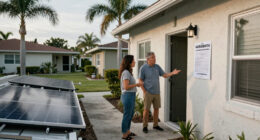

Charging a laptop from the sun demands more than a small solar panel and optimism — it takes a battery with enough watt-hours, an inverter or USB-PD output rated for 60W-plus, and a panel big enough to refill the battery in a reasonable day. After comparing nine popular options, the Portable Solar Generator 300W with 60W Solar Panel stands out as the best overall pick because it pairs a capable battery with one of the largest panels here, so it actually recovers its charge while you work. The Takki 88.8Wh Solar Generator is the easiest entry point for first-time buyers, while the SinKeu 24000mAh power bank wins on pocketability for day trips. The core tradeoff in this category is simple: true solar panels mean weight and bulk, whereas palm-sized solar power banks barely produce enough trickle current to matter. Read on for the full breakdown of which tradeoff fits your setup.

Get backup power and energy gear delivered free with Prime
- Fast, free delivery on millions of items
- Prime Video, Amazon Music and more included
- Member-only deals all year
Complete the kit


Key Takeaways
- Bundled panel wattage was the single biggest differentiator: the 60W and 40W kits (#8 and #3) can realistically recharge their batteries in a single sunny day, while the 21W and smaller panels on power-bank style units can take multiple days for a full refill.
- The #1 and #8 units share 300W inverters, but only #8 includes a solar panel in the box — buying #1 alone saves money upfront if you already own a panel, otherwise #8 is the stronger complete kit.
- Solar power banks like the SOARAISE and SinKeu are best treated as regular power banks with an emergency solar trickle; their built-in panels are too small to be a primary charging method for laptops.
- The Daran unit’s LiFePO4 chemistry gives it a clear lifespan advantage (roughly 5x the charge cycles of standard lithium-ion), making it the smarter long-term pick despite average capacity.
- Capacity claims diverge sharply from laptop charges delivered: an 88-90Wh unit like the Takki or Daran gives most laptops one full recharge, while the 280Wh #1 unit delivers three or more — capacity class matters more than marketing wattage.
| Portable Power Station 300W, 110V Solar Generator 280Wh (Without Solar Panel) | 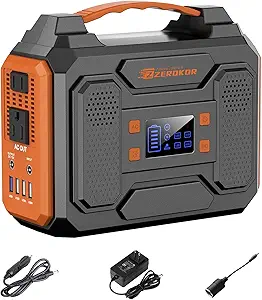 | Best for Whole-Workday Runtime | Power Output: 300W MAX | Battery Capacity: 280Wh | AC Outlets: 2 | VIEW LATEST PRICE | See Our Full Breakdown |
| Portable Solar Power Bank with AC Outlet 65W 110V |  | Best All-in-One Solar Value | Battery Capacity: 24,000mAh | AC Output: 65W, 110V | Solar Panel: 30W foldable | VIEW LATEST PRICE | See Our Full Breakdown |
| Portable Power Station with 40W Solar Panel, 100W Solar Powered Generator |  | Best Solar Harvesting Efficiency | Max Output: 100W (2 x AC outlets) | Solar Panel Power: 40W foldable | MPPT Controller: Yes | VIEW LATEST PRICE | See Our Full Breakdown |
| Takki Solar Generator 120W Peak Portable Power Station with 21W Solar Panel, 88.8Wh Battery |  | Best Ultralight Starter Kit | Battery Capacity: 88.8Wh | Peak Power: 120W (80W continuous device limit) | Solar Panel: 21W foldable, 0.92 lbs | VIEW LATEST PRICE | See Our Full Breakdown |
| SinKeu 24000mAh Portable Power Bank with AC Outlet and Solar Charging |  | Best for Travel Monitoring | Battery Capacity: 24,000mAh lithium polymer | AC Output: 110V/65W | DC Output: 9-12.6V/10A | VIEW LATEST PRICE | See Our Full Breakdown |
| SOARAISE Solar Power Bank 48000mAh Wireless Portable Charger with 4 Cables |  | Best for Multi-Device Charging on the Trail | Capacity: 48000mAh | Solar Panels: 4 high-efficiency fold-out panels | Ports: 2 USB-A, 1 USB-C (input/output) | VIEW LATEST PRICE | See Our Full Breakdown |
| Daran Portable Power Station 89.6Wh LiFePO4 Battery 100W Solar Power Bank |  | Best Battery Longevity in a Compact Station | Battery Capacity: 89.6Wh | Battery Type: LiFePO4, 3500+ cycles | AC Outlets: 2 (100W max total) | VIEW LATEST PRICE | See Our Full Breakdown |
| Portable Solar Generator 300W with 60W Solar Panel | 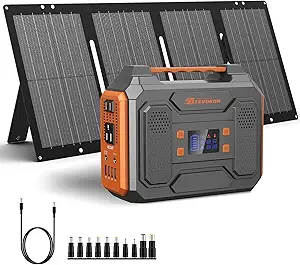 | Best Complete Off-Grid Kit | Power Output: 300W max | Solar Panel: 60W foldable monocrystalline, 20.5% efficiency | AC Outlets: 2 x 300W max | VIEW LATEST PRICE | See Our Full Breakdown |
| Portable Power Station 146Wh 100W Solar Powered Power Bank with AC Outlet | 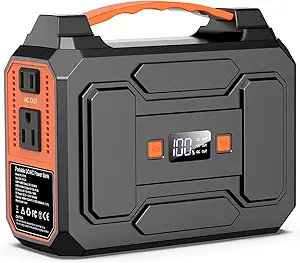 | Best Capacity-per-Pound Value | Capacity: 146Wh / 39600mAh | AC Output: 2 x 110V, 100W max | USB Ports: 2 x USB 3.1A, 1 x Quick Charge 3.0 | VIEW LATEST PRICE | See Our Full Breakdown |
| solar-powered laptop charger | Battery Capacity | USB Ports |
|---|---|---|
| Portable Power Station 300W | 280Wh | 3 standard + 1 QC |
| Portable Solar Power Bank with | 24,000mAh | 5V/2.4A + Quick Charge 5V/3A, 9V/2A |
| Portable Power Station with 40 | — | USB1, USB2, QC USB, USB-C |
| Takki Solar Generator 120W Pea | 88.8Wh | — |
| SinKeu 24000mAh Portable Power | 24,000mAh lithium polymer | — |
| SOARAISE Solar Power Bank 4800 | — | — |
| Daran Portable Power Station 8 | 89.6Wh | — |
| Portable Solar Generator 300W | — | 3 x 5V/3A, 1 x Quick Charge (9V/2A) |
| Portable Power Station 146Wh 1 | — | 2 x USB 3.1A, 1 x Quick Charge 3.0 |
More Details on Our Top Picks
Portable Power Station 300W, 110V Solar Generator 280Wh (Without Solar Panel)
Among these options, this unit stands out for having the largest battery capacity in the lineup at 280Wh, which is what actually determines how many laptop charges you get away from an outlet. Compared with the Takki 88.8Wh generator, it stores more than three times the energy, translating to a full day of laptop work plus phone and camera top-ups instead of a single afternoon session. The 300W output ceiling comfortably covers any standard laptop charger, unlike the 65W power banks here that struggle with gaming laptops or 16-inch machines. The catch: the solar panel is sold separately, so the true off-grid cost is higher than the sticker price, and at roughly 5 lbs it is closer to a basecamp item than something that lives in a daypack.
Pros:- 280Wh capacity delivers several full laptop charges per refill
- 300W output handles larger laptop chargers without strain
- Three recharge paths: AC, 12V car, and solar
- Full protection suite against shorts, overloads, and surges
Cons:- Solar panel not included — an extra purchase is required for off-grid charging
- Around 5 lbs, the heaviest option in this batch
- 300W ceiling still rules out power tools and high-draw appliances
Best for: Remote workers and campers who need multiple laptop charges over a full day and will buy a solar panel separately
Not ideal for: Minimalists wanting an all-in-one solar solution out of the box, or anyone prioritizing pack weight
- Power Output:300W MAX
- Battery Capacity:280Wh
- AC Outlets:2
- USB Ports:3 standard + 1 QC
- DC Output:9V-12.6V/10A MAX
- Weight:About 5 lbs
- Charging Methods:AC, 12V car, solar (panel sold separately)
Our verdict“This pick makes the most sense for buyers who value runtime above portability and plan to add a panel themselves.”
Portable Solar Power Bank with AC Outlet 65W 110V
This is the only product in this batch that bundles a meaningful 30W foldable solar panel with a laptop-capable battery at a power-bank price, and that combination is what earns it a spot. The 65W AC outlet covers most ultrabooks, Chromebooks, and 13-14 inch laptops, which is the same ceiling as the SinKeu 24,000mAh power bank — but here you also get integrated solar harvesting rather than just solar compatibility. A 24,000mAh battery delivers roughly one full laptop charge plus phone refills. Tradeoffs are real: the AC outlet requires manual on/off switching, so a device left plugged in can drain the bank silently, and the panel’s junction box is not waterproof, meaning rain demands immediate attention during otherwise carefree camping trips.
Pros:- 30W solar panel included — genuinely usable off-grid recharging
- 65W AC outlet supports most thin-and-light laptops
- Three recharge methods: solar, wall, and car
- Compact enough for a backpack side pocket
Cons:- Manual AC on/off switch risks silent battery drain
- 65W cap excludes power-hungry laptops
- Non-waterproof junction box limits wet-weather reliability
Best for: Budget-conscious campers and students who want solar charging included without buying separate components
Not ideal for: Owners of gaming or 16-inch laptops drawing more than 65W, who need a higher-wattage station like the 300W unit
- Battery Capacity:24,000mAh
- AC Output:65W, 110V
- Solar Panel:30W foldable
- DC Output:9V-12.6V/10A MAX
- USB Ports:5V/2.4A + Quick Charge 5V/3A, 9V/2A
- Folded Panel Size:12.7 x 8.4 x 0.3 inches
Our verdict“This option stands out for buyers who want a complete solar laptop charging kit in one purchase at the lowest total cost.”
Portable Power Station with 40W Solar Panel, 100W Solar Powered Generator
Where the 30W power bank combo treats solar as a backup, this kit treats it as the main event, pairing a 40W panel with an MPPT charge controller and 22.8% conversion efficiency. That controller matters more than most buyers realize: it squeezes noticeably more usable energy out of variable sunlight than the simple charge circuits in cheaper combos, so the battery refills faster on cloudy or partially shaded days. Output tops out at 100W, which sits comfortably above the 65W power banks for laptop headroom but well below the 300W station’s ceiling. Two drawbacks shape the ownership experience: the junction box is not waterproof, and the battery needs a recharge every two weeks when idle — an easy maintenance detail to forget between trips.
Pros:- 40W panel is the strongest included solar input in this batch
- MPPT controller maximizes harvest in imperfect sunlight
- Multiple outputs including USB-C for modern laptops
- Built-in BMS protection across all charge paths
Cons:- 100W ceiling rules out high-draw devices like air compressors
- Junction box is not waterproof despite outdoor use case
- Requires recharge at least every two weeks when stored
Best for: Off-grid campers and van lifers who recharge primarily by sunlight and want the fastest panel-to-battery transfer in this price class
Not ideal for: Anyone with appliances or tools over 100W, or infrequent users who won’t follow the biweekly recharge schedule
- Max Output:100W (2 x AC outlets)
- Solar Panel Power:40W foldable
- MPPT Controller:Yes
- Conversion Efficiency:22.8%
- USB Ports:USB1, USB2, QC USB, USB-C
- Built-in BMS:Yes
Our verdict“This model is better suited to sun-powered adventurers who recharge on the move rather than from a wall outlet.”
Takki Solar Generator 120W Peak Portable Power Station with 21W Solar Panel, 88.8Wh Battery
At 2.29 lbs for the station plus 0.92 lbs for the panel, this Takki kit is the lightest complete solar laptop setup in the roundup, and that portability is its entire reason for existing. Compared with the 40W solar generator kit, it trades panel power and capacity for a package that fits in a cycling pannier or daypack without a second thought — the station itself measures just 5.7 x 4.13 x 3 inches. The 88.8Wh battery delivers roughly one partial laptop charge, which frames this as an emergency top-up tool rather than a workday power source. Buyers should also note the 80W continuous device limit and the recommendation against charging devices while the station itself recharges, which rules out the pass-through setups some campers expect.
Pros:- Under 3.5 lbs total including the solar panel
- Panel included, so no extra purchase needed for off-grid use
- Fast 2-hour AC recharge to 80%
- Built-in LED flashlight with SOS mode for emergencies
Cons:- 88.8Wh battery provides only about one partial laptop charge
- 80W continuous limit excludes most full-size laptop chargers
- Cannot safely charge devices while the station recharges
Best for: Hikers, cyclists, and emergency-kit builders who want solar laptop backup at minimal weight
Not ideal for: Remote workers needing more than one laptop top-up, or anyone expecting pass-through charging while the panel is deployed
- Battery Capacity:88.8Wh
- Peak Power:120W (80W continuous device limit)
- Solar Panel:21W foldable, 0.92 lbs
- Weight:2.29 lbs
- Dimensions:5.7 x 4.13 x 3 inches
- AC Recharge:2 hours to 80%
- Solar Recharge:5-7 hours to 80%
Our verdict“This pick makes the most sense for weight-conscious travelers who value carry comfort over capacity.”
SinKeu 24000mAh Portable Power Bank with AC Outlet and Solar Charging
The OLED display is what separates this SinKeu from the otherwise similar 65W power bank with the built-in 30W panel — instead of guessing remaining runtime, you get a live readout of battery percentage and status, which changes how confidently you can plan a work session in a tent. With 24,000mAh and a 65W AC outlet, it matches that rival’s laptop capability, and its slim 6.8 x 3.8 x 1.78 inch frame plus built-in wall plug means no charging cable to carry or forget. The compromise is that solar charging is compatible rather than included, so off-grid buyers still need to source a panel, and the 65W ceiling shares the same limitation: fine for ultrabooks, inadequate for gaming machines. Recharge times via solar are slow given the capacity.
Pros:- OLED display shows exact remaining charge at a glance
- Built-in wall plug eliminates a separate charging cable
- 24,000mAh handles a laptop charge plus phone refills
- BMS safety system across all outputs
Cons:- Solar panel not included despite solar compatibility
- 65W limit excludes power-hungry laptops
- Solar recharging a battery this size takes considerable time
Best for: Frequent travelers and digital nomads who want precise battery monitoring and cable-free wall recharging in a slim form
Not ideal for: Off-grid users expecting an included panel — this is solar-compatible, not solar-equipped
- Battery Capacity:24,000mAh lithium polymer
- AC Output:110V/65W
- DC Output:9-12.6V/10A
- USB:USB Type-A
- Dimensions:6.8 x 3.8 x 1.78 inches
- Display:OLED status screen
- Recharging:Built-in wall plug, solar-compatible
Our verdict“This option stands out for travelers who prioritize visibility into their power budget over bundled solar hardware.”
SOARAISE Solar Power Bank 48000mAh Wireless Portable Charger with 4 Cables
Most entries in this roundup are power stations with AC outlets, but the SOARAISE 48000mAh takes a different approach: it’s a power bank first, solar charger second. Its four fold-out solar panels give it noticeably faster sun harvesting than single-panel rivals like the SinKeu 24000mAh, and its massive capacity covers a laptop, phone, and earbuds across a weekend. The built-in cable set means one less thing to pack, and wireless top-ups are a nice bonus. Compared with the Daran 89.6Wh station, it can’t run AC-powered gear, and its real-world solar input is still slow — the panels are a trickle charger, not a primary power source. It’s also heavy and chunky for a pocketable bank. Still, for charging USB-C laptops and phones away from outlets, this pick makes the most sense for groups who share power.
Pros:- 48000mAh capacity recharges a laptop and several phones multiple times
- Four solar panels charge from sunlight noticeably faster than single-panel competitors
- Built-in USB-C, phone, USB-A, and Micro cables eliminate cable clutter
- Wireless charging pad handles compatible phones hands-free
Cons:- Bulky and heavy compared with ordinary power banks — it lives in a backpack, not a pocket
- No AC outlet, so it can’t power standard plugs like the Daran or 300W generator can
- Solar input is only a supplement; full recharges still require a wall socket
Best for: Campers and group travelers who need to keep multiple USB-C laptops and phones alive over a weekend without hauling a full power station
Not ideal for: Anyone expecting to run AC appliances like a mini fridge or fan — there’s no wall-style outlet, and solar charging alone won’t keep pace with heavy daily use
- Capacity:48000mAh
- Solar Panels:4 high-efficiency fold-out panels
- Ports:2 USB-A, 1 USB-C (input/output)
- Built-in Cables:USB-C, Phone, USB-A, Micro
- Wireless Charging:Yes
- Fast Charging:3A via USB-C
Our verdict“Buy this if you prioritize high-capacity USB charging for a group over AC power — skip it if your gear plugs into a wall outlet.”
Daran Portable Power Station 89.6Wh LiFePO4 Battery 100W Solar Power Bank
What sets the Daran 89.6Wh apart from nearly everything else here is chemistry: its LiFePO4 battery is rated for 3500+ cycles, meaning it should outlast the standard lithium-ion cells in the 300W solar generator or the 146Wh station by several years of regular use. At 2.54 pounds and roughly the size of a large water bottle, it’s the easiest AC-equipped option to actually carry, and its seven ports — including two AC outlets and two USB-C — cover a laptop, tablet, and camera simultaneously. The tradeoff is capacity: 89.6Wh runs a laptop for maybe two full charges, far less than the 146Wh model offers. And unlike the SOARAISE, the solar panel is sold separately, so your off-grid setup costs more than the sticker suggests. This option stands out for buyers who value longevity and portability over raw capacity.
Pros:- LiFePO4 chemistry rated for 3500+ cycles, far outlasting typical lithium-ion rivals
- Seven ports, including two AC outlets and two USB-C, handle a full desk’s worth of gear
- Lightest AC-outlet station in this batch at 2.54 pounds
- Recharges four ways: AC wall, USB-C PD, car, and solar (panel sold separately)
Cons:- Solar panel not included, adding cost for off-grid use
- 100W output ceiling rules out kettles, hair dryers, and other high-draw devices
- 89.6Wh capacity falls short for multi-day trips without recharging
Best for: Frequent travelers and emergency-prep minimalists who want a durable, lightweight AC power source that survives years of charge cycles
Not ideal for: Off-grid campers who want solar charging out of the box — there’s no panel included, and multi-day power needs will exceed 89.6Wh
- Battery Capacity:89.6Wh
- Battery Type:LiFePO4, 3500+ cycles
- AC Outlets:2 (100W max total)
- Total Ports:7 (2 AC, 2 USB-C, 2 USB-A, 1 DC5521)
- Weight:2.54 lbs
- Charging Methods:AC wall, USB-C PD, car, solar panel (panel not included)
Our verdict“This is the pick for buyers who want a compact, long-lived AC station they’ll use for years — not for those who need maximum capacity per dollar right now.”
Portable Solar Generator 300W with 60W Solar Panel
This is the only entry in the entire roundup that arrives as a true solar generator kit: a 300W power station bundled with a 60W foldable monocrystalline panel. Compare that with the Daran or the 146Wh station, both of which require you to buy a panel separately, and the value of a complete off-grid package becomes clear. The 20.5% conversion efficiency panel can realistically recharge the station over a sunny afternoon, and with three input methods — AC, solar, and car — you’re never stranded. The 300W ceiling handles most laptops, drones, camera batteries, and small appliances with room to spare over the 100W units. Tradeoffs exist, though: the junction box isn’t waterproof, so rain exposure is a real risk, and the kit is heavier and pricier than simpler power banks like the SOARAISE. For car campers and base-camp setups, this model makes the most sense.
Pros:- 60W solar panel included, making it a genuinely complete off-grid kit
- 300W output comfortably covers laptops, camera gear, and small appliances
- 20.5% solar conversion efficiency for better real-world charging speed
- Three recharge methods: AC outlet, solar, and 12V carport
Cons:- Junction box on the solar panel is not waterproof, limiting wet-weather use
- Larger and heavier combined kit than standalone power banks or compact stations
- Battery degrades faster if left uncharged for long periods
Best for: Car campers, van lifers, and off-grid base camps who want a station and panel that work together out of the box
Not ideal for: Backpackers counting ounces, or anyone running power-hungry appliances above 300W like induction cooktops or large fridges
- Power Output:300W max
- Solar Panel:60W foldable monocrystalline, 20.5% efficiency
- AC Outlets:2 x 300W max
- USB Ports:3 x 5V/3A, 1 x Quick Charge (9V/2A)
- DC Port:9V–12.6V / 10A max
- Charging Methods:AC wall, solar panel, 12V carport
- Safety:BMS with short-circuit, over-current, over-voltage, and thermal protection
Our verdict“If you want to open one box and start charging a laptop from sunlight the same day, this kit is the straightforward choice in the lineup.”
Portable Power Station 146Wh 100W Solar Powered Power Bank with AC Outlet
Sitting between the compact Daran 89.6Wh and the heavier 300W kit, this 146Wh station splits the difference intelligently: 63% more capacity than the Daran at only 3.3 pounds, plus two AC outlets for laptop charging. For the price, it delivers the best watt-hours per pound among the compact stations here, and the dual LED flashlights with multiple modes make it a credible emergency kit for home outages, not just camping. The catch mirrors the Daran’s: the solar panel isn’t included, and the 100W AC limit means no kettles or power tools. Unlike the 300W solar generator, you’re buying this for capacity and portability, not off-grid self-sufficiency. Compared with the SOARAISE power bank, you gain real wall outlets at the cost of the built-in cable convenience. This pick makes the most sense for buyers who want reserve power on a budget.
Pros:- 146Wh capacity offers the best watt-hours-per-pound value in this batch
- Two 110V AC outlets charge a laptop and a second device at once
- Dual LED flashlights with multiple modes double as emergency lighting
- Advanced Battery Management System protects against common charging faults
Cons:- Solar panel not included — off-grid use requires an extra purchase
- 100W AC output ceiling excludes higher-draw appliances
- No USB-C PD port, so modern laptops need an AC adapter to charge
Best for: Budget-minded buyers and households who want a midsize emergency backup for laptops, routers, and phones during outages
Not ideal for: Off-grid campers who need solar recharging included, or anyone powering devices above 100W like small kitchen appliances
- Capacity:146Wh / 39600mAh
- AC Output:2 x 110V, 100W max
- USB Ports:2 x USB 3.1A, 1 x Quick Charge 3.0
- DC Output:1 x 12V
- Weight:3.3 lbs
- Recharging:AC wall, car, solar (panel not included)
Our verdict“Choose this when you want maximum emergency capacity per dollar and pound; look elsewhere if solar recharging must come bundled.”

How We Picked
My ranking logic starts with one question: can this product actually run and recharge a laptop using sunlight? That broke the field into two groups — true solar generator kits with separate folding panels, and solar power banks with small built-in cells. Within each group I judged three things: usable capacity in watt-hours (which determines how many laptop recharges you get), solar input wattage (which determines whether the battery refills in one sunny day or three), and output flexibility — whether the unit offers a pure sine or modified sine AC outlet, and whether USB-C PD is available for direct laptop charging without an inverter’s conversion losses.
Beyond the numbers, I weighed build quality, battery chemistry (LiFePO4 earns a durability edge over standard lithium-ion), portability, and kit completeness — a power station sold without a panel is a different purchase decision than an all-in-one bundle. Price-per-watt-hour closed out the evaluation, because this category spans $60 trickle chargers and $300 full kits, and value depends entirely on which of those jobs you need done.
Factors to Consider When Choosing Solar-powered Laptop Chargers
Before settling on a specific model, it helps to understand what actually separates a useful solar laptop charger from an expensive paperweight. These are the factors that shaped my rankings — and the mistakes buyers most often make.Watt-Hours Matter More Than Marketing Numbers
The most common mistake in this category is comparing mAh ratings across products, which is misleading because mAh changes with voltage — a 24000mAh power bank at 3.7V holds about 89Wh, which is one laptop recharge, not three. Convert everything to watt-hours and compare against your laptop’s battery size: a 14-inch laptop typically carries a 50-70Wh battery, so an 88Wh station gives you roughly one full top-up, while a 280Wh unit gives three or four. Also subtract 15-20% for inverter losses if you’re charging through the AC outlet rather than USB-C PD. Buyers who skip this math are the ones surprised when their “huge” power bank dies after a single recharge. My advice: size for at least 1.5x your laptop’s battery capacity if you want a working day plus a buffer.
Panel Wattage Determines Whether Solar Is Real or Theoretical
A panel needs to be roughly 40W or larger to refill a mid-size battery in a single sunny day — anything under 25W is a trickle that takes days, and roof-of-tent charging through clouds can cut output by 80% or more. This is why the bundled kits ranked above integrated solar power banks: a folding 40-60W panel is a genuine charging strategy, while a 5W cell glued to a power bank is an emergency feature, not a plan. If you camp for weekends and drive home to recharge, a small panel may be fine. If you’re off-grid for a week, panel wattage should be your first filter, not battery capacity. Also remember panels need direct sun and repositioning through the day; a panel laid flat all afternoon may deliver only half its rated harvest.
Battery Chemistry and Lifespan
Most units here use standard lithium-ion, which handles roughly 500 charge cycles before capacity noticeably degrades — fine for occasional camping, disappointing for daily use. LiFePO4 chemistry, like the Daran uses, typically delivers 2500-3000 cycles, meaning it can outlast three or four lithium-ion units and often justifies a higher upfront price if you’ll use it weekly. The tradeoff is weight: LiFePO4 packs less energy per pound, so chemistry-focused buyers accept a heavier bag. Think about your usage cadence honestly before paying for longevity you won’t use. An occasional camper wastes money on premium chemistry; a van-lifer or frequent outage-prone household recovers it quickly.
Output Type: AC Outlet Versus USB-C PD
Every product here has an AC outlet, but not every laptop charges efficiently from one. Running a modern USB-C laptop through an inverter wastes 15-20% of your stored energy converting DC to AC and back to DC, and cheap modified sine wave output can make some laptop bricks buzz or run hot. If your laptop charges over USB-C, a 60W+ USB-C PD port is the more efficient path and should influence your choice heavily. AC outlets still matter for older barrel-connector laptops, camera chargers, and small appliances, which is why the higher-wattage stations earn their bulk. Check your laptop’s wattage requirement too — a 65W laptop will draw from a 65W PD port but won’t fast-charge from a 30W one.
Weight, Portability, and Honest Use Cases
This category spans from one-pound pocket power banks to ten-plus-pound kits with folding panels, and pretending they compete is how buyers end up disappointed. A backpack-weight solar power bank suits day hikers and cafe surfers who mostly recharge at home. A full generator kit belongs in a car trunk, RV, or base camp — hauling one on foot changes the math entirely. Match the format to how you actually travel, not how you imagine you will. Also consider whether the panel is sold separately; several stations here are listed without panels, which makes their price look better than the true cost of a working system.
Surge Capacity and Device Limits
A 300W inverter can run a laptop and some accessories, but devices draw extra wattage at startup — power tools, mini fridges, and even some printers briefly spike well above their rated draw. If you plan to use the unit beyond laptop charging, check both the continuous wattage and the peak surge rating, because an overloaded inverter simply shuts off. Smaller 65-100W units should be treated as laptop-and-phone devices only; plugging in a hairdryer or kettle will trip protection instantly. This is also where price differences come from: the 300W stations cost more largely because of their inverters, not their batteries. Buy the inverter size for what you’ll plug in this year, not a fantasy appliance list.
Frequently Asked Questions
Can a solar panel charge a laptop directly, without a battery?
In theory yes, but in practice it’s frustrating and I don’t recommend it for laptops. Direct solar is variable — a passing cloud can drop output below your laptop’s draw, causing charge cycling that some laptops handle poorly or not at all. That’s why every product in this roundup is a battery-based system where the panel feeds the battery and the battery feeds the laptop, smoothing out the interruptions. If you want to experiment with direct charging, you’d need a panel with a regulated USB-C PD output rated above your laptop’s wattage, ideally 65W or more. For reliable work sessions off-grid, the panel-to-battery-to-laptop chain used by these kits is the dependable approach.
How many laptop charges will I actually get from these units?
Rule of thumb: divide the station’s watt-hours by your laptop’s battery capacity, then subtract 15-20% if charging through the AC outlet. The 88-90Wh units (Takki, Daran) deliver roughly one full charge to a typical 13-14 inch laptop, while the 280Wh station gives three to four. The 24000mAh power banks hold about 89Wh but their small solar panels mean you’re essentially getting one recharge before needing a wall outlet. USB-C PD charging stretches those numbers further since it skips inverter losses. If you work full days off-grid, plan for at least 150Wh of capacity or a panel large enough to refill mid-day.
Are the built-in solar panels on solar power banks actually useful?
They’re useful as an emergency trickle, not as a real charging method. A palm-sized panel produces 2-5W in good sun, which means days of direct sunlight for a full refill — the SOARAISE’s panel is honestly more of a backup feature than a feature you’d plan around. Where they shine is keeping a partially charged bank topped off in a sunny window or on a backpack’s outer pocket during a long hike. If your strategy depends on solar doing the heavy lifting, choose one of the kits with a separate 21-60W folding panel instead. Treat built-in panels as a bonus, and never as the reason to buy a power bank.
Is a power station without an included solar panel a bad deal?
Not necessarily — it depends on what you already own and what the panel costs separately. The 300W 280Wh station sold without a panel has strong per-watt-hour value if you can add any compatible 60-100W panel, since most stations accept third-party panels with standard MC4 or DC connectors. The catch is that a quality 60W panel often adds $80-150, which can erase the savings versus a bundle like the 300W kit with the 60W panel included. Check connector compatibility and the station’s maximum solar input wattage before buying a panel separately — exceeding the input limit wastes money on panel capacity you can’t use. Bundles usually win on convenience; separate purchases win on customization.
Will running my laptop through the AC outlet damage it?
For most modern laptops, no — the bigger concern is efficiency and noise rather than damage. Modified sine wave inverters, which most budget stations use, can cause laptop power bricks to run warm or emit a faint buzz, but they rarely cause harm over normal use. Pure sine wave output is cleaner and worth seeking if you’ll charge sensitive audio equipment or some higher-end chargers, but few products at this price point include it. The efficiency penalty is more practical: expect to lose 15-20% of your stored energy through the inverter versus charging over USB-C PD directly. If your laptop charges over USB-C, use the PD port and save the AC outlet for devices that truly need it.
Conclusion
The right pick depends less on specs and more on how you travel. For the best overall choice, the 300W Solar Generator with 60W Panel is the most complete off-grid laptop system here — big battery, strong inverter, and enough panel wattage to actually refuel from the sun. The best value goes to the 100W Portable Power Station with 40W Panel, which covers the basics of a solar laptop kit at a friendlier price. For premium capacity, the 280Wh 300W station (paired with any panel) suits RV owners and outage-prone households who want multiple laptop recharges plus appliance headroom. Beginners should start with the Takki 88.8Wh kit — it’s an affordable, forgiving way to learn solar charging before committing to a bigger system. For portability-first buyers, the SinKeu 24000mAh slips in a laptop bag for day trips, and the Daran’s LiFePO4 battery is the pick for frequent users who want a unit that lasts years, not seasons. Match the format to your real routine, and you won’t pay for capability you’ll never carry out the door.
Halloween Picks
halloween
As an affiliate, we earn on qualifying purchases.