

To quickly organize your insurance documentation in 15 minutes, start by gathering your policy, proof of purchase, and recent correspondence with your insurer. Collect photographs or videos of any damage or loss, along with repair estimates and receipts. Keep all records in a single, accessible folder—either physical or digital—and note down key details like policy numbers and contact info. Staying organized now helps you file claims efficiently; learn more to refine this process further.
Key Takeaways
- Gather your insurance policy, proof of purchase, and recent correspondence with your insurer for quick access.
- Collect photos, videos, and repair estimates of damage or loss to support your claim efficiently.
- Organize all relevant documents in a dedicated folder or digital file for easy retrieval.
- Note down key details like policy numbers, contact info, and dates of interactions with the insurer.
- Review your policy to confirm coverage, identify required documents, and spot any gaps or overlaps.
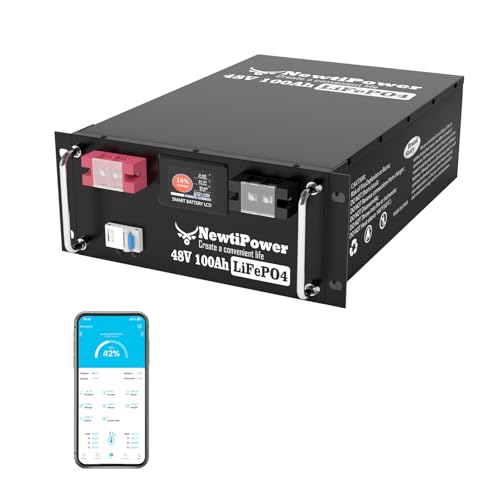
48V 100Ah Server Rack Lithium LiFePO4 Battery with Monitor and 200A BMS Grade A Cells,10000+ Cycles,Perfect for RV,Home Storage,Solar Power System
【Reliable Quality & Grade A Cells】: We have a professional lithium battery research and production factory, using A-grade...
As an affiliate, we earn on qualifying purchases.
Preparing Your Insurance Documentation for Claims

Are you prepared for your insurance claims or policy updates? Facing these situations can feel overwhelming, but having your documentation in order makes everything much smoother. The claims process, in particular, relies heavily on having the right paperwork ready to avoid delays or denials. Before you initiate a claim, take time to compare policies—this policy comparison helps you understand exactly what coverage you have and what documentation is required. Knowing the specifics of your policy ensures you’re not caught off guard when you need to file a claim.
Start by gathering essential documents like your insurance policy, proof of purchase, and any correspondence with your insurer. Your policy acts as the blueprint for what’s covered, so reviewing it thoroughly before a claim is wise. When you compare policies, you might realize that certain coverage options or exclusions could affect your claim process. This knowledge allows you to prepare the necessary supporting documents and avoid surprises during the claims process.
Gather essential documents like policies, proof of purchase, and correspondence to understand coverage and streamline claims.
Next, compile proof of loss or damage, such as photos, videos, or police reports if applicable. These pieces of evidence are vital to substantiate your claim and expedite the process. Keep copies of repair estimates, receipts, and medical bills if relevant, as these will support your case and help the insurer assess your claim accurately. Having these documents organized and readily accessible reduces stress and saves time when submitting your claim.
In addition, maintain a detailed record of all communication with your insurer. Save emails, take notes during phone calls, and keep a log of dates and times. This documentation becomes invaluable if disputes arise or if you need to follow up. It’s also helpful to keep a list of your policy numbers and contact information for your insurer and claims adjusters.
Furthermore, understanding environmental considerations can help you adopt sustainable practices that protect your property and reduce future risks, simplifying claims related to environmental damage. Finally, review your current coverage periodically through a policy comparison to identify gaps or unnecessary overlaps. This proactive approach guarantees you’re always prepared for potential claims and minimizes surprises. When an incident occurs, knowing you have all relevant documents at hand lets you act swiftly, streamlining the claims process. Being organized not only saves time but also boosts your confidence that your insurance will support you when you need it most. So, take the time now to compile your insurance documentation checklist — it’s a quick win that pays off when it counts.

Joinfworld Power Distribution Box,50A 125V/250V NEMA SS2-50 CS6375 Inlet, 30A Circuit Breaker, Individually Controllable Sockets, Heavy - Duty Waterproof Enclosure with Cooling Fan
UL-Certified - The power distribution box is UL-certified, featuring 1 50A socket, 5 NEMA 5-20 GFCI sockets, NEMA...
As an affiliate, we earn on qualifying purchases.
Frequently Asked Questions
How Often Should I Review My Insurance Documentation?
You should review your insurance documentation at least once a year, especially during policy renewal time. This helps guarantee your coverage is up-to-date and accurate for claim filing when needed. Additionally, review documents immediately after any major life changes or significant events, such as buying a house or a new car. Regular reviews prevent surprises during claim filing and keep you informed about your policy’s current terms and benefits.
What Digital Tools Can Help Organize My Insurance Records?
Think of digital tools as your insurance record’s GPS, guiding you effortlessly through clutter. You can use digital filing systems like Evernote or Notion to categorize your documents, making retrieval simple. Cloud storage options like Google Drive or Dropbox keep everything accessible from anywhere, ensuring your records are safe and organized. These tools streamline your documentation process, so you spend less time searching and more time focusing on what matters most.
Are There Legal Requirements for Storing Insurance Documents?
You need to follow legal compliance and record retention requirements when storing insurance documents. These laws vary by jurisdiction but generally mandate keeping records for a specific period, often several years, to guarantee you can provide proof if needed. It’s essential to organize your documents properly, whether digitally or physically, and regularly review retention periods to stay compliant and avoid legal issues.
How Do I Update My Documentation After Policy Changes?
When your policy changes, follow the policy update procedures by reviewing your insurer’s instructions. Update your insurance documentation promptly, ensuring all new details are accurate. Store your updated documents securely using proper documentation storage tips, like digital backups and organized folders. Notify relevant parties of the changes to keep everything current. Regularly reviewing and updating your insurance documentation helps prevent issues during claims and maintains compliance.
What Common Mistakes Should I Avoid When Preparing Documentation?
When preparing insurance documentation, avoid claim discrepancies and outdated records, as these can delay your process. Double-check all details for accuracy and guarantee your records are current. Don’t overlook missing information or inconsistencies, which can cause issues later. Keep copies organized and verify that all documents match your policy. By staying thorough and up-to-date, you reduce the risk of errors and streamline your claim or renewal process.

Power Assemblies Power Distribution Box with 50A 125/250V CS6375 Inlet, 50A 125/250V CS6369 Outlet, & 6 20A 125V Duplex GFCI Receptacles
High-Performance Power Distribution Box: Includes (1) 50A CS6375 twist-lock inlet, (1) 50A CS6375 outlet, and (6) 20A GFCI-protected...
As an affiliate, we earn on qualifying purchases.
Conclusion
By following this quick checklist, you’ll master your insurance documentation faster than you can blink, turning chaos into clarity. Remember, a well-organized file isn’t just helpful—it’s your secret weapon when the unexpected strikes. With just 15 minutes, you can prevent headaches and save yourself from a mountain of stress later. So, keep this checklist handy; it’s your ultimate shield against claim setbacks and insurance nightmares. Your future self will thank you for it!

GXELZK Temporary Distribution Box, It has Both 50A and 30A inlets, six 120V CFGI duplexes, one L14-30R Outlet, one L6-30R, and one TT-30R,Safe and Reliable Power on Any Construction site (Yellow)
The temporary socket distribution box is equipped with ETL-certified L6-30R sockets and L14-30R sockets on one side, and...
As an affiliate, we earn on qualifying purchases.