
To set up neighborhood lighting hubs for safety, you should choose strategic locations like parks, crosswalks, and alleyways where activity is high. Install solar-powered streetlights with motion sensors to automate lighting and conserve energy. Position them to avoid obstructions and guarantee sensors can detect movement clearly. Engage your community for support and plan carefully for proper coverage. If you’d like to learn more about creating a safer, well-lit neighborhood, keep exploring how to optimize your lighting setup.
Key Takeaways
- Identify high-traffic and vulnerable areas like parks and alleyways for strategic lighting hub placement.
- Use solar-powered streetlights with motion sensors to automate activation and conserve energy.
- Ensure clear line of sight and minimal obstructions for effective sensor detection and quick response.
- Engage the community and local authorities to plan, prioritize, and fund lighting installations.
- Install quality, reliable equipment and involve residents to maintain safety and promote neighborhood security.
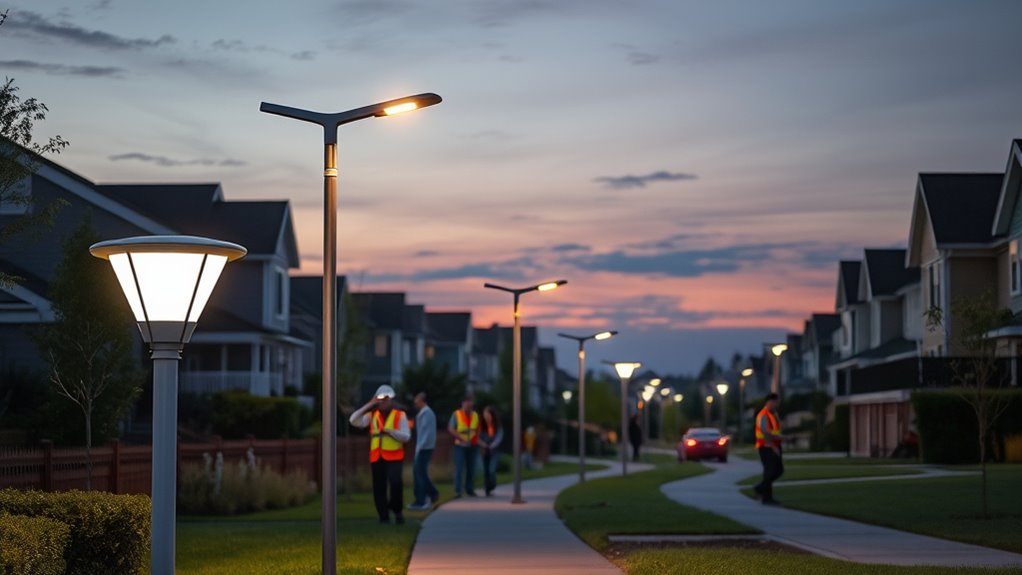
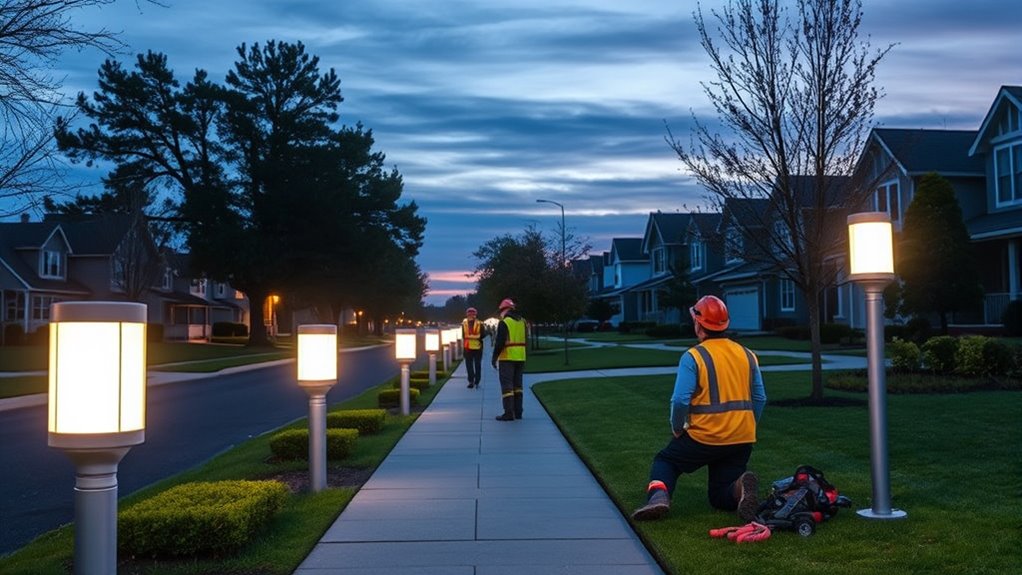
Ensuring safety in your neighborhood often starts with proper lighting, which can deter crime and help residents feel more secure. One effective way to achieve this is by installing solar streetlights equipped with motion sensors. These lights harness the sun’s energy during the day, reducing energy costs and dependency on the grid. When night falls, they automatically turn on, illuminating key areas without requiring manual intervention. Motion sensors enhance this setup by activating the lights only when movement is detected, conserving energy and reducing light pollution. This responsive approach guarantees that dark corners and poorly lit pathways are swiftly illuminated when needed, making it safer for pedestrians and drivers alike.
Proper lighting with solar streetlights and motion sensors enhances neighborhood safety and reduces energy costs.
When considering solar streetlights, you benefit from their sustainability and low maintenance. Since they operate independently of electrical wiring, they’re easier to install in various locations, even in areas with limited infrastructure. The integrated solar panels charge during daylight hours, storing enough energy to power the lights throughout the night. The addition of motion sensors ensures lights are not unnecessarily on when no one is around, extending the lifespan of the batteries and reducing wear and tear. This technology creates a smart lighting system that adapts to your neighborhood’s activity levels, fostering a sense of security without excessive energy consumption.
To set up effective neighborhood lighting hubs, you should evaluate high-traffic and vulnerable areas such as park entrances, alleyways, crosswalks, and walkways connecting residential blocks. Position solar streetlights with motion sensors in these critical spots to maximize their impact. Make sure each light has a clear line of sight for the sensors to accurately detect movement, avoiding obstructions like trees or buildings. Proper placement ensures the lights activate promptly when residents or visitors pass by, discouraging potential criminals and increasing overall safety.
You also need to involve your community in the planning process. Discuss the benefits of solar streetlights and motion sensors with neighbors and local authorities. Their input can help identify the most problematic areas, prioritize installations, and secure funding or grants if available. Installing these lights not only improves safety but also demonstrates a collective effort to create a safer, more welcoming neighborhood. With the right placement, quality equipment, and community support, your neighborhood can enjoy brighter nights, reduced crime, and a stronger sense of security for everyone.

Solar Street Light Outdoor, 11-Inch Solar Powered Street Light with Motion Sensor & Remote Control, Dusk to Dawn Waterproof Security Light for Wall Mount, Entryway, Driveway, Yard, Garden(2 Pack)
🌟【Ultra-Bright & Wide Lighting】Etetale Solar street lights outdoor, powered by 126 high-efficiency LEDs, this motion sensor outdoor light…
As an affiliate, we earn on qualifying purchases.
As an affiliate, we earn on qualifying purchases.
Frequently Asked Questions
How Do I Choose the Best Location for a Lighting Hub?
You should choose a location that’s accessible, safe, and central to the neighborhood, guaranteeing good coverage. Look for an area with ample sunlight for solar options and reliable power sources if you need backup. Avoid shaded spots or places prone to obstructions. Consider proximity to existing infrastructure, and ensure it’s visible and easy to maintain. This way, your lighting hub will be effective, sustainable, and easy to operate.
What Are the Costs Associated With Installing Lighting Hubs?
Think of installing lighting hubs as planting seeds for safety; the costs can vary like weather. You’ll face cost factors such as equipment, wiring, and labor, which influence the total. Installation expenses depend on site complexity and whether you need permits or upgrades. Budget around a few thousand dollars per hub, but remember, investing in safety now pays dividends in peace of mind and community security later.
Are There Any Legal Restrictions for Neighborhood Lighting Installations?
You should check local ordinances and homeowner association rules before installing neighborhood lighting hubs. Many areas have regulations that specify lighting height, brightness, and placement to guarantee safety and prevent light pollution. Homeowner associations might have additional restrictions or approval processes. To avoid issues, you’ll want to consult these regulations early, ensuring your lighting installation complies with all legal requirements and community standards.
How Often Should Lighting Hubs Be Maintained or Upgraded?
You should follow a regular maintenance schedule for your lighting hubs, typically inspecting them every 6 to 12 months to guarantee they’re functioning properly. Upgrading the hubs depends on technology advancements and wear, usually every 3 to 5 years. Regular maintenance helps catch issues early, while timely upgrades ensure peak safety and efficiency. Staying proactive with both maintenance and upgrade frequency keeps your neighborhood well-lit and secure.
Can Lighting Hubs Be Integrated With Existing Security Systems?
Did you know that integrating lighting hubs with existing security systems can boost emergency response times by up to 30%? Yes, you can connect your lighting hubs to a smart grid, allowing seamless communication with security networks. This integration enhances safety, enabling quicker alerts and coordinated responses. You’ll gain better control, improved security, and a proactive approach to neighborhood safety, making your community more resilient during emergencies.

Tuffenough Solar Outdoor Lights 2500LM 210 LED Security Lights with Remote Control,3 Heads Motion Sensor Lights, IP65 Waterproof,270° Wide Angle Flood Wall Lights with 3 Modes(2 Packs)
【Remote Control & 3 Lighting Modes】:Each solar motion sensor light is equipped with wireless remote control.You can choose…
As an affiliate, we earn on qualifying purchases.
As an affiliate, we earn on qualifying purchases.
Conclusion
Think of neighborhood lighting hubs as the lanterns guiding you through the night’s darkness. Just as a lighthouse keeps ships safe from rocky shores, these hubs illuminate paths and dispel shadows of fear. When you invest in them, you’re creating a beacon of safety that welcomes everyone home. Together, these lights form a steady glow—your community’s guardian—making every evening feel a little brighter and a lot safer for all.

nipify Solar Lights Outdoor Waterproof, Motion Sensor Spot Lights- 4 Pack/56 LED/3 Modes Solar Powered Spotlights 2-in-1 Auto On/Off Landscape Lighting for Outside Yard Wall Garden, Cool White
Solar Powered & Energy Saving: Solar spot lights use solar energy to charge, which can automatically sense light,…
As an affiliate, we earn on qualifying purchases.
As an affiliate, we earn on qualifying purchases.
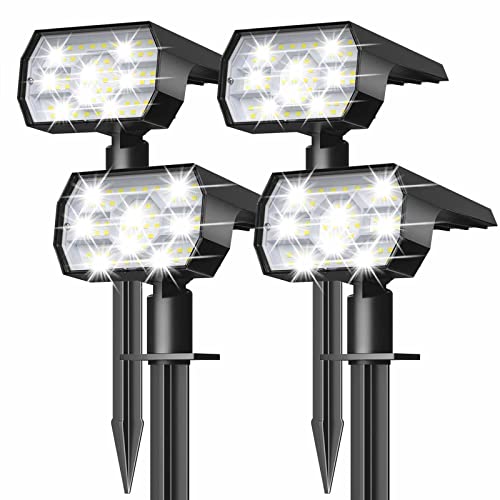
NYMPHY Solar Lights Outdoor Waterproof IP68, 56 LED 3 Lighting Modes Solar Powered Garden Yard Spot Solar Lights for Outside Landscape- 4 Pack (Cool White)
NYMPHY Outdoor Lights 4 Pack: Equipped with 56 amazing LEDs (market leading). Solar outdoor lights will create the…
As an affiliate, we earn on qualifying purchases.
As an affiliate, we earn on qualifying purchases.