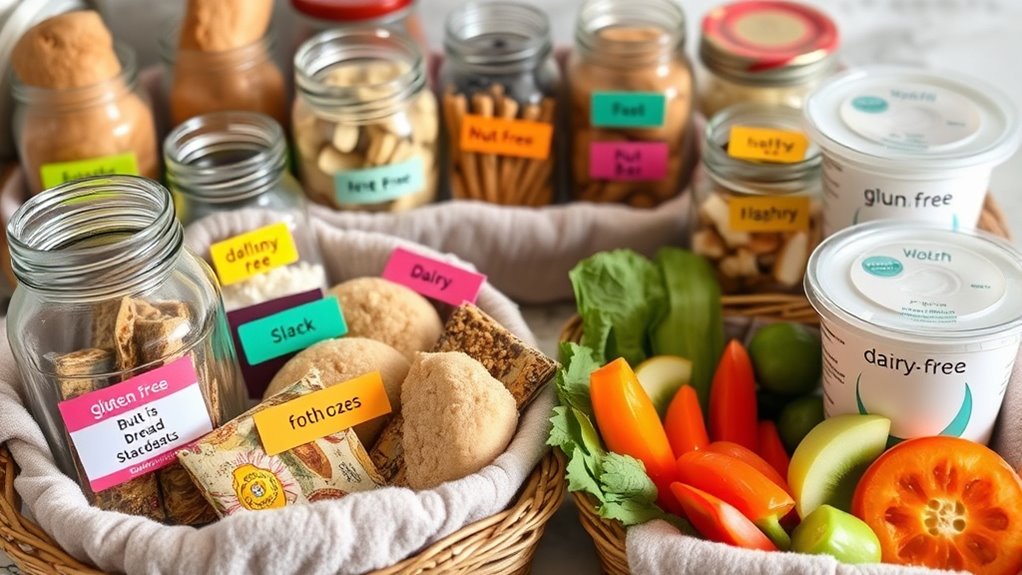

When stockpiling food for people with dietary restrictions, focus on shelf-stable options that meet their specific needs, such as gluten-free grains, allergy-friendly snacks, and allergy-safe canned or dried foods. Always check labels for cross-contamination and expiration dates, and include fortified foods or vitamins if needed. Organizing and rotating your supplies helps keep them fresh and safe. Keep exploring to discover more tips on building a reliable and accommodating emergency food supply.
Key Takeaways
- Identify specific dietary needs (allergies, intolerances, medical conditions) to select safe, shelf-stable foods suitable for stockpiling.
- Prioritize gluten-free grains, allergy-friendly snacks, and allergen-free canned or dried products.
- Organize supplies with clear labels and rotate stock to ensure freshness and avoid cross-contamination.
- Incorporate fortified foods or vitamins to meet nutritional needs during emergencies.
- Plan simple, versatile meals that accommodate restrictions and support balanced nutrition during crises.
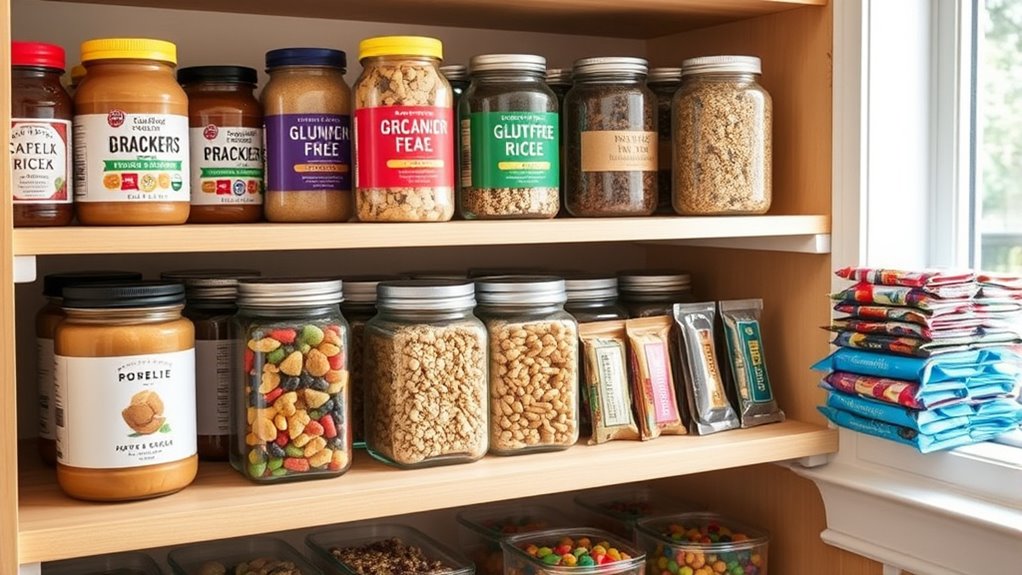
Planning to stockpile food for dietary restrictions can seem overwhelming, but with some organization and knowledge, it becomes manageable. When you’re focused on emergency preparedness, it’s essential to prioritize foods that meet specific dietary needs while ensuring you have enough supplies to last through a crisis. The first step is to understand your dietary restrictions clearly—whether you’re dealing with food allergies, intolerances, or medical conditions like diabetes or celiac disease. Knowing exactly what you need helps you make smarter choices during meal planning and prevents unnecessary waste or risk.
Start by creating a detailed list of permitted foods. For example, if you’re gluten-free, stockpile naturally gluten-free grains like rice, quinoa, and cornmeal. If you’re avoiding nuts, look for safe alternatives like seeds or pre-packaged, allergy-friendly snack options. This tailored approach not only simplifies meal planning but also reduces stress during emergencies when access to fresh produce or specialty items might be limited. Focus on versatile ingredients that can be used in multiple recipes, which saves space and makes meal prep easier when supplies are tight.
Create a list of permitted foods and focus on versatile, allergy-friendly ingredients to simplify emergency meal planning.
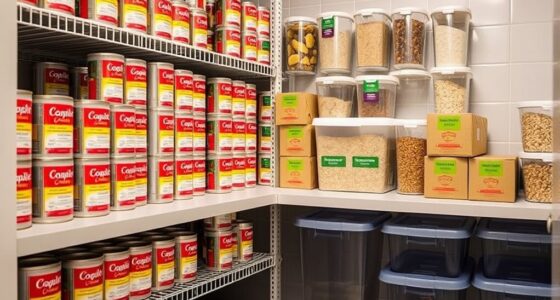
When considering emergency preparedness, it’s wise to keep a variety of shelf-stable foods that fit your dietary needs. Canned or jarred items, dried goods, and packaged snacks designed for specific diets are invaluable. Be sure to check expiration dates regularly and rotate your stock to keep everything fresh. Additionally, consider supplementing your stockpile with fortified foods or vitamins if your diet is highly restrictive—these can help prevent deficiencies during prolonged emergencies.
Incorporate meal planning into your stockpiling strategy by designing simple, nutritious meals around your stored foods. Batch cooking can be a lifesaver, allowing you to prepare large quantities of safe meals that can be easily reheated. Use a food diary or digital app to track what you have and plan out weekly menus, making sure you’re covering all nutritional bases. This approach minimizes waste and ensures you’re always prepared, whether it’s a short-term power outage or a more extended crisis.
Finally, remember that stockpiling isn’t just about storing food—it’s about creating a sustainable system that adapts to your needs. Keep your supplies organized, label everything clearly, and stay informed about new products or dietary options that could expand your choices. Incorporating culturally and historically significant symbols, such as traditional symbols for resilience, can also inspire confidence and a sense of community in your emergency planning. With thoughtful meal planning and a focus on emergency preparedness, you’ll be better equipped to handle any situation safely and comfortably, knowing your dietary restrictions are fully considered and managed.
Top picks for "stock food people"
Open Amazon search results for this keyword.
As an affiliate, we earn on qualifying purchases.
Frequently Asked Questions
How Do I Identify Hidden Allergens in Packaged Foods?
To identify hidden allergens in packaged foods, you should carefully read the labels, paying close attention to ingredients and allergen warnings. Look for terms like “may contain” or “produced in a facility that processes” to spot potential cross contamination. Always check for updated labels, as allergens can be hidden in less obvious ingredients. Being vigilant during label reading helps you avoid unseen allergens and keep everyone safe.
What Are Budget-Friendly Options for Allergy-Friendly Stocking?
Looking for budget-friendly allergy-friendly stocking options? Why not try DIY snack ideas using affordable, alternative protein sources like chickpeas, lentils, or sunflower seeds? These options are cost-effective, versatile, and safe for various dietary needs. You can make homemade trail mixes, energy bites, or roasted snacks that suit allergen restrictions. Isn’t it satisfying to create personalized treats that are both budget-conscious and allergy-aware? Start experimenting today!
How Long Can Specialized Foods Be Stored Safely?
Specialized foods typically stay safe until their expiration dates if stored properly. You should keep them in cool, dry, and airtight conditions to maximize shelf life. Always check the packaging for expiration dates before using, and avoid storing in humid or hot areas, which can spoil the food faster. Proper storage helps make certain that allergy-friendly options remain safe and effective when you need them most.
Are There Any Ingredients to Avoid for Low-Sodium Diets?
Think of your low-sodium diet like steering a ship clear of dangerous waters. You should avoid ingredients high in sodium content, such as processed meats, canned soups, and salted snacks. Instead, use salt substitutes like potassium chloride, but check labels carefully. Many ingredients, like soy sauce or flavor enhancers, can sneak in extra salt. Always read labels to keep your sodium intake low and stay safe on your dietary voyage.
How Can I Ensure Variety in Allergy-Restricted Stockpiles?
To guarantee variety in allergy-restricted stockpiles, you should include a diverse range of gluten-free snacks and nut-free baking options. Rotate brands and flavors regularly to prevent monotony and cover different tastes. Keep an eye on labels to avoid common allergens, and consider adding canned fruits, vegetables, and protein sources. This approach provides balanced nutrition and ensures those with allergies have enough choices during emergencies.
Conclusion
Remember, you are what you eat, so stocking food for dietary restrictions shows you care about your health and well-being. By planning ahead and keeping suitable options on hand, you make nourishing choices easier and more accessible. Stay proactive, and don’t wait until the last minute to prepare. As the saying goes, “A stitch in time saves nine”—your efforts now will save you trouble later, ensuring everyone’s dietary needs are met with ease.