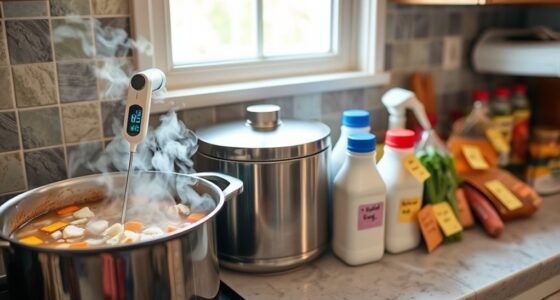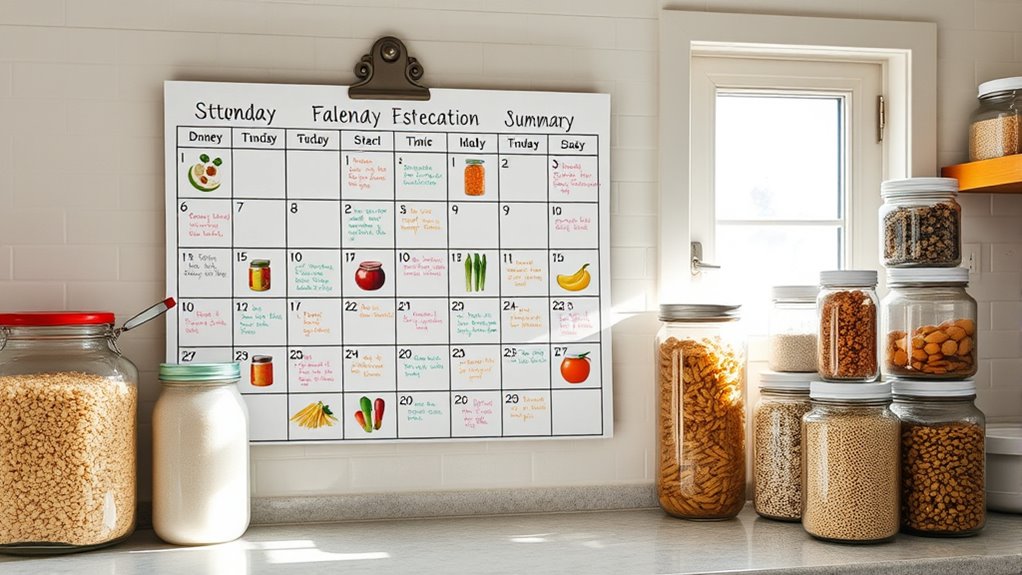

To create a long-term food rotation calendar, start by sorting your supplies into categories based on shelf life, such as perishables and long-lasting items. Label each item with purchase or expiration dates and organize them using color codes or numbered sections. Regularly review and update your inventory, planning meals around near-expiry items to prevent waste. Maintaining consistent rotation practices will help you save money, reduce spoilage, and keep nutritious food available—learn more to perfect your system.
Key Takeaways
- Categorize foods by shelf life and storage needs to prioritize usage and prevent spoilage.
- Label items with purchase and expiration dates for easy identification and rotation.
- Use a visual system like color-coding or numbering to organize and track inventory effectively.
- Schedule regular inventory reviews to update stock levels and adjust rotation plans accordingly.
- Plan meals around items nearing expiration to ensure timely usage and minimize waste.

A long-term food rotation calendar is vital for maintaining fresh, nutritious supplies and reducing waste. When you plan your food storage with a clear rotation system, you guarantee that nothing expires unused and that you always have access to what you need. Shelf life management becomes much easier when you track expiration dates and understand how different foods age over time. By doing so, you prevent spoilage, minimize waste, and make smarter purchasing decisions. You’ll want to categorize foods based on their expected shelf life—perishables like dairy and fresh produce should be used quickly, while dried goods and canned items can last much longer. This organization not only keeps your supplies fresh but also helps you identify what needs to be used first, maintaining a steady flow of fresh, nutritious food.
Effective storage techniques are the backbone of a successful rotation system. You should store foods in airtight containers to prevent moisture, pests, and air from compromising their quality. Label everything clearly with purchase or expiration dates so you can easily identify what’s approaching its prime. Group similar items together, stacking cans and jars in a way that makes it simple to see what’s available at a glance. Keep your most perishable items front and center, so you’re reminded to use them before they spoil. Temperature control is essential; store perishables in cool, dark places, and consider investing in refrigeration or freezing for items that need longer-term preservation. Proper storage not only extends shelf life but also preserves nutrients, ensuring your supplies stay nutritious over time. Additionally, understanding food shelf life is crucial for effective rotation and minimizing waste.
When creating your calendar, plan meals around what’s approaching its expiration date. This proactive approach encourages you to use items in a timely manner and prevents stockpiling beyond their prime. It’s also helpful to regularly review your supplies—every month or so—to update your inventory and adjust your rotation schedule accordingly. Incorporate a system that’s easy to maintain, such as color-coded labels or numbered sections, so you can quickly identify what needs to be used soon. Remember, consistent practice is key; the more disciplined you are with your storage techniques and shelf life management, the more efficient your long-term food rotation will become. Over time, this habit will save you money, reduce waste, and guarantee you always have nutritious food ready when you need it most.
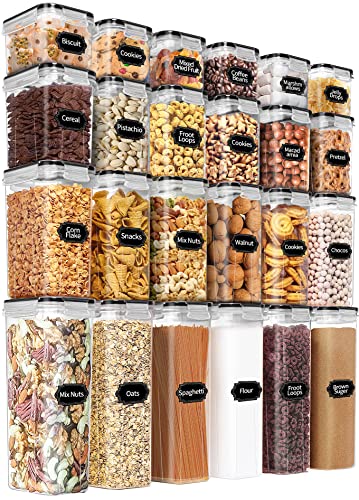
PRAKI Airtight Food Storage Containers Set with Lids – 24 PCS, BPA Free Kitchen and Pantry Organization, Plastic Leak-proof Canisters for Cereal Flour & Sugar – Labels & Marker
Bundle Set: This kitchen & pantry organizers and storage set comes with 24 containers, they are inlaid together,…
As an affiliate, we earn on qualifying purchases.
As an affiliate, we earn on qualifying purchases.
Frequently Asked Questions
How Often Should I Review and Update My Food Rotation Calendar?
You should review your food rotation calendar every three to six months to ensure storage frequency is ideal and your stock is fresh. Set a regular review schedule, like seasonal checks, so you stay organized and prevent spoilage. During these reviews, rotate older items to the front, check expiration dates, and update your calendar accordingly. Staying consistent helps maintain a reliable system and reduces waste over time.
What Tools or Apps Can Help Manage Long-Term Food Storage?
You can use digital spreadsheets or inventory apps to manage your long-term food storage effectively. Digital spreadsheets like Excel or Google Sheets help you track expiration dates, quantities, and rotation schedules easily. Inventory apps such as Pantry Check or Food Storage Organizer automate tracking, send reminders, and streamline updates. These tools guarantee your food remains fresh, organized, and ready when you need it, making long-term storage management more straightforward and less time-consuming.
How Do I Handle Dietary Restrictions Within the Rotation System?
You handle dietary restrictions in your rotation system by clearly labeling allergen-prone foods and grouping items based on dietary accommodations. Regularly review ingredient lists to manage allergy risks effectively. Incorporate allergy management strategies, such as substituting ingredients to meet specific needs. Stay organized with your rotation calendar, ensuring your dietary restrictions are consistently respected and updated, so you always have safe, suitable options available for everyone.
What Are Common Mistakes to Avoid When Creating a Rotation Calendar?
Avoid common pitfalls like storage mistakes and expiration oversight, which can sink your rotation plan like a lead balloon. Don’t forget to regularly check dates and store foods properly, or you’ll find yourself with spoiled supplies and wasted effort. Plan realistically and stay organized to keep your system running smoothly. Remember, a well-maintained calendar is your secret weapon against food waste and shortages.
How Can I Incorporate Seasonal Foods Into My Long-Term Plan?
You can incorporate seasonal foods into your long-term plan by focusing on seasonal harvesting and crop diversity. Plan your rotations around peak harvest times, ensuring you include a variety of crops to maximize freshness and nutrition. This approach helps you enjoy seasonal produce at its best while reducing reliance on stored foods. Regularly update your calendar to align with local growing seasons, keeping your plan flexible and sustainable year-round.
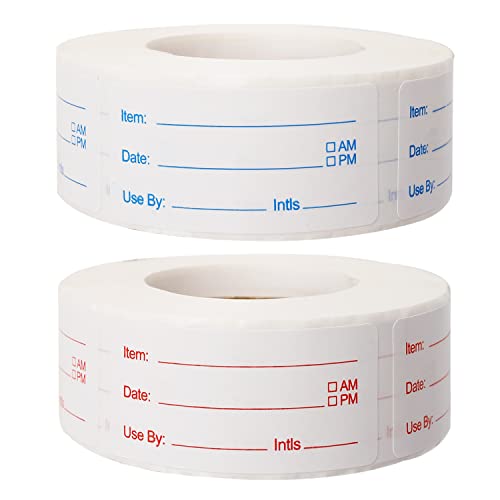
2 Rolls 1000 Pieces Removable Food Labels, 1 x 2 Inch Date Stickers for Freezer, Refrigerator Food Containers – Easy to Write On
【1000 Pcs Food Labels】Our freezer labels set contains 1000 blue and red food labels stickers,large quantity can meet…
As an affiliate, we earn on qualifying purchases.
As an affiliate, we earn on qualifying purchases.
Conclusion
By setting up a long-term food rotation calendar, you’ll keep your pantry fresh and your supplies well-stocked. Staying organized now means you won’t be caught off guard later. Remember, a stitch in time saves nine—so take the time to plan ahead. With a solid system in place, you’ll be able to enjoy peace of mind, knowing your food reserves are always ready when you need them most. Stay proactive and keep your food game strong!

15 Mil 5 Gallon Mylar Bags for Food Storage with 2500cc Oxygen Absorbers – 55 Pack Mylar Bags Include 5 Gallon, 1 Gallon,1 Quart, 100 Pcs Labels and 500cc Oxygen Absorbers for Long Term Food Storage
3 SIZES to MEET YOUR NEEDS : 55 pack resealable mylar bags for food storage include 15 mil…
As an affiliate, we earn on qualifying purchases.
As an affiliate, we earn on qualifying purchases.

Foodie Wisdom Calendar 2026 Famous Food Lover Quotes Monthly Wall Calender 12 Month | American Made In The USA
Proudly Made In The USA – by a hardworking American small business in Austin, TX. This premium wall…
As an affiliate, we earn on qualifying purchases.
As an affiliate, we earn on qualifying purchases.