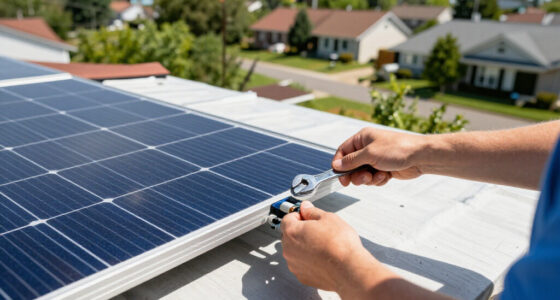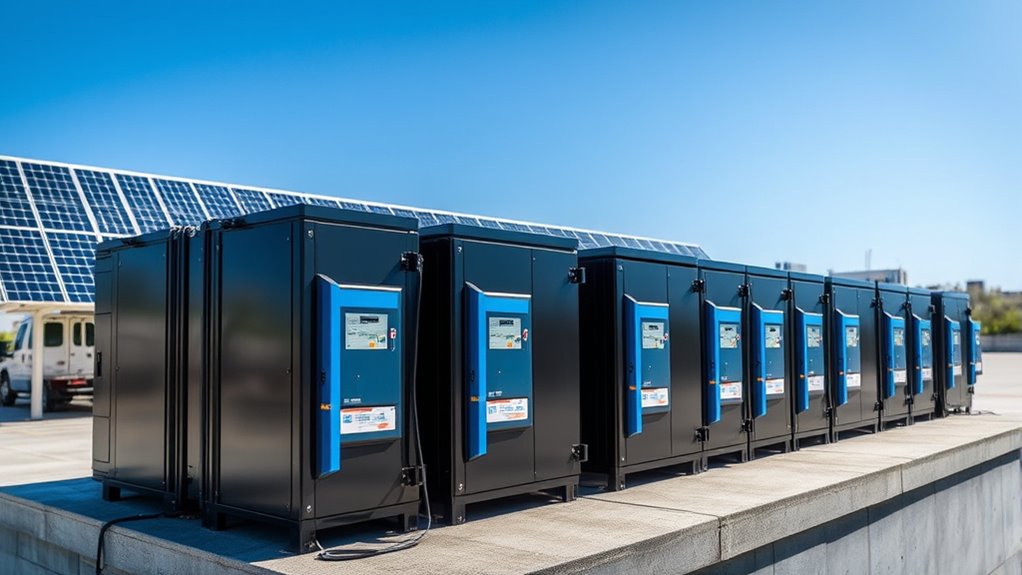

Storing solar energy in emergency battery banks helps you keep power during outages and cloudy days, increasing your energy independence. To do this effectively, choose high-quality batteries designed for frequent cycling and make certain your solar panels are efficient enough to quickly charge them. Proper maintenance and regular monitoring extend battery life, ensuring reliable backup when needed most. If you want to discover how to optimize your system further, there’s more to contemplate.
Play games included with Prime
Start a Prime free trial and play with Amazon Luna on your devices.
As an affiliate, we earn on qualifying purchases.
Key Takeaways
- Select high-capacity, deep-cycle batteries to ensure reliable energy storage for emergencies.
- Use efficient photovoltaic panels to maximize energy capture and speed up battery charging.
- Regularly monitor and maintain batteries to extend lifespan and prevent capacity loss.
- Balance system components to optimize energy flow and prevent overcharging or deep discharges.
- Plan for sufficient storage capacity to cover extended outages and low sunlight periods.
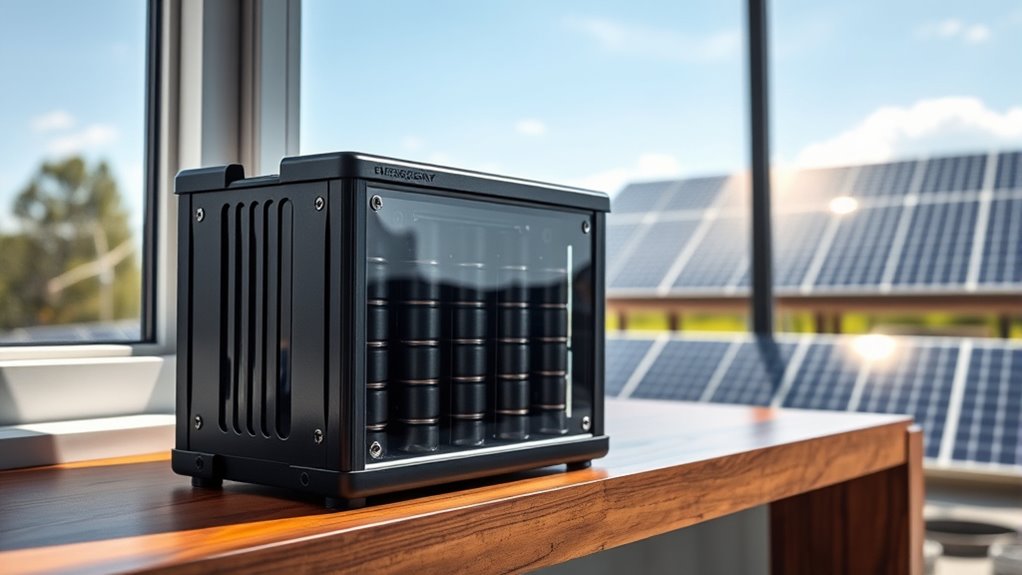
Have you ever wondered how solar energy can power your home even when the sun isn’t shining? The secret lies in the way you store that energy. Emergency battery banks are essential components of a reliable solar setup, allowing you to harness sunlight during the day and use it when needed, especially during power outages or cloudy days. Understanding how these batteries work and how to optimize their performance can make a significant difference in your energy independence.
One key factor to consider is photovoltaic efficiency, which determines how effectively your solar panels convert sunlight into usable electrical energy. Higher photovoltaic efficiency means you’re generating more power from the same amount of sunlight, reducing the strain on your batteries. When your panels operate efficiently, you can charge the batteries faster and store more energy for later use. This efficiency becomes especially important during periods of low sunlight, ensuring that you maximize every ray of sun. The better your panels perform, the less frequently you’ll need to rely on backup sources or grid power, saving you money and increasing your energy security.
But even with highly efficient solar panels, the quality and management of your batteries play a crucial role in your system’s success. Battery lifespan is a vital consideration because it impacts how long your emergency battery banks will serve you before needing replacement. You want batteries that can withstand countless charge and discharge cycles without significant capacity loss. Proper maintenance, avoiding deep discharges, and choosing batteries designed for deep cycling can extend their lifespan, making your investment more worthwhile over the long run. Keep in mind that batteries also have a limited number of charge cycles, so understanding their durability helps you plan for eventual replacements and keeps your system reliable.
Additionally, balancing photovoltaic efficiency with battery lifespan involves making smart choices about your system design. Investing in high-quality batteries with proven longevity, combined with efficient solar panels, ensures your energy storage remains dependable over the years. It’s also wise to monitor your battery health regularly and follow manufacturer recommendations for charging and maintenance. This proactive approach helps prevent early degradation and keeps your emergency power supply ready whenever you need it. Properly managing battery maintenance is essential for maximizing system lifespan and reliability.
In essence, maximizing your solar energy storage depends on optimizing both your photovoltaic efficiency and your batteries’ lifespan. When both are aligned and well-maintained, your home can remain powered, safe, and self-sufficient even during extended periods without sunlight. This synergy between efficient energy generation and durable storage allows you to confidently rely on your solar setup, knowing you’re prepared for any situation that disrupts the power grid.
As an affiliate, we earn on qualifying purchases.
Frequently Asked Questions
How Long Can Emergency Batteries Retain Their Charge?
Emergency batteries typically retain their charge for about 3 to 12 months, depending on the battery type and maintenance. You should regularly check and recharge them to guarantee peak performance. Proper storage, temperature control, and periodic testing help maximize battery lifespan and charge retention. By following these practices, you can ensure your emergency batteries remain ready when you need them most, providing reliable backup power during outages.
What Is the Ideal Temperature Range for Storing Solar Batteries?
Imagine a cozy room where your solar batteries rest, neither too hot nor too cold. The ideal battery temperature range for storage is between 20°C and 25°C (68°F to 77°F). Keep the storage environment stable and avoid extreme temperatures, as heat accelerates wear, and cold can reduce efficiency. By maintaining this range, you guarantee your batteries stay healthy, ready to power your emergency needs whenever you need them most.
How Often Should I Check My Battery Bank’s Health?
You should check your battery bank’s health at least once a month. Regular battery maintenance includes inspecting for corrosion, loose connections, and ensuring proper charge monitoring. Keep an eye on voltage levels and overall performance to catch issues early. Consistent checks help prolong your batteries’ lifespan and ensure they’re ready when you need emergency power. Staying proactive with maintenance will give you peace of mind and reliable backup energy.
Are There Safety Concerns When Storing Large Battery Banks?
Yes, there are safety concerns when storing large battery banks. You should be aware of battery fire hazards, so make certain proper fire suppression systems are in place. Adequate ventilation requirements are vital to prevent the buildup of potentially explosive gases. Keep the batteries in a well-ventilated, fire-resistant area, and regularly inspect for leaks or damage. Following safety guidelines helps prevent accidents and guarantees safe storage.
Can Stored Solar Energy Be Used During Extended Power Outages?
During extended power outages, you can definitely use stored solar energy to keep essentials running. Did you know that a well-maintained solar panel system can operate efficiently for 25+ years? To guarantee safety and sustainability, regularly perform solar panel maintenance and follow proper battery recycling procedures. This guarantees your stored energy is reliable, safe, and environmentally friendly, giving you peace of mind when power disruptions occur.
high efficiency photovoltaic panels
As an affiliate, we earn on qualifying purchases.
As an affiliate, we earn on qualifying purchases.
Conclusion
Storing solar energy in emergency battery banks is like planting seeds for a sunny day. When the storm clouds roll in or the power goes out, your battery bank becomes the sturdy tree providing shelter and energy. By investing in reliable storage, you’re ensuring your home stays lit and powered, no matter the weather. Think of it as having a secret stash of sunshine tucked away—ready to bloom whenever you need it most.
As an affiliate, we earn on qualifying purchases.
As an affiliate, we earn on qualifying purchases.
Fall yard work Picks
leaf blowers
As an affiliate, we earn on qualifying purchases.