
To prepare for blackouts during extreme heat waves, gather essentials like bottled water, non-perishable foods, flashlights, and batteries, and identify shaded refuge areas for cooling. Check on vulnerable loved ones and keep medications cool. Have a communication plan and backup power options ready. Make certain everyone knows safety procedures, and stay informed about local updates. Proper planning can keep you safe and comfortable; learn more to boost your preparedness efforts.
Key Takeaways
- Stock enough bottled water, non-perishable food, and batteries to sustain your household during outages.
- Identify shaded, cool refuge areas and plan for cooling without electric power.
- Check and maintain backup power sources like generators safely and regularly.
- Develop a household communication plan and keep emergency contacts accessible.
- Monitor weather updates, inform vulnerable individuals, and ensure medication and medical needs are met.
As extreme heat waves become more frequent, preparing for potential blackouts is crucial to stay safe and comfortable. Power outage safety should be at the top of your list because losing electricity during a heat wave can quickly turn dangerous. Without power, your home’s cooling systems, fans, and even basic appliances may stop working, increasing the risk of heat exhaustion or heatstroke. To prevent this, you need to be ready with a well-stocked emergency kit and a clear plan for managing outages.
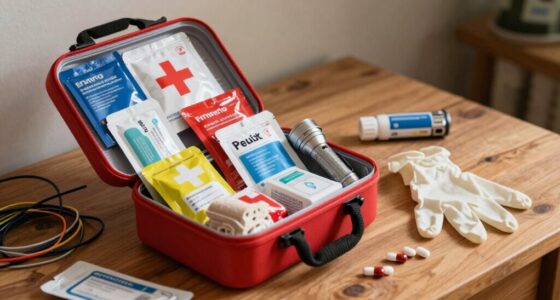
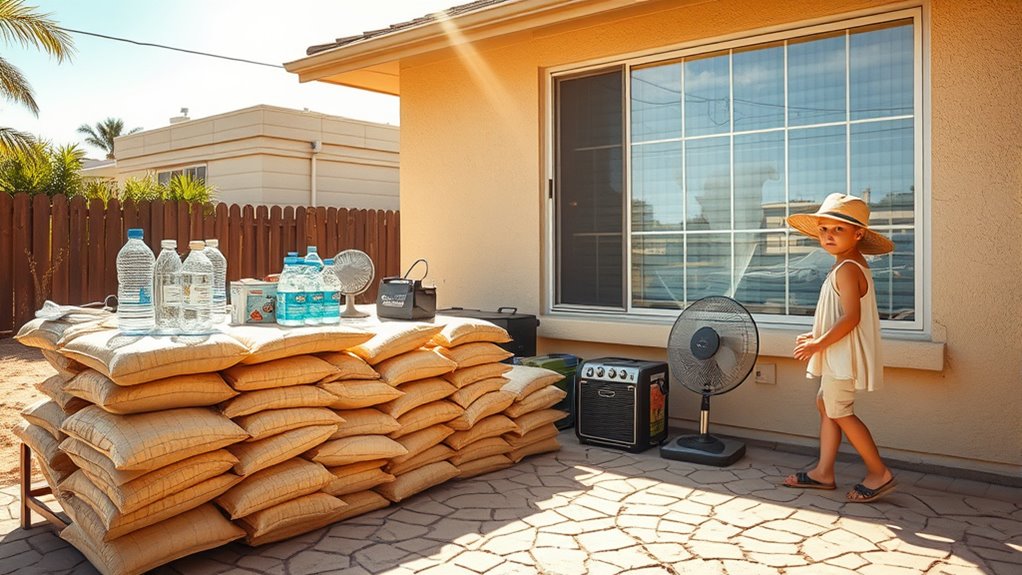
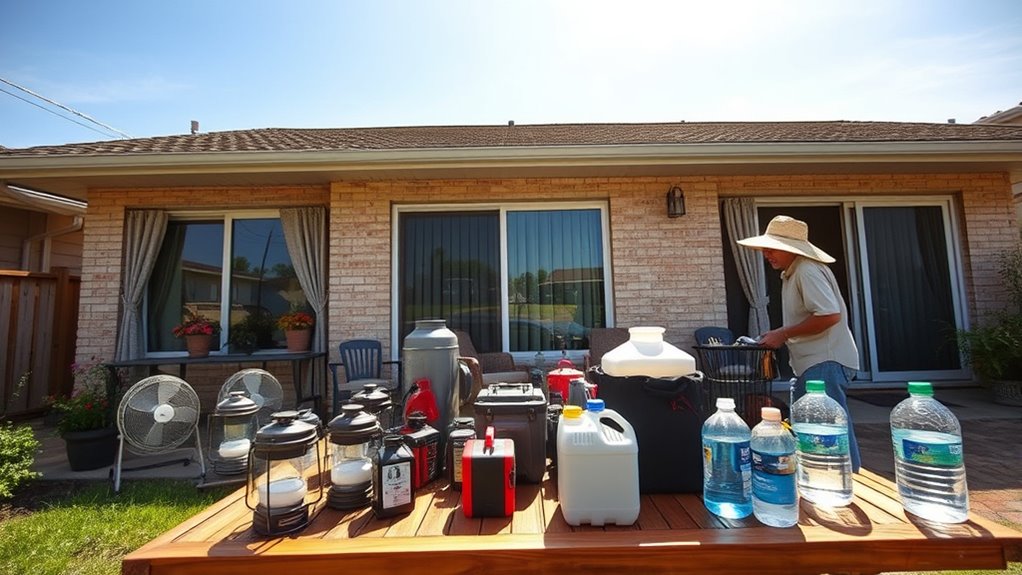
Start by assembling your emergency kit essentials. These should include plenty of bottled water—at least one gallon per person per day—to keep everyone hydrated. Include non-perishable food that’s easy to prepare without power, such as canned goods, energy bars, and dried fruits. Don’t forget a manual can opener if needed. Power outage safety also involves having a battery-powered or hand-crank radio to stay informed about weather updates and emergency instructions. Flashlights are critical, especially if power goes out at night; ensure you have enough batteries on hand. Also, consider a portable phone charger or power bank to keep your mobile device operational, as staying connected can be essential during an emergency.
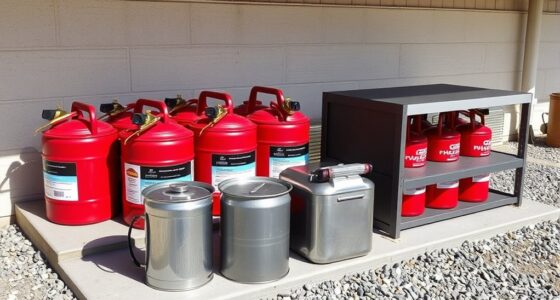
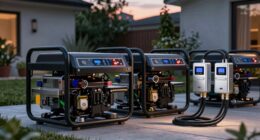
Cooling options are equally important. If you rely on electric fans or air conditioning, think about alternatives like battery-operated fans or cooling towels that can help lower your body temperature. If you have access to a generator, make sure it’s functioning properly and that you know how to operate it safely—never run a generator indoors or in enclosed spaces, as carbon monoxide poisoning is a serious risk. Keep a supply of fuel stored safely outside your home.
Planning ahead also means identifying a cool, shaded place where you can seek refuge if your home becomes too hot, especially if air conditioning fails. Check on vulnerable family members or neighbors—elderly people, young children, or those with health conditions—who might be more at risk during a blackout. Keep medications that require refrigeration in a cool place or insulated container if the power goes out. Additionally, power outage safety can be improved by installing backup power solutions or surge protectors to safeguard your electronics.
Finally, develop a communication plan. Make sure everyone in your household knows what to do if the power fails. Keep emergency contact numbers handy, and inform family or friends of your plans. Preparing ahead doesn’t just involve collecting supplies; it’s about having a clear strategy to stay safe, hydrated, and cool when the lights go out during an extreme heat wave.
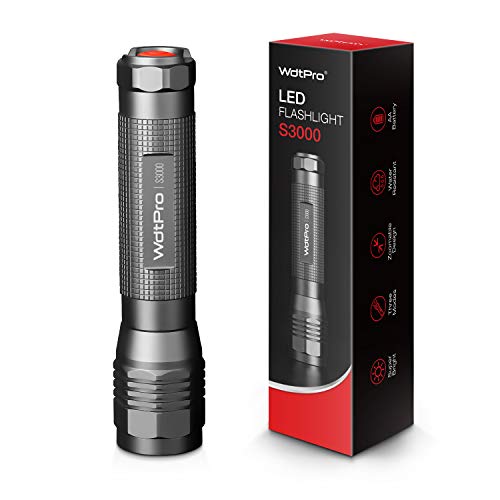
WdtPro High-Powered LED Flashlight S3000, Super Bright Flashlights – High Lumen, IP67 Water Resistant, 3 Modes and Zoomable for Camping, Emergency, Hiking, Gift
【BRIGHTEST FLASHLIGHT】 With high power LED, the S3000 provides up to 1600 real lumens(Max) but only need 4…
As an affiliate, we earn on qualifying purchases.
As an affiliate, we earn on qualifying purchases.
Frequently Asked Questions
How Can I Tell if My Home’s Electrical System Is Vulnerable?
You can tell if your home’s electrical system is vulnerable by scheduling an electrical inspection with a professional. They’ll check for outdated wiring and overloaded circuits. Also, pay attention to signs like frequent power surges or flickering lights, which indicate potential issues. Taking these steps helps guarantee your system can handle increased demand during heatwaves, reducing the risk of outages and keeping your home safe.
What Are Emergency Communication Options During a Blackout?
During a blackout, you can stay connected using solar chargers to power your devices and maintain communication. Keep a battery-powered or hand-crank radio on hand to receive emergency updates and news, especially if cell service is disrupted. Regularly test your solar chargers and radio to guarantee they work when needed. These options help you stay informed and connected, providing peace of mind during extended power outages.
How Do I Safely Use Generators Indoors?
You should never use generators indoors due to serious safety risks. Always prioritize generator safety by operating it outdoors in a well-ventilated area, away from windows and vents. Keep the generator on a dry surface, and never run it in enclosed spaces to prevent carbon monoxide poisoning. Proper indoor ventilation isn’t safe for generators; instead, make certain good airflow outdoors to keep your home safe during power outages.
Are There Community Resources for Vulnerable Populations?
Did you know that nearly 1 in 5 vulnerable people rely on community resources during extreme heat? You can find local community shelters that offer cooling centers and support. Many programs also provide financial assistance for those in need, helping you access air conditioning or transportation. Reach out to local agencies or nonprofits to learn about available resources and guarantee you’re protected during heatwaves and blackouts.
What Are Long-Term Solutions to Prevent Future Blackouts?
To prevent future blackouts, you should support investments in energy storage and grid modernization. Energy storage allows the grid to store excess power and deliver it during peak demand, reducing strain. Grid modernization upgrades infrastructure, making it more resilient to extreme weather. Advocate for policies that prioritize these solutions, and encourage communities to adopt renewable energy sources, which can further enhance grid stability and reduce blackout risks during heat waves.

Enginstar Solar Generator, 296Wh Portable Power Station, 110V Pure Sine Wave, 80000mAh Backup Battery Power Supply for CPAP Outdoor Camping, Traveling, and Emergencies
PURE SINE WAVE & MULTIPORT: solar generator for camping built with two 110V pure sine wave AC outlets,…
As an affiliate, we earn on qualifying purchases.
As an affiliate, we earn on qualifying purchases.
Conclusion
Stay prepared, stay safe, and stay cool. Keep your emergency kit ready, stay informed about heat alerts, and check on loved ones. Plan ahead for power outages, conserve energy, and have cool spaces available. Remember, preparation isn’t just about surviving—it’s about thriving. By being proactive, staying connected, and practicing safety, you’ll face extreme heat waves with confidence. Because when you’re prepared, you’re protected, and that peace of mind makes all the difference.
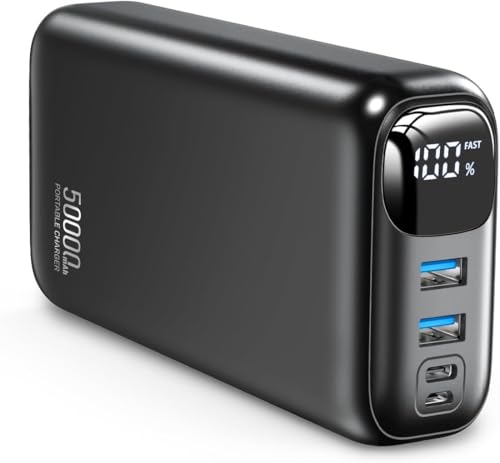
OHOVIV Portable Charger 50000mAh Power Bank – 22.5W Fast Charging External Battery Pack,USB-C Portable Phone Charger for iPhone 17/16/15/14/13 Pro Android Samsung, for Travel Camping Essential
Huge Capacity 50000mAh Portable Charger – The 50000mAh power bank ultra-high massive capacity will keep your phone and…
As an affiliate, we earn on qualifying purchases.
As an affiliate, we earn on qualifying purchases.

Saratoga Farms 5-Gallon Stackable Water Storage Containers, Emergency Water Storage for Camping and Disaster Preparedness, 20 Gallons
PORTABLE, STACKABLE WATER CONTAINERS: These 5-gallon water containers are designed with flat bottoms and tops that nestle together…
As an affiliate, we earn on qualifying purchases.
As an affiliate, we earn on qualifying purchases.