To create a personalized disaster plan, start by listing emergency contacts like your doctor, hospital, and pharmacy, and make certain they know your medical device needs. Develop clear protocols for device use during power outages or communication failures, and keep backup supplies like batteries and power sources accessible. Regularly review and practice your plan, involving all household members, so everyone knows their role. If you want to learn detailed steps to build an effective plan, keep exploring this important topic.
Key Takeaways
- Develop a tailored disaster plan that includes emergency contacts, communication methods, and device-specific procedures.
- Regularly review, update, and practice your disaster plan with all household members.
- Maintain an accessible stockpile of batteries, backup power sources, and essential supplies for your devices.
- Create clear, visual emergency instructions for device management during communication outages.
- Register with local emergency services and inform them of your medical device needs and specific response requirements.
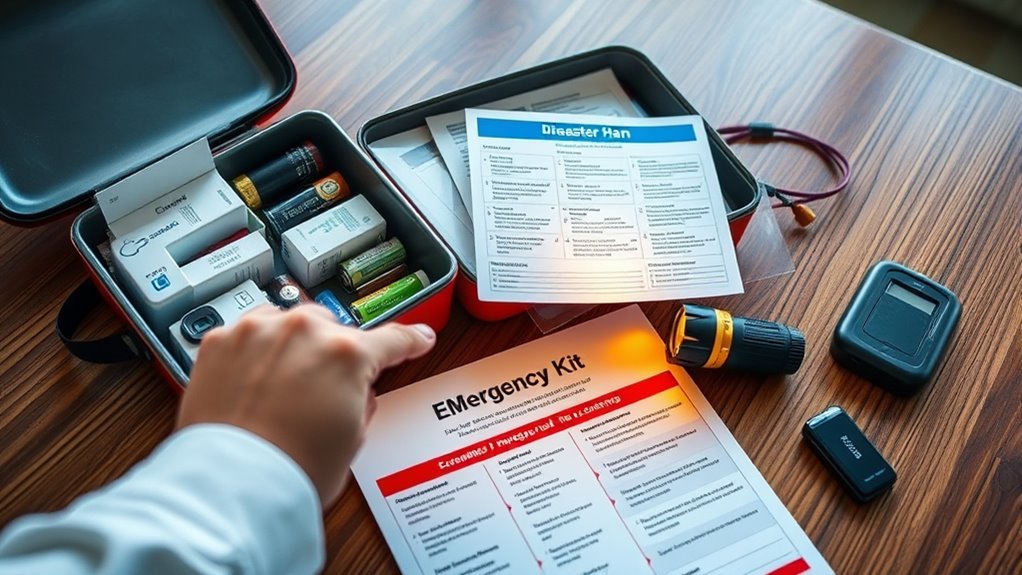
Having a personalized disaster plan is essential for anyone who relies on medical devices, as emergencies can disrupt access to power, supplies, or healthcare services. When disaster strikes, clear emergency communication becomes critical. You need to know how to reach your healthcare provider quickly, whether through phone, email, or emergency messaging apps. Consider creating a list of emergency contacts, including your doctor, local hospital, pharmacy, and nearby friends or family members who can assist. Keep this list accessible at all times, such as on your phone or a printed copy in a safe location. It’s also wise to inform your emergency contacts about your medical device needs and the importance of prompt communication.
Create a personalized disaster plan with emergency contacts and communication strategies for medical device users.
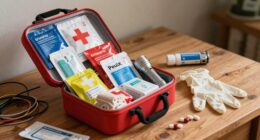
Supply chain management plays a crucial role in your disaster preparedness. You should have an ample stock of essential supplies—battery backups, spare batteries, medication, and device-specific accessories. Regularly check expiration dates and ensure you have replacements ready. Knowing where to quickly obtain additional supplies is equally important. Identify nearby stores, pharmacies, or suppliers that carry your necessary items, and keep their contact information handy. During a disaster, supply chain disruptions can delay delivery or make it challenging to replace critical components. Planning ahead ensures you won’t be left without vital equipment when you need it most.
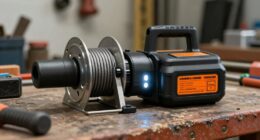
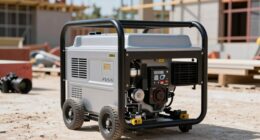
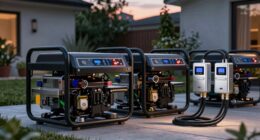
Incorporate strategies for maintaining your medical device during an emergency. For example, if you depend on a power source, have a backup plan like a portable generator or a battery pack compatible with your device. If you rely on oxygen or other consumables, learn how to ration supplies safely if access becomes limited. Establishing a routine for testing backup power sources and practicing how to switch to them quickly helps you stay prepared. Keep these backup options stored in easily accessible locations, and ensure everyone in your household understands how to operate them if needed. Additionally, the importance of high contrast and clear visuals in your emergency instructions can make a significant difference during stressful situations, especially if communication lines are down.
Your disaster plan should also include clear steps for managing your device if communication lines are down. In such cases, having printed instructions or emergency protocols can be invaluable. You might also consider registering with local emergency services or medical alert programs designed for individuals with medical needs. This way, responders will be aware of your condition and equipment requirements, facilitating quicker assistance.

EASYLONGER ES400 AIR CPAP Battery – 148Wh Portable Backup for AirSense 10/11, AirCurve 10/11, AirMini, DreamStation 1/2, Emergency & Travel Power
Off-Grid CPAP Battery: Includes 4 CPAP cables, compatible with ResMed AirSense 10/11, AirCurve 10/11, AirMini, S9, Luna G3…
As an affiliate, we earn on qualifying purchases.
As an affiliate, we earn on qualifying purchases.
Frequently Asked Questions
How Often Should I Review and Update My Disaster Plan?
You should review and update your disaster plan at least once a year, especially after device maintenance or emergency drills. Regularly checking your plan guarantees it stays current with any changes in your medical devices or circumstances. After any device updates or drills, reassess your plan to identify gaps or improvements. Staying proactive helps you respond effectively during emergencies, keeping your safety and device functionality prioritized.
What Should I Include in My Emergency Contact List?
You should include emergency contacts like family members, neighbors, and close friends, along with your medical provider and local emergency services. Make sure to list their full names, phone numbers, and addresses. Include your medical provider’s contact info, especially your specialist or surgeon if relevant. Keep this list updated regularly, and carry it with you or store it in a safe, accessible place so you can quickly reach out during an emergency.
How Can I Ensure My Medical Device Remains Functional During a Disaster?
Think of your device as a fragile seed that needs protection. To keep it functional during a disaster, store it in a safe, dry place and keep backup power sources like batteries or a generator handy. Regularly check the device’s storage and battery life, and have a plan to quickly access backup power if needed. This way, you’re ensuring your device stays operational when it’s most critical.
Are There Specific Protocols for Power Outages Affecting My Device?
During a power outage, you should use a battery backup to keep your device running and prevent interruptions. Make sure to regularly check and maintain the backup’s charge. Also, after power is restored, verify your device’s calibration to guarantee it functions correctly. Stay prepared by having a plan to switch to backup power quickly and keep spare batteries handy, so your device stays operational when you need it most.
How Do I Coordinate My Plan With Local Emergency Services?
You might worry about coordinating with emergency services, but it’s essential. Contact your local emergency management office to learn about community resources and establish communication strategies ahead of time. Share your medical device needs and create a plan that includes nearby hospitals, clinics, or support groups. Keep a list of emergency contacts, and make certain your plan is accessible. Regularly update and practice your plan to ensure smooth coordination during crises.
Portable Power Station Quick Guide: How to Choose, Size, and Use Solar Generators for Camping, Emergencies & Home Backup
As an affiliate, we earn on qualifying purchases.
As an affiliate, we earn on qualifying purchases.
Conclusion
By crafting a personalized disaster plan, you guarantee you’re prepared for any unforeseen event, much like a seasoned captain steering stormy seas with a trusty sextant. Remember, your health and safety depend on proactive measures tailored to your unique needs. Don’t wait for the lightning to strike—take charge now, and you’ll sail smoothly through life’s tempests. In the end, preparedness isn’t just a modern notion; it’s a timeless safeguard for peace of mind.

EnginStar Portable Power Station 300W 296Wh Battery Bank with 110V Pure Sine Wave AC Outlet for Outdoors Camping Hunting and Emergency, 80000mAh Backup Battery Power Supply for CPAP
PORTABLE BUT POWERFUL: EnginStar Portable Power Station with ETL Certification, and the portable size of 9 x 5.5…
As an affiliate, we earn on qualifying purchases.
As an affiliate, we earn on qualifying purchases.

SecuLife New 2026 Fall Alert Device, Medical Alert Pendant with for Seniors, SOS Call, GPS Tracking & Reminders – Wearable Emergency Necklace for Elderly, Waterproof, 2-Way Calling, Panic Button
❤️ 𝐌𝐞𝐝𝐢𝐜𝐚𝐥 𝐀𝐥𝐞𝐫𝐭 𝐏𝐞𝐧𝐝𝐚𝐧𝐭 𝐰𝐢𝐭𝐡 𝐅𝐚𝐥𝐥 𝐃𝐞𝐭𝐞𝐜𝐭𝐢𝐨𝐧: Designed for seniors and individuals with medical conditions, this wearable alert…
As an affiliate, we earn on qualifying purchases.
As an affiliate, we earn on qualifying purchases.