
To set up an emergency medical power supply, start by installing battery backups for critical devices like ventilators and monitors, ensuring they provide immediate power during outages. Complement these with a reliable generator—either portable or standby—that can handle extended outages and supports all essential equipment. Regularly maintain and test your system, and train staff on operation and manual switching methods. If you keep exploring, you’ll discover key safety and planning strategies to keep your system reliable.
Key Takeaways
- Install reliable backup power sources like battery systems and generators to ensure continuous operation of critical medical equipment.
- Conduct regular maintenance, testing, and safety checks on batteries, generators, and transfer switches to guarantee system readiness.
- Use automatic transfer switches for seamless power source switching during outages, minimizing delays in critical care.
- Ensure proper installation by licensed professionals following safety standards and electrical regulations.
- Train staff on generator operation, manual power switching, and troubleshooting to respond effectively during emergencies.

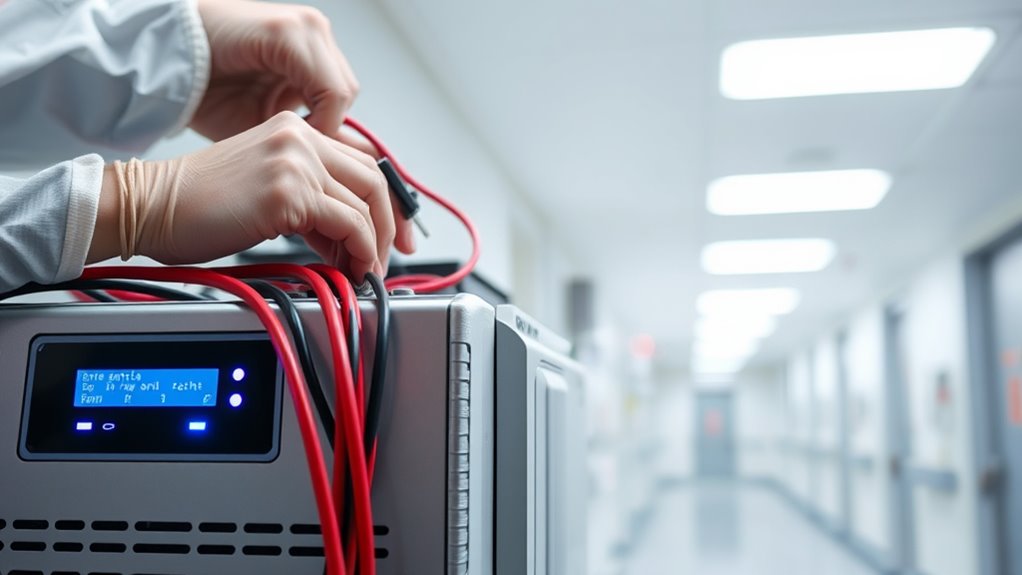
Have you ever considered how critical a reliable power supply is during medical emergencies? In crucial moments, every second counts, and a sudden power outage can jeopardize patient safety. That’s why setting up an emergency medical power supply is necessary. The first step is making sure you have a dependable backup system in place, such as a battery backup or a power generator. Battery backups are compact, quick to deploy, and ideal for maintaining power during short outages. They can be connected directly to essential medical devices like ventilators, monitors, or infusion pumps, providing immediate power without delay. Having a robust battery backup ensures that life-saving equipment remains operational until the main power is restored or until a backup power source, like a generator, kicks in.
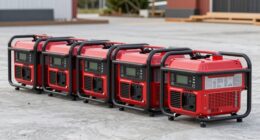
A power generator acts as a primary backup that can handle extended outages. When choosing a generator, size and capacity matter. You need a unit that can support all critical devices simultaneously without overloading. Portable generators are convenient and easy to maneuver, but stationary, standby generators offer higher power output and automatic startup features, making them more reliable for medical facilities. Installing a generator requires proper wiring and safety measures, so it’s best to work with licensed professionals to make sure you meet electrical codes and safety standards. Once set up, regular maintenance and testing are essential to confirm the generator’s readiness during an actual emergency.
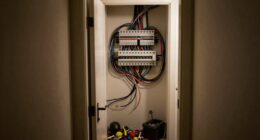
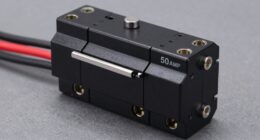
It’s also wise to implement a clear plan for switching between power sources. Automated transfer switches can detect power failures instantly and switch to backup power without manual intervention, reducing downtime and risk. You should also have a detailed maintenance schedule for both your battery backup and generator. Batteries typically need periodic testing and replacement every few years, while generators require regular running checks, oil changes, and inspections to prevent mechanical failures. Incorporating asset division strategies can help ensure that replacement parts and backup equipment are properly allocated and funded over time.
Finally, it’s necessary to train your staff on how to operate these backup systems properly. They should know how to start the generator, switch power supplies manually if needed, and perform basic troubleshooting. Keeping detailed logs of maintenance activities and system tests helps make sure everything functions as it should during an emergency. By investing in both a reliable battery backup and a power generator, and by creating a comprehensive emergency power plan, you safeguard your facility’s ability to deliver uninterrupted, life-saving care when it matters most.

CyberPower CP1500PFCLCD PFC Sinewave UPS Battery Backup and Surge Protector, 1500VA/1000W, 12 Outlets, AVR, Mini Tower; UL Certified
1500VA/1000W PFC Sine Wave Battery Backup Uninterruptible Power Supply (UPS) System designed to support active PFC and conventional…
As an affiliate, we earn on qualifying purchases.
As an affiliate, we earn on qualifying purchases.
Frequently Asked Questions
How Long Does a Typical Emergency Medical Power Supply Last?
A typical emergency medical power supply lasts around 4 to 6 hours on a full battery charge. Battery life varies depending on usage and device power requirements. After use, you’ll need to recharge it, which usually takes 4 to 8 hours. To guarantee you’re prepared, always monitor battery levels and recharge promptly, so you’re ready for any medical emergency that arises.
What Certifications Should an Emergency Medical Power Supply Have?
You should look for emergency medical power supplies with certification standards like UL, IEC, or ISO, ensuring they meet strict safety compliance. These certifications verify the device’s reliability and safety during critical situations. Always check for current, valid certifications before use, as they demonstrate the power supply adheres to industry regulations. This way, you can trust your equipment to perform when it’s needed most, safeguarding both patients and staff.
Can Emergency Power Supplies Be Used Outdoors?
Did you know that over 70% of emergency medical supplies are used outdoors? Yes, emergency power supplies can be used outdoors, but only if they’re built for outdoor durability and weather resistance. You need models specifically designed to withstand harsh conditions like rain, snow, or extreme heat. Always check the product specifications to verify it’s rated for outdoor use, so your equipment stays reliable when you need it most.
How Often Should Emergency Power Systems Be Maintained?
You should perform maintenance on your emergency power systems regularly, typically following the manufacturer’s maintenance schedule. This includes battery testing to guarantee the power supply remains reliable. Check batteries, connections, and system components at least every six months, and schedule more thorough inspections annually. Consistent maintenance helps prevent failures during emergencies, so stay diligent, document all tests, and address any issues promptly to keep your system ready when needed.
What Is the Cost Range for Professional Installation?
The cost considerations for professional installation of an emergency medical power supply typically range from $2,000 to $10,000, depending on system complexity and location. During the installation process, licensed electricians assess your facility, customize the setup, and guarantee compliance with safety standards. While the upfront cost varies, investing in quality installation ensures reliable power during emergencies, ultimately safeguarding patient care and meeting regulatory requirements.

Oxseryn Power Equipment 4400 Watts Inverter Generator Gas Powered, Portable Open Frame Generator, Low Noise with ECO Mode, RV Ready, Emergency Home Backup
𝗣𝗼𝘄𝗲𝗿𝗳𝘂𝗹 𝗢𝘂𝘁𝗽𝘂𝘁 – 4400 peak watts and 3400 running watts, perfect for RV camping and home backup
As an affiliate, we earn on qualifying purchases.
As an affiliate, we earn on qualifying purchases.
Conclusion
By now, you understand the importance of setting up a reliable emergency medical power supply. With the right equipment and preparation, you can keep essential systems running when it matters most. Remember, a stitch in time saves nine—so don’t wait until it’s too late. Take action today to ensure your medical facilities are ready for any unexpected power outage. Being proactive now can make all the difference when lives are on the line.
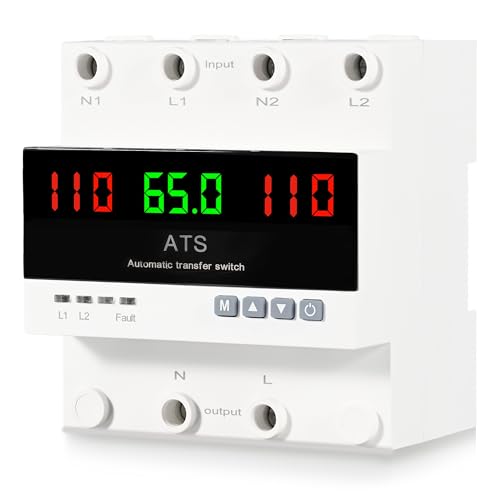
63A 110V Automatic Transfer Switch, Auto/Manual Generator Transfer Switch, DIN Rail Mount ATS with LED Display Safety Protections for Home Generator Inverter Utility Power L1 Priority Phase Selector
Seamless Power Switching: Automatic Transfer Switch can connect to utility power, generator, and inverter simultaneously, and automatically switches…
As an affiliate, we earn on qualifying purchases.
As an affiliate, we earn on qualifying purchases.

APC UPS 600VA / 330W UPS Battery Backup & Surge Protector, 7 Outlets (NEMA 5-15R), USB Charging Port, BE600M1 Uninterruptible Power Supply for Computers, Wi-Fi Routers, and Home Office Electronics
600VA / 330W RELIABLE BACKUP POWER: Supplies short‑term battery power during outages to maintain internet connectivity and allow…
As an affiliate, we earn on qualifying purchases.
As an affiliate, we earn on qualifying purchases.