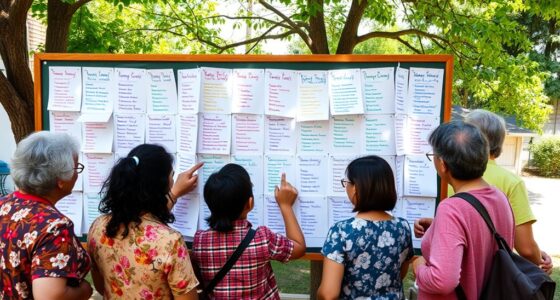
To create a multi-generational family emergency plan, start by involving all family members to address their unique needs and cultural backgrounds. Establish clear communication methods across age groups, incorporating technology and multilingual instructions. Respect cultural traditions while planning, and include culturally significant items. Regular drills help reinforce understanding and trust. By considering these elements, you guarantee everyone stays safe and connected during crises—you’ll find useful tips to make your plan more effective as you continue exploring.

Get backup power and energy gear delivered free with Prime
- Fast, free delivery on millions of items
- Prime Video, Amazon Music and more included
- Member-only deals all year
Key Takeaways
- Involve representatives from all generations to gather diverse needs, preferences, and cultural considerations in the plan.
- Develop clear, multilingual communication methods using calls, texts, apps, and in-person check-ins to ensure everyone stays informed.
- Incorporate cultural elements like traditional medicines, religious symbols, and customs to respect family heritage and norms.
- Conduct regular drills focusing on intergenerational communication and cultural sensitivities to reinforce understanding and trust.
- Prepare for technology outages with multiple communication tools and include culturally significant items in emergency kits.

In today’s unpredictable world, having a thorough emergency plan that includes all generations of your family isn’t just smart—it’s essential. When you’re creating a multi-generational family emergency plan, you need to focus on effective intergenerational communication. Different ages and backgrounds can lead to misunderstandings or overlooked needs during a crisis. You should guarantee everyone understands the plan clearly, using language that resonates across generations. For example, older family members might prefer written instructions, while younger ones respond better to digital alerts or apps. Clarify roles, locations, and communication methods so everyone knows what to do and how to stay connected, no matter the situation. This fosters confidence and reduces panic when disaster strikes.
Effective intergenerational communication ensures clarity and confidence during family emergencies.
Another critical aspect is considering cultural considerations. Families often come from diverse backgrounds with unique traditions, languages, and perspectives on safety. Incorporate these cultural elements into your plan to make sure it’s respectful and inclusive. If some family members speak different languages, prepare multilingual instructions or appoint bilingual contacts. Respect cultural norms related to caregiving, decision-making, or evacuation procedures, and include them in your plan. Doing so not only guarantees everyone feels valued but also increases the likelihood of cooperation during emergencies. For example, some cultures may place a strong emphasis on community or elders, so involving extended family or respecting elder decision-making can be crucial. Recognizing these nuances helps build trust and guarantees an effective, unified response.
When developing your plan, involve representatives from each generation. Listen to their concerns, preferences, and suggestions. Younger family members may prioritize technology and social media updates, while older members might prefer phone calls or in-person check-ins. Address these preferences to make communication seamless, especially during power outages or service disruptions. Also, consider cultural considerations in your emergency kit—such as traditional medicines, religious items, or culturally specific foods—that might be essential for some family members’ well-being. Additionally, understanding the importance of home theatre projectors and similar technology can help facilitate communication or entertainment during extended emergencies or recovery periods.
Finally, practice your plan regularly with everyone involved. Conduct drills that simulate different scenarios, paying special attention to intergenerational communication and cultural sensitivities. This ensures everyone understands their roles and reduces confusion when a real emergency occurs. By intentionally incorporating intergenerational communication strategies and respecting cultural considerations, you create a detailed, inclusive plan that strengthens your family’s resilience. In doing so, you’re not only safeguarding your loved ones but also fostering a sense of unity and trust that can withstand any crisis.
multi-language family emergency communication kit
As an affiliate, we earn on qualifying purchases.
As an affiliate, we earn on qualifying purchases.
Frequently Asked Questions
How Often Should the Emergency Plan Be Reviewed and Updated?
You should review and update your emergency plan at least once a year, or whenever there’s a significant change in your family or circumstances. Establish a regular update schedule to keep everyone informed and prepared. Regular plan reviews make sure that contact information, emergency procedures, and resources stay current, helping your family respond quickly and effectively during a crisis. Don’t forget to involve all generations in the review process for better preparedness.
How Can I Ensure Communication With Relatives in Remote Areas?
Did you know 80% of remote areas lack reliable cell service? To guarantee emergency communication, consider investing in satellite phones, which work independently of cell towers. Test them regularly and share emergency contact info with all relatives. Establish a communication plan, including backup methods like radio or messaging devices, so everyone stays connected during crises. This proactive approach keeps your family safe, no matter where they are.
What Considerations Are Needed for Pets in the Emergency Plan?
You should prioritize pet safety by including emergency supplies like food, water, medications, and comfort items in your plan. Make sure to identify pet-friendly shelters or nearby pet care facilities. Keep a list of emergency contacts for veterinary services. Also, prepare a portable pet emergency kit, and guarantee all family members know how to access and use it during an emergency, so your pets stay safe and cared for.
How Do I Include Elderly Family Members With Special Needs?
Remember, “Forewarned is forearmed.” To include elderly family members with special needs, you should assess their specific requirements, like assistive devices, and verify these are easily accessible. Coordinate with caregivers to develop tailored evacuation routes and communication plans. Make sure everyone understands their roles, and keep emergency contacts updated. Planning ahead guarantees safety and comfort for your loved ones when it matters most.
What Resources Are Recommended for Family Emergency Preparedness Training?
You should look into resources like local community centers, the Red Cross, and online courses for family emergency preparedness training. They often offer evacuation drills and first aid training that prepare you for emergencies. These programs help you learn crucial skills, practice safety protocols, and guarantee everyone, including elderly family members, understands what to do. Regular participation keeps your family ready and confident during any crisis.
family emergency preparedness kit with cultural items
As an affiliate, we earn on qualifying purchases.
As an affiliate, we earn on qualifying purchases.
Conclusion
By creating a multi-generational family emergency plan, you’re building a safety net that can adapt to any situation. It might seem like a lot now, but research shows that families with clear plans recover faster and experience less stress during crises. Embrace the idea that preparedness fosters resilience and unity. When everyone knows their role, you’ll feel more confident, knowing your loved ones are protected no matter what. Start today—you’re investing in peace of mind for generations to come.
emergency communication devices for multi-generational families
As an affiliate, we earn on qualifying purchases.
As an affiliate, we earn on qualifying purchases.
family disaster drill training kit
As an affiliate, we earn on qualifying purchases.
As an affiliate, we earn on qualifying purchases.
Halloween Picks
halloween
As an affiliate, we earn on qualifying purchases.