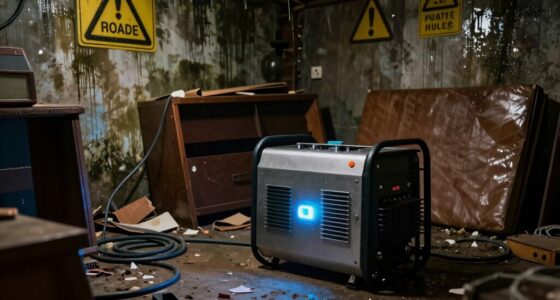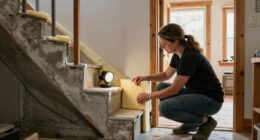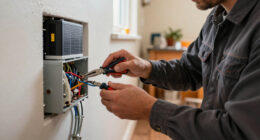
If you notice flickering lights, burning smells, or outlets that stop working unexpectedly, these could be signs of structural electrical damage. Frequently tripping circuit breakers and dimming lights when appliances turn on also suggest wiring issues. Visible signs like cracked or frayed insulation indicate deterioration, which increases fire risk. Ignoring these warning signs can lead to serious damage. Stay aware of these clues, as understanding the details can help you prevent future electrical problems.

Get backup power and energy gear delivered free with Prime
- Fast, free delivery on millions of items
- Prime Video, Amazon Music and more included
- Member-only deals all year
Key Takeaways
- Flickering or dimming lights indicate loose wiring or connection issues within the structure.
- Burning smells or visible smoke suggest overheating or damaged wiring behind walls.
- Frequent circuit breaker trips point to underlying wiring faults or degradation.
- Outlets that intermittently stop working or show inconsistent power signal wiring problems.
- Cracked insulation or exposed wires reveal physical damage, increasing arcing and fire risks.
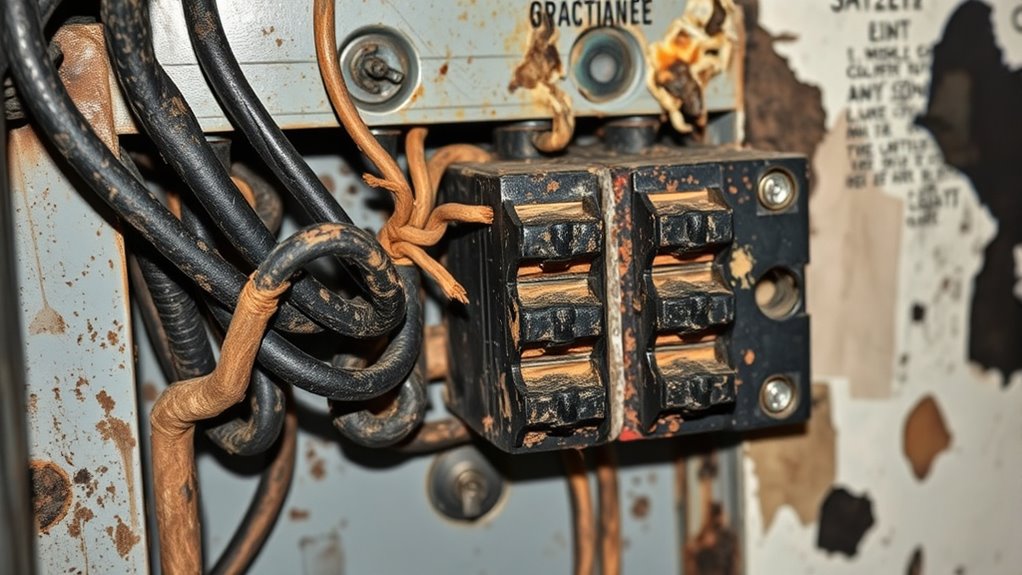
Have you ever noticed flickering lights, a burning smell, or frequent circuit breaker trips? These are clear signs that something’s wrong with your electrical system. One of the most dangerous issues you might encounter is electrical arcing, which happens when electrical current jumps between damaged or degrading wires. This phenomenon produces sparks and intense heat, increasing the risk of fires. If your wiring is degrading—due to age, wear, or damage—your system becomes more prone to electrical arcing. You might notice persistent flickering, especially in certain areas of your home, which often indicates loose or frayed wiring connections. Over time, wiring degradation can cause insulation to crack, exposing live wires and creating the perfect environment for electrical arcing. This process doesn’t happen overnight but slowly worsens, often going unnoticed until a serious problem arises.
Your home’s electrical system is designed to work smoothly, but when wiring starts to degrade, it can cause a cascade of issues. For example, you might experience lights dimming when you turn on appliances or outlets that intermittently stop working. These symptoms point toward compromised wiring that isn’t delivering power reliably. In some cases, you might smell a faint burning odor, which is a warning sign that wiring or insulation is overheating. Ignoring these signs can lead to more severe damage, including electrical fires. The degradation of wiring is often caused by aging, exposure to moisture, or poor initial installation, but regardless of the cause, it needs to be addressed promptly. Regular inspection and maintenance can help identify early signs of wiring degradation before serious hazards develop.
Frequent circuit breaker trips are another critical sign that your electrical system is struggling. When wires are degraded or experience electrical arcing, they create abnormal current flows that trip your breaker to prevent further damage. If you find yourself resetting the circuit breaker repeatedly, it’s a clear indication that your wiring isn’t functioning as it should. Ignoring this can lead to overheating, further wiring damage, or even a fire. It’s essential to take these signs seriously and have a professional inspect your system. They can identify areas where wiring degradation may be causing electrical arcing, then recommend repairs or rewiring to restore safety.
electrical wiring inspection tools
As an affiliate, we earn on qualifying purchases.
As an affiliate, we earn on qualifying purchases.
Frequently Asked Questions
How Often Should I Have My Electrical System Inspected for Damage?
You should have your electrical system inspected at least every 3 to 5 years, or sooner if you notice any signs of damage or frequent electrical issues. Regular inspection frequency guarantees safety checks are up-to-date, helping you identify potential hazards early. If you’ve experienced power surges, flickering lights, or unexplained outages, consider scheduling an inspection sooner. Staying proactive with safety checks keeps your system reliable and prevents costly repairs.
Can Structural Electrical Damage Cause Fire Hazards?
Yes, structural electrical damage can cause fire hazards. When wiring deteriorates or gets damaged, it increases the risk of electrical fires, which can start unexpectedly. Damaged wiring may overheat, short circuit, or spark, putting your home at risk. Regular inspections help catch issues early, so you can prevent wiring deterioration from escalating into a dangerous situation. Always address signs of damage promptly to keep your home safe.
What Are the Long-Term Effects of Unaddressed Electrical Damage?
Ignoring electrical system deterioration is like leaving a ticking time bomb; it can lead to serious long-term effects. Unaddressed electrical damage causes hidden wiring problems to worsen, increasing the risk of electrical failures, fires, and costly repairs. Over time, this can weaken your home’s safety and efficiency. Regular inspections catch issues early, preventing minor problems from turning into major, expensive repairs and ensuring your electrical system stays reliable.
Are DIY Inspections Effective for Detecting Electrical Issues?
DIY inspections can help you spot visual clues like frayed wires, scorch marks, or flickering lights, but they aren’t always reliable for detecting hidden electrical issues. Always prioritize DIY safety—turn off power before inspecting, and know your limits. While you can identify some obvious problems, hiring a professional ensures a thorough check for concealed damage, preventing future hazards and ensuring your home’s electrical system stays safe and functional.
When Should I Consider Professional Evaluation for Electrical Damage?
Did you know that electrical surges cause over $1.5 billion in property damage annually? You should consider a professional evaluation if you notice frequent electrical surges or wiring corrosion, which are signs of underlying damage. DIY inspections can’t reliably detect hidden issues. An expert can safely assess your wiring, identify corrosion, and prevent potential fire hazards or costly repairs, giving you peace of mind and ensuring your home’s safety.
As an affiliate, we earn on qualifying purchases.
Conclusion
Being aware of signs like flickering lights, burning smells, or frequent breaker trips can save you from costly repairs. Did you know that electrical fires caused over 45,000 home fires annually in the U.S.? Catching issues early helps protect your home and loved ones. If you notice any warning signs, don’t wait—call a professional. Staying vigilant guarantees your electrical system stays safe and reliable for years to come.
outlet tester with indicator lights
As an affiliate, we earn on qualifying purchases.
As an affiliate, we earn on qualifying purchases.
As an affiliate, we earn on qualifying purchases.
Halloween Picks
halloween
As an affiliate, we earn on qualifying purchases.