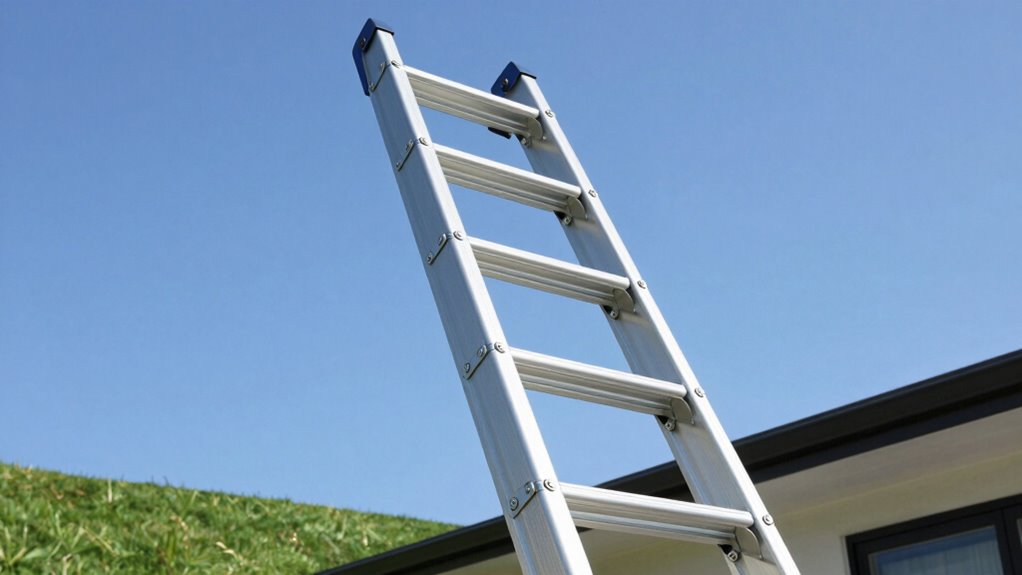

When searching for a 28 ft fiberglass extension ladder, durability and safety are top priorities. The DeWalt 28′ Type IA stands out for its robust build and ProTop design, making it ideal for professional use. The Little Giant HyperLite offers impressive lightweight handling, perfect for those needing portability. Meanwhile, the Louisville 40 ft ladder provides extra reach for taller jobs but comes with added weight. Readers should consider tradeoffs like weight versus reach and cost versus durability. Keep reading to explore each option’s strengths and weaknesses to find your best fit.

Get backup power and energy gear delivered free with Prime
- Fast, free delivery on millions of items
- Prime Video, Amazon Music and more included
- Member-only deals all year
Key Takeaways
- The top-rated ladder combines durability with ease of use, making it suitable for both professionals and homeowners.
- Weight varies significantly; lighter models like the Little Giant HyperLite excel in portability but may sacrifice some stability.
- Higher load capacity and taller reach are often paired with increased weight and price, requiring careful consideration.
- Brand reputation and added features like ProTop or V-Rung can influence safety and convenience.
- Choosing the right ladder depends on balancing factors such as height, weight, load capacity, and budget.



| extension ladder fiberglass 28 ft | Length | Material | Type | Load Capacity |
|---|---|---|---|---|
| DeWalt 28′ Type IA 300lb Rated | 28 feet | — | Type IA FG Extension | — |
| LITE 28 ft Fiberglass Extensio | 28 ft | Fiberglass | Type IA | — |
| 28 ft Fiberglass Extension Lad | 28 ft | Fiberglass | — | 300 lb |
| Louisville 40 ft Fiberglass Ex | 40 ft | Fiberglass | Type IA | — |
| Louisville 24 ft Fiberglass Ex | 24 ft | Fiberglass | Type IA | 300 lbs |
| Little Giant HyperLite Sumo 28 | — | Fiberglass | — | 375 lb |
More Details on Our Top Picks
DeWalt 28′ Type IA 300lb Rated FG Extension with ProTop DXL3020-28PT
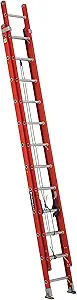
This DeWalt model stands out as the most rugged and reliable 28-foot fiberglass extension ladder tailored for demanding professional environments. Its 300-pound weight capacity and durable construction make it ideal for contractors who need a sturdy, long-lasting tool. The inclusion of a ProTop for added stability enhances safety during heavy-duty tasks, surpassing some competitors like the Lite LP-3021-28, which lacks this feature. However, its weight and bulkiness can make transportation difficult, especially for users who need to move it frequently or work solo. Compared to lighter options, this ladder prioritizes durability over ease of handling, making it less suitable for occasional household use. It’s best suited for professionals who value robustness and safety, and are prepared for its heavier weight.
Pros:- Heavy-duty 300 lb weight capacity for demanding tasks
- Includes ProTop for added stability and safety
- Durable construction designed for professional use
Cons:- Heavy and challenging to transport alone
- Limited portability for users needing frequent movement
Best for: Heavy-duty contractors or industrial users needing a reliable, high-capacity ladder for frequent use
Not ideal for: Homeowners or DIYers who require a lightweight, easy-to-move ladder for occasional tasks
- Length:28 feet
- Weight Capacity:300 lbs
- Model:DXL3020-28PT
- Type:Type IA FG Extension
Our verdict“This ladder is perfect for professionals who prioritize durability and safety over portability.”
LITE 28 ft Fiberglass Extension Ladder, LP-3021-28, Type IA, 300 lbs
The LITE LP-3021-28 delivers a solid balance of safety and durability, with its non-conductive fiberglass construction making it a top choice for electrical work. Its MAXLOCK rung lock and steel swivel safety shoe contribute to excellent stability on uneven surfaces, making it more adaptable than some basic models. Compared with the DeWalt, this ladder emphasizes safety features but isn’t as heavy-duty for extreme industrial tasks. Its weight can be a drawback for those who need to carry it up and down frequently, and it requires sufficient storage space. This pick suits electricians and maintenance workers who need reliable safety features without sacrificing strength.
Pros:- Non-conductive fiberglass for electrical safety
- Secure MAXLOCK rung lock system
- Supports up to 300 lbs for heavy-duty tasks
- Stable on uneven surfaces with steel swivel shoe
Cons:- Heavy for frequent transport
- Requires ample storage space
Best for: Electrical professionals or maintenance crews prioritizing safety around live wires
Not ideal for: Home users needing a lightweight or more portable ladder for occasional chores
- Length:28 ft
- Material:Fiberglass
- Type:Type IA
- Maximum Load:300 lbs
Our verdict“This ladder offers excellent safety features tailored for electrical work, ideal for professionals needing secure, reliable access.”
28 ft Fiberglass Extension Ladder, 300 lb Load Capacity
This lightweight fiberglass ladder is designed for ease of use around the home, supporting up to 300 lbs with non-conductive rails for electrical safety. Its 14 ft 9 in. closed height makes it more manageable than bulkier models like the Louisville FE3240, yet it sacrifices some extended features for portability. It’s ideal for tasks like changing light bulbs or reaching high shelves but lacks adjustable or multi-position capabilities, limiting its versatility compared to larger, more adaptable ladders. The heaviness for some users to carry over longer distances remains a concern, but its straightforward design makes it a practical choice for infrequent household use.
Pros:- Supports up to 300 lbs for household tasks
- Non-conductive fiberglass rails for electrical safety
- Lightweight and easy to handle
Cons:- Limited to household and light-duty use
- Heavy to carry for some users
Best for: Homeowners needing a safe, easy-to-handle ladder for occasional high-access tasks
Not ideal for: Professionals requiring a heavy-duty, multi-purpose extension ladder for frequent or demanding jobs
- Material:Fiberglass
- Length:28 ft
- Closed Height:14 ft 9 in.
- Load Capacity:300 lb
Our verdict“This ladder is best suited for homeowners who need a portable, safe option for light-duty tasks around the house.”
Louisville 40 ft Fiberglass Extension Ladder FE3240, Type IA, 300 lbs
The Louisville FE3240 extends the reach to 40 feet, making it the longest in this lineup, ideal for tall building maintenance or utility work. Its Quicklatch system simplifies extension, and the MAXLOCK rung lock adds safety, rivaling the DeWalt’s durability but with a longer reach. The weight and size make it less practical for frequent transport or smaller jobs, similar to the DeWalt’s heaviness but with added length. This ladder excels where maximum height is needed, but for everyday household or light-duty use, its size could be a hindrance. It’s the best pick for professionals working on tall structures needing a high-reaching, sturdy ladder.
Pros:- Extends up to 40 feet for tall structures
- Supports 300 lbs for demanding work
- Includes safety features like MAXLOCK and Quicklatch
Cons:- Heavy and difficult to transport
- Requires significant storage space
Best for: Utility companies, tall building maintenance crews, or contractors needing maximum height
Not ideal for: Homeowners or DIYers with limited storage space or those performing light-duty tasks
- Material:Fiberglass
- Length:40 ft
- Type:Type IA
- Weight Capacity:300 lbs
Our verdict“This ladder is designed for professionals requiring maximum height and load capacity, though it’s less suitable for casual or occasional use.”
Louisville 24 ft Fiberglass Extension Ladder, FE3224, Type IA, 300 lbs
The Louisville FE3224 offers a shorter, 24-foot reach, making it easier to handle and store compared to longer models like the Louisville FE3240. Its non-conductive fiberglass construction and D-shaped serrated rungs provide safety and slip resistance, while features like MAXLOCK rung lock and QuickLatch system ensure reliable locking and simple extension. This ladder excels in utility for electrical, light construction, or utility work, providing a balance of safety, strength, and manageability. However, its shorter reach limits its usefulness for taller structures, and its weight can still pose a challenge for some users. It makes the most sense for those needing a dependable, shorter ladder for more frequent, versatile tasks.
Pros:- Supports 300 lbs for heavy-duty use
- Non-conductive fiberglass rails for electrical safety
- Slip-resistant serrated D-shaped rungs
- Features like MAXLOCK and QuickLatch for safety and ease
Cons:- Limited to 24 feet, not extendable to full 28 ft
- Can still be heavy to carry for some users
Best for: Electrical technicians or light construction crews needing a reliable, shorter extension ladder
Not ideal for: Users needing maximum height for tall buildings or heavy-duty industrial tasks
- Material:Fiberglass
- Length:24 ft
- Load Capacity:300 lbs
- Type:Type IA
- Rung Type:D-shaped, serrated
Our verdict“This ladder offers a practical, safe, and manageable option for shorter reach needs in electrical and light construction jobs.”
Little Giant HyperLite Sumo 28 ft Fiberglass Extension Ladder with V-Rung and Cable Hook
The Little Giant HyperLite Sumo stands out for its impressive 375 lb load capacity, making it suitable for demanding professional tasks. Compared with the Louisville 40 ft ladder, this model offers a more manageable weight while maintaining high strength, though it’s still heavier than some lightweight options like the LITE 28 ft ladder. Its non-conductive fiberglass rails prioritize electrical safety, a crucial feature for electricians or contractors working near power lines. Including accessories like a cable hook and V-rung enhances versatility and safety during setup and work. However, the ladder’s weight can pose challenges for those needing frequent repositioning or for DIY users with limited strength, and its extended height requires substantial storage space. This pick makes the most sense for professionals who prioritize safety, capacity, and accessory versatility over ease of handling.
Pros:- Exceptional 375 lb load capacity for demanding tasks
- Non-conductive fiberglass rails ensure electrical safety
- Includes practical accessories like cable hook and V-rung
Cons:- Heavy weight may make transportation and setup difficult
- Large size requires significant storage space
Best for: Electricians, contractors, or heavy-duty users who need a high load capacity and extra safety features.
Not ideal for: Homeowners with limited storage or lighter tasks, as the ladder’s weight and size may be cumbersome for occasional use.
- Material:Fiberglass
- Height:28 ft
- Closed Height:14 ft 7″
- Load Capacity:375 lb
- Series:HyperLite Sumo
- Bottom Width:22″
- Section Length:14 ft
- Rung/Step Spacing:12″
- Standards:OSHA/ANSI
Our verdict“This ladder suits professionals needing maximum load capacity and safety features, but it’s less ideal for casual or DIY users due to its weight and size.”

How We Picked
These extension ladders were evaluated based on build quality, safety features, weight, load capacity, and user versatility. We prioritized products with strong structural integrity, reliable safety ratings, and positive reviews from professional and DIY users. The rankings reflect a balance between performance and value, ensuring options suit different needs—from casual homeowners to contractors. We also considered factors like ease of extension, stability, and maintenance, aiming to highlight products that perform well over time and under different conditions.| extension ladder fiberglass 28 ft | Type |
|---|---|
| DeWalt 28′ Type IA 300lb Rated | Type IA FG Extension |
| LITE 28 ft Fiberglass Extensio | Type IA |
| 28 ft Fiberglass Extension Lad | — |
| Louisville 40 ft Fiberglass Ex | Type IA |
| Louisville 24 ft Fiberglass Ex | Type IA |
| Little Giant HyperLite Sumo 28 | — |
Factors to Consider When Choosing Extension Ladder Fiberglass 28 Ft
Choosing the right 28 ft fiberglass extension ladder involves more than just reaching height. You should consider load capacity to ensure safety, especially if you’ll carry tools or heavier equipment. Weight and portability matter if you need to frequently move or transport the ladder. Build quality and safety features like slip-resistant rungs and stabilizers enhance security during use. Additionally, think about the ladder’s extension mechanism—smooth operation and locking mechanisms prevent accidents. Budget and brand reputation will also influence your decision, but prioritize safety and durability above all.Load Capacity and Duty Rating
Understanding the ladder’s duty rating—such as Type I (250 lbs) or Type IA (300 lbs)—is essential for safety and functionality. A higher capacity means you can carry tools or work comfortably without risking structural failure. For professional use or heavier workloads, a 300 lb rated ladder provides added security. Skipping this consideration can lead to safety hazards or premature wear, especially if you frequently use the ladder with equipment or in demanding environments.
Weight and Portability
While a longer ladder offers increased reach, it also tends to be heavier, which can make setup and transport more challenging. Lightweight models like the Little Giant HyperLite use advanced materials to reduce weight without sacrificing strength, making them easier to handle. Conversely, heavier ladders, such as the Louisville 40 ft model, provide stability but may require more effort to move. Balancing weight with your actual needs is key to avoiding frustration or unsafe handling.
Build Quality and Safety Features
Fiberglass ladders are valued for their non-conductive properties, but the overall build quality matters equally. Look for reinforced rails, slip-resistant rungs, and secure locking mechanisms. Features like V-Rungs or cable hooks can improve stability and safety during extended use. Cheaper models might cut corners on these details, increasing risk during operation. Investing in higher-quality options can reduce maintenance costs and ensure safer working conditions over time.
Extension Mechanism and Stability
An easy-to-operate extension system with reliable locks ensures the ladder stays securely in place during use. Smooth extension and retraction save time and prevent pinched fingers or accidental drops. Stability features such as stabilizer bars or wider base feet enhance safety on uneven surfaces. Failing to evaluate these aspects can lead to accidents or difficulty when setting up the ladder, especially in challenging environments.
Cost and Brand Reputation
While budget is an important factor, it shouldn’t compromise safety or durability. Well-known brands like DeWalt and Louisville often provide better warranties and customer support, which can be valuable over the lifespan of the ladder. Cheaper, lesser-known brands might save money upfront but could require more frequent repairs or replacements. Weighing price against quality and reputation helps prevent costly mistakes and ensures peace of mind.
Frequently Asked Questions
How do I know if a 28 ft fiberglass extension ladder is safe for my home projects?
To ensure safety, verify that the ladder has a proper duty rating, at least Type I (250 lbs) or higher. Check for certifications from safety organizations and look for features like slip-resistant rungs and stabilizer bars. Proper extension and secure locking mechanisms are also vital. Always inspect the ladder for cracks, corrosion, or damage before use, and follow the manufacturer’s safety guidelines during operation.
Is a lighter ladder better for frequent use?
Not necessarily; lighter ladders like the Little Giant HyperLite are easier to carry and set up, making them ideal for frequent use or jobs that require mobility. However, extremely light models might compromise some stability or durability, especially under heavy loads. Consider your specific needs—if portability is a priority, a lightweight but sturdy ladder is preferable. For heavier or more demanding tasks, a slightly heavier, more robust ladder might offer better long-term safety and performance.
Can I use a 28 ft fiberglass ladder on uneven ground?
Using a ladder on uneven ground requires additional safety measures, such as stabilizer bars or levelers designed for such surfaces. Many high-quality models include features to improve stability, but always double-check the setup and ensure the ladder is on a firm, level surface whenever possible. Proper positioning and securing prevent accidents caused by instability, which is especially important for taller ladders like the 28 ft models.
How often should I inspect my fiberglass extension ladder?
Regular inspections before each use are recommended, looking for cracks, corrosion, or loose hardware. A thorough check annually by a professional is also wise, especially if the ladder is used frequently or stored outdoors. Proper maintenance prolongs the life of your ladder and maintains safety standards. If any damage is detected, replace or repair the ladder immediately to prevent accidents.
What features should I prioritize if I plan to use the ladder for both DIY and professional projects?
For versatile use, prioritize a ladder with high load capacity, robust safety features like slip-resistant rungs, and a reliable extension mechanism. Durability and brand reputation are also important, ensuring the ladder withstands frequent use. Lightweight models with added stability features offer ease of transport, while premium options provide extra safety and longevity. Balancing these factors will give you a ladder suitable for a wide range of tasks.
Conclusion
For casual homeowners tackling occasional projects, a lightweight, easy-to-handle ladder like the Little Giant HyperLite offers a practical balance of safety and portability. Professionals or frequent users should consider the DeWalt 28′ Type IA for its durability and safety features. For those needing maximum reach and stability, the Louisville 40 ft ladder is worth the investment, though it’s best suited for commercial or serious DIY work. Budget-conscious buyers should prioritize models with proven safety ratings and good reviews, while premium buyers can look for features like reinforced rails and advanced safety mechanisms. Ultimately, your choice should align with your specific work needs, safety priorities, and storage capabilities.