
Lightning isn’t random — it follows predictable patterns based on storm cloud charges and atmospheric conditions. When you see dark, towering clouds or notice sudden winds, a storm is likely forming. Staying inside, disconnecting electronics, and using lightning detectors can reduce your risk. Installing grounding systems and understanding storm signs help prevent strikes. Keep informed and prepared, because knowing these patterns allows you to act quickly. If you want smarter ways to stay safe, keep exploring the details below.

Get backup power and energy gear delivered free — and shop member deals
- Fast, free delivery on millions of items
- Access to Prime Big Deal Days deals on October 6–7
- Prime Video, Amazon Music and more included
Key Takeaways
- Recognize storm signs like dark clouds and shifting winds to anticipate lightning risk early.
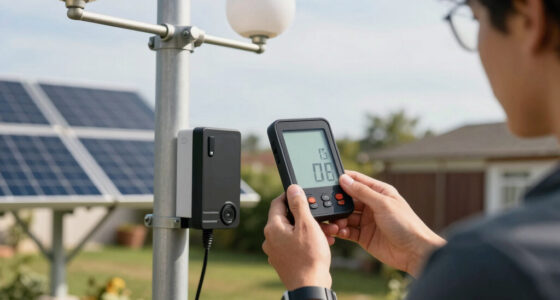
- Use lightning detectors or weather radios to monitor storm activity and stay informed.
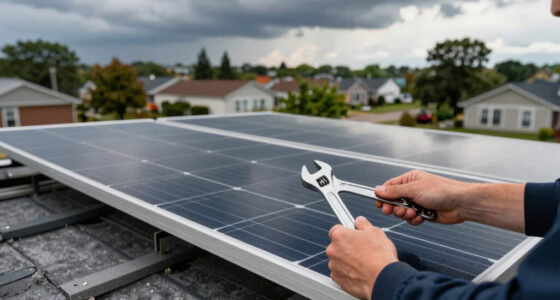
- Install lightning rods and grounding systems to safely redirect electrical discharges away from structures.
- Seek shelter indoors or in vehicles at the first sign of lightning; avoid open spaces and tall objects.
- Keep emergency supplies ready, including flashlights, batteries, and first aid kits for quick response.
As an affiliate, we earn on qualifying purchases.
Why Lightning Acts the Way It Does
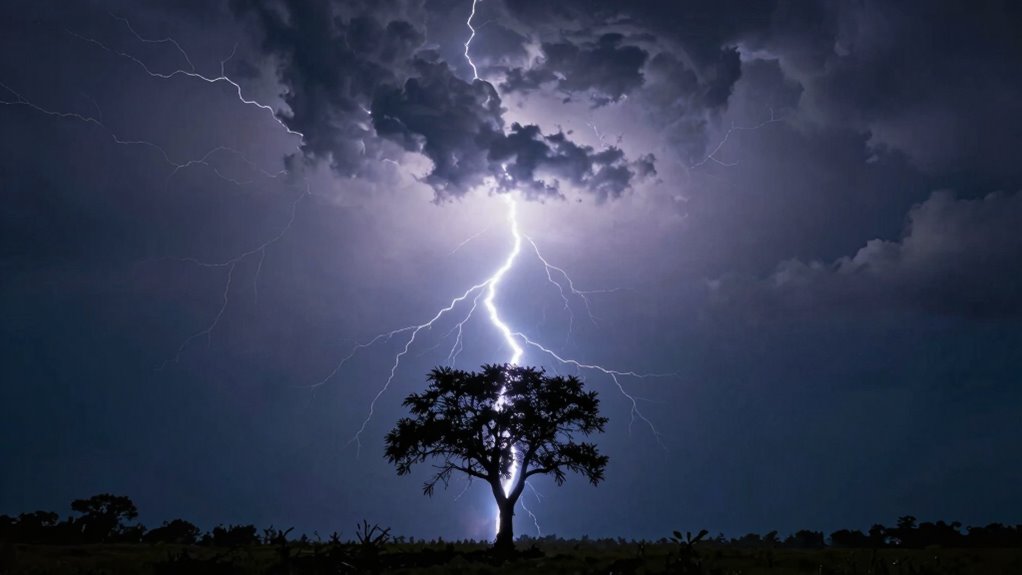
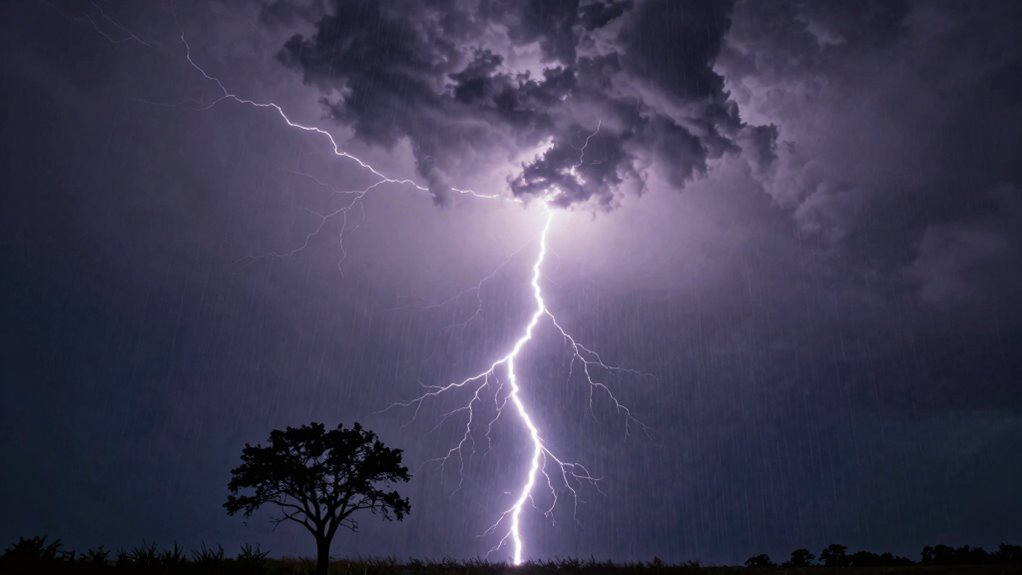
Lightning occurs because of a build-up of electrical charge within storm clouds, creating a strong potential difference between the cloud and the ground. Understanding lightning physics helps explain why lightning strikes in specific ways. During a storm, atmospheric electricity causes charges to separate: positive charges gather at the top of the cloud, while negative charges settle at the bottom. This charge separation intensifies the electrical potential. When the potential difference becomes too great, lightning discharges to equalize the charges, often striking the ground. Lightning seeks the shortest, most conductive path to balance these charges. By grasping how atmospheric electricity drives lightning behavior, you can better understand why lightning strikes certain areas and times, and how to reduce your risk during storms.
As an affiliate, we earn on qualifying purchases.
How to Recognize the Signs of an Approaching Storm
How to Recognize the Signs of an Approaching Storm
Being able to recognize the signs of an approaching storm can help you stay safe before lightning strikes. Watch for changes in cloud formation—dark, towering clouds like cumulonimbus indicate an active storm brewing. Additionally, angel numbers can serve as a reminder to stay alert during turbulent times. Pay attention to wind patterns; sudden gusts or shifting winds often signal instability in the atmosphere. You might notice a shift in the breeze or increasing wind speed, which can precede storm development. Understanding digital concepts like these can enhance your awareness and preparedness. Additionally, being aware of market volatility can help you make informed decisions during uncertain times. Investing in gold IRAs can serve as a hedge against economic instability, providing a secure option for retirement planning. A crucial factor in storm prediction is color accuracy, which can help in assessing the severity of weather conditions. Here’s a quick guide:
| Cloud Formation | Wind Patterns |
|---|---|
| Dark, towering clouds | Sudden gusts or shifting winds |
| Puffy, fair-weather clouds | Increasing wind speed |
| Anvil-shaped clouds | Wind direction changes |
| Rapid cloud darkening | Wind noise or whistling |
| Low-hanging clouds | Gusts from different directions |
As an affiliate, we earn on qualifying purchases.
What to Do to Stay Safe During a Thunderstorm?
Certainly! Here’s the revised content with the specified changes:
—
When a thunderstorm is imminent or already happening, taking immediate action can considerably reduce your risk of injury. Many people believe lightning safety myths, like hiding under a tree or taking a shower, but these are dangerous misconceptions. To stay safe during a thunderstorm, follow these steps:
Taking quick action during storms reduces injury risk—avoid myths like hiding under trees or showering. Stay safe indoors.
- Seek shelter indoors or in a car, avoiding windows and exterior walls.
- Disconnect electronic devices to prevent power surges. Additionally, it’s important to use proper grounding techniques for your electronic equipment to minimize damage during storms.
- Stay informed with weather alerts and avoid outdoor activities until the storm passes. Additionally, having eco-friendly natural pools can provide a serene environment that promotes relaxation during severe weather events. Understanding lightning safety guidelines can further enhance your preparedness and response during thunderstorms.
Effective thunderstorm preparedness involves understanding lightning safety myths and acting on facts. Additionally, consider having affordable jewelry gifts as a distraction during the storm, providing comfort and joy until it passes. Don’t rely on false beliefs; instead, prioritize safe behavior to protect yourself from lightning strikes and storm hazards.
—
Let me know if you need any further adjustments!
As an affiliate, we earn on qualifying purchases.
Essential Emergency Supplies for Lightning Safety
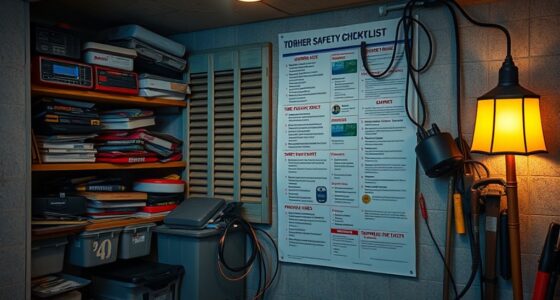
Preparing for a thunderstorm means more than just knowing how to stay safe during its peak; having the right supplies on hand can make a significant difference if conditions suddenly worsen. Essential emergency supplies for lightning safety include lightning safety gear like a portable lightning detector or a weather radio to monitor storm activity. Keep a well-stocked emergency preparedness kit nearby, including flashlights, extra batteries, and a first aid kit. Consider having sturdy, non-conductive footwear and insulating materials to avoid electrical shocks if you’re caught outside. Additionally, understanding pool safety practices can enhance your overall preparedness and resilience in emergency situations. Remember that gear maintenance tips can also help ensure your cycling equipment remains functional during unexpected weather changes. Storing these supplies in an accessible location guarantees you’re ready to respond quickly. Staying prepared with the right gear can help protect you and improve your chances of staying safe during unexpected lightning events. Additionally, maintaining your cleaning routines can help ensure your home is safe and ready for emergencies.
Tips to Reduce Your Lightning Risk Long-Term
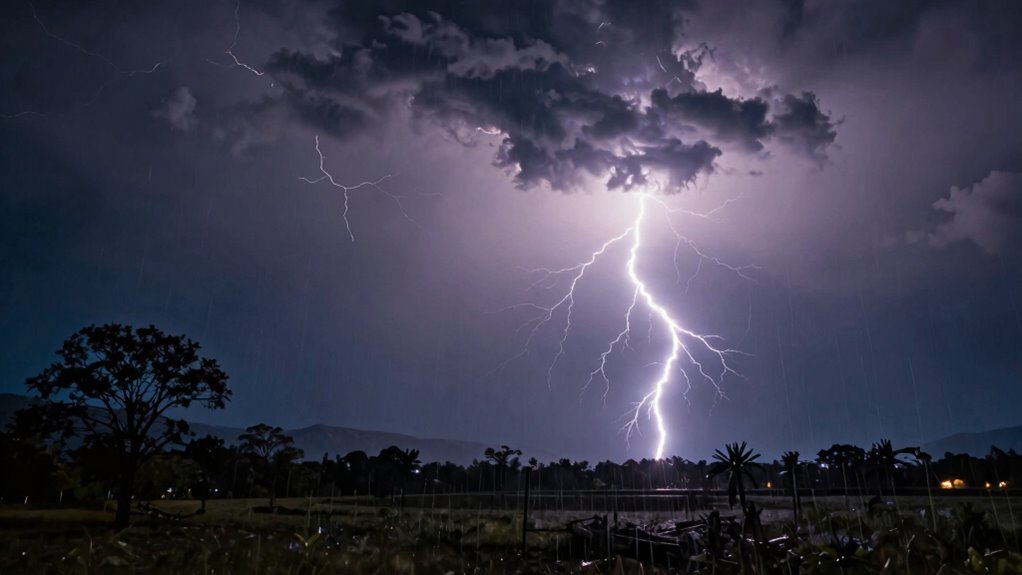
Reducing your long-term lightning risk requires proactive measures that go beyond emergency preparedness. Many people believe lightning only strikes tall objects or during storms, but lightning myths can lead to complacency. Understanding lightning statistics shows that risks exist even in less obvious situations. To lower your chances:
Proactive lightning safety involves understanding risks beyond myths and staying informed to protect yourself long-term.
- Install lightning rods or grounding systems on your property to divert strikes safely. Properly grounded systems can also help protect your electronic devices from voltage surges caused by nearby strikes. Effective grounding systems can also enhance overall system efficiency, ensuring your home remains safe. Additionally, using necessary cookies on your website can help track relevant safety information.
- Educate yourself about lightning myths to avoid false confidence and recognize real risks. Understanding common misconceptions can empower you to make informed decisions regarding safety.
- Keep informed about local lightning activity, especially during peak seasons, and plan outdoor activities accordingly.
Incorporating regular simple exercises can also enhance your overall safety awareness and confidence during outdoor activities.
Taking these steps helps you stay ahead of lightning dangers and minimizes your risk over time. Proactive safety isn’t just about reacting—it’s about understanding lightning patterns and acting wisely.
Frequently Asked Questions
How Does Lightning Actually Strike the Ground?
Lightning strikes the ground through a process called lightning formation, where an electrical discharge occurs between the cloud and the earth. As the storm develops, negatively charged particles build up in the cloud and seek a pathway to the positively charged ground. When the electrical potential becomes strong enough, a channel of ionized air, called a stepped leader, extends downward. This initiates a powerful electrical discharge, completing the lightning strike.
Can Lightning Strike the Same Place Twice?
Lightning can strike the same place twice, just like a recurring lightning pattern that follows specific areas. Think of lightning frequency as a map of hotspots where strikes are more common. If a location has been struck once, it’s likely to be struck again because certain conditions—like tall objects or open fields—continue to attract lightning. Understanding these patterns helps you stay safer during storms.
Is It Safe to Stay Outdoors During a Thunderstorm?
Staying outdoors during a thunderstorm isn’t safe, so you should seek shelter immediately. Lightning safety is essential, and being outdoors puts you at risk of a strike. For storm preparedness, find a sturdy building or a car. Avoid open fields, tall trees, and water. If you can’t find shelter, crouch low, keep your feet together, and minimize contact with the ground. Always prioritize safety to reduce your risk of lightning injury.
What Are the Myths About Lightning Safety?
Lightning myths are like electrical illusions—bright but false images that can mislead you. You might believe you’re safe under a tree or that lightning only strikes tall objects, but myth busting reveals these as dangerous illusions. Don’t fall for these falsehoods; lightning isn’t as random as it seems. Stay indoors, avoid open fields, and remember, safety isn’t a myth—it’s your best defense against nature’s electric fury.
How Do Weather Forecasts Predict Lightning Activity?
Weather forecasts predict lightning activity by analyzing cloud formation and using lightning detection technology. Meteorologists monitor developing storm clouds for signs like towering, cumulonimbus formations, which indicate potential lightning. They also rely on lightning detection networks that pick up electrical discharges in real-time. Combining satellite data, radar imaging, and lightning detection helps forecasters estimate when and where lightning is likely, giving you valuable warnings to stay safe.
Conclusion
Think of lightning as the lighthouse keeper’s steady beam—not just a random flash, but a guiding signal rooted in nature’s design. By understanding its patterns and respecting the signs of an approaching storm, you become the captain of your safety. Equip yourself with the right supplies and long-term habits, steering clear of danger’s rocky shores. With awareness and preparation, you can navigate thunderstorms safely, turning a wild tempest into just another chapter in your story of resilience.
Fall Picks
fall essentials
As an affiliate, we earn on qualifying purchases.