Power outage risks vary by region based on weather, infrastructure, and energy sources. Areas prone to storms or extreme weather face more blackouts, especially if infrastructure is aging or poorly maintained. Urban areas handle outages better with quicker repairs, while rural regions often experience longer disruptions. Regions relying heavily on renewable energy or lacking modern grids are more vulnerable. Understanding these patterns helps you prepare; if you keep exploring, you’ll discover strategies tailored to your area.

Get backup power and energy gear delivered free with Prime
- Fast, free delivery on millions of items
- Prime Video, Amazon Music and more included
- Member-only deals all year
Key Takeaways
- Regions dependent on weather-sensitive renewable energy face higher outage risks during storms and extreme weather events.
- Aging infrastructure and limited grid modernization increase vulnerability and outage durations across various regions.
- Areas prone to severe weather, like storms or heatwaves, experience more frequent, region-specific blackouts.
- Urban areas typically recover faster due to better infrastructure, while rural regions face longer, more disruptive outages.
- Proactive planning with smart grid technology, backup solutions, and community engagement reduces regional outage impacts.
As an affiliate, we earn on qualifying purchases.
What Factors Increase Power Outage Risks in Different Regions
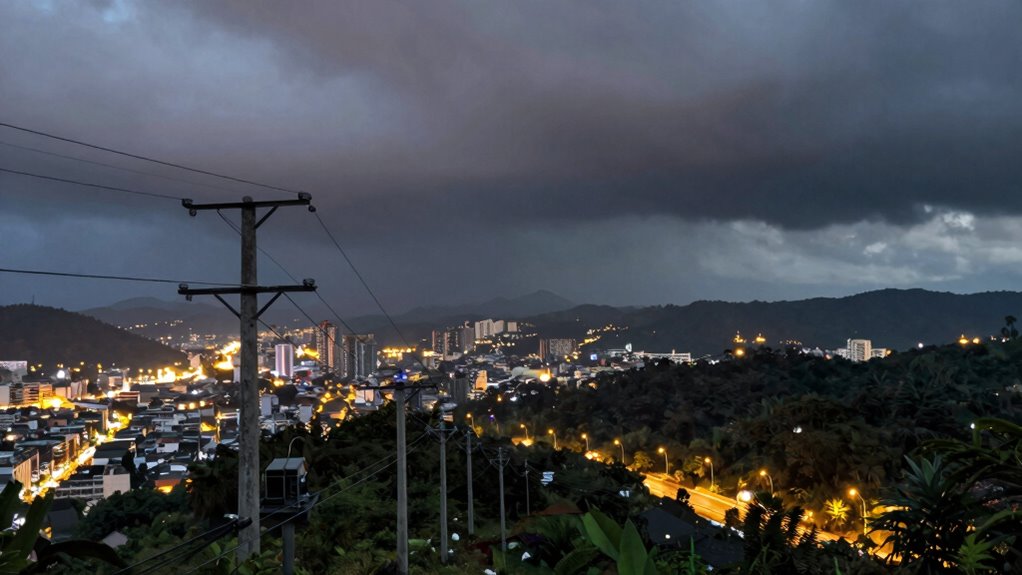
Certain factors considerably raise the risk of power outages in different regions. One key factor is the reliance on renewable energy sources, which can be variable and unpredictable, especially during extreme weather events. Regions heavily invested in solar or wind power may face outages if these sources falter. Additionally, outdated infrastructure increases vulnerability; many areas lack power grid modernization, making it harder to handle fluctuations or unexpected disruptions. Without upgrades, grids become more prone to overloads and faults. Geographic vulnerabilities, such as storms, heatwaves, or cold snaps, further elevate risks. By understanding these factors, you can see how regions with less modern infrastructure or high renewable energy dependence are more susceptible to outages. Addressing these issues through investments in grid modernization can help reduce these risks. Furthermore, exploring digital concepts can provide insights into innovative solutions for enhancing grid resilience. For example, implementing smart grid technology can significantly improve monitoring and response to power demand changes.
As an affiliate, we earn on qualifying purchases.
Common Causes of Power Outages Across Regions
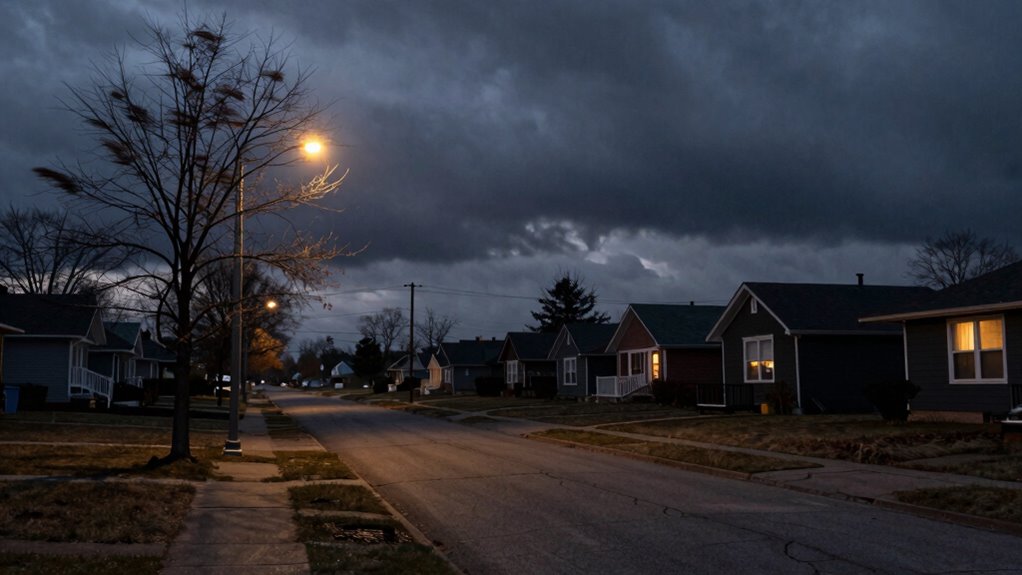
Power outages often happen across regions due to a few common causes that can strike regardless of location. One major cause is infrastructure failure, which can result from aging equipment or inadequate maintenance. Cybersecurity threats also pose a growing risk, as hackers target power grids to disrupt service or cause damage. Additionally, the rise of renewable energy sources introduces new vulnerabilities; for example, inconsistent power generation from solar and wind farms can lead to grid instability if not managed properly. These factors can cause widespread outages, regardless of whether you’re in an urban or rural area. Understanding these common causes helps you prepare for potential disruptions and highlights the importance of investing in resilient infrastructure and robust cybersecurity measures. Moreover, indoor air quality can be significantly affected during power outages, as ventilation systems may fail, leading to a buildup of harmful pollutants. During these times, effective emergency plans can help households maintain safety and comfort. Additionally, electric bike power generation systems can provide an alternative energy source during outages, enhancing your preparedness. Furthermore, a lack of efficient water systems during outages can exacerbate health issues, making it vital to ensure that your home is equipped to maintain water quality even when power is lost. Additionally, high contrast ratios in energy-efficient systems can mitigate some of the visual disruptions experienced during outages.
As an affiliate, we earn on qualifying purchases.
Which Areas Are Most Vulnerable to Weather-Related Blackouts

If you live in storm-prone areas, you’re more likely to experience weather-related blackouts. The resilience of local infrastructure varies, making some regions better equipped to handle severe weather. Understanding which areas are most vulnerable can help you prepare for potential outages. Additionally, investing in portable power solutions can provide essential backup during these critical times.
Storm-Prone Regions Experience More
Have you ever wondered which regions are most vulnerable to weather-related blackouts? Storm-prone areas face higher risks because severe weather can damage power lines and infrastructure quickly. These regions often experience frequent outages, especially during hurricanes, thunderstorms, or heavy snow. While some utilities are incorporating renewable energy sources to diversify power supplies, storms can still disrupt these systems. Effective customer communication becomes essential during outages, helping you stay informed and prepared. Storm-prone regions need proactive planning, including backup solutions and clear communication strategies, to minimize downtime. Recognizing these vulnerable areas allows you to better plan for storms and understand why outages happen more often in these regions. By staying informed, you can respond quickly and safely when weather turns severe.
Infrastructure Resilience Varies Widely
The resilience of infrastructure against weather-related outages varies markedly across different regions. Some areas have invested in upgrades like hardened power lines and better grid management, reducing blackout risks. Others remain vulnerable due to aging infrastructure or limited resources. Regions that prioritize energy conservation and renewable integration tend to build more resilient systems, as they reduce strain on the grid during extreme weather events. For example, incorporating solar and wind energy helps diversify sources, making the grid less susceptible to failures caused by storms or heatwaves. Conversely, areas that neglect these enhancements face higher vulnerability. Your planning should consider these regional differences, emphasizing energy efficiency and renewable strategies to bolster resilience and minimize blackout risks during severe weather conditions. Additionally, understanding the importance of straining paint can help improve the longevity and effectiveness of equipment used in various projects, including infrastructure upgrades.
As an affiliate, we earn on qualifying purchases.
Regions Prone to Infrastructure Failures and Maintenance Problems
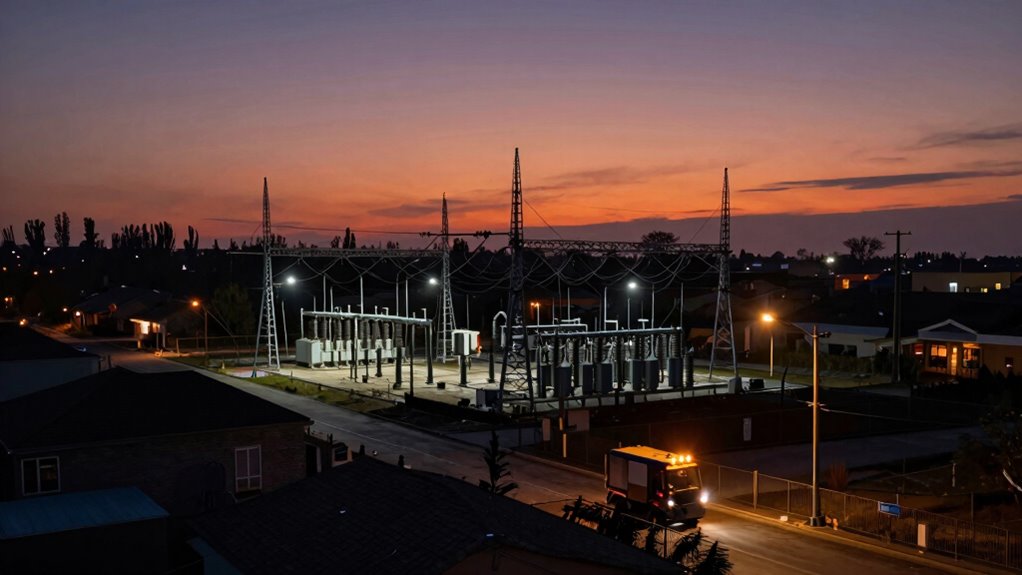
Regions Prone to Infrastructure Failures and Maintenance Problems
Regions prone to infrastructure failures and maintenance problems often face heightened risks of power outages because aging or poorly maintained systems struggle to meet demand or withstand extreme weather events. Regional politics can influence funding and priorities, leading to neglect of essential upgrades. Areas with slower economic development often lack the resources needed for regular maintenance, increasing vulnerability. When infrastructure isn’t properly maintained, it becomes more susceptible to breakdowns during storms or heatwaves. These regions tend to have outdated electrical grids, insufficient redundancy, and limited investment in resilience measures. As a result, power outages are more frequent and prolonged. Additionally, innovative composting toilets can offer eco-friendly solutions that alleviate pressure on local sewage systems, contributing to overall infrastructure resilience. Planning for these risks requires understanding how political and economic factors impact infrastructure quality, enabling better preparation and resilience strategies. Furthermore, eco-friendly natural pools can serve as a sustainable alternative to traditional landscaping, reducing the overall strain on local infrastructure. Implementing recycled materials in gardening can also help mitigate local environmental impacts and enhance community resilience. Moreover, the effectiveness of infrastructure improvements can often be predicted by predictive validity as seen in personality assessments, emphasizing the importance of proactive measures. Incorporating cultural artifacts like Balinese masks into community spaces can also foster a sense of identity and pride, contributing to resilience.
How Urban and Rural Areas Experience Power Outages Differently

Urban and rural areas face power outages differently because their infrastructure, resources, and response capabilities vary considerably. Urban resilience is often stronger due to denser infrastructure, quick repair crews, and backup systems that help restore power faster. You might notice that outages in cities are shorter and more manageable because of this resilience. In contrast, rural dependency on aging infrastructure and limited resources means outages tend to last longer. Response times are slower, and fewer backup options are available. Rural areas often lack the redundancy of urban grids, making outages more disruptive. Understanding these differences helps you prepare better, whether you live in a city with robust systems or a rural area that relies heavily on reliable power for daily life. Additionally, effective water damage prevention strategies can mitigate the impact of outages, especially in rural settings where resources are limited. Embracing diversity in resources can also enhance the adaptability of both urban and rural communities in the face of power outages.
How to Identify High-Risk Regions for Power Outages
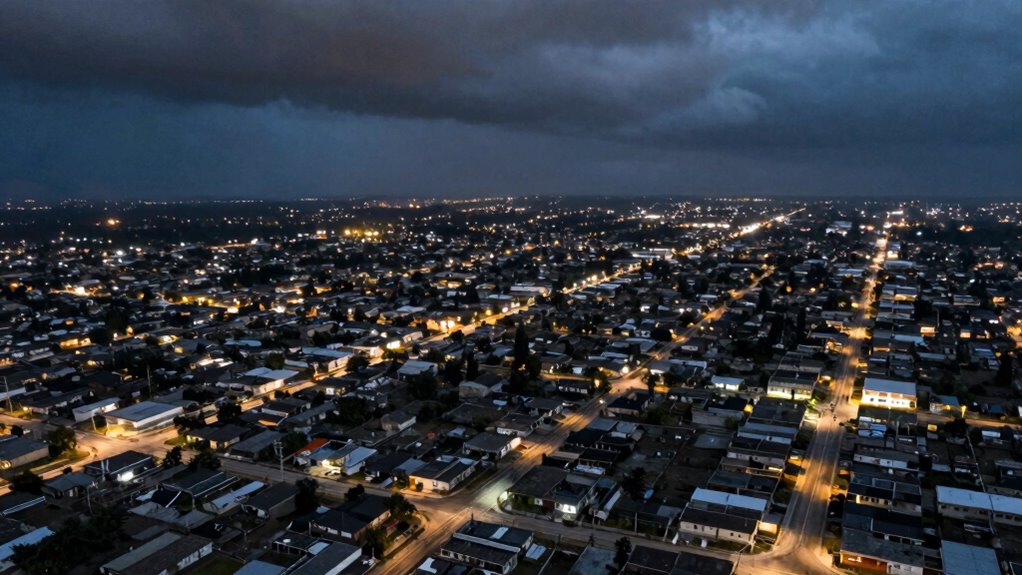
To identify high-risk regions for power outages, start by examining historical outage data to spot patterns. Consider regional vulnerability factors like weather, infrastructure quality, and population density. Combining these insights helps you pinpoint areas most likely to experience outages. Additionally, awareness of local weather patterns can provide critical context for understanding potential risks. Regularly engaging in simple exercises can also enhance overall community resilience by ensuring individuals stay physically active and prepared for emergencies.
Historical Outage Data
Analyzing historical outage data is essential for identifying areas at high risk of power disruptions. By reviewing past outage patterns, you can spot regions prone to frequent or prolonged outages. Look for correlations with renewable energy sources, as reliance on variable sources like wind or solar may contribute to instability if the grid isn’t well-managed. A smart grid system helps monitor and respond to issues in real-time, reducing outage duration and frequency. Incorporating wearable tech can also enhance the ability to track energy consumption patterns, further informing grid management. Additionally, investing in outdoor kitchen plans can lead to more efficient energy use during peak times. Examining data over multiple years reveals trends and seasonal spikes, indicating high-risk areas. This analysis enables you to prioritize infrastructure upgrades, enhance system resilience, and plan for outages more effectively. Ultimately, understanding historical outage patterns empowers you to mitigate risks and develop targeted solutions to improve power reliability. Additionally, considering the impact of portrait photography gear can provide insights into how energy demands fluctuate during peak usage times. To effectively plan for outages, it’s crucial to consider best woods for farmhouse tables that could be used for emergency furniture needs during disruptions. Using stylish men’s slim-fit blazers can also help you feel more prepared and confident during unexpected situations.
Regional Vulnerability Factors
Identifying regions most vulnerable to power outages involves examining specific environmental, infrastructural, and operational factors that increase risk. High regional energy consumption strains the grid during peak times, making outages more likely. Demographic influences, such as densely populated areas or regions with aging infrastructure, also heighten vulnerability. Areas with rapid population growth may struggle to upgrade their electrical systems fast enough, increasing failure chances. Additionally, regions prone to extreme weather—like hurricanes, snowstorms, or heatwaves—face heightened outage risks due to environmental stress. By analyzing these factors, you can pinpoint high-risk regions. Understanding how regional energy consumption patterns and demographic influences shape vulnerability helps you plan more effectively and implement targeted measures to reduce outage risks. Moreover, considering home improvement fundamentals can help residents bolster their property against potential outages. Engaging in caregiver self-care practices can also ensure that those affected by power outages receive the support they need during stressful times.
Practical Tips to Prepare for Regional Power Outage Patterns
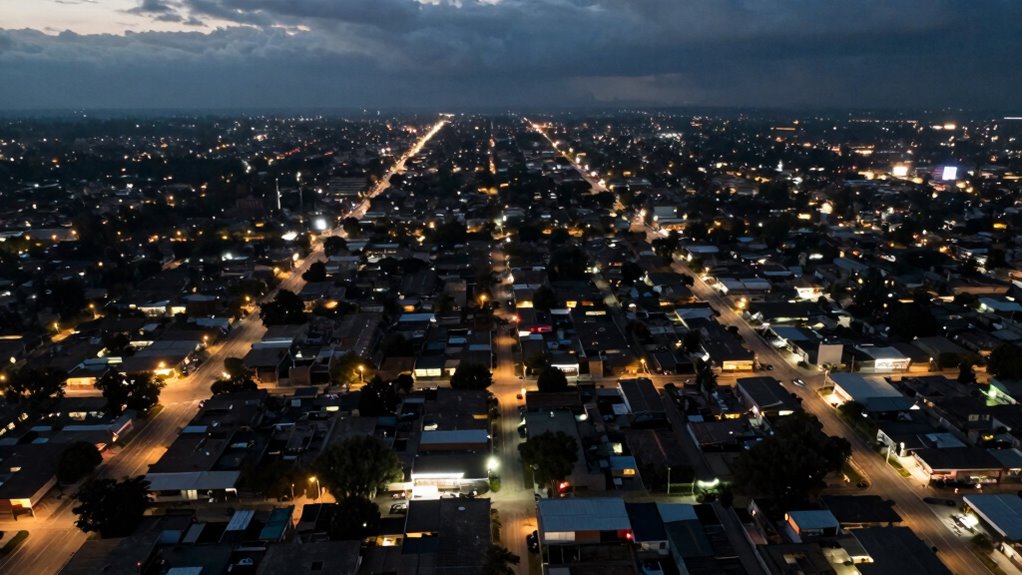
Preparing for regional power outage patterns requires proactive steps to guarantee safety and comfort. Start with emergency preparedness by assembling a power outage kit that includes essentials like flashlights, batteries, bottled water, non-perishable snacks, and a first aid kit. Keep your devices charged in advance and consider investing in portable chargers or power banks. Know your community’s outage schedule and plan accordingly, especially if you rely on medical devices or have vulnerable individuals. Create a communication plan to stay connected with family members and neighbors. Regularly review and update your supplies and plans to assure readiness. By staying prepared, you can minimize disruptions and stay safe during regional outages.
How Utilities and Authorities Manage Power Outages in Your Area
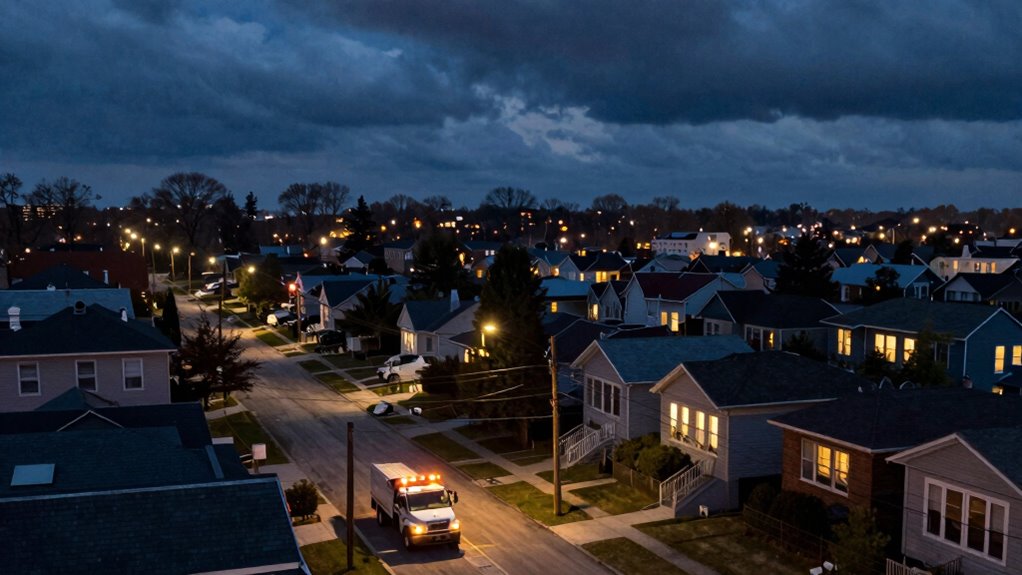
When a power outage occurs, utilities and authorities step in quickly to manage the situation and restore service as efficiently as possible. They rely on community engagement to keep residents informed and coordinated during outages, ensuring safety and minimizing inconvenience. To speed up recovery, crews prioritize repairs based on the outage’s scope and severity. Increasing renewable integration into the grid helps improve resilience by diversifying energy sources, reducing dependency on a single system. Authorities also use advanced technology, like smart grids and outage detection systems, to monitor and respond faster. Public cooperation is essential; staying updated through official channels and following safety guidelines helps everyone navigate the disruption smoothly. Together, these efforts aim to restore power swiftly while supporting sustainable energy solutions.
Frequently Asked Questions
How Do Seasonal Changes Affect Regional Power Outage Risks?
Seasonal weather considerably impacts outage frequency in your region. During winter, heavy snow and ice can overload power lines, increasing outage risks. In summer, intense storms and heat can cause equipment failures. You should prepare for these fluctuations by understanding seasonal weather patterns, maintaining backup power sources, and staying updated on weather forecasts. Planning ahead helps you minimize disruptions and stay resilient through seasonal changes.
What Role Does Technological Infrastructure Play in Outage Prevention?
Your technological infrastructure plays a vital role in outage prevention, especially through smart grids and renewable integration. Smart grids use real-time data to detect and respond to issues quickly, reducing outages. Renewable integration enhances resilience by diversifying energy sources, making the system less vulnerable to disruptions. By investing in these technologies, you can improve power reliability, minimize outages, and guarantee a stable energy supply for your region.
Are Certain Demographics More Affected by Regional Outages?
Certain demographics are more affected by regional outages due to demographic vulnerabilities and socioeconomic impacts. You might notice that low-income households, the elderly, and individuals with disabilities experience longer outages and harder access to resources. These groups often lack backup power options or resources to cope with disruptions. Planning for outages should consider these vulnerabilities to guarantee equitable support and minimize adverse socioeconomic impacts on the most vulnerable populations.
How Can Residents Advocate for Improved Power Grid Resilience?
You can promote improved power grid resilience by engaging your community and pushing for policy change. Did you know that areas with active community engagement see 30% faster improvements? Get involved in local meetings, join neighborhood groups, and communicate with policymakers. Your voice matters—by advocating for better infrastructure and policy updates, you help guarantee a more reliable power supply and protect vulnerable residents during outages.
What Historical Outage Patterns Can Predict Future Regional Risks?
You can look at historical outage patterns, especially during extreme weather events, to predict future regional risks. Regions with frequent outages during storms or heatwaves likely face similar issues ahead. Incorporating renewable energy sources and investing in grid modernization can help mitigate these risks. By analyzing past data, you’ll better understand vulnerabilities and advocate for improvements that increase resilience against future outages.
Conclusion
So, now that you’re armed with regional outage secrets, don’t forget to thank Mother Nature, aging infrastructure, or your local utility’s latest budget cut. Prepare yourself with backups, plans, and a pinch of patience—after all, power outages are just nature’s way of reminding us who’s really in charge. Stay vigilant, stay safe, and maybe invest in a generator—because life’s too short to be left in the dark.
Halloween Picks
halloween
As an affiliate, we earn on qualifying purchases.