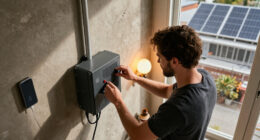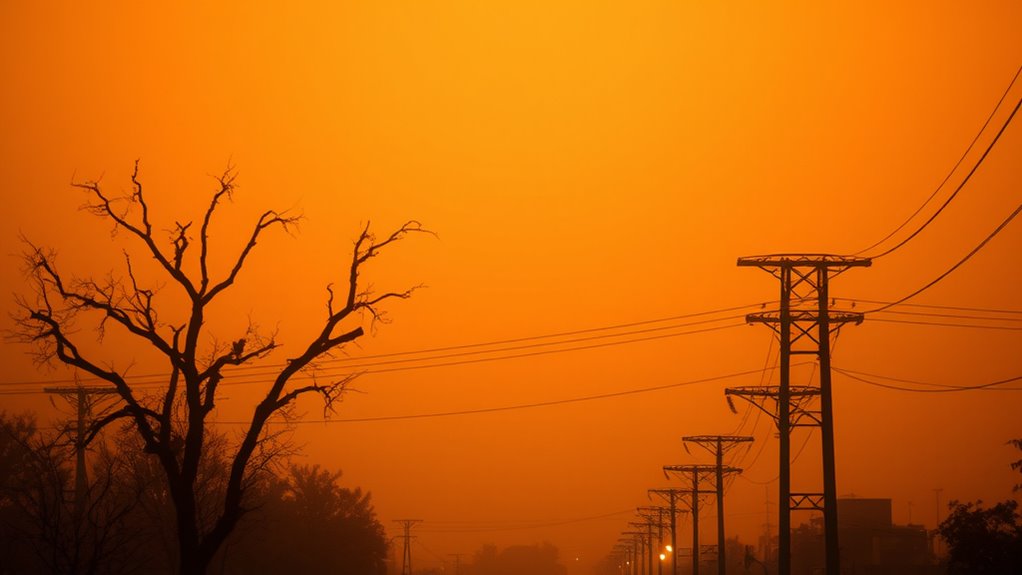
Wildfire smoke can severely impact air quality, causing health issues like respiratory problems and affecting vulnerable groups most. To stay safe, monitor air quality, use air filters, and create a clean indoor space. Power outages may happen during wildfires due to utility shutdowns, making it crucial to prepare emergency kits and backup power sources. For essential safety tips, emergency contacts, and community resources that support you through these events, continue exploring further.

Get backup power and energy gear delivered free with Prime
- Fast, free delivery on millions of items
- Prime Video, Amazon Music and more included
- Member-only deals all year
Key Takeaways
- Wildfire smoke is caused by burning vegetation and impacts air quality, posing health risks especially to vulnerable populations.
- Protect indoor air by sealing windows, using HEPA filters, and limiting outdoor exposure during smoky conditions.
- Power outages during wildfires may occur to prevent fire spread or due to damage, requiring emergency preparedness.
- Community resources and emergency management agencies offer vital support, updates, and assistance during wildfires and outages.
- Stay informed through official sources, prepare emergency kits, and develop evacuation plans to ensure safety during wildfire events.
HEPA air purifier for wildfire smoke
As an affiliate, we earn on qualifying purchases.
As an affiliate, we earn on qualifying purchases.
What Causes Wildfire Smoke and How Does It Affect Air Quality?
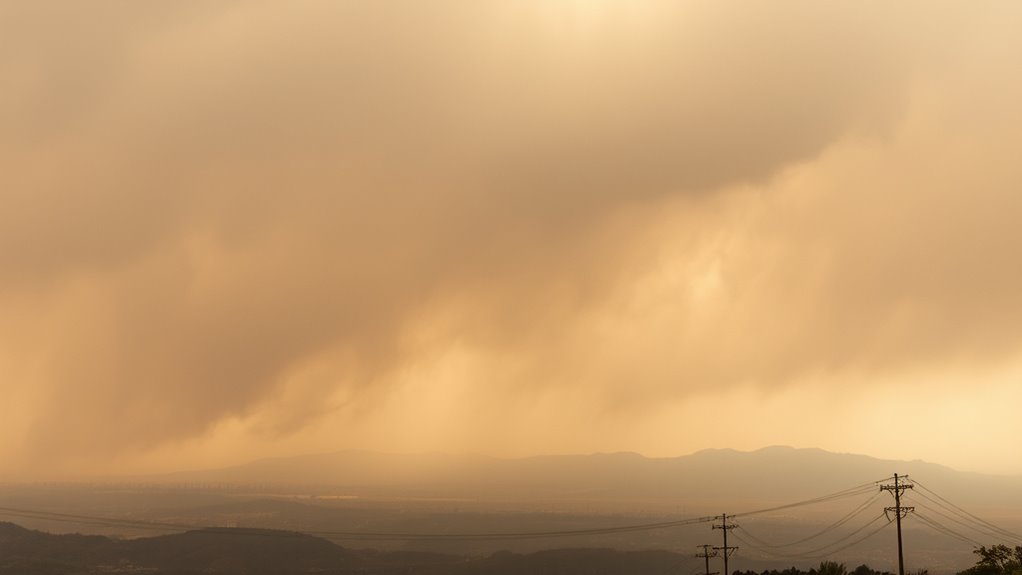
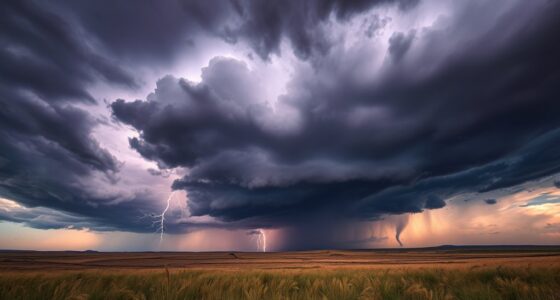
Wildfire smoke is primarily caused by the burning of vegetation, trees, and other combustible materials during a wildfire. When these materials ignite, they release tiny particles and gases into the air, which can notably degrade air quality. As smoke disperses, its patterns depend on weather conditions like wind speed and direction, temperature, and humidity. These smoke dispersion patterns determine how far and wide pollutants travel, impacting air quality indices in nearby and distant areas. When smoke spreads, it can cause hazardous air quality levels, leading to health risks for sensitive groups. Understanding how wildfire smoke affects air quality helps you recognize potential health hazards and the importance of monitoring air quality indices during wildfire events. Additionally, air quality factors such as particle size and concentration influence the severity of health impacts from smoke exposure.
As an affiliate, we earn on qualifying purchases.
How Can I Protect Myself and My Family From Wildfire Smoke?
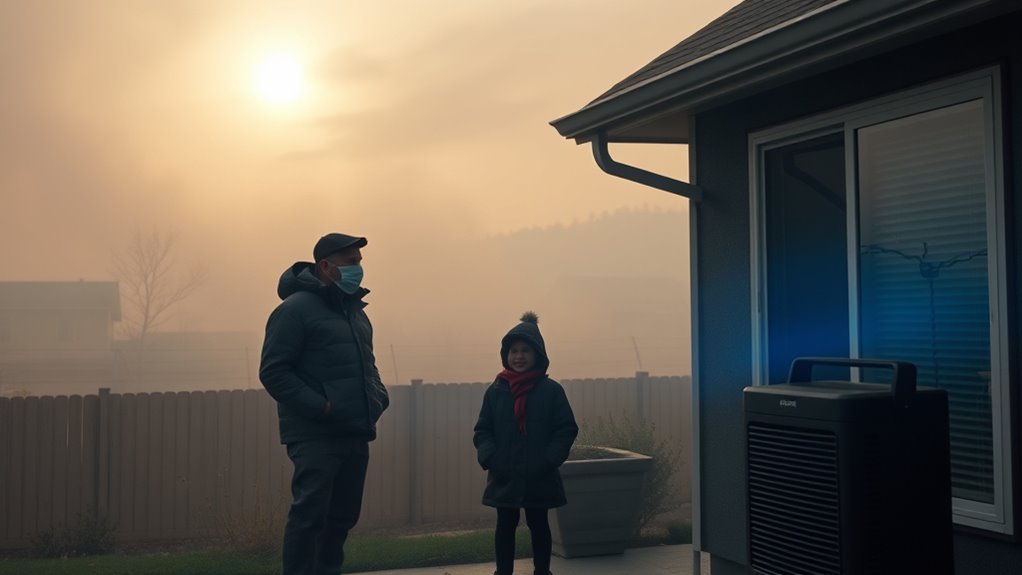
To protect yourself and your family from wildfire smoke, it’s essential to stay informed about current air quality conditions and take appropriate precautions. Use fire resistant materials for your home’s exterior and ventilation systems to reduce smoke infiltration. Keep indoor air clean with HEPA filters and seal windows and doors tightly. Have an evacuation plan in place, knowing multiple routes out of your area, and prepare an emergency kit with masks and essential supplies. Consider creating a safe room with a clean air supply for days when smoke levels are high. Staying informed through alerts and updates helps you decide when to shelter in place or evacuate. Using fire-resistant materials around your home can further minimize smoke penetration and protect your health during wildfire events. By planning ahead and using fire resistant materials, you can better protect your health and safety during wildfire events.
backup power generator for outages
As an affiliate, we earn on qualifying purchases.
As an affiliate, we earn on qualifying purchases.
What Are the Health Risks Associated With Wildfire Smoke Exposure?
Exposure to wildfire smoke can pose serious health risks, especially for vulnerable populations like children, the elderly, and those with pre-existing health conditions. Wildfire health concerns include respiratory problems, such as asthma attacks, bronchitis, and lung infections, which can worsen with smoke exposure. In addition, smoke contains fine particles that can penetrate deep into your lungs and bloodstream, increasing risks of cardiovascular issues and other health complications. People with chronic illnesses, pregnant women, and young children are particularly at risk. Short-term effects might include coughing, throat irritation, and shortness of breath. Long-term exposure can lead to more severe health problems, highlighting the importance of minimizing smoke inhalation during wildfire events to protect your health. Understanding air quality levels and taking appropriate precautions can significantly reduce these health risks.
As an affiliate, we earn on qualifying purchases.
How Do Power Outages Occur During Wildfires, and What Should I Do if It Happens?

Power outages during wildfires happen when utility companies shut down power lines to prevent wildfire ignition or when equipment is damaged by the fire itself. These utility disruptions are part of emergency planning efforts to reduce fire risk and protect communities. If a power outage occurs, stay calm and use backup power sources if available. Keep emergency supplies like flashlights, batteries, and non-perishable food handy. Avoid opening refrigerators or freezers unnecessarily to preserve cold temperatures. Stay informed through battery-powered radios or mobile alerts. Remember, utility companies may proactively turn off power in high-risk areas, so follow local guidance. Preparing in advance guarantees you’re ready to manage the situation safely and effectively during wildfire-related outages. Understanding power grid resilience and how utilities respond can help you better anticipate and prepare for possible outages during wildfire seasons.
What Precautions Should I Take to Stay Safe During a Power Outage Caused by Wildfire?

When a wildfire causes a power outage, taking specific precautions can help keep you safe and comfortable. First, review your evacuation procedures and ensure everyone knows the plan. Keep emergency kits stocked with essentials like water, medications, and flashlights. Maintain open communication plans with family and neighbors to stay informed and coordinate actions. Additionally, consider the importance of having a supply of vetted, safe products such as newborn sunscreens if you have infants, to ensure their delicate skin remains protected during emergencies. vetted products
How Can I Prepare My Home and Family for Wildfire and Power Outage Emergencies?
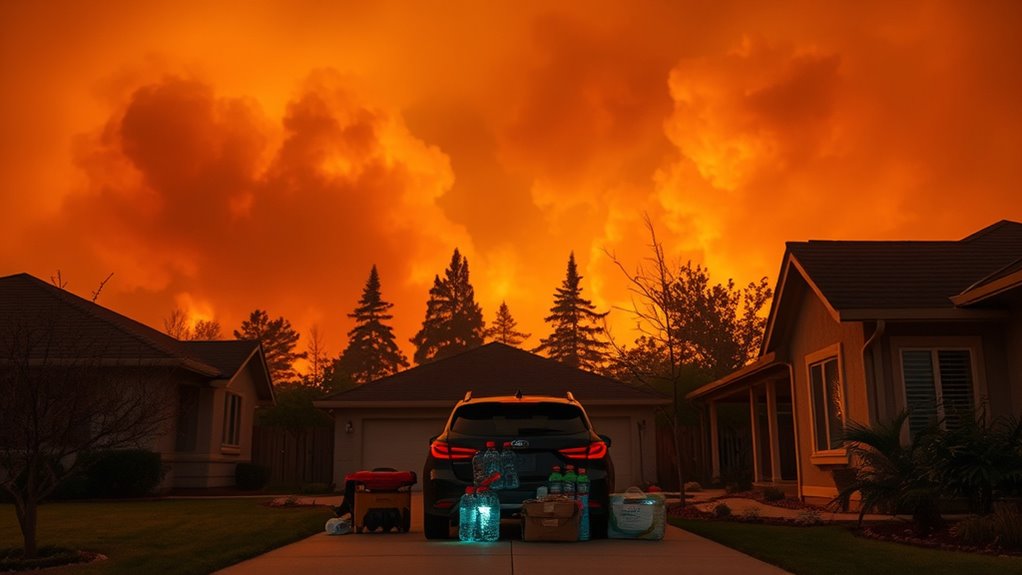
To keep your family safe during wildfires and power outages, start by assembling an emergency kit with essentials like water, non-perishable food, and first aid supplies. Practice safe indoor practices to reduce smoke exposure, such as sealing windows and using air purifiers. Being prepared now helps you respond quickly and stay safe when emergencies happen. Additionally, understanding the importance of home ventilation systems can significantly improve indoor air quality during smoky conditions.
Emergency Kit Essentials
Are you prepared to keep your family safe during a wildfire or power outage? An emergency kit is vital for guaranteeing safety and comfort during these events. Your kit should include basic supplies and items that address travel safety and camping essentials, making it adaptable for various scenarios.
Consider packing:
- Non-perishable food and water supplies for at least three days
- Personal protective equipment like masks and gloves to filter smoke and ash
- Flashlights, batteries, and a portable charger to maintain communication and visibility
Additionally, include a first aid kit, necessary medications, and important documents in a waterproof container. Preparing a all-encompassing emergency kit ensures you’re ready to handle the unexpected, keeping your loved ones safe and reducing stress during emergencies. Incorporating natural materials into your kit or home setup can also help maintain comfort and durability during prolonged outages.
Safe Indoor Practices
Having an emergency kit ready is a key step, but preparing your home and family for wildfire and power outages guarantees safety from within. To improve indoor air quality during smoke events, consider installing filtration systems designed to reduce particles and pollutants. Keep windows and doors closed to prevent smoky air from entering. Use HEPA filters or air purifiers to maintain healthier indoor air. Regularly check your filtration systems, and replace filters as needed. Additionally, create a safe indoor space with supplies like masks, bottled water, and flashlights. Educate your family on emergency procedures. Remember, preparing your home now minimizes health risks and ensures comfort during wildfire smoke or outages. Implementing air quality measures can significantly reduce health risks during smoke events.
Where Can I Find Resources and Assistance During Wildfire and Power Outage Situations?
When wildfire smoke and power outages strike, knowing where to turn for help can make a big difference. Your first step is to explore local community resources and assistance programs designed for emergency situations. These resources can provide essential support, like shelter, medical aid, and food supplies, during crises.
Knowing where to find local resources can keep you safe during wildfires and outages.
Consider the following:
- Contact your local emergency management agency for updates and guidance.
- Visit community centers or government websites for information on assistance programs available in your area.
- Reach out to utility companies for outage updates and support options.
- Understanding self watering plant pots can help maintain your indoor plants during extended outages when watering might be disrupted.
Staying informed through official sources ensures you access the right help quickly. Being proactive about locating these resources can help you and your loved ones stay safe and prepared during wildfire and power outage events.
Frequently Asked Questions
How Does Wildfire Smoke Impact Outdoor Pets and Livestock?
Wildfire smoke can seriously affect your outdoor pets and livestock by irritating their respiratory systems. You should prioritize pet safety and livestock health by limiting their outdoor time and providing shaded, well-ventilated shelters. Guarantee fresh water is available, and watch for signs of breathing difficulty or discomfort. Staying vigilant helps protect them from smoke-related health issues and keeps your animals safe during wildfire events.
Can Wildfire Smoke Affect Water Quality in My Area?
You might notice subtle changes in your water quality during wildfire events. Smoke particles and ash can drift into water sources, affecting air quality and leading to potential water contamination. While your local water treatment usually handles pollutants, it’s wise to stay informed, use filters if needed, and run your tap longer to flush out any residual contaminants. Staying vigilant helps ensure your water remains safe and clean.
What Are the Long-Term Environmental Effects of Wildfire Smoke?
Wildfire smoke can cause long-term environmental effects like air quality decline and ecosystem damage. As you breathe in smoke particles, they settle into soil and water, affecting plant and animal life. Over time, this can lead to habitat loss and reduced biodiversity. Your community might also experience lingering air pollution, which hampers recovery efforts and impacts public health, highlighting the importance of addressing these long-term consequences.
How Can I Stay Informed About Wildfire and Power Outage Updates?
You can stay informed about wildfire and power outage updates by signing up for social media alerts from local agencies and emergency notification systems. Follow official accounts on platforms like Twitter or Facebook for real-time updates. Enable notifications on your phone for emergency alerts and download relevant apps to get instant information. Regularly check local government websites and subscribe to email alerts to make sure you’re always aware of the latest developments.
Are There Specific Evacuation Plans for Communities Affected by Wildfire Smoke?
Yes, communities affected by wildfire smoke often have specific evacuation plans. These procedures outline clear steps for safe evacuation, designate shelters, and coordinate emergency services. By familiarizing yourself with community safety plans, you guarantee preparedness. Stay informed through local alerts, follow official instructions, and participate in community drills. Being proactive with these evacuation procedures helps you respond swiftly, protect your loved ones, and minimize risks during wildfire incidents.
Conclusion
Stay prepared and protect your loved ones by practicing proactive planning. By understanding wildfire causes, controlling smoke concerns, and coordinating with community resources, you can confidently confront crises. Keep calm, stay current, and create a caring, connected community ready to face fire, flicker, and flickering power. Remember, preparation prevents problems—so stay safe, stay strong, and stay smart through every smoky, shocking, and sudden situation.
Fall Picks
fall essentials
As an affiliate, we earn on qualifying purchases.