
TL;DR

Get backup power and energy gear delivered free with Prime
- Fast, free delivery on millions of items
- Prime Video, Amazon Music and more included
- Member-only deals all year
Armenia has introduced interest-rate subsidies for businesses financing battery storage systems used exclusively to store solar-generated electricity. Support ranges from 6 to 10 percentage points, depending on currency and whether the equipment is financed through a loan or lease, and can last up to seven years.
Armenia has introduced interest-rate subsidies for businesses financing battery storage systems that store electricity produced by solar plants or panels. The provisions took effect last week and offer support of 6 to 10 percentage points on eligible loans and leases for up to seven years, according to a report by Energy Storage.
The subsidy depends on the financing method and currency. A notice published on Arlis, Armenia’s online legal information system, sets an 8% subsidy for dram-denominated loans covering batteries and their components, and 10% for dram-denominated leases. For foreign-currency financing, the subsidy is 6% for loans and 8% for leases. The support period can extend to seven years.
Eligibility is tied to how the equipment is used: the storage systems must be used exclusively to store energy produced by solar plants or solar panels. Armenia’s Minister of Economy, Gevorg Papoyan, described the measure as support for solar operators seeking to store the electricity they generate. His remarks were reported in a social media post.
The provisions apply to both loans and leasing arrangements for storage equipment. The available information does not specify a maximum eligible project size, an application process or whether businesses must meet additional conditions beyond the stated solar-use requirement. Those details may affect how widely companies can use the incentive.
Lowering Financing Costs for Storage
The subsidy may reduce the financing burden for businesses adding batteries to solar installations. Solar generation does not always match when electricity is needed; storage can hold some generated power for later use. Lower interest costs could make a storage project more financially accessible, although the effect will depend on project costs, loan or lease terms and the amount of eligible financing.
The support also links public assistance directly to solar energy storage, rather than storage systems generally. The exclusive-use rule sets a clear boundary on the policy: businesses must use the subsidized equipment to store solar-generated electricity. The measure is a financing incentive, not a direct grant for the purchase price, and the reported provisions do not establish how many projects or megawatt-hours of storage it will support.
Products Worth Considering

Bose SoundLink Flex Bluetooth Speaker (2nd Gen), Waterproof, Dustproof, USB‑C, Up to 12 hr Battery, Black

Bose SoundLink Plus Portable Bluetooth Speaker, Wireless Outdoor Speaker, Up to 20 Hours Battery Life, Waterproof and Dustproof, Black
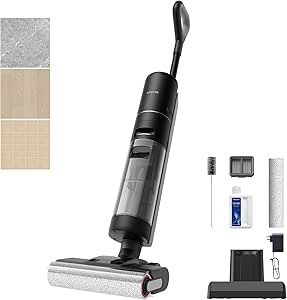
Dreame G10 Pro Wet and Dry Vacuum Mop
As an affiliate, we earn on qualifying purchases.
A New Policy for Solar Storage
Armenia’s energy storage market is at an early stage. In May, the country amended its Energy Law to allow the development of energy storage systems for the first time, subject to licensing. According to the reported rules, systems smaller than 1 MW, as well as systems above that size designed for self-consumption, are exempt from licensing.
Solar power has expanded alongside that policy change. Government statistics cited by Energy Storage show solar accounted for 16.3% of Armenia’s electricity generation last year. The country also recorded a high for solar deployment in 2025, taking cumulative installed solar capacity above 1 GW, the report said. The new subsidies arrive as Armenia establishes rules for storage and its solar fleet grows; the available information does not quantify expected take-up or the policy’s projected impact.
“If you have a solar plant and want to store the energy produced, you can purchase accumulators using the new state support toolkit, subsidizing the interest rate on a loan or lease.”
— Gevorg Papoyan, Armenia’s Minister of Economy
Eligibility and Uptake Details
The reported provisions establish subsidy rates, financing types and a solar-only use condition, but several practical details remain unclear. The source material does not state how businesses apply, which lenders or leasing companies participate, whether there are caps on loan amounts or project sizes, or how the seven-year limit is applied to individual agreements.
It is also not yet clear how many businesses are eligible, how much public funding has been allocated, or whether the government has set targets for installations or storage capacity. The available report does not provide estimates of expected savings for borrowers or the effect on Armenia’s electricity system. The subsidy rates should not be read as the total interest rate paid by a borrower; they describe the government-supported portion of the financing cost.
Application Rules and Project Response
The immediate next step for prospective participants is to confirm the program’s detailed requirements through official Armenian channels, including the legal notice on Arlis and relevant government departments or financing providers. Businesses will need to establish that their proposed systems meet the exclusive solar-storage condition and determine which rate applies to their currency and financing arrangement.
Further information from the government or participating lenders could clarify application procedures, funding limits and documentation requirements. The response of businesses, along with any official reporting on approved loans, leases or installed storage capacity, will show how much the measure adds to Armenia’s developing solar-storage market. No uptake figures or implementation milestones were included in the source report.
Key Questions
What does Armenia’s new storage subsidy cover?
It subsidizes interest on eligible business loans and leases used to acquire battery storage equipment. The systems must be used exclusively to store electricity produced by solar plants or panels.
How much interest-rate support is available?
The reported rates are 8% for dram-denominated loans, 10% for dram-denominated leases, 6% for foreign-currency loans and 8% for foreign-currency leases. Support can run for up to seven years.
Who is eligible to receive the support?
The provisions are described as support for businesses financing qualifying storage equipment. The source report does not give a full list of eligibility requirements or explain whether additional business or project criteria apply.
Can the subsidized batteries store power from other sources?
According to the reported provisions, no. To qualify, the storage systems must be used exclusively to store energy generated by solar plants or solar panels.
When did the provisions take effect?
The provisions took effect in the week before the November 2, 2026, report. The source material does not give a more specific effective date.
Source: ess-news.com