
TL;DR

Get backup power and energy gear delivered free with Prime
- Fast, free delivery on millions of items
- Prime Video, Amazon Music and more included
- Member-only deals all year
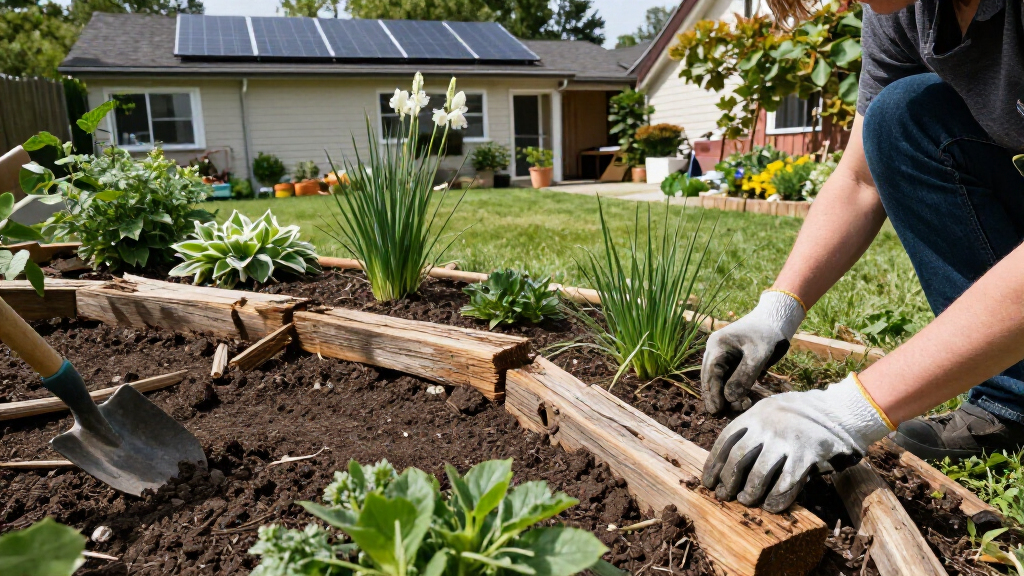
A Hunker report describes reclaimed brick as a durable-looking, rustic alternative to mulch and gravel for landscape edging around homes. Reusing bricks may reduce demand for newly fired clay bricks, but the environmental benefit is not quantified, and sourcing, cleaning and installation can add cost and labor.
Reclaimed bricks can provide a rustic border around a home as an alternative to mulch or gravel, according to a Hunker report. The approach gives old bricks another use and may reduce demand for newly made bricks, but it involves sourcing and preparation work and is not presented as a simple weekend installation.
The report says brick edging can help keep landscaping from spreading toward a home’s exterior and may hold a tidy appearance longer than gravel. It also frames reuse as a way to keep usable bricks out of landfills. Because manufacturing clay bricks requires firing, using reclaimed material could reduce demand for new production and its associated emissions; the report provides no estimate of how much emissions a typical edging project would avoid.
Finding a consistent supply can take time. Suggested sources include demolition sites, salvage yards and online marketplaces, while some suppliers sell reclaimed bricks at a premium. The report notes that reclaimed bricks come in different lengths and styles, so buyers may need to work with the available materials rather than expect a uniform match.
For a rough estimate, Hunker says a single layer two bricks wide could use about 150 bricks along a 50-foot straight facade, assuming bricks average eight inches long. Old mortar may need to be removed with a cold chisel, hammer and wire brush. The report describes digging out soil, compacting paving sand, adding stone dust and laying the bricks as parts of installation, and suggests hiring a professional for the work.
Reuse Comes With Installation Costs
Reclaimed brick edging connects a visible home-improvement choice with material reuse: it can give bricks from a demolition or renovation a second purpose instead of sending them to disposal. It may also reduce demand for new clay bricks, whose production involves firing. Those are plausible benefits, but the source does not quantify avoided waste or emissions, and the overall environmental effect will depend on the bricks’ condition, transport and installation.
For homeowners, the trade-off is between durability and labor. Compared with loose mulch or gravel, a laid brick border may require less frequent repositioning, but reclaimed stock can be expensive and irregular. Cleaning and sorting the bricks takes work, while preparing a stable base and laying the edging may call for a contractor. The option is therefore less about a quick material swap and more about a planned landscaping project.
Products Worth Considering

Bose TV Speaker Compact Soundbar with Bluetooth and HDMI-ARC, Black

iRobot Roomba 105 Combo Robot Vacuum and Mop

Shark HydroVac MessMaster Wet/Dry Vacuum & Mop Combo (AW261)
As an affiliate, we earn on qualifying purchases.
From Salvage Yard to Garden Border
The Hunker report presents reclaimed brick edging as both a functional landscape border and a design choice that adds an aged, rustic appearance. It points to variation in reclaimed stock, including deep-red Victorian-era bricks, darker industrial styles and sun-bleached farmstead bricks. The actual selection depends on what can be found and whether enough suitable pieces are available.
Hunker recommends counting and cleaning bricks before installation. Its example estimate assumes a straight run and a particular brick length and layout; curved borders, wider edging or shorter bricks would change the quantity. The report also describes using a diluted muriatic acid solution for persistent mortar or stains, with the instruction to add acid to water rather than water to acid. Acid handling carries risks, so homeowners should follow product directions and appropriate safety precautions or leave that cleaning to someone qualified.
““As with any project involving reclaimed materials, you may have to settle for what’s available.””
— Hunker report
Costs and Environmental Benefits Vary
The report does not provide current local prices, a cost comparison with mulch or gravel, or a quantified estimate of emissions avoided. Reclaimed-brick prices and availability can vary by region and supplier, and the amount needed depends on the border’s length, layout and brick dimensions. It is also unclear how much maintenance a particular installation will require over time or how its performance compares with other edging materials under local soil and weather conditions.
The source offers general installation guidance, not a site-specific assessment. Ground conditions, drainage, local rules and the condition of the bricks could affect the work. Homeowners should confirm those details with a qualified landscaping or paving contractor before proceeding.
Measure, Source and Plan Installation
Homeowners considering the option can start by measuring the proposed border and deciding on its width and layout, then ask salvage yards, demolition sites and suppliers about available stock. Counting and inspecting the bricks before purchase can help prevent shortfalls, though varying sizes may make an exact estimate difficult.
Before installation, compare the full project cost with other edging choices and discuss base preparation, drainage and local requirements with a paving professional. The Hunker report does not announce a new product or policy; it outlines a project option. Whether it is practical for a given home will depend on supply, budget and site conditions.
Key Questions
Are reclaimed bricks a more sustainable choice than new bricks?
Reusing bricks keeps them in use and may reduce demand for new clay bricks, which require firing. The report does not quantify the environmental savings, which can vary with transport and installation.
How many bricks might a 50-foot border need?
Hunker’s estimate is about 150 bricks for a straight, 50-foot facade using one layer two bricks wide and bricks averaging eight inches long. Different dimensions or layouts will change the total.
Can homeowners install reclaimed brick edging themselves?
The report describes excavation and preparing a base before laying the bricks, and cautions that the work is not a simple weekend project. It recommends considering professional installation.
Where can reclaimed bricks be found?
The report suggests checking demolition sites, salvage yards and online marketplaces, as well as suppliers that sell reclaimed materials. Availability, condition and price can vary.
Does brick edging cost less than mulch or gravel?
The source gives no direct price comparison. It says reclaimed bricks can carry a premium, so homeowners would need local quotes to compare the full material and installation costs.
Source: hunker.com