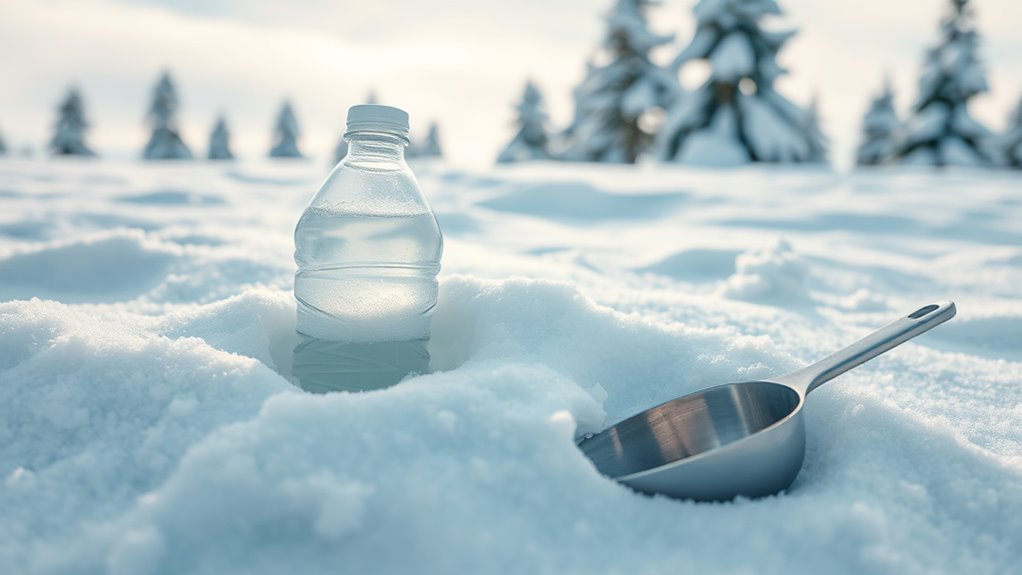

To safely reuse melted snow for drinking, first assess its source—avoid snow near roads or industrial areas. Purify the melt by boiling for at least one minute, filtering it through a clean cloth or portable filter, and treating it with water purification tablets or drops. Check for clarity and a neutral smell before consumption. Combining these methods guarantees safer drinking water; if you’d like to learn more about each step, continue exploring proven techniques.
Key Takeaways
- Assess snow source for contamination risks, favoring clean, untouched areas away from pollution sources.
- Melt snow thoroughly, then filter out debris using a fine water filter before purification.
- Boil the melted snow for at least one minute (or three at high altitudes) to kill pathogens.
- Use chemical disinfectants or UV purifiers after filtration to eliminate bacteria and viruses.
- Check for clarity and odor before drinking; discard if water appears cloudy or smells unusual.
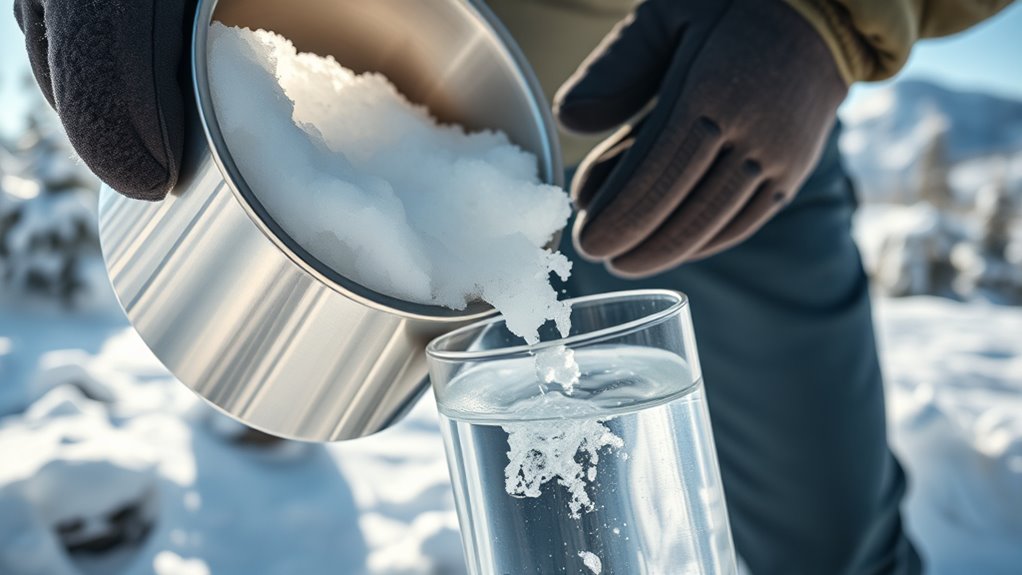
Reusing melted snow can be a practical way to conserve water, but it is vital to do so safely. Snow may seem pure because it’s frozen water, but it can easily pick up contaminants from the environment, making proper purification essential before consumption. The first step is understanding the importance of source reliability. Freshly fallen snow from a clean, untouched area is generally safer than snow collected near roads, industrial sites, or heavily populated regions, where pollutants like chemicals, bacteria, or debris can settle on the snow’s surface. Always evaluate where your snow is coming from, and if you’re unsure about its cleanliness, it’s best to err on the side of caution.
Once you’ve identified a reliable source, you need to focus on effective purification methods. Boiling is one of the simplest and most effective ways to kill bacteria, viruses, and parasites that may be present. Bring the melted snow to a rolling boil for at least one minute, or three minutes at higher altitudes, to guarantee it’s safe to drink. If you don’t have access to a stove or heat source, filtration can serve as a good alternative. Use a portable water filter with a pore size of 0.2 microns or smaller, which can remove most pathogens and particulates. For added safety, you should combine filtration with chemical treatment, such as water purification tablets or drops, which contain chlorine or iodine. These help eliminate remaining microorganisms that filtration alone might miss.
Another reliable method involves using UV light purification devices, which are portable and easy to operate. UV purifiers can effectively destroy bacteria and viruses when used correctly, but they require clear water for maximum effectiveness. If your snowmelt contains visible debris or cloudiness, you should filter it first to improve UV exposure. Always follow the manufacturer’s instructions for any purification method you choose, and remember that no single method guarantees complete safety if the water is heavily contaminated. Additionally, understanding the contrast ratio of your purification equipment can help you assess its effectiveness in different lighting conditions.
In all cases, it’s wise to test the water’s clarity and smell before consuming. Clear, odorless snowmelt that has been properly purified is typically safe for drinking. However, if the water looks cloudy or has an unusual smell, it’s better to discard it and find a different source or repeat the purification process. Reusing melted snow safely requires diligence and proper techniques, but with careful attention to source reliability and thorough purification, you can make snowmelt a reliable water source in outdoor or emergency situations.
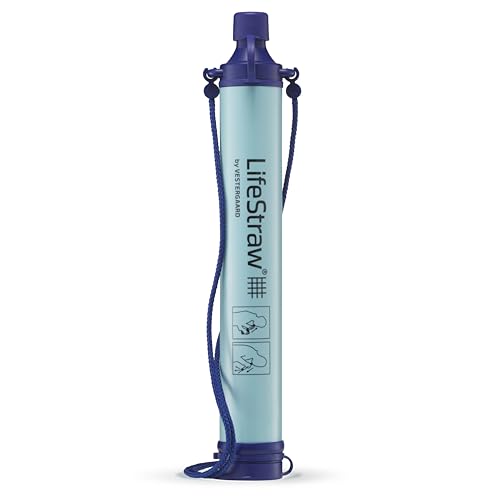
LifeStraw Personal — Water Filter for Hiking, Camping, Travel, and Emergency Preparedness, 1 Pack, Blue
Removes Bacteria & Parasites: The Microfiltration Membrane Removes 99.999999% of Waterborne Bacteria (Including E. Coli and Salmonella), and…
As an affiliate, we earn on qualifying purchases.
As an affiliate, we earn on qualifying purchases.
Frequently Asked Questions
Can Melted Snow Be Reused Multiple Times Safely?
You can reuse melted snow multiple times if you minimize contamination sources and follow proper storage techniques. Always store the water in a clean, tightly sealed container to prevent dirt and bacteria from entering. Regularly check for cloudiness or unusual odors, and boil the water before reuse to eliminate pathogens. Keep the container in a cool, shaded area, and avoid touching the inside to reduce contamination risks.
What Signs Indicate Melted Snow Is Contaminated?
You might wonder if melted snow is safe, but contamination indicators can reveal otherwise. Look for cloudiness, discoloration, or unusual odors—these signs suggest water safety issues. If the melted snow has particles or a strange smell, it’s contaminated and unsafe to drink. Always trust your senses and test the water if possible. When in doubt, boil or filter to guarantee you’re not risking your health.
Is Boiling Enough to Purify All Types of Snow?
Boiling is effective at killing bacteria and viruses, but it doesn’t remove chemical contaminants or improve water clarity. If your snow contains chemical pollutants from pollution or runoff, boiling won’t make it safe to drink. Always check for signs of contamination and consider filtering the melted snow beforehand. For the safest drinking water, combine boiling with filtration or chemical testing, especially if you suspect chemical pollutants are present.
How Long Can Melted Snow Be Stored Safely?
Your melted snow can be stored safely for up to 24 hours if kept refrigerated, but don’t push it beyond that—microbial growth can turn it into a dangerous brew faster than you think. After this window, bacteria and viruses multiply rapidly, risking your health. Always refrigerate promptly, use clean containers, and smell or taste before drinking. Better yet, consume it within a day to ensure it’s still safe and fresh.
Are There Natural Additives That Improve Snow Water Safety?
You can improve snow water safety by using natural filtration methods like passing it through charcoal or sand to remove contaminants. For mineral enhancement, add mineral drops or mineral-rich salts to boost essential nutrients. These natural additives help purify the water and improve taste, making it safer and more nourishing to drink. Always remember to boil the water afterward to guarantee maximum safety before consumption.
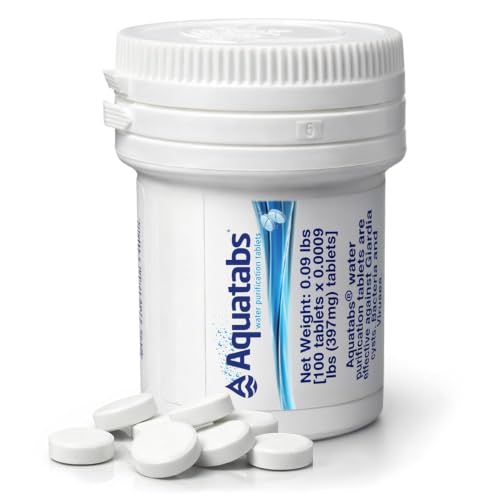
Aquatabs Water Purification Tablets (397mg, 100 Pack). Water Filtration System for Camping, Boating, Emergency Water, Survival Kit, and Marine. Easy-to-Use Water Purifier Treatment.
TRUSTED WATER PURIFICATION TABLETS – Aquatabs are the world's leading water purification tablets for drinking; the ultimate choice…
As an affiliate, we earn on qualifying purchases.
As an affiliate, we earn on qualifying purchases.
Conclusion
By following these safe practices, you can confidently turn melted snow into clean drinking water. Imagine you’re stranded in the wilderness, relying on your knowledge to stay hydrated. For instance, a hiker once used proper filtration and boiling techniques to safely drink snow melt, avoiding illness. Remember, your safety depends on your actions—always treat and test the water before drinking. Stay prepared, stay safe, and trust your skills to make snow melt safe for consumption.
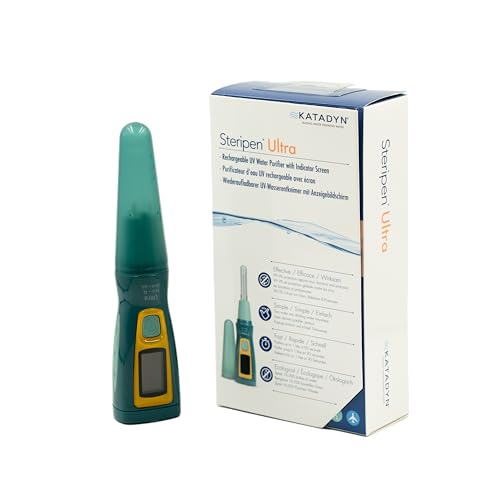
SteriPen Ultra UV Water Purifier, USB Rechargeable
Weight 4.94 oz
As an affiliate, we earn on qualifying purchases.
As an affiliate, we earn on qualifying purchases.
LifeStraw Personal — Water Filter for Hiking, Camping, Travel, and Emergency Preparedness, 1 Pack, Blue
Removes Bacteria & Parasites: The Microfiltration Membrane Removes 99.999999% of Waterborne Bacteria (Including E. Coli and Salmonella), and…
As an affiliate, we earn on qualifying purchases.
As an affiliate, we earn on qualifying purchases.