
TL;DR
New South Wales approved the Deniliquin East battery project on Sept. 24, despite more than 70 public objections. The 100 MW/200 MWh facility is expected to cost AUD 118 million, with construction scheduled to begin in 2027; concerns included fire hazards, land use and consultation.
New South Wales has granted development consent to Bess Arctic’s 100 MW/200 MWh battery near Deniliquin, despite more than 70 public objections focused on fire hazards, renewable energy and land-use compatibility. An executive director at the state planning department approved the project on Sept. 24, according to the NSW Planning Portal.

Get backup power and energy gear delivered free with Prime
- Fast, free delivery on millions of items
- Prime Video, Amazon Music and more included
- Member-only deals all year
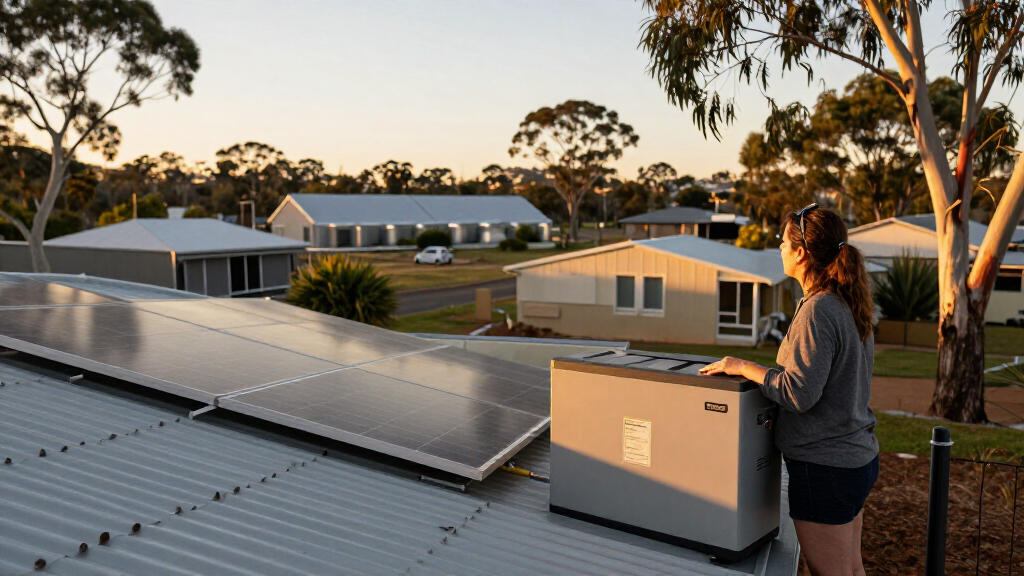
Known as Deniliquin East, the project is planned for a site about 7 kilometres southeast of Deniliquin in southern New South Wales. Its estimated development cost is AUD 118 million, or about US$82.7 million, and construction is scheduled to start in 2027. The battery is expected to operate until 2060.
The facility’s nominal rating is 100 MW of power and 200 MWh of storage. It is planned to use approximately 80 containerized lithium-ion battery modules, with a stated total cell capacity of 120 MW/240 MWh above that nominal rating. Bess Arctic Pty Ltd lodged the application through Gransolar Development Australia, the Australian arm of Spain-based Gransolar Group.
State assessors said the project would bring energy, economic and employment benefits to the local community. Those benefits include an estimated 52 construction jobs and two ongoing operational jobs, as well as AUD 600,000 in community benefits for the Edward River Council area, which has about 9,000 permanent residents. Assessors also found that the project’s 3.53-hectare footprint would cause a negligible loss of agricultural land in the local government area.
Jobs and Storage Near Deniliquin
The approval clears a path for a large battery project in a regional area, where its planned storage capacity could contribute to the electricity system. The source report does not specify which services the battery will provide or quantify its expected effect on local electricity prices, reliability or emissions. The approval itself establishes that the development may proceed under state consent; it does not demonstrate those outcomes.
For residents, the decision also sets out a local package of expected benefits alongside a long construction period. The developer estimates 52 temporary construction jobs, two operational roles and AUD 600,000 in community benefits. These figures describe projected benefits, rather than results already delivered.
The objections show that the project drew scrutiny beyond its technical design. Some submissions raised questions about fire safety and hazards, the merits of renewable energy and compatibility with existing land uses. The planning decision allows the project to advance despite those concerns, while the developer’s stated readiness to comply with Fire and Rescue NSW recommendations indicates that fire-safety requirements remain relevant as it moves toward construction.
Products Worth Considering

Philips Hue Play Gradient Light Tube, Large, Black

Shark PowerPro Reveal Plus Cordless Stick Vacuum, Charcoal (IZ376H)

Bose Lifestyle Ultra Wireless Home Speaker, White Smoke
As an affiliate, we earn on qualifying purchases.
How the Objections Were Addressed
Objectors included groups associated with the Save Our Surroundings campaign, with some based in Queensland and Victoria. The source report says public concerns centered on fire risks and hazards, the merits of renewable energy and whether the development suited the land. It does not provide a breakdown of how many objections raised each issue or describe the individual submissions in detail.
Six public submissions said adequate consultation had not taken place. Gransolar said it had followed the New South Wales Undertaking Engagement Guidelines for State Significant Projects. The company pointed to engagement with government stakeholders, agencies including Transgrid, and Aboriginal stakeholders, including the Deniliquin Local Aboriginal Land Council.
Gransolar also described outreach to adjacent neighbours and the wider community through a newsletter, a survey, local newspaper notices, pop-up information sessions and a project website with contact details. The source report says the developer made refinements to the project and expressed readiness to comply with Fire and Rescue NSW recommendations. It does not specify those refinements or reproduce the department’s full reasoning on the consultation submissions.
“The project was found to provide a range of energy, economic and employment benefits to the local community.”
— New South Wales planning assessors, as reported by Energy Storage
Safety Conditions and Local Concerns
The source report does not state whether the approval includes specific conditions addressing fire prevention, emergency response or other safety measures, or what Fire and Rescue NSW recommended. It also does not give the complete planning assessment or explain how each objection was weighed before consent was granted.
The consultation dispute remains part of the record: six submissions said engagement was inadequate, while Gransolar described several outreach activities and consultation with agencies and Aboriginal stakeholders. The available material does not establish how those submitters responded to the developer’s account or whether the planning department made a separate finding on the adequacy of consultation.
Other project details also remain unspecified in the report, including the battery’s expected operating arrangements, connection timeline and the terms governing the AUD 600,000 community benefits. The stated capacity, cost and employment figures are project details and estimates; the report does not say those projected benefits have yet been delivered.
Construction Planned for 2027
The stated next milestone is construction, which is scheduled to begin in 2027. The source report does not provide a more specific start date, construction duration or commissioning target. The project is expected to operate until 2060, but its delivery schedule and final operating plans are not described in the available material.
As development advances, the developer’s stated readiness to comply with Fire and Rescue NSW recommendations will be relevant to how safety concerns are handled. Further information on any approval conditions, the detailed fire-safety arrangements and the delivery of the projected community benefits would clarify how the approved plan is carried out. The report does not identify a date for those details or for any additional planning announcements.
Key Questions
What did New South Wales approve?
The state approved Deniliquin East, a proposed battery energy storage system rated at 100 MW/200 MWh near Deniliquin.
When was the project approved, and when is construction due to start?
An executive director at the state planning department approved it on Sept. 24, 2026, according to the NSW Planning Portal. Construction is scheduled to begin in 2027; the report gives no specific date.
Why did people object?
Reported concerns included fire risks and hazards, the merits of renewable energy and compatibility with local land uses. Six submissions also said consultation had been inadequate.
What benefits are projected for the area?
The project is expected to create 52 construction jobs and two operational jobs and provide AUD 600,000 in community benefits. These are projected benefits, not reported outcomes already achieved.
How large is the battery?
Its nominal rating is 100 MW/200 MWh. The planned containerized lithium-ion modules are described as having total cell capacity of 120 MW/240 MWh.
Source: rss