TL;DR

Get backup power and energy gear delivered free with Prime
- Fast, free delivery on millions of items
- Prime Video, Amazon Music and more included
- Member-only deals all year
Riding mower battery life varies by battery type. Hunker reports that the 12-volt lead-acid batteries common in gas models typically last about two to five years; lithium-ion packs in electric models are estimated at three to seven years, with lithium iron phosphate packs at five to 10 years. Storage, charging habits, heat and use can affect those ranges.
Riding mower batteries typically last about two to five years in gas-powered models and may last longer in electric models, according to a Hunker report on battery care. The report gives estimated lifespans of three to seven years for lithium-ion packs and five to 10 years for lithium iron phosphate batteries, while stressing that storage and charging habits can change how long a pack remains useful.
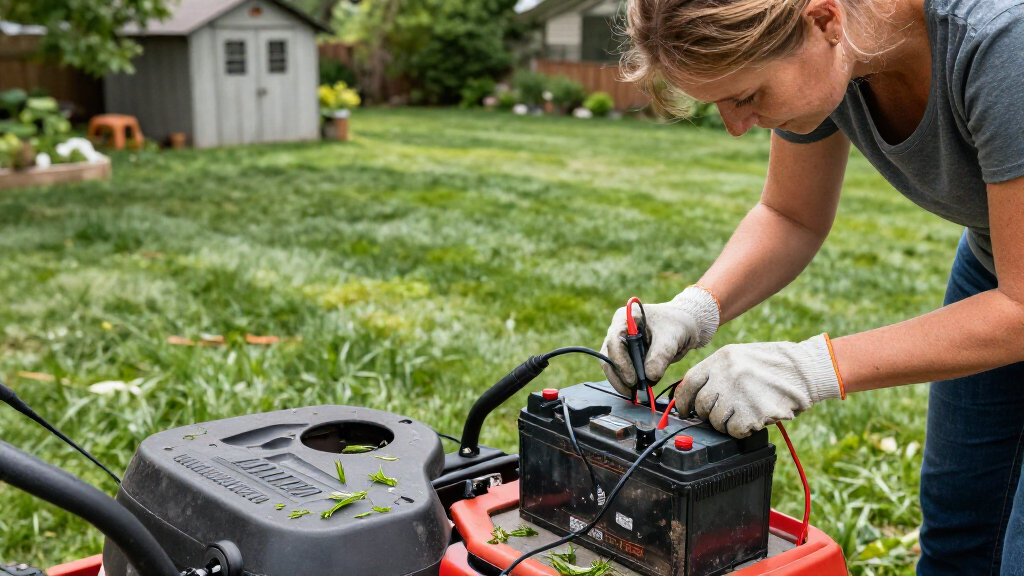
Many gas riding mowers use a 12-volt lead-acid battery primarily to start the engine. Hunker says these batteries can last up to five years, but may fail earlier if left unused and uncharged for extended periods. Lead-acid batteries lose charge over time even when idle, a process known as self-discharge.
The report identifies a battery that drains quickly or fails to hold a charge despite proper storage as a sign it may need replacement. A mower that starts but struggles to cut grass at a normal height could also have a weak battery, though that symptom alone does not establish the cause. A starting problem can have other explanations, so the battery is a likely suspect rather than a definitive diagnosis.
Electric riding mowers use larger battery packs to power both movement and cutting. Hunker estimates three to seven years for lithium-ion batteries and five to 10 years for lithium iron phosphate packs used in some premium systems. The report says pack size, lawn size and charging practices affect lifespan; it does not provide a single expected duration for every mower or usage level.
Battery Life Shapes Mower Costs
Battery life affects whether a mower starts reliably, how much owners may spend on replacement, and how they plan seasonal maintenance. The distinction between starting batteries in gas mowers and packs that power an electric mower is especially relevant: the latter support the mower’s drive and cutting systems, so battery capacity is central to operation.
The estimates are useful as planning ranges, not guarantees. A battery within its stated lifespan can still fail, while good storage and charging practices may help it last longer. Owners should use the maintenance instructions for their specific mower and battery rather than treating the reported ranges as a replacement deadline.
riding lawn mower battery replacement
As an affiliate, we earn on qualifying purchases.
As an affiliate, we earn on qualifying purchases.
Different Mowers, Different Batteries
Gas riding mowers commonly rely on a lead-acid battery to start an engine, whereas electric models draw power from rechargeable battery packs. That difference affects both the battery’s role and the way its care is described. Hunker’s ranges are presented by chemistry: two to five years for gas-mower lead-acid batteries, three to seven years for lithium-ion, and five to 10 years for lithium iron phosphate.
Seasonal storage is a particular concern for lead-acid batteries. According to the report, a battery that worked at the end of the mowing season may be depleted by spring if it sits without charging. Hunker recommends storing it fully charged and charging it monthly during the off-season. For lithium-based mower packs, the report advises avoiding prolonged exposure to heat and avoiding storage for months at either a full or completely empty charge. Owners should check manufacturer guidance for the appropriate storage charge and conditions.
“Lead-acid batteries last for up to five years, but sitting idle kills them prematurely.”
— Hunker report
As an affiliate, we earn on qualifying purchases.
Why Actual Lifespans Vary
The figures are broad estimates attributed to Hunker, and the report does not identify a specific test, sample size or manufacturer data set behind them. It also does not specify how many hours of use correspond to each year of service. Actual lifespan depends on the mower and its use, including battery capacity, lawn size, charging patterns and storage conditions.
A weak click or difficult start can point to a depleted battery, but the report does not establish that every failure to start is caused by the battery. It also does not give a universal test procedure or threshold for deciding when a pack must be replaced. Model-specific manuals and diagnosis are needed to distinguish battery wear from other problems.
As an affiliate, we earn on qualifying purchases.
Check the Manual Before Storage
Owners can compare their battery’s age and symptoms with the general ranges, then consult the mower and battery manuals for charging, storage and troubleshooting instructions. For gas mower lead-acid batteries, Hunker recommends beginning the off-season with a full charge and charging monthly while the mower is stored. For electric models, the report advises keeping packs away from heat and not leaving them fully charged or completely empty for months.
If a battery repeatedly loses charge or the mower continues to struggle, the next step is to confirm the cause using manufacturer guidance or qualified service support before replacing parts. No new product guidance or model-specific findings are included in the report.
lithium iron phosphate mower battery
As an affiliate, we earn on qualifying purchases.
As an affiliate, we earn on qualifying purchases.
Key Questions
How long does a riding mower battery usually last?
Hunker estimates two to five years for the 12-volt lead-acid batteries commonly used in gas riding mowers. It gives ranges of three to seven years for lithium-ion electric mower packs and five to 10 years for lithium iron phosphate packs. These are general estimates, not guaranteed lifespans.
Can a mower battery die while the mower is stored?
Yes. Lead-acid batteries lose charge over time even when idle, according to Hunker, and extended storage without charging can contribute to early failure. The report recommends storing these batteries fully charged and charging them monthly in the off-season.
What signs may indicate a riding mower battery is failing?
A battery that drains quickly or does not hold a charge despite proper storage may be near the end of its useful life. Difficulty cutting at a normal height after the mower starts can also be a sign, but it does not prove the battery is the cause.
How should an electric mower battery be stored?
Hunker advises keeping lithium-based mower batteries away from high heat and not storing them for months completely full or empty. The right storage charge can vary by model, so check the manufacturer’s instructions.
Source: rss
Fall Picks
fall essentials
As an affiliate, we earn on qualifying purchases.