After severe storms, managing your insurance adjuster involves being prepared with detailed records, photos, and receipts to support your claim. Stay honest, organized, and keep communication open, answering their questions clearly. Don’t hesitate to ask for clarification or a second opinion if needed. Remember, the adjuster’s role is to assess damages fairly within your policy limits. To learn how to navigate this process smoothly, keep exploring practical tips and strategies.
Key Takeaways
- Document all damages thoroughly with photos, videos, and receipts before the adjuster’s visit.
- Provide clear, honest, and detailed information about the storm-related damages during interactions.
- Keep records of all communications, including dates, times, and key points discussed.
- Ask questions and seek clarification to understand the adjuster’s findings and settlement offers.
- Collaborate cooperatively, stay organized, and review all documentation and proposals carefully.

After a storm, insurance adjusters play a essential role in helping you navigate the claims process. When your property sustains damage, you’ll need to work closely with an adjuster to assess the extent of the loss and determine your coverage. Understanding how the claim process unfolds and knowing how to communicate effectively with your adjuster can make a significant difference in getting your claim settled efficiently. The first step is to recognize that adjusters are there to evaluate your damages objectively and guarantee you receive a fair settlement. They will review your policy, inspect your property, and gather the necessary documentation to support your claim. Your job is to provide clear, detailed information and cooperate fully to facilitate a smooth process.
During the claim process, expect the adjuster to ask specific questions about the damage, your insurance coverage, and any repairs already made. This is where adjuster communication becomes essential. Be honest and thorough in your responses, and don’t hesitate to ask questions if something isn’t clear. Keep records of all conversations, including dates, times, and key points discussed. Providing the adjuster with photographs, videos, and receipts can help substantiate your claims and speed up the evaluation. It’s best to be proactive and organized, guaranteeing you have all relevant documents ready when they visit or review your case. This preparation can reduce delays and prevent misunderstandings about what’s covered.
Be honest, organized, and keep detailed records to facilitate a smooth insurance claim process.
Additionally, understanding the role of the adjuster and their scope of work can help set realistic expectations and foster a cooperative relationship. Remember, adjusters are professionals working within the scope of your policy, so maintain a cooperative attitude. If you disagree with their assessment or settlement offer, don’t be afraid to ask for clarification or seek a second opinion. You have the right to review their findings and negotiate if necessary. Clear communication also means listening carefully to their explanations and instructions. They may provide guidance on repair estimates, additional documentation needed, or steps to expedite your claim. Staying engaged and responsive helps keep the process on track and shows that you’re committed to working together.
Ultimately, your goal is to guarantee the claim process moves forward as smoothly as possible. By understanding the role of the adjuster, maintaining open lines of communication, and being organized, you can navigate this phase with confidence. After a storm, your ability to collaborate effectively with your insurance adjuster will determine how quickly you restore your property and recover from the damages. Keep a steady, cooperative approach, and remember that the adjuster is there to help you get through this challenging time.
insurance claim documentation kit
As an affiliate, we earn on qualifying purchases.
As an affiliate, we earn on qualifying purchases.
Frequently Asked Questions
How Do I Identify a Qualified Insurance Adjuster?
To identify a qualified insurance adjuster, check their insurance licensing to make certain they’re authorized to operate in your state. Review their adjuster credentials, which should be verifiable through state insurance departments. A professional adjuster will provide proper licensing information and credentials promptly. Don’t hesitate to ask for proof of licensing and credentials; reputable adjusters are transparent and willing to verify their qualifications.
What Should I Do if an Adjuster Undervalues My Claim?
If an adjuster undervalues your claim, you should first request a detailed explanation and review the estimate. If you still disagree, initiate a claim dispute and consider the appraisal process, which allows an independent assessment. Be prepared with evidence like photos and receipts, and stay persistent. This approach helps make certain your claim is fairly evaluated, and your rights are protected during the appraisal process.
Can I Choose My Own Insurance Adjuster?
Yes, you can choose your own insurance adjuster, especially if you’re unsatisfied with the one assigned. Review your insurance policy to understand your rights. You’ll need to provide thorough claim documentation to support your case. Contact your insurer and request a different adjuster, explaining your reasons. Having clear records and understanding your policy helps make sure your claim is accurately assessed and that you get fair compensation.
How Long Does the Claims Process Typically Take After a Storm?
The claims process usually takes anywhere from a few weeks to a couple of months, depending on storm impact assessment and claim documentation. You can accelerate it by providing thorough documentation and clear photos of storm damage. Stay in regular contact with your adjuster, respond promptly to their requests, and keep track of all communications. This proactive approach helps ensure your claim moves forward efficiently and gets resolved as quickly as possible.
What Are My Rights if I Disagree With the Adjuster’s Assessment?
Your rights are powerful—like a superhero’s shield—if you disagree with the adjuster’s assessment. You can dispute the claim through dispute resolution processes, and it’s vital to provide thorough claim documentation to support your case. Don’t hesitate to ask for a second opinion or escalate the matter if needed. You’re entitled to fair treatment, and knowing your rights helps guarantee you get the compensation you deserve.
damage assessment camera for insurance claims
As an affiliate, we earn on qualifying purchases.
As an affiliate, we earn on qualifying purchases.
Conclusion
By staying organized, communicating clearly, and documenting thoroughly, you can navigate the chaos after a storm with confidence. By keeping track of your claims, following up diligently, and being patient, you guarantee your recovery stays on course. By trusting your adjuster, advocating for your needs, and remaining proactive, you turn a stressful situation into an opportunity for recovery. Remember, your actions today shape your peace of mind tomorrow.
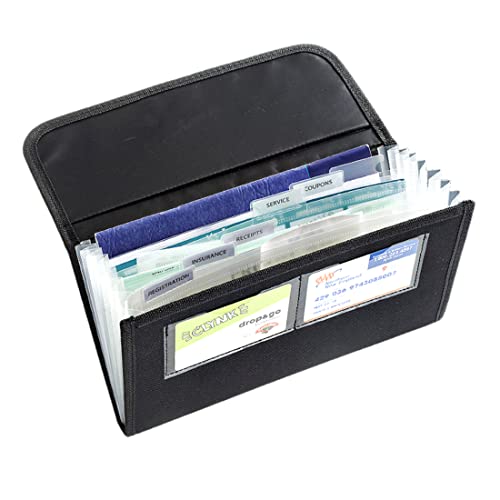
High Road Car Glove Box Organizer – Maintenance Folder for Car Documents – Card Pockets for Insurance and Registration with Receipt Log and Divider Tab Inserts
Holds Vehicle Registration, Insurance Cards and Much More – 7 expanding file compartments hold documents, receipts, coupons and…
As an affiliate, we earn on qualifying purchases.
As an affiliate, we earn on qualifying purchases.
storm damage repair estimate tools
As an affiliate, we earn on qualifying purchases.
As an affiliate, we earn on qualifying purchases.