
When returning home after an evacuation, first verify you have official clearance to re-enter. Carefully assess your property for visible damage, leaks, or hazards, wearing protective gear. Document everything with photos, and turn off utilities if you detect dangerous conditions. Inside, check for mold, standing water, or structural issues, and prioritize safety over cleanup. If you keep this guide in mind, you’ll learn more essential steps to safely restore your home.
Key Takeaways
- Verify official clearance and listen for updates before re-entering your home.
- Conduct a visual exterior inspection for damage and hazards, wearing protective gear.
- Check inside for structural issues, leaks, or gas smells; turn off utilities if unsafe.
- Document damage with photos and record repair needs for insurance claims.
- Contact your insurance company and professionals to assess repairs and ensure safety.

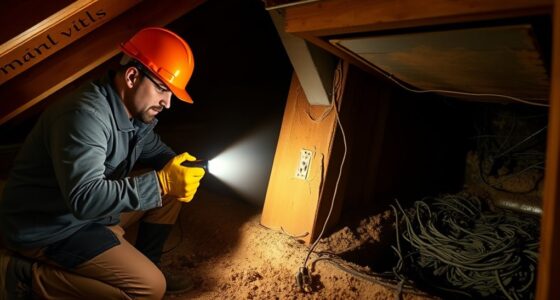
Returning home after an evacuation can be overwhelming, but knowing the right steps can make the process safer and smoother. As you prepare to re-enter your property, prioritize home safety above all else. Before stepping inside, verify authorities have declared it safe. Listen for official updates and avoid rushing in too quickly, especially if there’s a risk of structural damage or hazardous conditions. Once you’re permitted to return, take a cautious approach to assess your property. Be on the lookout for visible signs of property damage, such as fallen trees, broken windows, or downed power lines. These hazards can pose serious risks, so don’t ignore them. If you notice any damage, avoid touching or moving anything that could be unstable or dangerous until professionals can evaluate it.
Before entering your home, consider wearing protective gear like sturdy shoes, gloves, and masks, especially if you suspect mold, debris, or chemical exposure. Check the exterior for leaks, damaged roofing, or compromised foundation walls. Water damage can weaken your home’s structure and create mold growth, which can impact your health. Document any damage with photos for insurance claims and repair estimates. Remember, preventing further property damage is vital, so turn off utilities if you detect leaks, sparks, or smells of gas. This reduces the risk of electrical fires or explosions. If you’re unsure about the safety of your electrical system or appliances, consult a professional before restoring power.
Wear protective gear, check for leaks, and turn off utilities to ensure safety before re-entering your home.
Inside, proceed with caution. Use your senses to identify potential dangers, like a lingering gas smell, which requires immediate evacuation and professional inspection. Check for standing water, which can cause additional damage or mold growth if left unattended. Remove any debris or hazards blocking entrances or exits to maintain a clear escape route. When inspecting your belongings, prioritize safety over immediate cleanup efforts. If you find items that are waterlogged or damaged, consider discarding them to prevent mold and health issues. It’s often better to replace compromised items than risk health hazards or further property damage.
Finally, reach out to your insurance company to report damage and begin the claims process. Keep detailed records of repairs, expenses, and damage assessments. Taking these steps guarantees you’re protecting your home’s safety and minimizing property damage as you settle back in. Remember, patience and caution are key during this critical phase. Restoring your home safely will help you regain stability after an emergency or disaster.

Honeywell 22kW Home Standby Generator
PrecisionPower Technology delivers best-in-class power quality with less than 5 percent total harmonic distortion for clean, smooth operation...
As an affiliate, we earn on qualifying purchases.
Frequently Asked Questions
How Can I Determine if My Home Is Structurally Safe?
You can determine if your home is structurally safe by scheduling a professional home inspection focused on structural assessment. Look for signs like cracks in walls or foundation, sagging floors, or leaning walls. Don’t attempt to assess structural safety yourself; instead, trust certified inspectors who can identify hidden damages. Their expertise guarantees your home’s safety before you fully return, giving you peace of mind and preventing future hazards.
What Should I Do if I Find Damaged Utilities?
If you find damaged utilities, stop and assess utility hazards immediately. Turn off the main electrical switch to prevent electrical safety risks, and avoid using water or gas until professionals inspect the damage. Contact utility companies to report issues, and do not attempt repairs yourself. Prioritize your safety by staying clear of potential hazards, and wait for qualified technicians to restore safe, functional utilities before re-entering your home.
How Do I Check for Mold or Water Damage?
You should start with a thorough moisture inspection around your home, paying close attention to hidden areas like behind walls and under flooring. Look for signs of water damage, such as stains, peeling paint, or musty odors. Consider mold testing if you notice any suspicious smells or visible mold. If mold or water damage is confirmed, it’s best to contact professionals to handle cleanup, ensuring your home is safe before you return.
When Is It Safe to Re-Enter My Home After a Fire?
Did you know that over 50% of homes with fire damage experience hidden hazards? You should wait until a professional conducts a fire damage assessment before re-entering. They’ll check for structural integrity and hazards like smoke residue. Once cleared, focus on thorough smoke residue removal to ensure your home’s safety. Don’t rush; waiting guarantees your safety and helps prevent further damage or health issues.
Are There Specific Insurance Claims I Should Prioritize?
You should prioritize your insurance paperwork and claim documentation immediately after returning home. Gather photos of the damage, receipts for emergency expenses, and any relevant records. Contact your insurer promptly to start the claims process and make certain you have all necessary documentation ready. This helps speed up your claim, so you can focus on restoring your home and recovery. Keep copies of everything for your records.
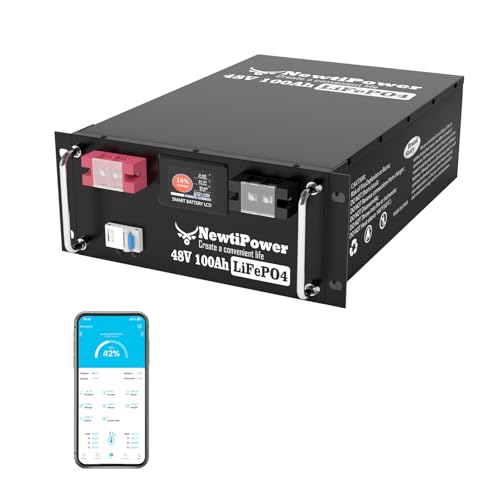
48V 100Ah Server Rack Lithium LiFePO4 Battery with Monitor and 200A BMS Grade A Cells,10000+ Cycles,Perfect for RV,Home Storage,Solar Power System
【Reliable Quality & Grade A Cells】: We have a professional lithium battery research and production factory, using A-grade...
As an affiliate, we earn on qualifying purchases.
Conclusion
Returning home means safety, but it also means facing the unexpected. While your heart races with relief, remember the dangers lurking unseen—damaged structures or hazardous debris. Stay cautious amidst the relief, and don’t rush. Protect your loved ones by checking for hazards and documenting damages. Though you’re enthusiastic to settle back in, patience now ensures your safety later. Balance hope with vigilance—your cautious steps today safeguard your tomorrow.

Nature's Generator Automatic 30A Transfer Switch with Inlet Box L14-30P UL Approved
🏡 Power Capacity: Supports up to 30 Amps at 120V/240V, ideal for powering essential home systems.
As an affiliate, we earn on qualifying purchases.

KUTTOLE 30 Amp Transfer Switch, Automatic Generator Transfer Switch for RV, Shore Power, Speedboats, 120V ATS Auto, Black
Multifunctional Power Transfer: The 30 amp transfer switch combines mechanical and electrical functions and integrates seamlessly with inverters,...
As an affiliate, we earn on qualifying purchases.