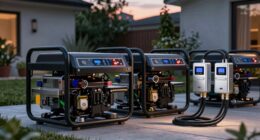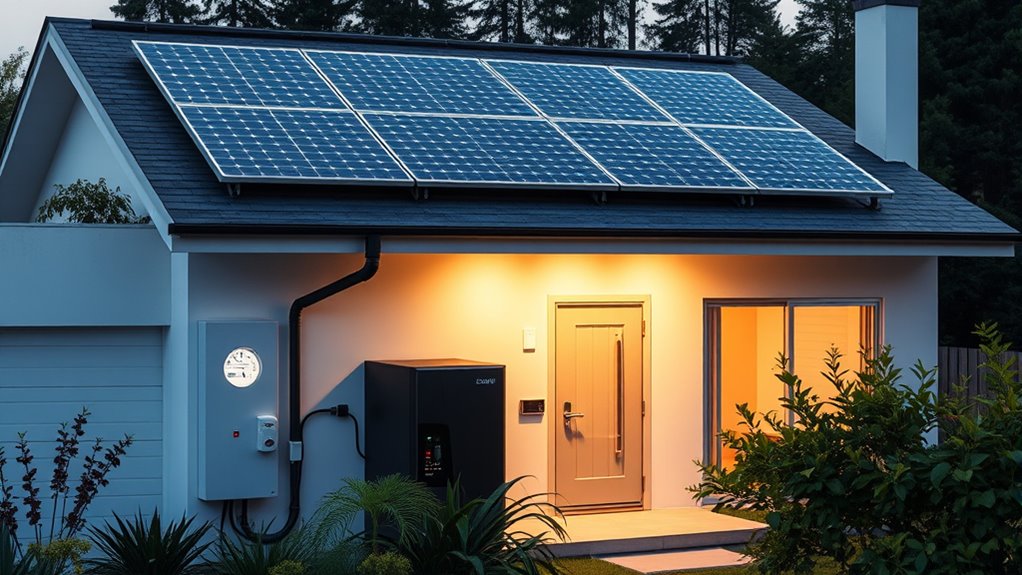

Upgrading to bi-directional power systems lets you both draw energy from and send extra power back to the grid, boosting your home’s energy independence and resilience. With smart inverters and advanced batteries, you can store surplus solar or wind energy for later use, power your home off-grid during outages, and even earn credits by feeding excess energy back to utilities. If you want to explore how these systems work and their benefits, there’s more to discover.
Key Takeaways
- Assess your home’s current electrical system and compatibility with bi-directional inverters and advanced batteries.
- Install smart inverters and energy storage units to enable two-way energy flow and real-time monitoring.
- Ensure system integration with the grid for safe energy feeding and efficient management of surplus renewable power.
- Review local policies, incentives, and utility requirements to maximize financial benefits and compliance.
- Plan for ongoing maintenance and system upgrades to optimize performance, safety, and long-term savings.

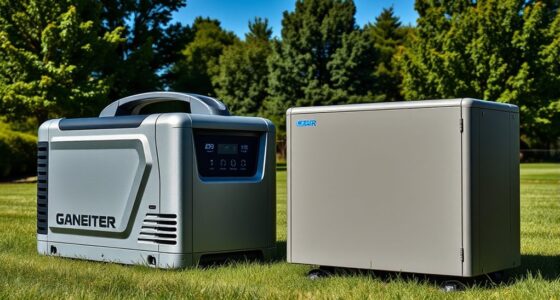
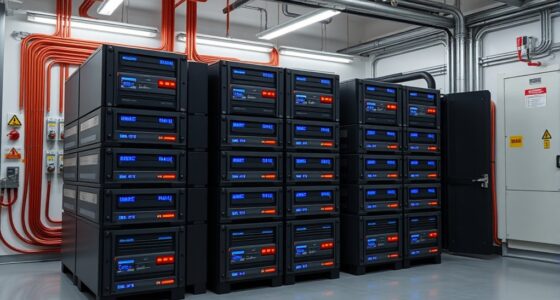
As homes increasingly adopt renewable energy sources, bi-directional power systems are transforming the way you generate and use electricity. These systems enable your home to both draw power from the grid and feed excess energy back into it, creating a more flexible, efficient energy setup. At the heart of this innovation is energy storage, which lets you save surplus solar or wind power for later use. With reliable storage, you can power your home during cloudy days or at night without relying solely on the grid. This not only boosts your energy independence but also helps you manage your electricity costs more effectively. When you store energy during peak production times, you reduce the need to purchase expensive energy from your utility, leading to savings over time. Additionally, having energy storage enhances your ability to operate independently of the grid, especially during outages or emergencies. This increased grid independence means you’re less vulnerable to power disruptions and can maintain essential functions without interruption.
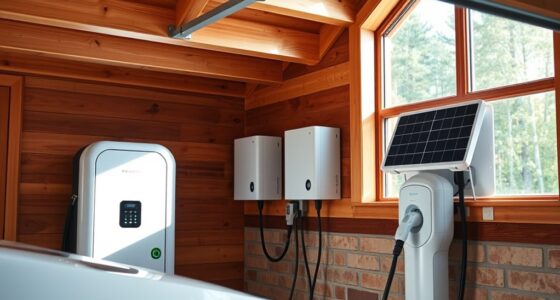
Upgrading to a bi-directional power system involves installing components like smart inverters and advanced batteries that facilitate two-way energy flow. These devices communicate seamlessly with your renewable sources and the grid, ensuring smooth, safe transfer of power. As you implement such a system, you gain more control over your energy consumption. You can choose to use stored energy during peak rate periods, or feed excess power back into the grid to earn credits or payments, depending on your local policies. This flexibility not only maximizes the benefits of your renewable investments but also makes your home more resilient and self-sufficient. Furthermore, modern bi-directional systems come with monitoring tools that provide real-time data on energy production, storage levels, and consumption patterns, empowering you to optimize your energy use. Energy storage plays a crucial role in maximizing the efficiency and benefits of these systems.
The shift to bi-directional power systems also aligns with broader sustainability goals. By generating and managing your own clean energy, you contribute to reducing reliance on fossil fuels and lowering greenhouse gas emissions. This shift supports a more sustainable future while giving you greater autonomy over your energy needs. As you consider upgrading, remember that the initial investment can be offset by long-term savings, incentives, and the increased value of your home. Overall, integrating energy storage and achieving grid independence through bi-directional systems puts you at the forefront of energy innovation, giving you control, savings, and sustainability all in one package.
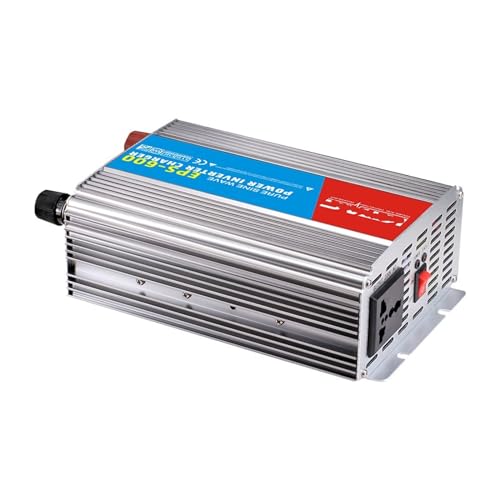
Energy Storage UPS Pure sine Wave Inverter photovoltaic 600W Household 220v bidirectional Inverter Solar Inverter
Industrial Power Supply
As an affiliate, we earn on qualifying purchases.
As an affiliate, we earn on qualifying purchases.
Frequently Asked Questions
What Are the Initial Costs of Upgrading to a Bi-Directional System?
The initial costs of upgrading to a bi-directional power system typically range from $10,000 to $20,000, depending on your home’s size and existing infrastructure. You should conduct a thorough cost analysis to understand expenses like equipment and installation. Don’t forget to explore available financial incentives, rebates, or tax credits, which can substantially reduce your upfront investment and make the switch more affordable.
How Long Does It Take to Install a Bi-Directional Power System?
Imagine your home humming with energy as the installation unfolds. Typically, the installation timeline spans one to three days, depending on system complexity. You’ll see technicians working efficiently, connecting new components, and ensuring seamless integration. While some setups may take longer due to unique wiring or additional features, most upgrades are swift, letting you enjoy the benefits of bi-directional power sooner. Your home’s new energy flow is just around the corner.
Are There Specific Local Regulations for Bi-Directional Systems?
Yes, there are specific local regulations you need to follow for bi-directional systems. You should check local permitting requirements and guarantee your system complies with grid standards. Regulations vary by area, so contacting your local electrical authority or utility company helps you understand the necessary permits and grid compliance measures. Staying informed ensures your installation is legal, safe, and optimized for efficient energy flow.
Can Existing Solar Panels Be Integrated Into a Bi-Directional Setup?
Yes, your existing solar panels can often be integrated into a bi-directional setup, but you need to check solar panel compatibility and inverter integration. Not all panels are compatible with bi-directional systems, so verify that your panels’ specifications match the new inverter. You might need a compatible inverter or additional equipment to guarantee smooth integration. Consulting a professional can help you optimize your system for efficient energy flow.
What Maintenance Is Required for Bi-Directional Power Systems?
You need to regularly check your bi-directional power system’s battery lifespan and guarantee it remains within ideal ranges. Keep an eye on software updates, as they improve system performance and security. Additionally, inspect connections and components periodically for wear or damage. Proper maintenance helps extend battery life and keeps your system running efficiently, so stay proactive with routine checks and updates to maximize your investment.

ECO-WORTHY Powermega 48V 314Ah LiFePO4 Battery, 16.1kWh High Capacity Energy Storage with Breakers, 200A Active Balancing BMS, Aerosol Fire Protection,7" LCD, RS485/CAN/RS232 for Off-Grid&Home Backup
Version Update Notice: The former 48V 314Ah V1 is now upgraded to Powermega 48V 314Ah, featuring newly added…
As an affiliate, we earn on qualifying purchases.
As an affiliate, we earn on qualifying purchases.
Conclusion
Upgrading to a bi-directional power system puts you ahead in energy independence, letting you generate and share power seamlessly. It’s an investment that pays off in savings and sustainability. Remember, “A chain is only as strong as its weakest link,” so guarantee your home’s system is robust and reliable. Embrace the future of clean energy today—you’ll be glad you did when you’re powered efficiently and responsibly, ready for whatever comes next.

Meross Smart Energy Consumption Monitor with 18 Circuit Monitoring, Electricity Usage Monitor, Real-Time Power Usage Monitor, Home Assistant Support, Smart Alerts, No Subscriptions, 2-Year Warranty
SAFE & RELIABLE: Meross smart energy consumption monitor is ETL‑certified and compliant with the UL 61010 testing standard,…
As an affiliate, we earn on qualifying purchases.
As an affiliate, we earn on qualifying purchases.
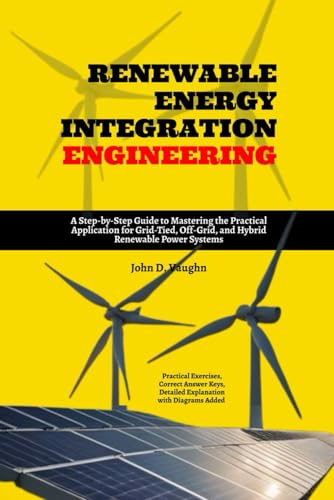
Renewable Energy Integration Engineering: A Step-by-Step Guide to Mastering the Practical Application for Grid-Tied, Off-Grid, and Hybrid Renewable Power Systems
As an affiliate, we earn on qualifying purchases.
As an affiliate, we earn on qualifying purchases.