
TL;DR
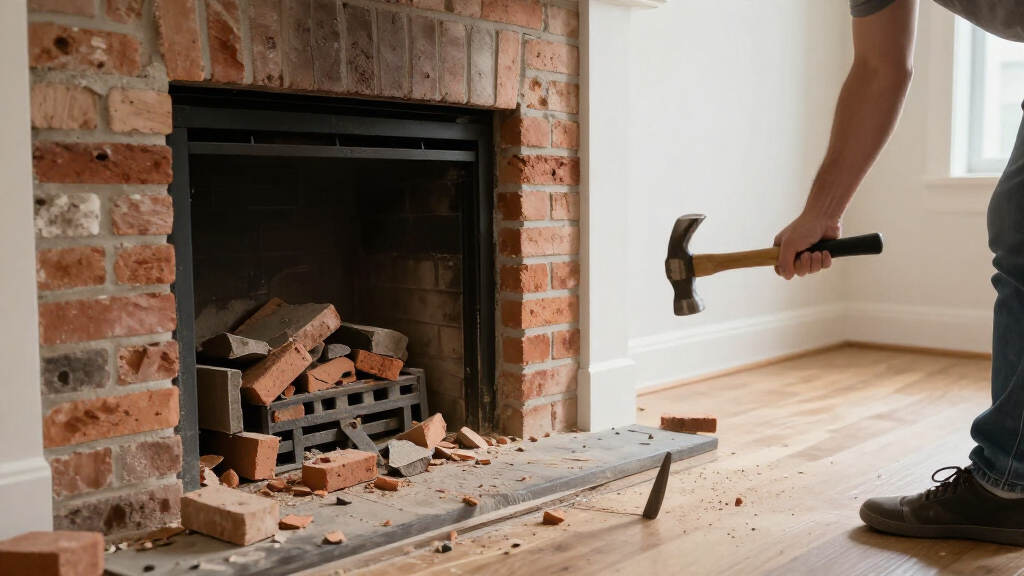
A family has removed their historic brick fireplace from the living room. They report no regrets and cite benefits like increased space and modern design. The development highlights changing home renovation trends.
A family has removed their brick fireplace from the living room, citing benefits such as improved space and a modern look. The homeowners say they do not regret the decision, which reflects a broader trend of modernizing older homes.

Get backup power and energy gear delivered free with Prime
- Fast, free delivery on millions of items
- Prime Video, Amazon Music and more included
- Member-only deals all year
The homeowners, who wish to remain anonymous, removed their brick fireplace earlier this month as part of a home renovation project. They replaced it with a minimalist, modern alternative, which they say has made their living space feel larger and more contemporary.
According to the homeowners, the removal was motivated by aesthetic preferences and the desire for a more open floor plan. They also noted that the brick fireplace was rarely used and required ongoing maintenance, which contributed to their decision.
Architects involved in the project confirmed that such removals are increasingly common among homeowners seeking to modernize older homes. The homeowners expressed satisfaction with the outcome, emphasizing that they do not regret removing the fireplace.
Changing Home Design Trends Favor Open Spaces
The decision to remove a brick fireplace reflects a shift in home design preferences toward open, minimalist living spaces. This trend is driven by homeowners seeking to maximize space and modernize older properties. The homeowners’ satisfaction suggests that such renovations can be successful and align with contemporary aesthetics.
Real estate experts note that removing fireplaces can also increase home value by making spaces feel larger and more versatile, though the decision depends on individual preferences and home style.
Products Worth Considering

Philips Hue Play Floor Lamp, RGBWWIC LED, 53 Inch, Black

Levoit Core 400S-P Smart Air Purifier for Large Rooms

Philips Hue Bridge Pro Starter Kit with 4 A19 E26 Color Smart Bulbs
As an affiliate, we earn on qualifying purchases.
Rise of Modern Renovations in Traditional Homes
Over recent years, many homeowners have opted to remove or replace traditional features like brick fireplaces to update their homes. This trend is part of a broader movement toward open-plan layouts and modern interior design. Experts say that while fireplaces historically served functional and aesthetic purposes, many now see them as outdated or unnecessary in contemporary homes.
Prior to this change, brick fireplaces were a common feature in older homes, often valued for their charm and historic character. However, some homeowners find that removing them allows for more flexible furniture arrangements and a cleaner look.
Long-Term Impact of Fireplace Removal on Home Value
It is not yet clear how removing brick fireplaces will affect the long-term value of homes. While some experts suggest it can increase appeal for modern buyers, others warn it might detract from the character valued in historic homes. Further market data is needed to assess this impact comprehensively.
Future Home Renovations and Market Trends
Homeowners and renovators are expected to continue removing or updating traditional features like brick fireplaces. Real estate markets may see shifts in home values based on such renovations, but the long-term effects remain to be studied. Industry experts anticipate more homeowners will prioritize open, modern spaces in upcoming projects.
Key Questions
Why did the homeowners decide to remove their brick fireplace?
The homeowners cited reasons such as increasing space, modern aesthetics, and the fireplace’s infrequent use and maintenance costs.
Does removing a brick fireplace typically increase home value?
The impact varies; some experts believe it can make a home more appealing to modern buyers, while others warn it might reduce character in historic properties. Data is still emerging.
Are there alternatives to removing fireplaces for modernizing a home?
Yes, homeowners can update or refinish existing fireplaces or incorporate modern designs that retain the feature while aligning with contemporary aesthetics.
Is removing a fireplace a common trend?
Yes, especially in older homes, many homeowners are choosing to remove or replace traditional fireplaces to create open and minimalist living spaces.
What should homeowners consider before removing a fireplace?
They should consider the impact on home value, character, and potential costs involved. Consulting with a professional is recommended to ensure safety and compliance with building codes.
Source: rss