
To prepare your home business for power outages, consider installing backup systems like uninterruptible power supplies (UPS) and generators to keep essential devices running. Explore renewable options like solar panels with battery storage for reliable energy, and regularly test and maintain your backup setups. Keep supplies on hand to extend your power resilience, and develop a clear plan to minimize downtime. Stay ahead of disruptions by exploring these strategies further—there’s more you can do to stay protected.
Key Takeaways
- Implement reliable backup systems like UPS and generators to ensure continuous operation during outages.
- Incorporate renewable energy sources such as solar panels with battery storage for independence from grid power.
- Regularly test and maintain backup equipment to guarantee readiness when needed.
- Keep spare batteries, fuel, and essential supplies on hand for extended power disruptions.
- Develop a clear plan to protect data, minimize downtime, and ensure business continuity during outages.

Power outages can disrupt your home business unexpectedly, causing delays, data loss, and frustration. When your electricity suddenly cuts out, it halts your productivity and risks compromising important work. To stay ahead of these disruptions, it’s essential to consider alternative energy sources and reliable backup systems. These solutions can keep your operations running smoothly, even when the power grid fails.
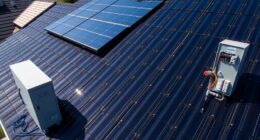
Exploring alternative energy options, like solar panels or small wind turbines, can be a game-changer for your home business. Solar energy, in particular, is a popular choice because it’s renewable and increasingly affordable. By installing solar panels, you can generate your own electricity during the day, reducing reliance on the grid. This can be especially beneficial if you have critical equipment or servers that need constant power. Although solar alone might not cover all your needs during an outage, pairing it with a battery storage system ensures you have stored energy ready to use when the sun isn’t shining. This combination provides a dependable source of power that keeps your business operational regardless of external outages.
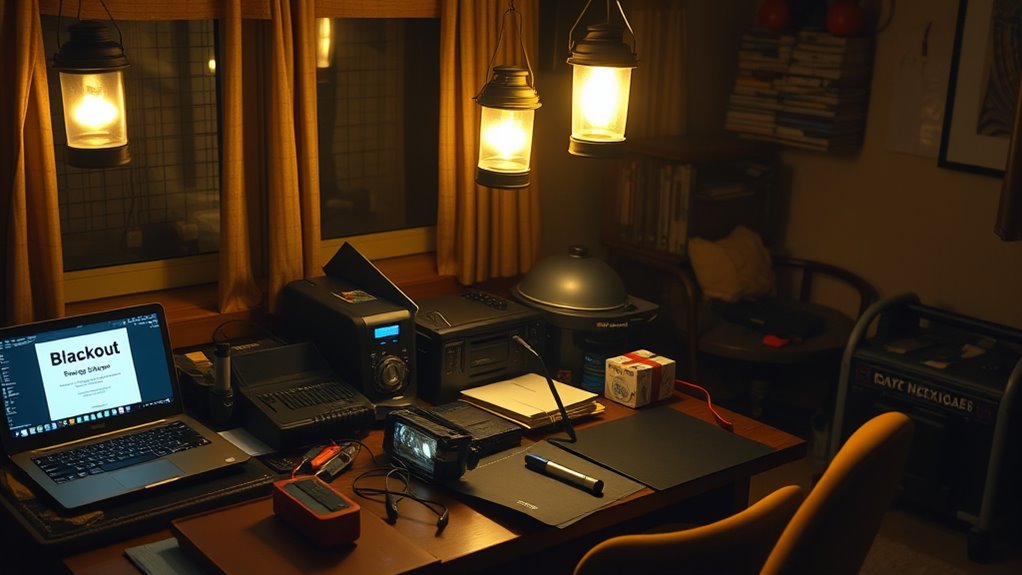
In addition to alternative energy, setting up backup systems is vital. A robust uninterruptible power supply (UPS) can protect your essential devices, such as computers, routers, and security cameras. When the power goes out, a UPS kicks in instantly, giving you enough time to save work and shut down equipment properly. For longer outages, a generator is a wise investment. Gas-powered generators can supply electricity for hours, powering everything from computers to lighting. When choosing a generator, consider your energy needs and opt for a model that can handle your essential appliances. Also, ensure it’s properly maintained and stored in a safe location.
Implementing these backup systems and alternative energy solutions helps you avoid downtime and protects your data. It’s a proactive approach that minimizes frustration and financial loss when power failures occur. Regularly testing your backup systems guarantees they function correctly when needed. Keep spare batteries, fuel, or other necessary supplies on hand to prevent interruptions during extended outages. Not only does this safeguard your work, but it also reassures clients and partners that your business remains dependable, regardless of external conditions.
Ultimately, investing in alternative energy and backup systems is about building resilience. Power outages are unpredictable, but with the right preparations, you can keep your home business running seamlessly. These strategies give you peace of mind, so you can focus on your work rather than worrying about the next blackout. Incorporating power ratio understanding into your planning can further optimize your backup capacities and ensure energy efficiency during outages.
Frequently Asked Questions
How Can I Protect Sensitive Data During a Power Outage?
During a power outage, protect your sensitive data by ensuring it’s encrypted with strong data encryption methods before the outage occurs. Use cloud backups to automatically save your critical files, so they remain accessible and secure even if your local systems shut down. Regularly update your encryption and backup protocols, and verify your cloud backup’s integrity, giving you peace of mind that your data stays protected during unexpected outages.
What Insurance Coverage Is Necessary for Power Outage Damages?
Have you considered how your insurance can shield your business from unexpected losses? You’ll want coverage that includes business interruption and property damage. This protects you financially if a power outage halts operations or causes physical harm to your property. Without it, you might face hefty out-of-pocket expenses. Make sure your policy is all-encompassing, so you’re prepared for any interruption or damage caused by power outages.
How Do I Notify Clients About Service Disruptions?
You should promptly notify clients about service disruptions through clear customer communication. Use multiple channels like email, social media, and your website to share updates. Implement service update strategies such as regular progress reports and estimated resolution times. Keep your message concise, transparent, and empathetic, assuring clients you’re working to resolve the issue. Prompt, honest communication helps maintain trust and minimizes frustration during power outages.
What Are the Legal Requirements for Backup Power Systems?
You need to check local government regulations to understand legal requirements for backup power systems. Some areas mandate the use of renewable energy sources, like solar panels or wind turbines, to meet sustainability goals. Make certain your system complies with safety codes and permits. Staying informed about evolving government regulations helps you avoid fines and ensures your backup power system is legally sound and environmentally friendly.
How Often Should I Test My Emergency Preparedness Plan?
You should test your emergency preparedness plan at least twice a year to guarantee effectiveness. Regular testing, along with periodic plan reviews, helps you identify weaknesses, reinforce procedures, and boost confidence. Don’t wait for an emergency to discover gaps—schedule testing frequency and plan reviews now. Stay proactive, stay prepared, and protect your home business from unexpected power outages by making these practices a routine part of your safety strategy.
Conclusion
Don’t let a power outage catch you off guard. With a few simple steps—like backup power sources and a solid emergency plan—you can keep your home business running smoothly. Sure, it might seem like a hassle now, but being prepared saves you time, stress, and potential lost income later. Remember, it’s better to be safe than sorry. So, take action today and turn outages into minor bumps, not disasters.