
To construct a resilient neighborhood power network, you should incorporate renewable energy sources like solar and wind, and create microgrids that can operate independently during outages. Smart control systems and energy storage help maintain stability and adapt to changing conditions. Engaging your community and continuously upgrading your infrastructure further strengthen your network. If you keep exploring, you’ll discover how these strategies work together to ensure a reliable, sustainable power supply for your neighborhood.
Key Takeaways
- Integrate renewable energy sources like solar and wind with smart inverters for seamless, sustainable power.
- Develop microgrids that can operate independently during outages, enhancing local resilience.
- Implement demand response strategies to manage consumption during peak periods or disruptions.
- Engage community members through education and participation to promote energy conservation and backup solutions.
- Continuously upgrade infrastructure and incorporate advanced control systems to adapt to evolving technological and environmental challenges.
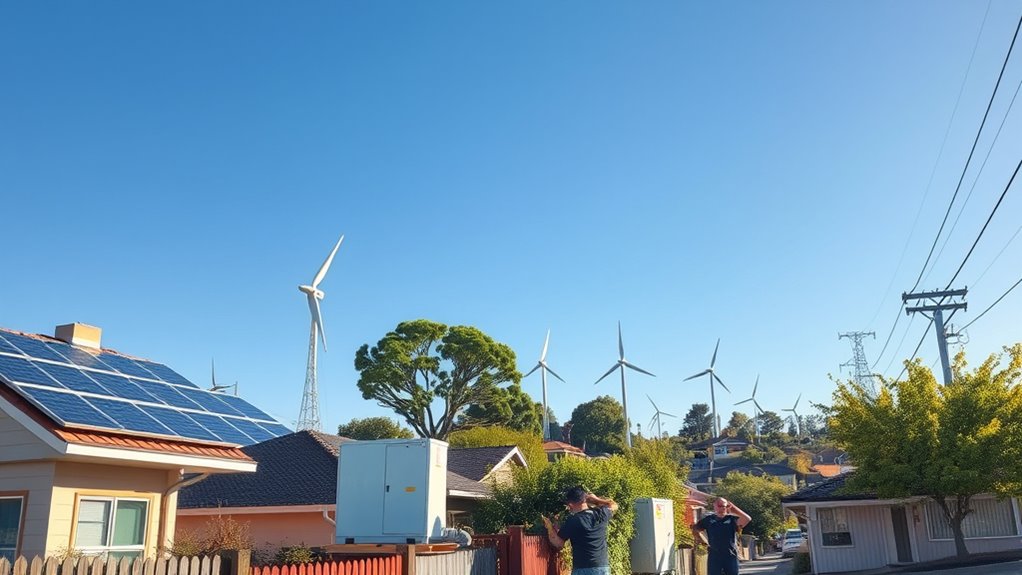
In today’s increasingly unpredictable world, building a resilient neighborhood power network isn’t just a smart choice—it’s indispensable. When you focus on grid stability, you guarantee that your community’s power supply remains reliable even during disruptions. This means designing a system that can withstand natural disasters, cyberattacks, or equipment failures without causing widespread outages. Grid stability isn’t just about maintaining constant power; it’s about creating a flexible network that adapts to changing conditions and demands. By integrating advanced control systems and energy storage solutions, you can smooth out fluctuations and prevent blackouts, guaranteeing your neighborhood stays energized no matter what challenges arise.
Building a resilient neighborhood grid ensures reliable power during disruptions through adaptability and advanced energy solutions.
Renewable integration plays an essential role in building this resilient system. By incorporating renewable energy sources like solar panels, wind turbines, or small-scale hydro into your local grid, you reduce dependence on centralized power plants and fossil fuels. This diversification enhances resilience because it creates multiple power sources that can operate independently if one fails. Plus, renewable energy is sustainable and cost-effective over the long term, helping your community lower its carbon footprint and energy costs. To maximize these benefits, you need to carefully plan the placement of renewable assets and guarantee they work seamlessly with existing infrastructure, which requires smart inverters and real-time monitoring systems.
Creating a resilient neighborhood power network involves more than just installing renewable sources. You should also consider establishing microgrids—localized grids that can operate independently from the main grid when needed. Microgrids give you greater control and flexibility, allowing your community to isolate and manage outages more effectively. They also facilitate renewable integration by enabling local energy generation and storage, reducing transmission losses, and improving overall efficiency. Implementing demand response strategies is another key step. By adjusting consumption patterns during peak times or outages, you can ease stress on the grid and prevent failures.
Finally, fostering community engagement is critical. Educate residents about energy conservation and encourage the adoption of home energy storage or backup systems. The more your community invests in resilience, the stronger your network becomes. Additionally, understanding relationships within the community can help build trust and cooperation, which are essential for successful implementation of these initiatives. Building a resilient neighborhood power network isn’t a one-time effort; it’s an ongoing process of upgrading, maintaining, and adapting to new technologies and challenges. With a focus on grid stability and renewable integration, you can create a system that not only withstands disruptions but also contributes to a cleaner, more sustainable future for everyone.
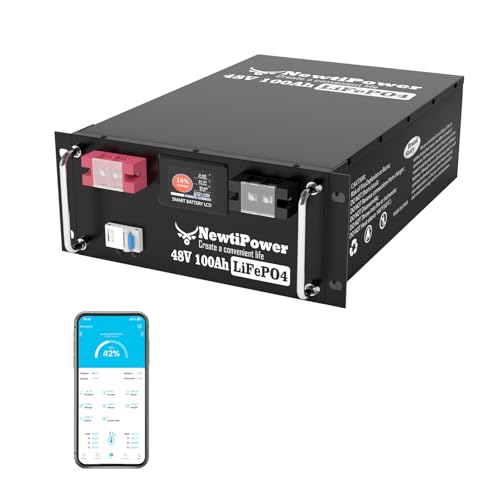
48V 100Ah Server Rack Lithium LiFePO4 Battery with Monitor and 200A BMS Grade A Cells,10000+ Cycles,Perfect for RV,Home Storage,Solar Power System
【Reliable Quality & Grade A Cells】: We have a professional lithium battery research and production factory, using A-grade...
As an affiliate, we earn on qualifying purchases.
Frequently Asked Questions
How Do Neighborhood Power Networks Impact Local Property Values?
Neighborhood power networks can boost your property values by showcasing sustainable features like solar incentives and efficient grid integration. When your community adopts such networks, homes become more energy-efficient and appealing to eco-conscious buyers. These upgrades often qualify for incentives, reducing costs and increasing home worth. Plus, a resilient power network minimizes outages, making properties more attractive and reliable, ultimately driving up local property values and fostering a greener, more sustainable neighborhood.
What Are the Initial Costs for Establishing a Resilient Power Network?
You’ll need to contemplate the initial costs for establishing a resilient power network, which typically include cost estimation for equipment like solar panels, batteries, and smart grid technology. Funding sources such as grants, community investments, or government programs can help cover these expenses. Expect to invest several thousand dollars upfront, but securing funding can markedly reduce your out-of-pocket costs and make the project more feasible.
How Do Power Networks Adapt to Sudden Extreme Weather Events?
Your power network transforms into a fortress during extreme weather, adapting swiftly to maintain the lights on. You bolster storm resilience by deploying smart grid technology and decentralized microgrids that isolate damage. Grid flexibility allows quick rerouting of power around affected areas, minimizing outages. Proactive measures like automatic switches and energy storage systems ensure your network stays robust, even when nature throws its worst at you, proving your resilience is unstoppable.
Are There Legal or Regulatory Hurdles for Community-Based Energy Projects?
Yes, you might face legal barriers and regulatory challenges when developing community-based energy projects. Local laws and utility regulations can restrict your ability to generate, share, or sell energy independently. Permitting processes may be complex and time-consuming, and zoning laws could limit project locations. To succeed, you’ll need to navigate these hurdles carefully, work with regulators, and advocate for policies that support community-owned renewable energy initiatives.
What Maintenance Is Required to Ensure Long-Term Reliability?
To guarantee long-term reliability, you need to regularly perform battery maintenance, checking for signs of wear and ensuring proper charge levels. Keep an eye on system upgrades to incorporate new technology and improve efficiency. Regular inspections and timely replacements prevent failures, while updating software and hardware helps adapt to changing needs. Staying proactive with maintenance ensures your neighborhood power network remains resilient, efficient, and capable of serving your community reliably for years to come.

FUZHUI Versatile Battery Organizer with Tester, Original Wall-Mount Storage, Clear-Lid Mountable Storage Box for Secure Energy Cell Management
CLEAR-LID MOUNTABLE DESIGN: Our Versatile Battery Organizer with Testerfeatures a clear lid for quick identification and wall-mountable design...
As an affiliate, we earn on qualifying purchases.
Conclusion
By implementing these strategies, you create a neighborhood power network that’s as sturdy as a fortress, ready to withstand any storm. Your proactive planning and community collaboration turn vulnerability into strength, ensuring energy flows smoothly even in tough times. Remember, a resilient network is like a well-woven fabric—each thread essential to hold everything together. Together, you build not just a power grid, but a foundation of security and peace of mind for everyone.

SGPWATT SUNGOLDPOWER 6-Layer Enclosed Battery Cabinet with 600A Bus Bar and Wheels, Compatible 100AH 3U Rack LiFePO4 Lithium Batteries, Ventilation Design, for Solar System and Energy Storage
★ Enclosed Cabinet: The door swings open for easy access and locks securely
As an affiliate, we earn on qualifying purchases.
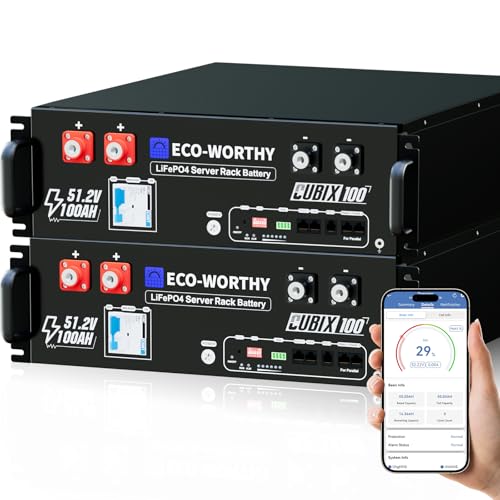
ECO-WORTHY (Cubix 100) 48V 200Ah LiFePO4 Lithium Battery (2 Pack 48V 100AH) w/Bluetooth | UL1973 & UL9540A & CEC Listed | 10.24KWh Server Rack Battery for Solar Energy Storage, Home Backup Power
Upgraded to Cubix 100 (Feb 5, 2026) – The ECO-WORTHY 48V 100Ah Server Rack LiFePO₄ Battery V3 is...
As an affiliate, we earn on qualifying purchases.