
Scheduling a yearly emergency plan review is essential to stay prepared for unexpected incidents. You should assess response procedures, update contact lists, and review recent drill outcomes regularly. By setting a consistent annual schedule, you guarantee your safety protocols evolve with new risks and organizational changes. This routine keeps your team confident and ready. To learn how to implement an effective review process and maintain superior safety standards, continue exploring proven strategies and best practices.
Key Takeaways
- Establish a fixed annual date for comprehensive emergency plan reviews.
- Incorporate lessons learned from recent drills and incident reports into the review process.
- Assign responsible personnel to lead and document the yearly review activities.
- Update contact lists, evacuation routes, and safety resources during each review session.
- Communicate review schedules organization-wide to ensure full team participation and awareness.

Regularly reviewing your emergency plan guarantees you’re prepared for unexpected incidents. This practice isn’t just about checking boxes; it guarantees that your response remains effective and relevant as circumstances change. One vital aspect of this review process involves evaluating your drill frequency. Conducting drills at regular intervals helps identify weaknesses in your plan, tests team coordination, and builds confidence among everyone involved. Whether you schedule monthly, quarterly, or semi-annual drills, sticking to a consistent drill frequency ensures your team stays sharp and ready to act swiftly during a real emergency. It’s also essential to analyze your plan update schedules during these reviews. Plans should evolve alongside new risks, organizational changes, or technological advancements. Setting clear timelines for plan updates—such as annually or after significant events—keeps your safety procedures current. When reviewing your plan, consider whether the current update schedule effectively captures these changes. If not, adjust it accordingly to prevent outdated protocols from jeopardizing safety. This proactive approach helps you address emerging hazards and incorporate lessons learned from previous drills or incidents. Your review process should include a detailed evaluation of all response procedures, communication channels, and resource allocations. Make sure that everyone understands their roles and that the plan aligns with current staff, facilities, and external agencies. Regularly updating contact lists, evacuation routes, and safety equipment inventories keeps your plan reliable. It’s also wise to analyze the outcomes of recent drills to see if any procedures need refining. For instance, if a drill reveals confusion during evacuation, revisit your plan and update training protocols accordingly. Keep in mind that the effectiveness of your emergency plan hinges on consistent, disciplined review routines. Establishing a formal schedule—such as a yearly review—makes it easier to allocate time and resources for detailed updates. Document all changes thoroughly, so team members are always aware of the latest procedures. This documentation can serve as a valuable reference during actual emergencies and future reviews. Additionally, staying informed about emerging hazards allows your organization to anticipate and mitigate potential threats proactively. Ultimately, staying committed to these scheduled reviews fosters a culture of preparedness. It signals to everyone involved that safety is a priority and that your organization is committed to continuous improvement. By carefully balancing drill frequency and plan update schedules, you can guarantee your emergency response remains robust, adaptable, and ready to protect everyone when it matters most.

DuroStar DS13000MX 13,000-Watt 500cc Dual Fuel Portable Generator - Gas and Propane, Remote Electric Start, Whole Home Power Backup, Transfer Switch Ready, RV & Emergency Ready
13,000 Watts of Reliable Power for Home Power Backup – Keep your home, job site, or RV powered...
As an affiliate, we earn on qualifying purchases.
Frequently Asked Questions
Who Should Be Involved in the Review Process?
You should involve key stakeholders such as safety officers, management, and staff members responsible for emergency procedures in the review process. Their engagement ensures diverse perspectives and compliance standards are met. Including local emergency services and legal advisors can also improve the plan’s effectiveness. By actively engaging these stakeholders, you ensure the plan remains updated, thorough, and aligned with current safety regulations, ultimately strengthening your organization’s emergency preparedness.
How Do I Prioritize Emergency Plan Updates?
Your emergency plan updates are more vital than the entire universe! First, conduct a thorough risk assessment to identify the most vulnerable areas. Then, prioritize updates based on potential impact and likelihood. Focus on refining communication strategies to guarantee swift, clear responses. Regularly review and adjust these priorities as new threats emerge, so your plan remains robust and responsive, even in the face of unforeseen emergencies.
What Documentation Is Required During Reviews?
During reviews, you need to document your drill procedures and communication protocols clearly. Make certain you record any updates made to procedures, test results, and feedback from staff to identify areas for improvement. Including contact lists, emergency contact updates, and response times helps refine your plan. Keep detailed records of training sessions and drills, emphasizing communication protocols, so everyone stays informed and prepared during actual emergencies.
How Can I Ensure Staff Awareness of Plan Changes?
Think of your emergency plan as a compass guiding your team through chaos. To guarantee staff awareness of plan changes, you should hold regular training sessions that refresh and reinforce critical procedures. Use clear communication strategies like meetings, emails, and visual aids to keep everyone aligned. Encourage open dialogue so staff feel comfortable asking questions. This approach helps turn your plan into a shared map everyone trusts during an emergency.
What Tools or Software Assist in Scheduling Reviews?
You can use tools like Microsoft Outlook or Google Calendar to schedule reviews with automated reminders, ensuring you don’t forget. These platforms also offer calendar integrations, so you can sync review dates across devices and teams easily. Project management software like Trello or Asana can help set recurring tasks and send notifications, making it simple to stay on top of your yearly emergency plan reviews and keep everyone informed and prepared.

Westinghouse 12500 Watt Dual Fuel Home Backup Portable Generator, Remote Electric Start, Transfer Switch Ready, Gas and Propane Powered
9500 Running Watts and 12500 Peak Watts (Gasoline); 8500 Running Watts, 11200 Peak Watts (Propane); Remote Start with...
As an affiliate, we earn on qualifying purchases.
Conclusion
By scheduling your emergency plan reviews annually, you’re ensuring you’re always prepared. Did you know that 60% of organizations that review their plans yearly are better equipped to handle emergencies? Regular updates keep everyone informed and ready, minimizing chaos when incidents occur. Don’t wait for a crisis—set your reminders now. Consistent reviews aren’t just a best practice; they’re your best defense against unexpected events. Stay proactive, stay protected.
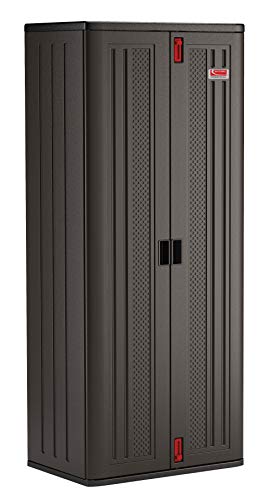
Suncast 19 Cubic Ft. Heavy-Duty Resin Cabinet with Lockable Handles, Multi-Wall Construction, and Metal-Reinforced Shelves for Basement, Utility Room and Garage Storage, Black, Made in the USA
DURABLE RESIN BUILD FOR ALL-WEATHER USE. This 34 cu ft, 4 ft x 2.5 ft outside storage shed...
As an affiliate, we earn on qualifying purchases.

Aobabo Garage Storage Cabinet with Door Pegboard,Lockable Metal Storage Cabinet with 5 Adjustable Shelves for Garage Home,Required Assembly,Black
[Upgraded Function] Magnetic suction is installed on the top and bottom of the garage storage cabinet with wheels,...
As an affiliate, we earn on qualifying purchases.