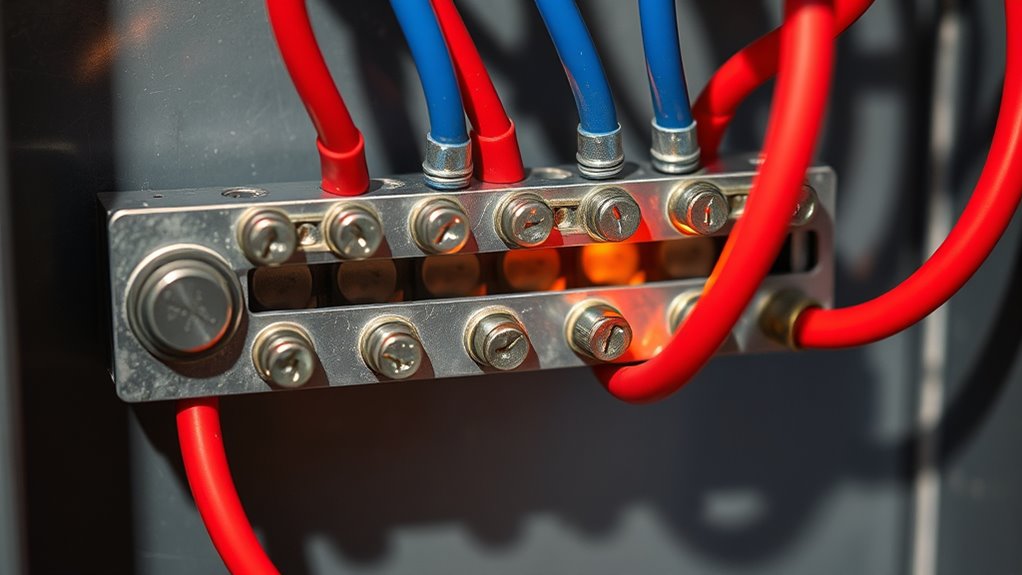

Understanding ground faults and electrical circuit safety is key to protecting yourself and your property. A ground fault happens when current unintentionally flows to the ground, risking shocks or fires. Ground fault detection systems like GFCIs or circuit breakers quickly identify these issues and shut off power, preventing harm. Regular testing of safety devices keeps them effective. To stay safe, it’s important to learn how these systems work and how to maintain them properly. Keep exploring to learn more.

Get backup power and energy gear delivered free with Prime
- Fast, free delivery on millions of items
- Prime Video, Amazon Music and more included
- Member-only deals all year
Key Takeaways
- Ground faults occur when current unintentionally flows to the ground, creating shock and fire hazards.
- Ground fault detection systems, like GFCIs, monitor current imbalance to identify faults quickly.
- Circuit breakers with ground fault protection trip automatically to prevent electric shocks and fires.
- Regular testing and maintenance of ground fault devices ensure they operate effectively during faults.
- Installing ground fault protection in damp or high-use areas enhances electrical safety and prevents injuries.
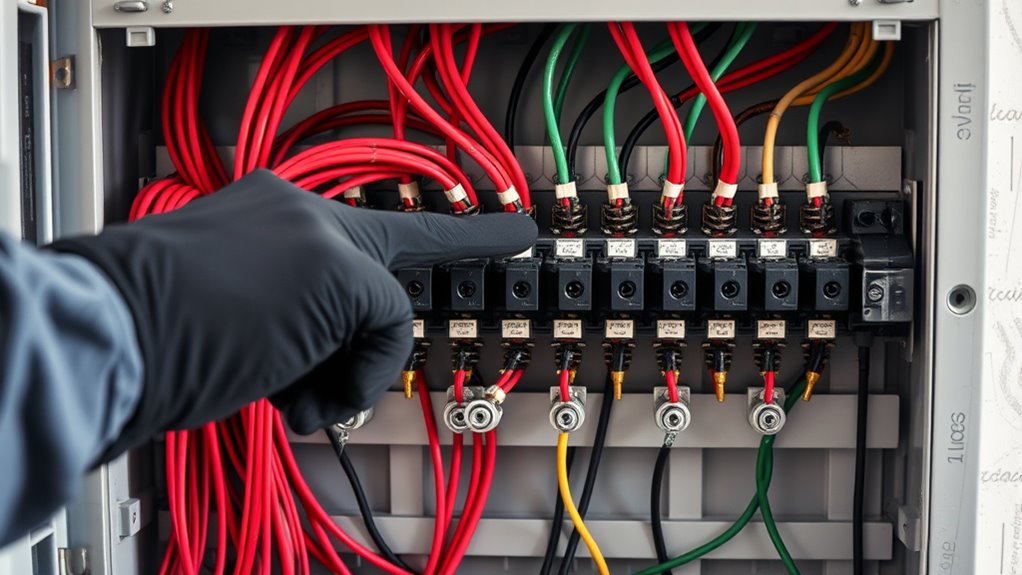
Ground faults occur when electrical current unintentionally flows from a circuit to the ground, posing significant safety risks. When this happens, the current bypasses its intended path, potentially flowing through a person or other conductive material, increasing the risk of electric shock or fire. Recognizing and preventing ground faults is essential to maintaining a safe electrical system in your home or workplace. One of the most effective tools for this purpose is ground fault detection, which quickly identifies when a ground fault occurs. Ground fault detectors constantly monitor current flow and can alert you or shut off power before a dangerous situation develops. This proactive approach helps prevent injuries and property damage by catching issues early.
Ground faults pose safety risks; ground fault detection quickly identifies issues to prevent shocks and fires.
Circuit breaker protection plays a critical role in managing ground faults. Modern circuit breakers equipped with ground fault protection features can detect imbalances in current flow between the hot and neutral wires. When a discrepancy is detected—indicating that current is leaking to the ground—the breaker trips automatically, cutting off power to prevent further hazards. This automatic response minimizes the risk of electric shock and reduces the potential for electrical fires. It’s a vital safety feature that offers peace of mind, especially in areas prone to moisture or where electrical devices are frequently used.
Understanding how ground fault detection works can help you appreciate its importance. These systems use sensitive components called residual current devices (RCDs) or ground fault circuit interrupters (GFCIs) that compare the current flowing through the hot and neutral conductors. If they sense even a small imbalance—usually as low as 4 or 5 milliamps—they trip instantly. This rapid response is crucial because it limits exposure time to dangerous faults. Installing GFCIs in bathrooms, kitchens, and outdoor outlets can greatly reduce the risk of electric shocks, especially in damp environments where the chance of ground faults is higher. Additionally, these devices often incorporate features that support 4K resolution and HDR, enhancing both safety and performance in home environments.
You should also be aware that regular testing of your circuit breaker protection and ground fault detection devices is essential. Most GFCIs have test buttons that simulate a ground fault, allowing you to verify that the device trips correctly. If it doesn’t, you need to replace the unit promptly. Staying vigilant about these safety devices ensures they function properly when you need them most. By understanding the importance of ground fault detection and circuit breaker protection, you are taking essential steps toward safeguarding yourself, your family, or colleagues from electrical hazards. Proper maintenance and timely inspections keep your electrical system resilient against faults, reducing risks and promoting a safer environment for everyone.
Frequently Asked Questions
How Can I Identify a Ground Fault Without Specialized Tools?
You can identify a ground fault through visual inspection and circuit testing. Look for signs like scorched outlets, sparks, or a burning smell around electrical devices. Unplug appliances and test circuits with a multimeter or circuit tester to check for abnormal continuity or voltage leaks. If you notice any irregularities, turn off the power and consider consulting a professional. Always prioritize safety when dealing with electrical issues.
What Are the Long-Term Risks of Undetected Ground Faults?
If you ignore ground fault prevention, you risk long-term issues like electrical shocks, fires, and equipment damage. Without proper detection, undetected ground faults can cause prolonged safety hazards, putting you and others at risk. Maintaining electrical safety awareness helps you recognize potential problems early. Regular inspections and testing ensure ground faults are identified and fixed promptly, preventing dangerous situations and ensuring the safety of your electrical system over time.
Can Ground Faults Occur in Properly Maintained Electrical Systems?
Think of ground fault myths that suggest proper maintenance prevents faults; that’s not always true. Ground faults can still occur in well-maintained systems if the grounding system design isn’t robust enough. Even with regular checks, unnoticed weaknesses or aging components can cause faults. So, don’t assume your system is immune—regular testing and a solid grounding system design are essential to catch issues early and keep your electrical safety intact.
Are Certain Environments More Prone to Ground Faults?
Yes, certain environments are more prone to ground faults, especially those with moisture exposure and low resistance environments. When moisture gets into electrical systems, it creates a conductive path, increasing the risk of ground faults. You should be extra cautious in damp or humid areas like basements, outdoor setups, or industrial sites where moisture and low resistance conditions can compromise circuit safety, leading to faults more easily.
How Does Electrical Safety Foundation International Recommend Preventing Ground Faults?
Electrical Safety Foundation International recommends implementing ground fault detection systems as a key safety measure. Did you know that a ground fault occurs every 30 seconds in workplaces? To prevent these, you should follow strict safety protocols, regularly inspect equipment, and guarantee proper grounding. These steps help detect faults early, reducing risks of electrical shock or fire. Staying vigilant and proactive is essential to maintaining a safe environment.
Conclusion
Understanding ground faults and circuit safety is essential for protecting yourself and your property. Did you know that ground faults cause nearly 40% of electrical fires? By staying vigilant and ensuring proper wiring, you can considerably reduce this risk. Always use ground fault circuit interrupters (GFCIs) in wet areas and follow safety guidelines. Remember, a little caution goes a long way in keeping your home safe and your mind at ease.
Halloween Picks
halloween
As an affiliate, we earn on qualifying purchases.